MSI Gaming GF76 12UGS-448XES Katana RAM upgrade specifications
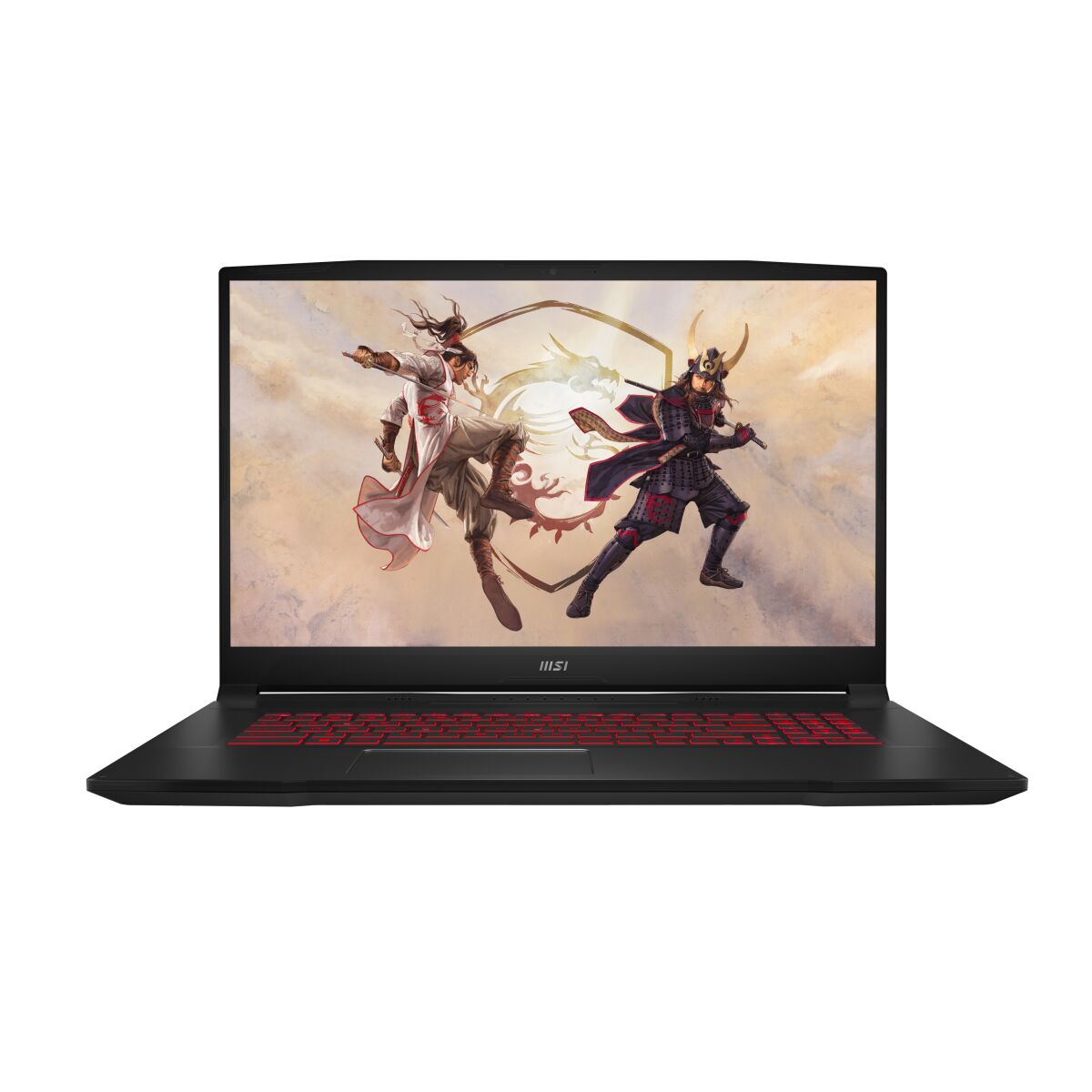


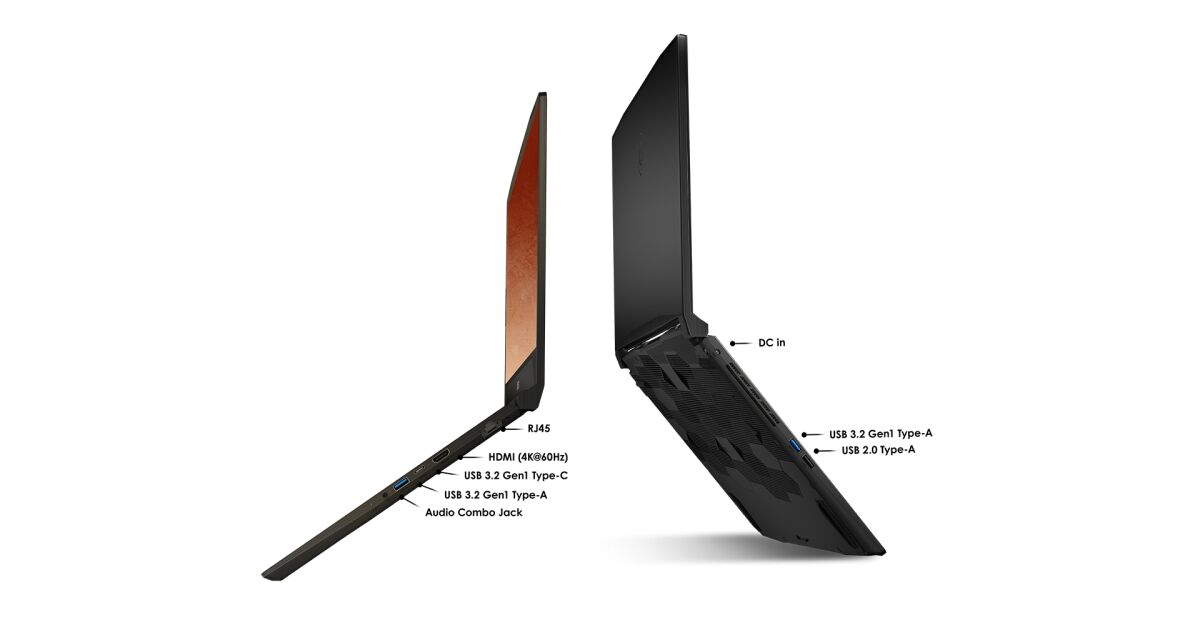
The MSI GF76 12UGS-448XES Katana gaming laptop features DDR4-SDRAM memory specifications with two SO-DIMM slots for RAM upgrades. The system supports a maximum RAM capacity of 64 GB, with compatibility for DDR4 memory operating at 3200 MHz frequency. The SO-DIMM form factor allows for memory expansion and replacement within the two available slots. Specifications indicate the Gaming GF series model accommodates standard DDR4-SDRAM modules for hardware upgrades to enhance system performance and multitasking capabilities.
Memory Upgrade Specifications
| Specification | Value |
|---|---|
| Memory slots | 2x SO-DIMM |
| Form factor | SO-DIMM |
| Memory type | DDR4-SDRAM |
| Frequency | 3200 MHz |
| Maximum RAM | 64 GB |
| Voltage | 1.2V |
| Number of pins | 260-pin |
| Interface | PC4 |
| PC Speed Rating | PC4-3200 (PC4-25600) |
| Bandwidth | 25.6 GB/s |
| Laptop Release date | 07 March 2022 |
Additional Notes
- The MSI GF76 12UGS-448XES Katana dual-slot configuration enables gradual capacity expansion without discarding existing modules when upgrading in stages.
- DDR4-3200 represents the practical ceiling for this generation, as higher-frequency modules would downclock to match the controller's native speed.
- The 64 GB maximum capacity suggests compatibility with either dual-rank 32 GB modules or single-rank configurations, depending on chipset density support.
- SO-DIMM packaging requires verification of module height clearance beneath the bottom panel, particularly with heat-spreader-equipped performance kits.
- Mixing modules with different CAS latencies forces the memory controller to operate at the slowest timings across both channels.
- Non-ECC unbuffered modules are required, as standard consumer-grade memory controllers reject registered or error-correcting variants during POST.
- Accessing both slots typically requires complete bottom cover removal rather than dedicated service hatches, affecting field serviceability.
- JEDEC-standard 1.2V modules ensure thermal compatibility with the cooling system's thermal budget for sustained memory bandwidth.
- Dual-channel population provides double the theoretical bandwidth compared to single-module configurations, critical for integrated graphics workloads if applicable.
- The 3200 MHz specification indicates 12th-generation Intel platform architecture, which determines the memory clock divider ratios available in firmware.