MSI Gaming Katana GF66 12UC-092PT RAM upgrade specifications


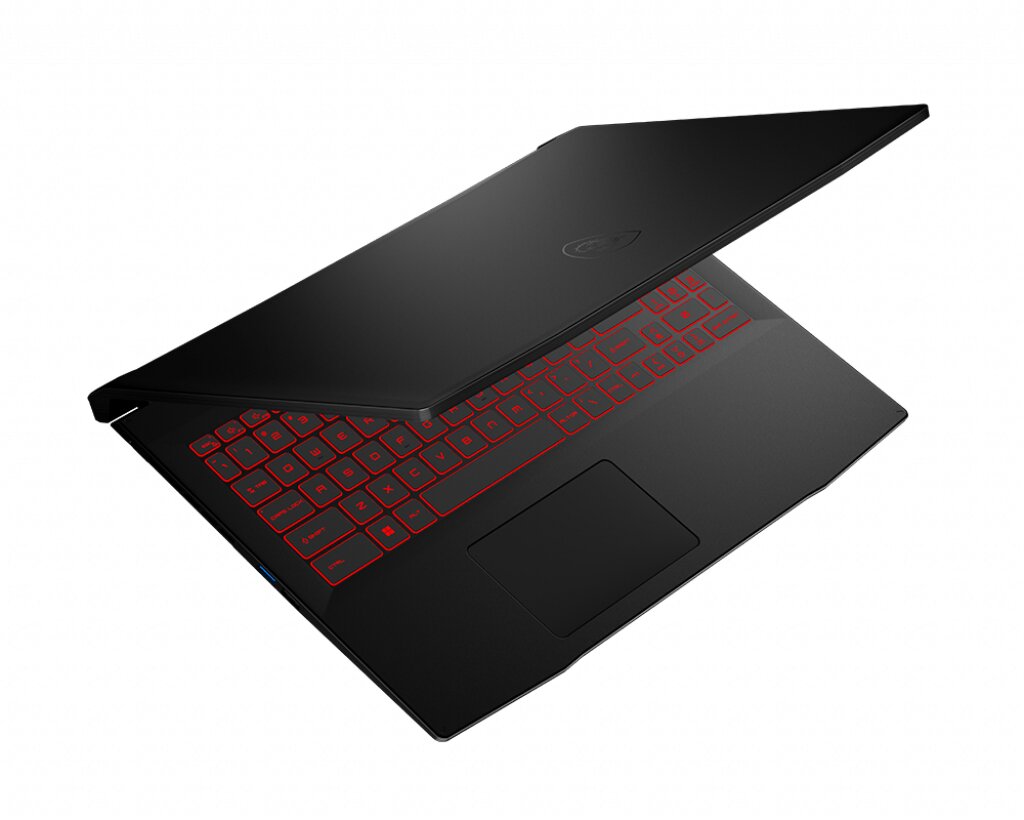

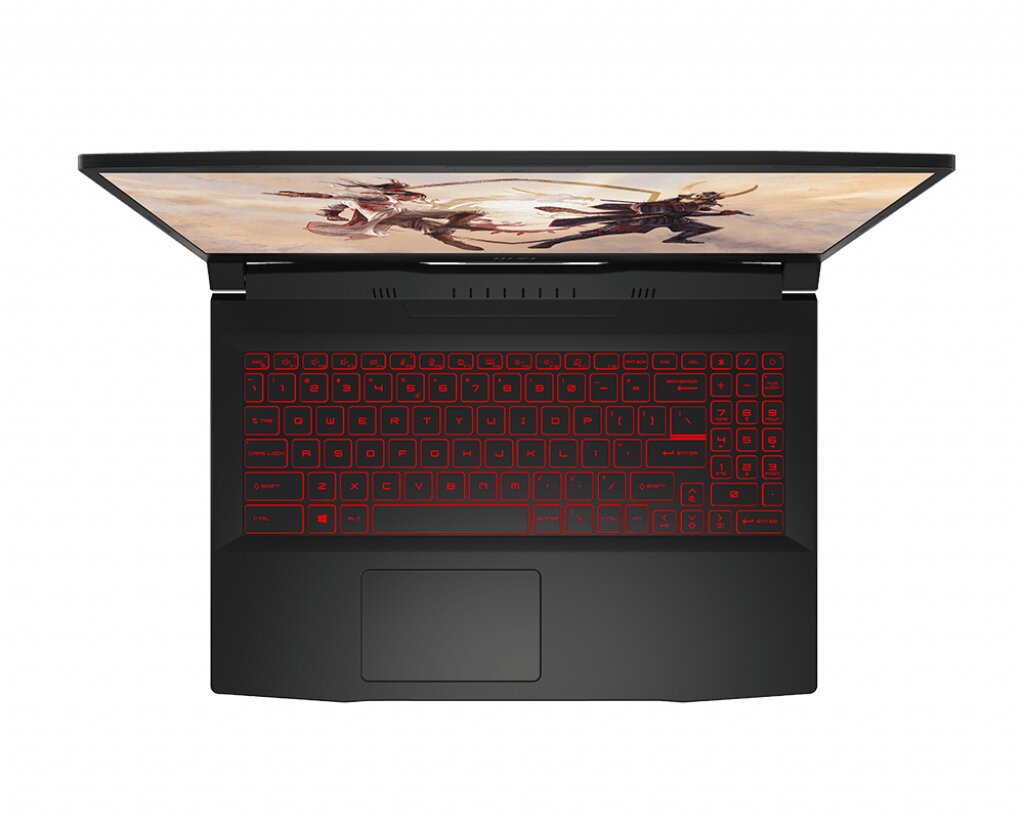
The MSI Katana GF66 12UC-092PT gaming laptop features DDR4-SDRAM memory specifications with 2x SO-DIMM slots for upgrade capacity. The compatible memory operates at 3200 MHz frequency and supports a maximum RAM capacity of 64 GB. This laptop's memory upgrade specifications allow users to expand the existing memory configuration through the two available slots, accommodating standard SO-DIMM modules. The MSI GF66 series gaming model specifications provide upgrade compatibility with DDR4 technology, enabling memory expansion up to the maximum supported capacity for enhanced performance.
Memory Upgrade Specifications
| Specification | Value |
|---|---|
| Memory slots | 2x SO-DIMM |
| Form factor | SO-DIMM |
| Memory type | DDR4-SDRAM |
| Frequency | 3200 MHz |
| Maximum RAM | 64 GB |
| Voltage | 1.2V |
| Number of pins | 260-pin |
| Interface | PC4 |
| PC Speed Rating | PC4-3200 (PC4-25600) |
| Bandwidth | 25.6 GB/s |
| Laptop Release date | 28 October 2022 |
Additional Notes
- The 3200 MHz frequency rating represents the maximum officially supported speed by the chipset, though actual performance depends on CPU memory controller capabilities and BIOS implementation.
- Dual SO-DIMM configuration enables dual-channel operation when populated with matched modules, effectively doubling memory bandwidth compared to single-channel configurations.
- The 64 GB maximum capacity requires two 32 GB modules, which may have limited availability and higher cost per gigabyte compared to smaller density options.
- DDR4-SDRAM backward compatibility allows lower frequency modules to function, but they will operate at the highest common speed supported by all installed modules.
- SO-DIMM form factor indicates standard laptop memory modules measuring 67.6 mm in length, physically incompatible with desktop DIMM modules despite sharing DDR4 specifications.
- User-accessible memory slots on the MSI Katana GF66 12UC-092PT typically preserve manufacturer warranty when upgraded, unlike soldered memory implementations found in ultraportable designs.
- Mixing modules with different capacities or timings remains functional but may force the system to operate at the lowest common denominator for stability.
- The absence of ECC support in standard DDR4-SDRAM means no error correction capabilities, which is typical for consumer gaming platforms prioritizing cost over server-grade reliability.
- Installing capacity beyond 16 GB provides headroom for memory-intensive workloads but shows diminishing performance returns in gaming scenarios that rarely exceed 16 GB utilization.
- Upgrading requires bottom panel removal to access the SO-DIMM slots, positioned beneath the cooling assembly on most gaming laptop architectures.