MSI Gaming Katana GF66 12UC-288NZ RAM upgrade specifications
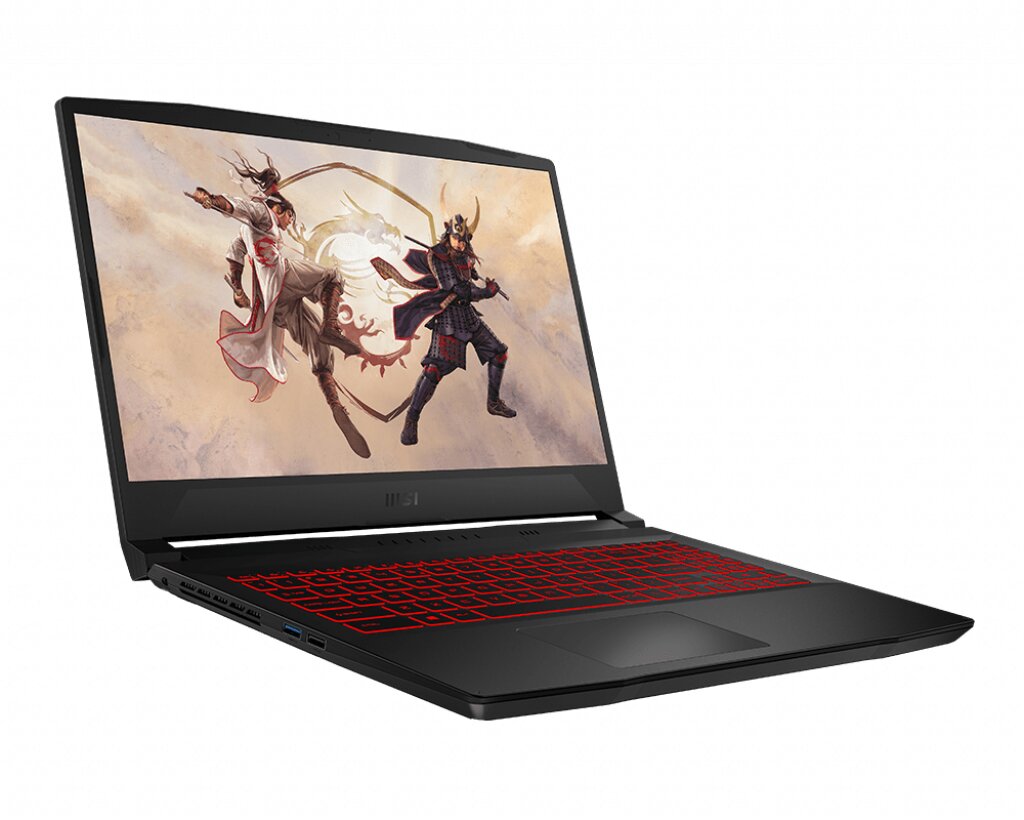
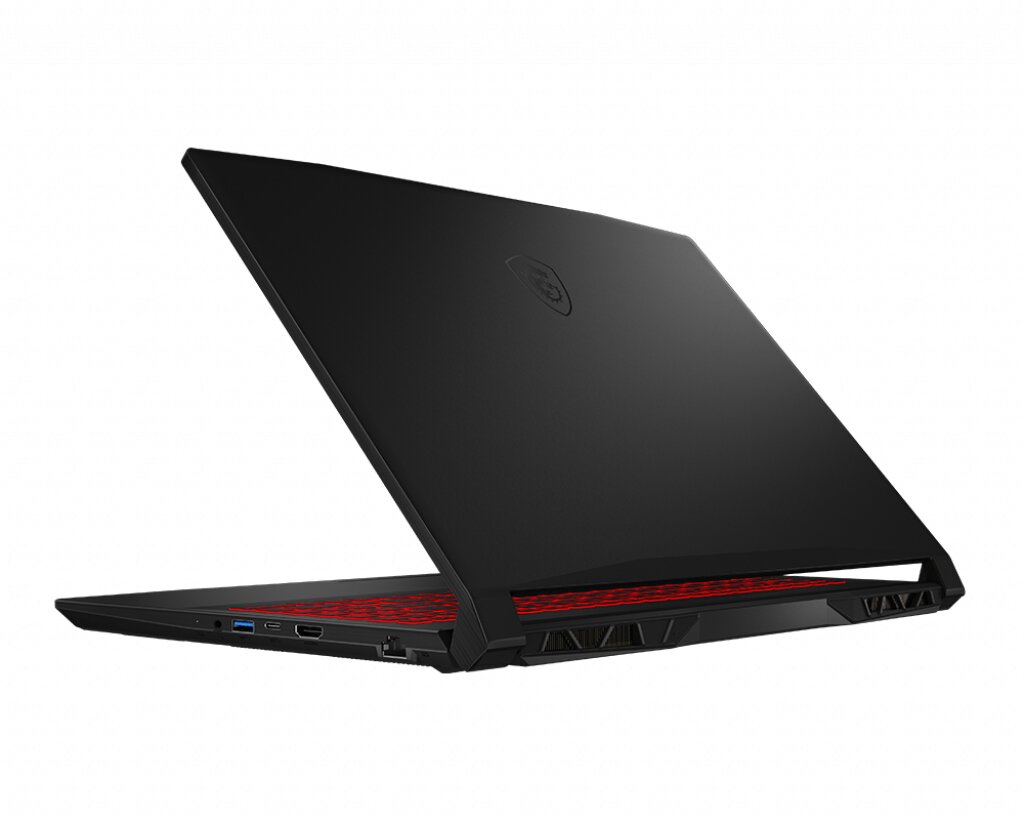
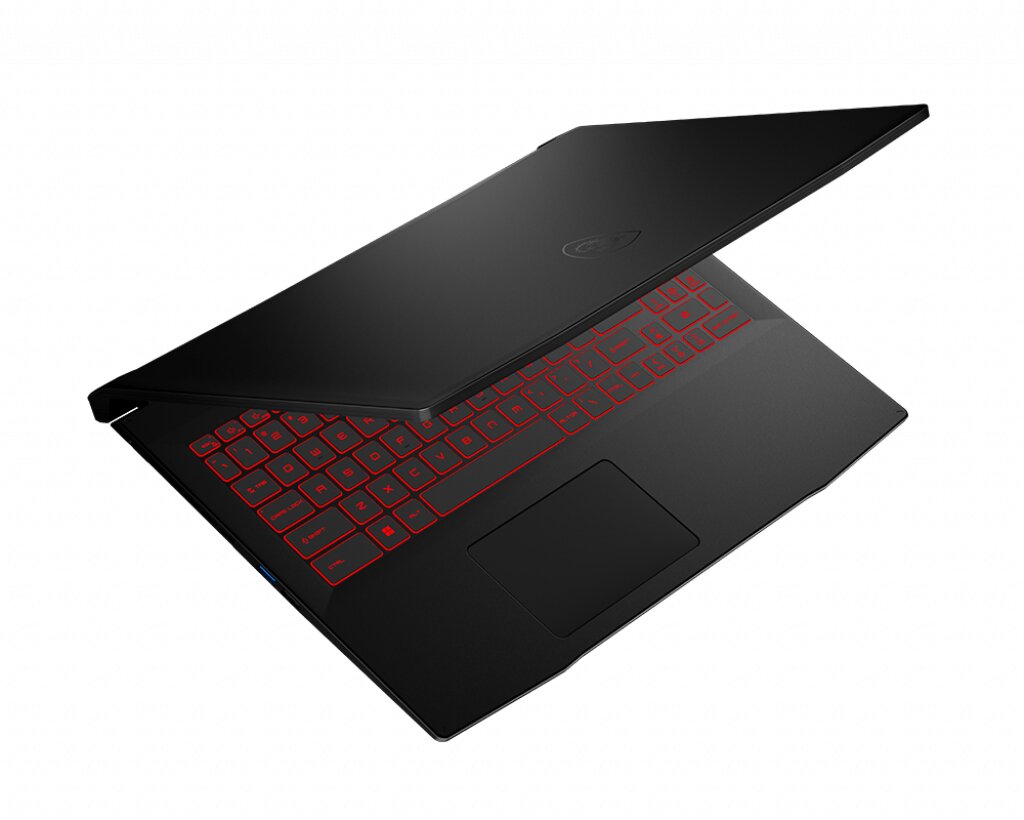
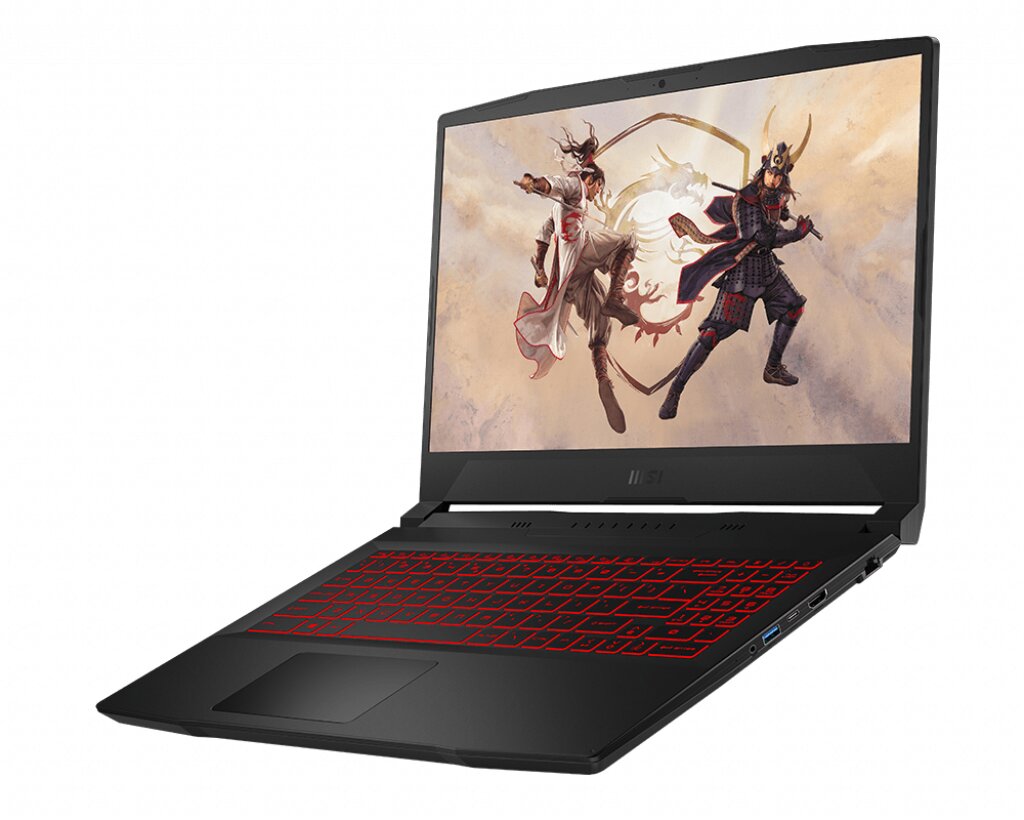
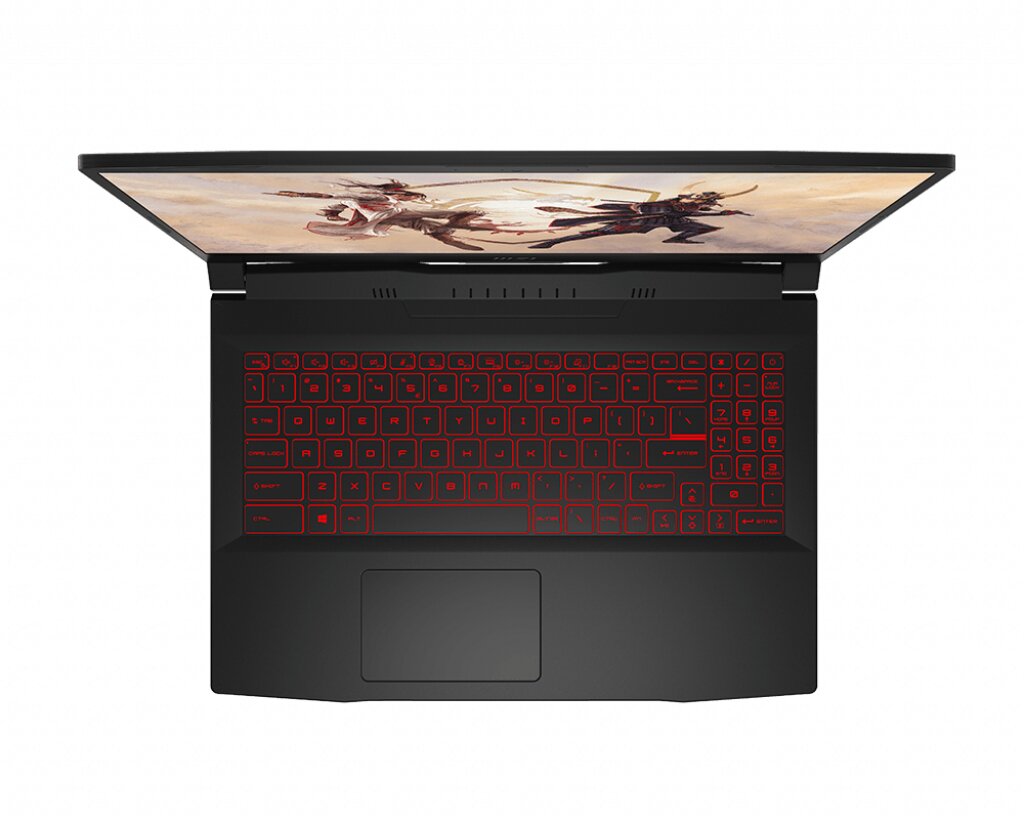
The MSI Katana GF66 12UC-288NZ gaming laptop features two SO-DIMM memory slots supporting DDR4-SDRAM specifications. The maximum RAM upgrade capacity reaches 64 GB total, with compatible modules operating at 3200 MHz frequency. The Katana GF66 Gaming Series supports DDR4 memory upgrades for enhanced multitasking performance. Current memory configurations can be expanded by replacing or supplementing existing SO-DIMM modules. Specifications indicate the GF66 12UC-288NZ model accommodates standard notebook-sized DDR4 memory upgrades within the gaming laptop family architecture.
Memory Upgrade Specifications
| Specification | Value |
|---|---|
| Memory slots | 2x SO-DIMM |
| Form factor | SO-DIMM |
| Memory type | DDR4-SDRAM |
| Frequency | 3200 MHz |
| Maximum RAM | 64 GB |
| Voltage | 1.2V |
| Number of pins | 260-pin |
| Interface | PC4 |
| PC Speed Rating | PC4-3200 (PC4-25600) |
| Bandwidth | 25.6 GB/s |
| Laptop Release date | 02 May 2023 |
Additional Notes
- The 64 GB ceiling reflects chipset and BIOS limitations rather than physical slot constraints, making this the absolute maximum regardless of module density improvements in future DDR4 generations.
- 3200 MHz operation requires JEDEC SPD profile support, as Intel 12th generation mobile platforms typically lock memory multipliers, preventing XMP or manual overclocking attempts that could void coverage.
- SO-DIMM modules rated above 3200 MHz will downclock automatically to match the controller's native specification, offering no performance advantage despite higher cost.
- Dual-channel bandwidth reaches 51.2 GB/s theoretical maximum when both slots contain matching capacity modules, critical for preventing GPU bottlenecks in gaming workloads where the MSI Katana GF66 12UC-288NZ relies on shared system memory bandwidth.
- Mixing modules with different densities or ranks forces the memory controller to operate at the lowest common timings, potentially increasing latency beyond manufacturer specifications for either module.
- Single-rank versus dual-rank architecture affects memory interleaving efficiency, with mismatched configurations reducing available parallelism even when total capacity increases.
- The DDR4 generation prohibits forward compatibility with DDR5 modules due to incompatible voltage requirements, notch positioning, and signaling protocols at the physical layer.
- Thermal constraints within the chassis may throttle sustained memory-intensive operations before reaching advertised speeds if airflow around SO-DIMM slots becomes restricted by aftermarket cooling modifications.
- Access to memory slots may require complete bottom panel removal and potential keyboard assembly displacement, introducing risk of cable connector damage during installation without proper service documentation.
- Warranty preservation depends on using non-conductive tools and avoiding contact with adjacent SMD components during module seating, as bent pins or PCB stress fractures constitute user-caused damage.