MSI Gaming Katana GF66 12UD-436 RAM upgrade specifications

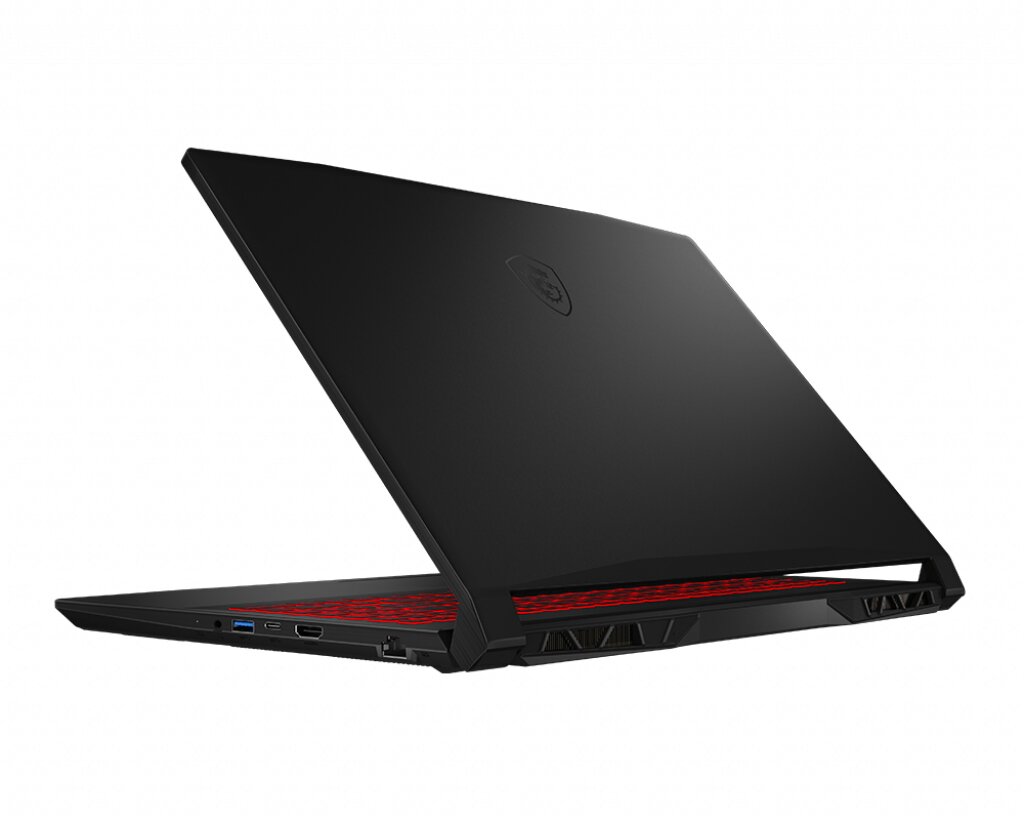
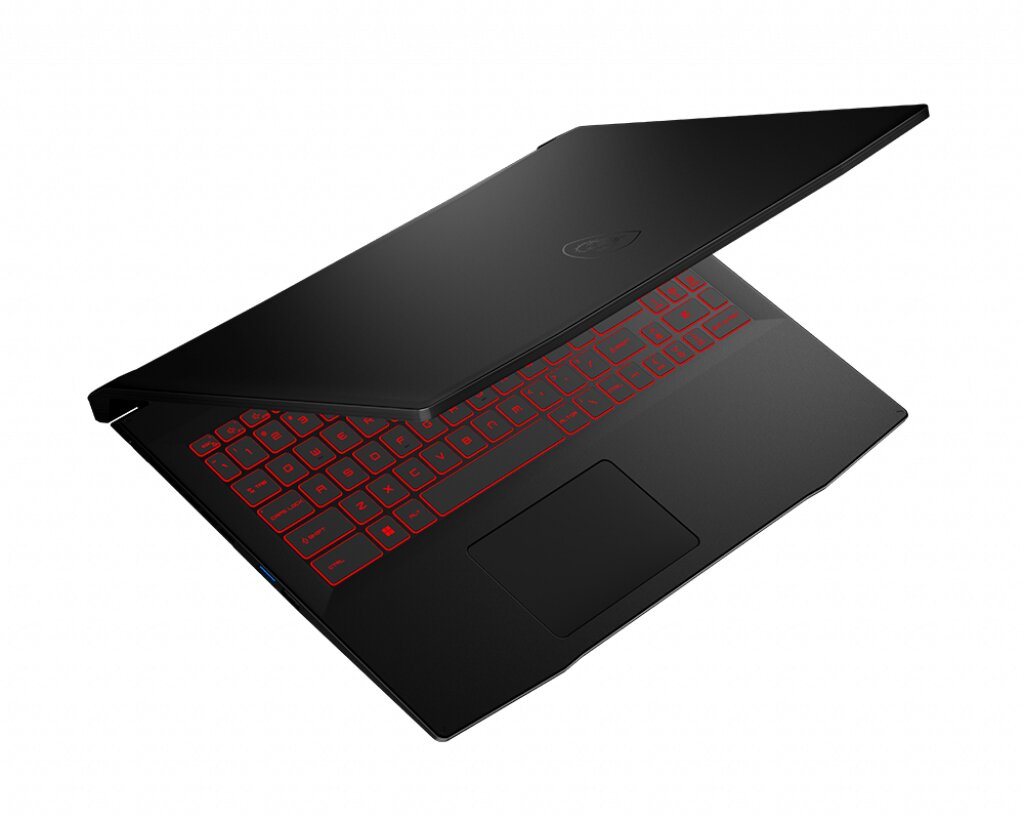

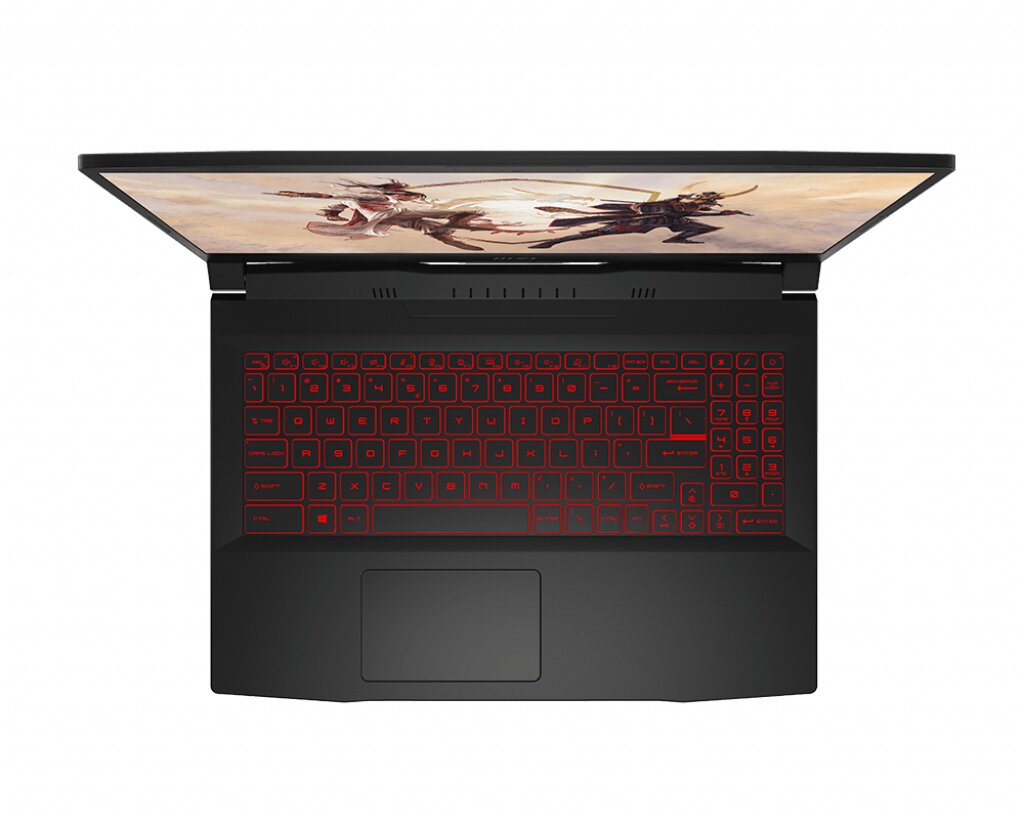
The MSI Katana GF66 12UD-436 gaming laptop features two SO-DIMM memory slots supporting DDR4-SDRAM upgrade specifications. Maximum RAM capacity reaches 64 GB total, with compatible modules operating at 3200 MHz frequency. The Gaming GF series supports memory upgrades through dual SO-DIMM slots, enabling users to expand system memory beyond factory configuration. Specifications indicate DDR4 technology compatibility for RAM enhancement on the Katana GF66 12UD-436 model.
Memory Upgrade Specifications
| Specification | Value |
|---|---|
| Memory slots | 2x SO-DIMM |
| Form factor | SO-DIMM |
| Memory type | DDR4-SDRAM |
| Frequency | 3200 MHz |
| Maximum RAM | 64 GB |
| Voltage | 1.2V |
| Number of pins | 260-pin |
| Interface | PC4 |
| PC Speed Rating | PC4-3200 (PC4-25600) |
| Bandwidth | 25.6 GB/s |
| Laptop Release date | 03 May 2023 |
Additional Notes
- The MSI Katana GF66 12UD-436 supports DDR4-3200 memory, which matches the native frequency of 12th-generation Intel processors but will not benefit from DDR5 performance gains available in newer platform generations.
- Dual SO-DIMM architecture creates a single-point-of-failure constraint; loss of one module results in complete system non-functionality rather than degraded operation with a single module active.
- The 64 GB maximum capacity combined with 2 slots indicates each slot accommodates 32 GB modules, making partial upgrades from stock configuration inefficient since both slots must be populated to reach maximum capacity.
- SO-DIMM form factor requires the system to be partially disassembled for memory access, typically necessitating bottom-panel removal and potential disconnection of internal cabling depending on thermal solution design.
- Memory channel bandwidth ceiling reaches approximately 51.2 GB/s under dual-channel operation at 3200 MHz, which will become insufficient as integrated GPU workloads and CPU cache requirements increase in future software optimization.
- Non-ECC memory type prevents error correction, meaning transient bit corruption from voltage variance or thermal stress cannot be detected or automatically corrected by hardware mechanisms.
- Compatibility requires verification that replacement modules match voltage specifications (typically 1.2V for DDR4-3200) and timing profiles, as some third-party modules may not initialize correctly despite matching frequency ratings.
- BIOS-level memory speed configuration options determine actual operational frequency; the system may require manual timing adjustments if mixed-capacity modules are installed, preventing the option of asymmetrical configurations.