MSI Gaming Katana GF76 11UE-271 RAM upgrade specifications


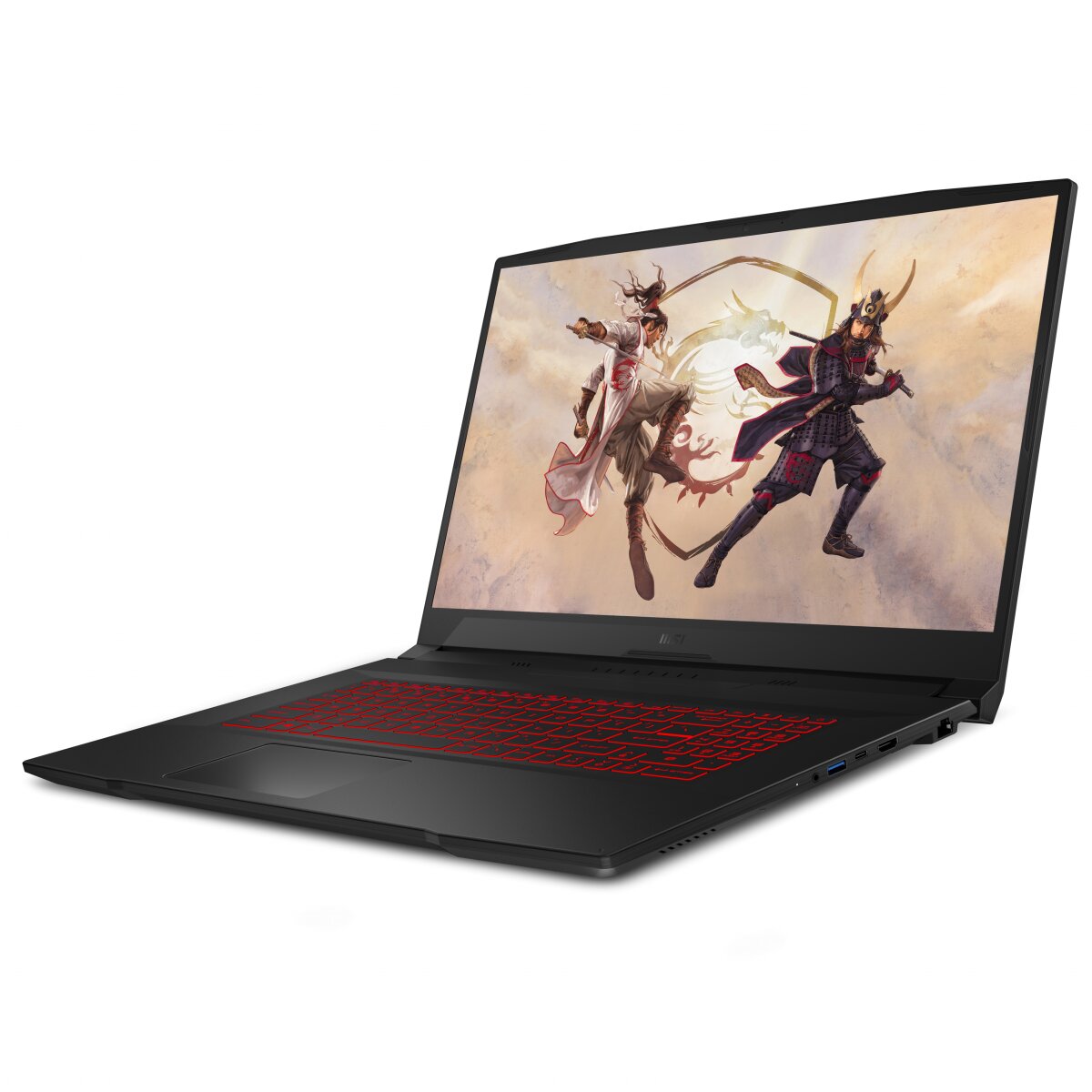

The MSI Katana GF76 11UE-271 gaming laptop accommodates DDR4-SDRAM memory upgrades through two SO-DIMM slots. Specifications indicate maximum RAM capacity reaches 64 GB, with compatible memory operating at 3200 MHz frequency. Upgrade options support SO-DIMM form factor modules, enabling users to expand the system's memory configuration for enhanced multitasking and performance capabilities within the GF series gaming family specifications.
Memory Upgrade Specifications
| Specification | Value |
|---|---|
| Memory slots | 2x SO-DIMM |
| Form factor | SO-DIMM |
| Memory type | DDR4-SDRAM |
| Frequency | 3200 MHz |
| Maximum RAM | 64 GB |
| Voltage | 1.2V |
| Number of pins | 260-pin |
| Interface | PC4 |
| PC Speed Rating | PC4-3200 (PC4-25600) |
| Bandwidth | 25.6 GB/s |
| Laptop Release date | 19 April 2023 |
Additional Notes
- The MSI Katana GF76 11UE-271 supports dual-channel memory architecture, which delivers approximately double the bandwidth compared to single-module configurations when both SO-DIMM slots are populated with matched modules.
- DDR4-3200 represents the Joint Electron Device Engineering Council (JEDEC) standard speed tier, requiring no BIOS configuration or XMP profile activation for rated performance.
- The 64 GB maximum capacity indicates compatibility with 32 GB individual SO-DIMM modules, though such high-density modules typically carry premium pricing compared to 16 GB alternatives.
- Memory installed must operate within SO-DIMM 260-pin physical specifications, which differ dimensionally from standard desktop DIMM modules and prevent cross-platform installation.
- The 11th generation Intel platform enforces strict voltage requirements, typically 1.2V for DDR4 SO-DIMMs, with non-standard voltage modules risking boot failures or system instability.
- Mixing modules with different latency timings forces the memory controller to operate all installed RAM at the slowest common specifications, potentially degrading performance below 3200 MHz rated speeds.
- Access to SO-DIMM slots on this chassis typically requires bottom panel removal, which may affect manufacturer warranty status depending on regional service policies and visible tamper indicators.
- The memory controller integrated within 11th generation Intel processors determines actual operational frequency, which may default to lower JEDEC standard speeds if modules lack proper SPD programming.
- Installing modules exceeding the chipset's supported rank configuration per slot can result in POST failures, even when total capacity remains within the 64 GB ceiling.
- Thermal considerations within gaming laptop enclosures favor modules without tall heat spreaders, as SO-DIMM installation areas often have minimal vertical clearance between the RAM and internal components.