MSI Gaming Katana GF76 12UC-275AU RAM upgrade specifications
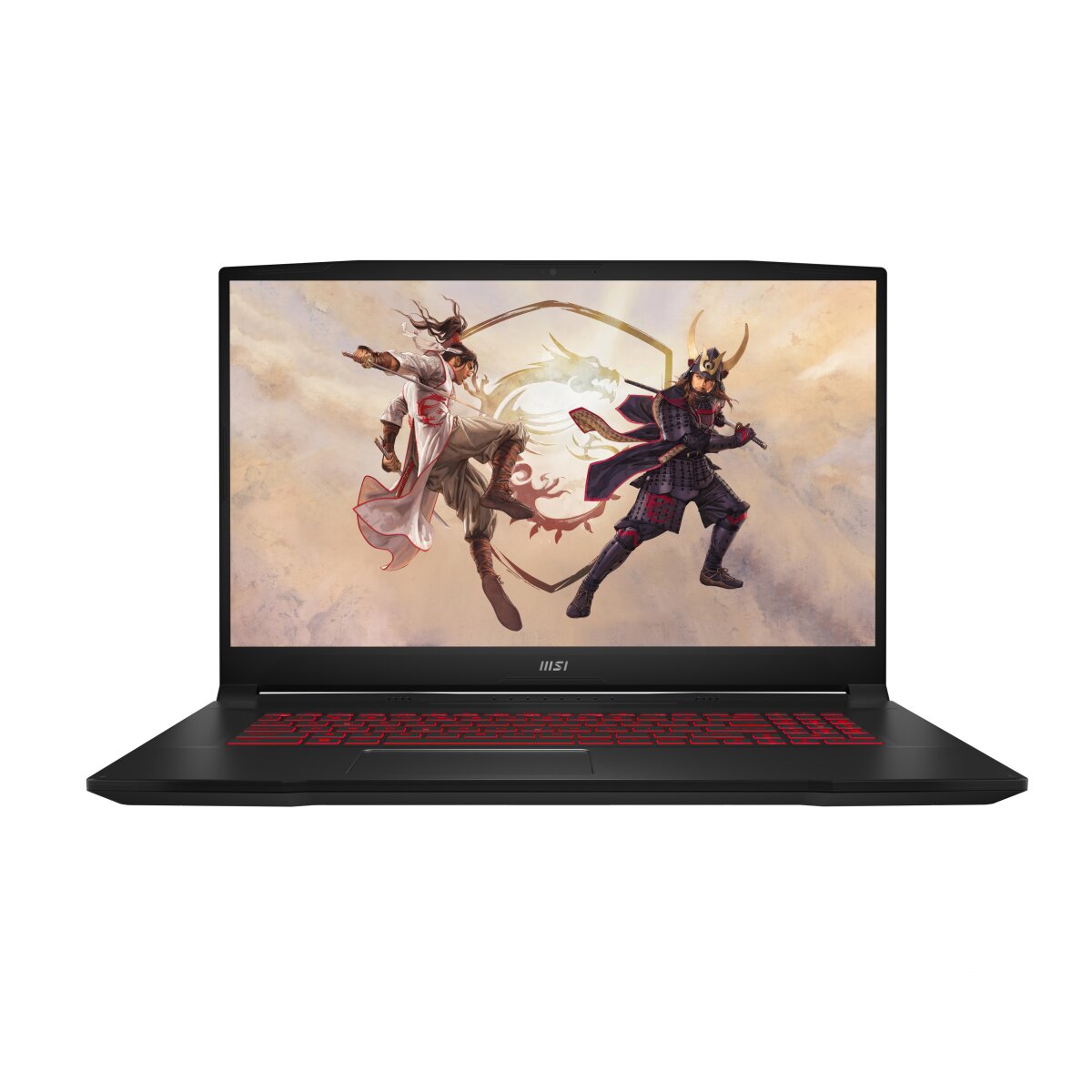
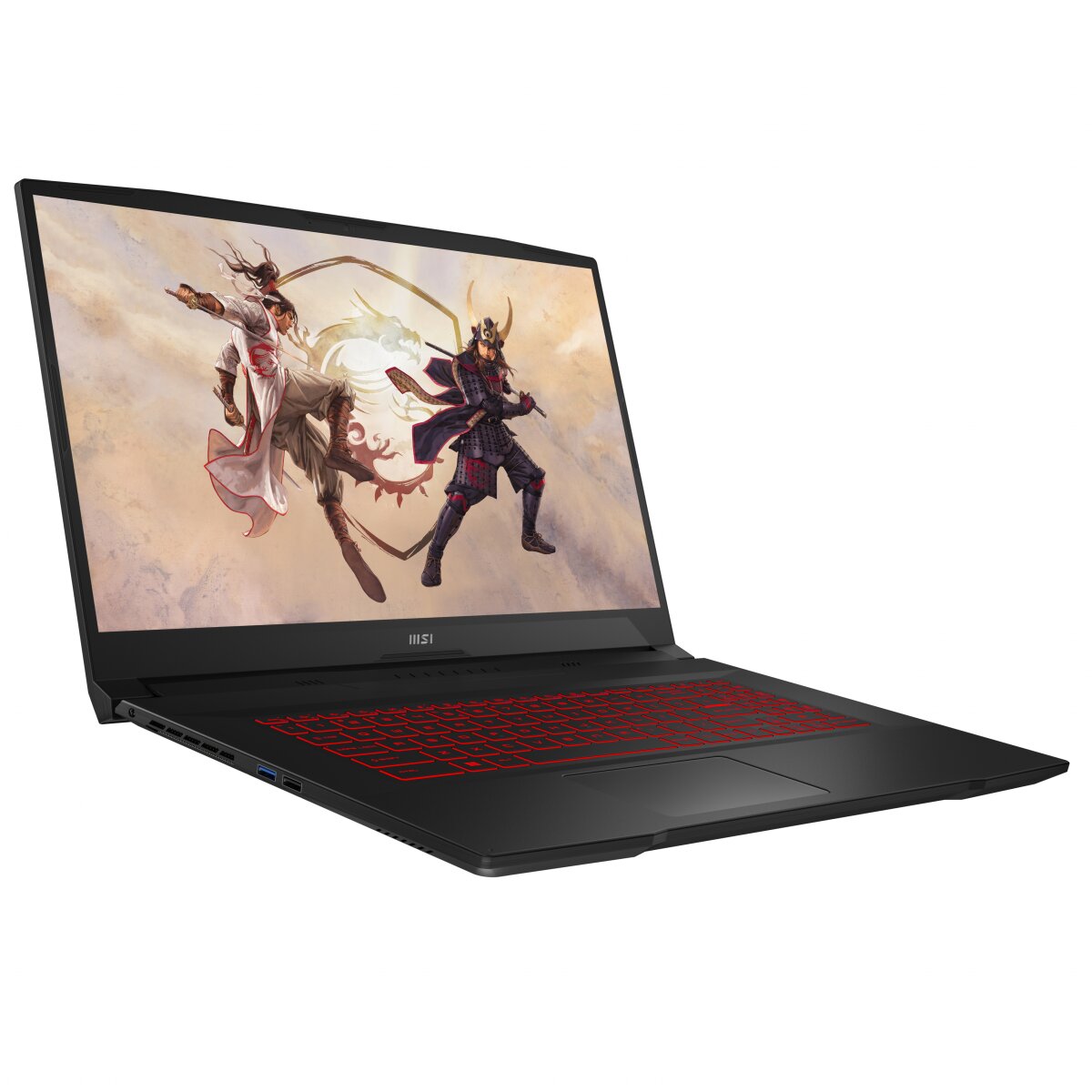
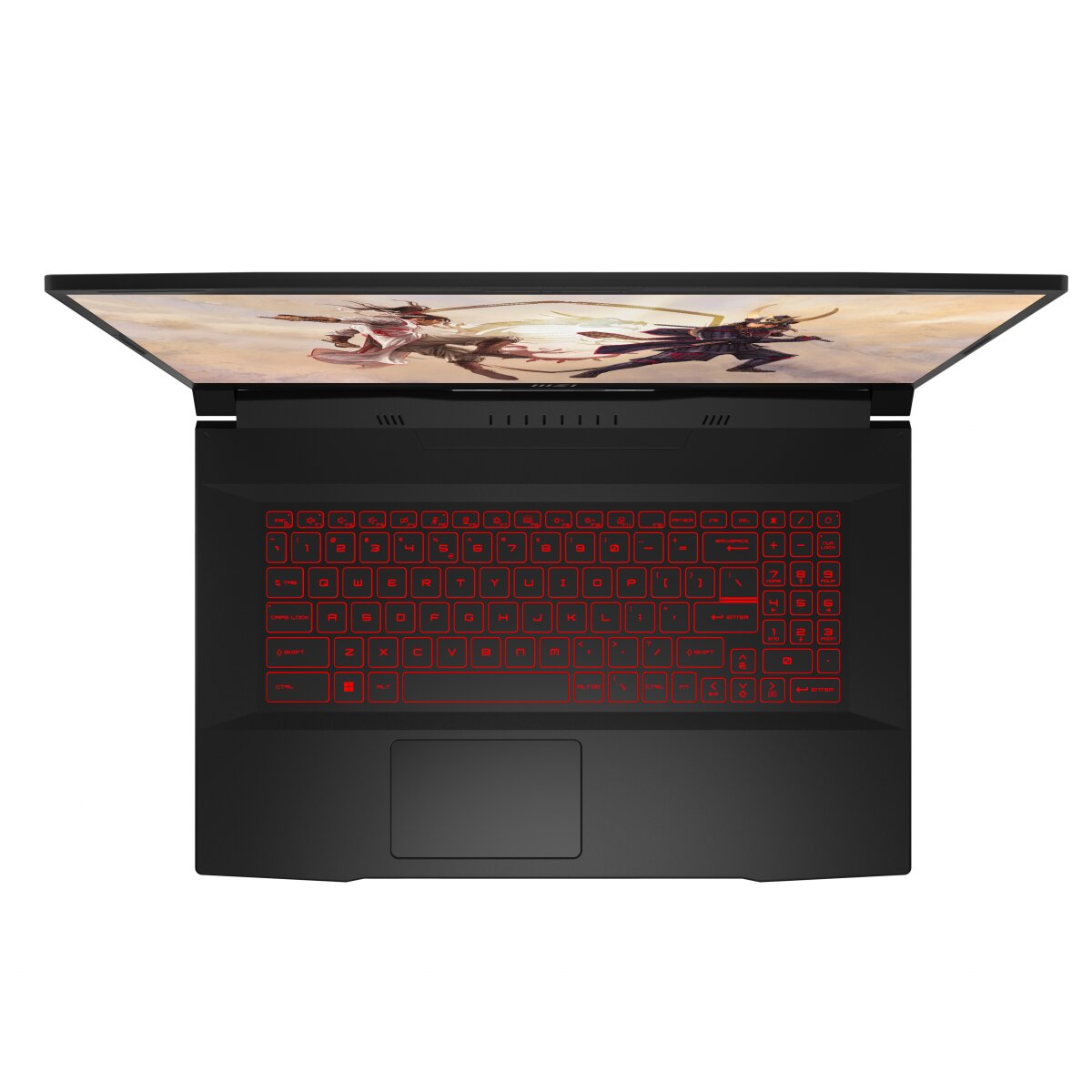
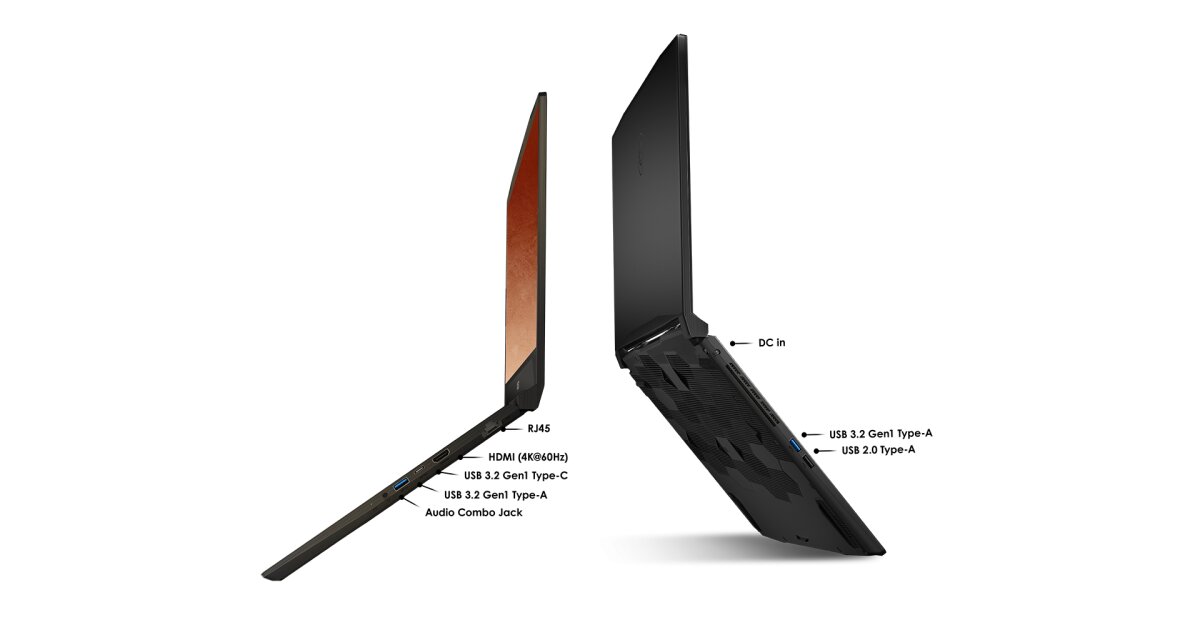
The MSI Katana GF76 12UC-275AU Gaming series laptop features two SO-DIMM memory slots for DDR4-SDRAM upgrade capacity. This model supports maximum RAM specifications of 64 GB total memory, operating at 3200 MHz frequency. Compatible RAM upgrades utilize the SO-DIMM form factor, allowing users to expand the existing memory configuration for enhanced system performance. The Katana GF76 12UC-275AU accepts DDR4 memory modules in either single or dual configurations within the available slots.
Memory Upgrade Specifications
| Specification | Value |
|---|---|
| Memory slots | 2x SO-DIMM |
| Form factor | SO-DIMM |
| Memory type | DDR4-SDRAM |
| Frequency | 3200 MHz |
| Maximum RAM | 64 GB |
| Voltage | 1.2V |
| Number of pins | 260-pin |
| Interface | PC4 |
| PC Speed Rating | PC4-3200 (PC4-25600) |
| Bandwidth | 25.6 GB/s |
| Laptop Release date | 03 May 2023 |
Additional Notes
- The MSI Katana GF76 12UC-275AU supports dual-channel memory architecture through its 2 SO-DIMM slots, enabling double the theoretical bandwidth compared to single-channel configurations when matched modules are installed.
- DDR4-3200 represents the maximum officially supported frequency, though actual operating speed may default to lower JEDEC standards unless XMP profiles are enabled in BIOS.
- The 64 GB maximum capacity indicates compatibility with 32 GB modules per slot, requiring careful verification of rank configuration as some high-density modules may face stability issues.
- SO-DIMM form factor restricts compatibility to laptop-specific modules measuring 67.6 mm in length, excluding standard desktop DIMM modules which are physically incompatible.
- Memory timing specifications beyond frequency will directly impact latency performance, with CL22 being standard for DDR4-3200 SO-DIMMs while tighter CL20 or CL19 variants may offer marginal performance gains.
- Operating voltage typically standardized at 1.2V for DDR4 modules ensures power efficiency and thermal management within laptop chassis constraints.
- Mixing modules with different speeds will force all installed memory to operate at the lowest common frequency, potentially underutilizing faster modules.
- The chipset-imposed 3200 MHz ceiling means DDR4-3600 or higher frequency modules will downclock automatically, offering no performance advantage despite higher cost.
- Dual-rank modules may provide slight performance improvements in memory-intensive workloads compared to single-rank configurations, though compatibility should be verified for specific capacities.
- Non-ECC unbuffered modules are required, as server-grade ECC or registered memory types will not function in consumer laptop platforms.
- Access to memory slots typically requires bottom panel removal, with procedures potentially affecting warranty status if manufacturer seals are broken.
- Asymmetric configurations pairing different capacity modules will still enable dual-channel operation up to the capacity of the smaller module, with excess capacity reverting to single-channel mode.