MSI Gaming Katana GF76 12UC-091PT RAM upgrade specifications
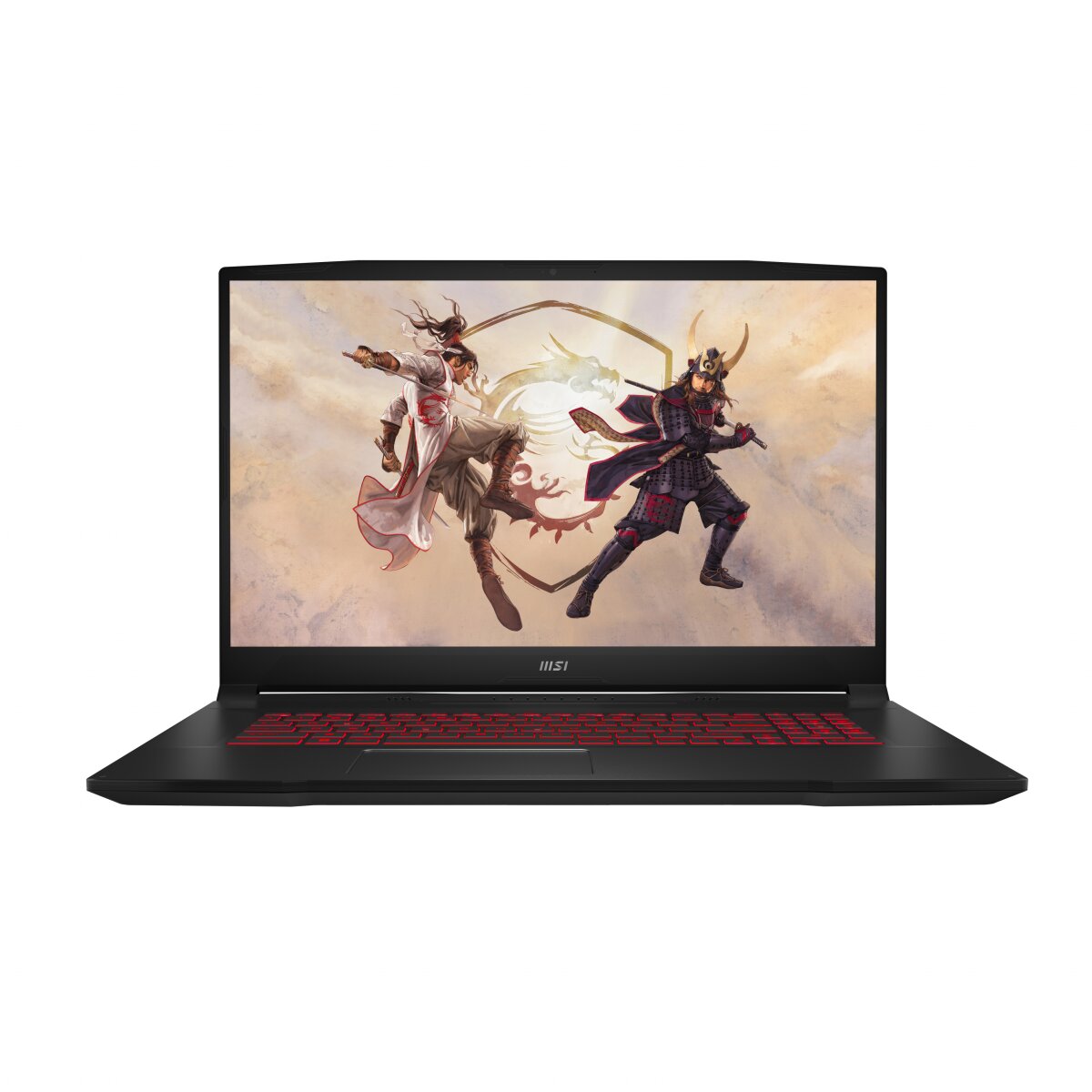
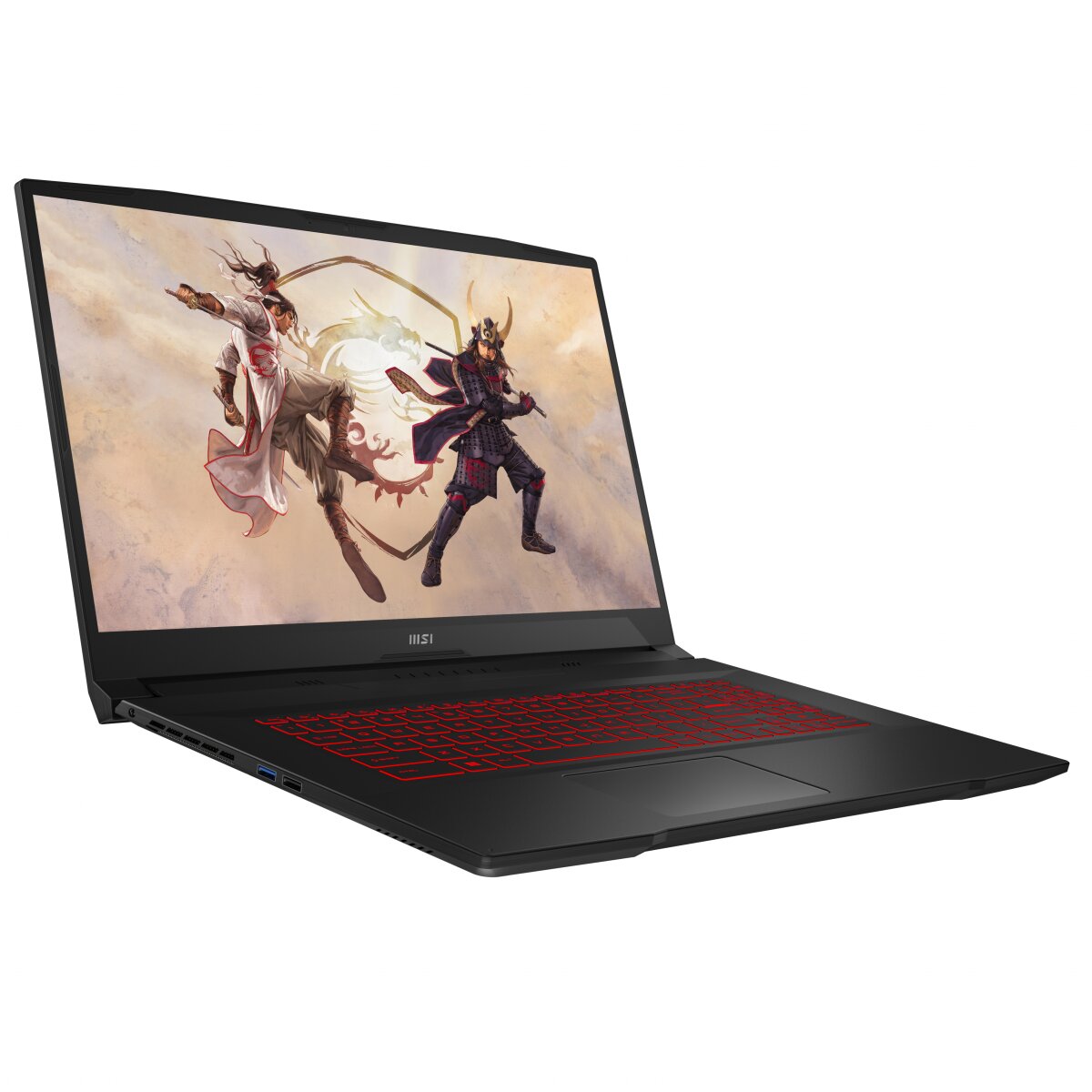
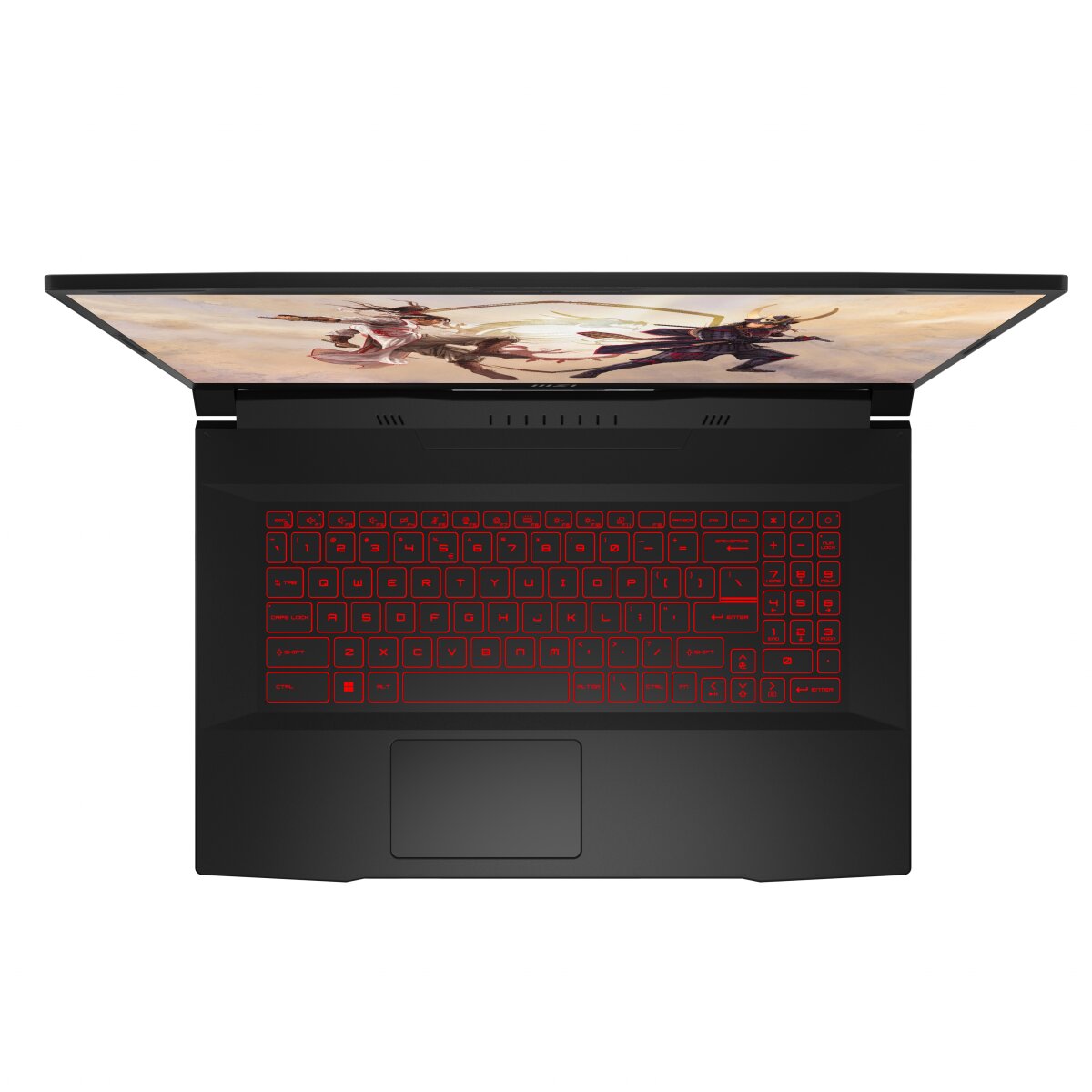
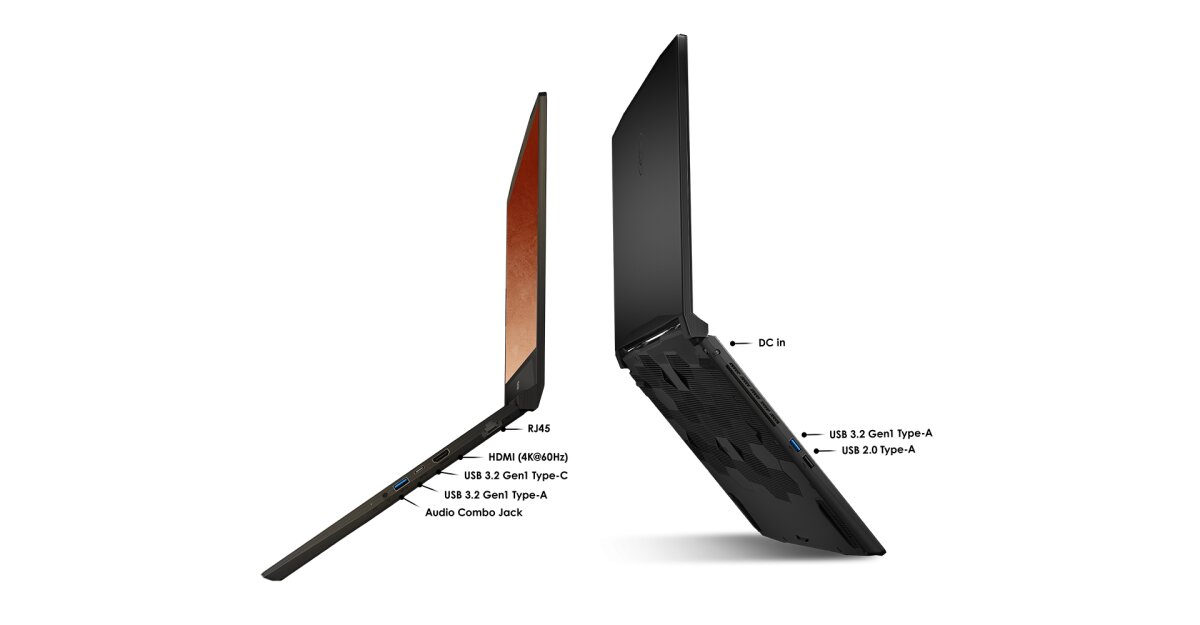
MSI Katana GF76 12UC-091PT gaming laptop features DDR4-SDRAM memory upgrade specifications. The system includes 2x SO-DIMM slots for memory expansion, supporting SO-DIMM form factor modules. Maximum compatible RAM capacity reaches 64 GB total. Memory specifications indicate DDR4-3200 MHz frequency support. Upgrade options allow installation of additional DDR4 modules into available slots to enhance system performance. The Katana GF76 gaming series specifications accommodate standard DDR4 memory configurations for users requiring increased RAM capacity.
Memory Upgrade Specifications
| Specification | Value |
|---|---|
| Memory slots | 2x SO-DIMM |
| Form factor | SO-DIMM |
| Memory type | DDR4-SDRAM |
| Frequency | 3200 MHz |
| Maximum RAM | 64 GB |
| Voltage | 1.2V |
| Number of pins | 260-pin |
| Interface | PC4 |
| PC Speed Rating | PC4-3200 (PC4-25600) |
| Bandwidth | 25.6 GB/s |
| Laptop Release date | 25 April 2023 |
Additional Notes
- The MSI Katana GF76 12UC-091PT supports a maximum memory capacity that requires two 32 GB modules, which may carry a price premium compared to smaller density configurations.
- Memory operating at 3200 MHz falls within JEDEC DDR4 standard specifications, ensuring broad module compatibility without requiring XMP profile activation.
- The SO-DIMM form factor dictates that standard desktop DIMM modules are physically incompatible and cannot be installed regardless of electrical specifications.
- Both memory slots must be populated with matched modules to enable dual-channel operation, which doubles the effective memory bandwidth available to the integrated graphics processor and CPU.
- Installing a single module will result in single-channel mode, reducing memory bandwidth by approximately 50% and potentially creating performance bottlenecks in graphics-intensive applications.
- The 64 GB ceiling may limit future-proofing for professional workloads such as 4K video editing, virtual machine hosting, or large-scale data processing that increasingly demands 128 GB or higher capacity.
- Modules rated above 3200 MHz will function but automatically downclock to the supported frequency, providing no performance advantage while potentially increasing cost.
- DDR5 modules are electrically and physically incompatible with this DDR4 platform, making cross-generation upgrades impossible without motherboard replacement.
- Mixing modules with different latencies or voltage specifications may force the system to operate at the slower module's timings, degrading overall performance.
- The 12th generation Intel platform in this model typically requires DDR4 modules operating at 1.2V standard voltage rather than low-voltage DDR4L variants for optimal stability.
- Memory access in this configuration shares thermal constraints with nearby CPU and GPU components, making module height a consideration to avoid interference with cooling solutions.