MSI Gaming Katana GF76 12UC-415PL RAM upgrade specifications



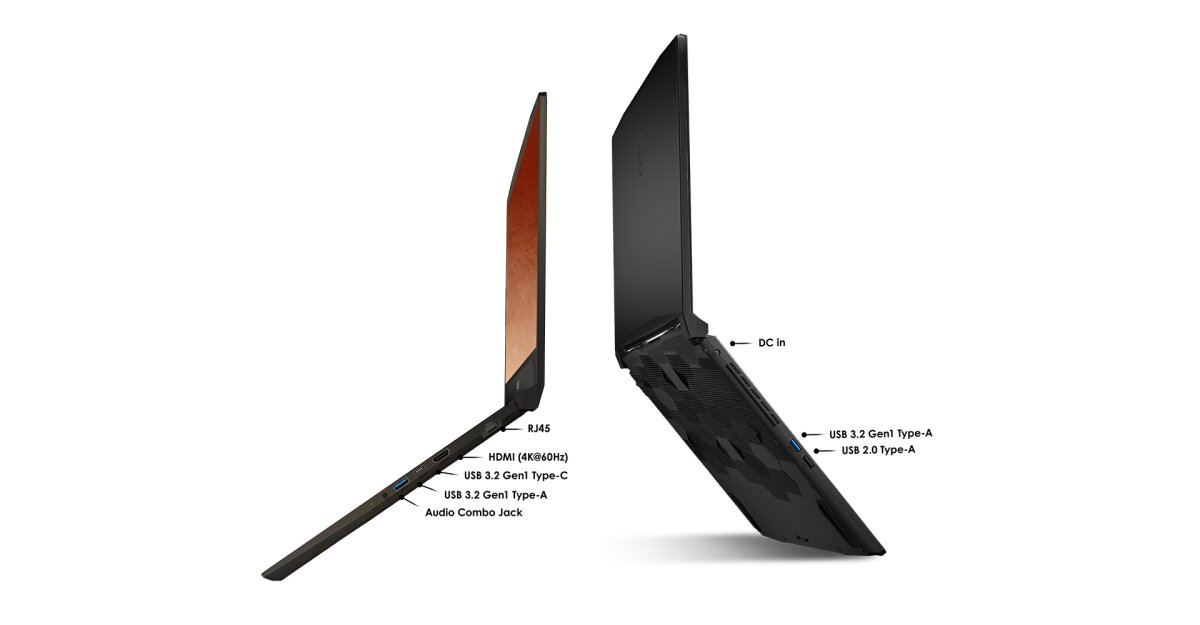
MSI Katana GF76 12UC-415PL gaming laptop supports DDR4-SDRAM memory upgrades through two SO-DIMM slots. Maximum RAM capacity reaches 64 GB total, with compatible modules operating at 3200 MHz frequency. Memory form factor utilizes SO-DIMM specifications. Current upgrade slots enable configuration of additional memory capacity to enhance system performance for gaming and multitasking operations. RAM specifications ensure compatibility with existing motherboard architecture in the Katana GF series gaming platform.
Memory Upgrade Specifications
| Specification | Value |
|---|---|
| Memory slots | 2x SO-DIMM |
| Form factor | SO-DIMM |
| Memory type | DDR4-SDRAM |
| Frequency | 3200 MHz |
| Maximum RAM | 64 GB |
| Voltage | 1.2V |
| Number of pins | 260-pin |
| Interface | PC4 |
| PC Speed Rating | PC4-3200 (PC4-25600) |
| Bandwidth | 25.6 GB/s |
| Laptop Release date | 01 June 2023 |
Additional Notes
- The dual SO-DIMM configuration enables symmetric memory channel operation, which benefits gaming performance when populated with matched capacity modules.
- DDR4-3200 represents the native JEDEC speed for this platform, eliminating the need for XMP profile activation or BIOS configuration changes during installation.
- The 64 GB ceiling requires 32 GB modules per slot, which limits density options to double-rank configurations that may introduce minor latency penalties compared to single-rank alternatives.
- SO-DIMM physical constraints restrict heat spreader height to approximately 30 mm, preventing the use of desktop-class cooling solutions on memory modules.
- The MSI Katana GF76 12UC-415PL maintains warranty coverage when users replace factory-installed memory, provided the modules meet DDR4 SO-DIMM voltage specifications of 1.2V.
- Mixing modules with different speeds results in automatic downclocking to the lowest common frequency, potentially underutilizing the 3200 MHz capability of the memory controller.
- The absence of ECC support in standard DDR4-SDRAM configurations means bit-level error correction remains unavailable regardless of module selection.
- Upgrading from single-channel to dual-channel operation can yield bandwidth increases approaching 100 percent in memory-intensive applications and integrated graphics workloads.
- CAS latency values between CL19 and CL22 at 3200 MHz fall within expected ranges for this platform, with minimal real-world performance variation across this spectrum.
- The 3200 MHz frequency ceiling means modules rated for 3600 MHz or higher will operate at reduced speeds without providing tangible benefits over native 3200 MHz variants.