MSI Gaming Katana GF76 12UD-222FR RAM upgrade specifications



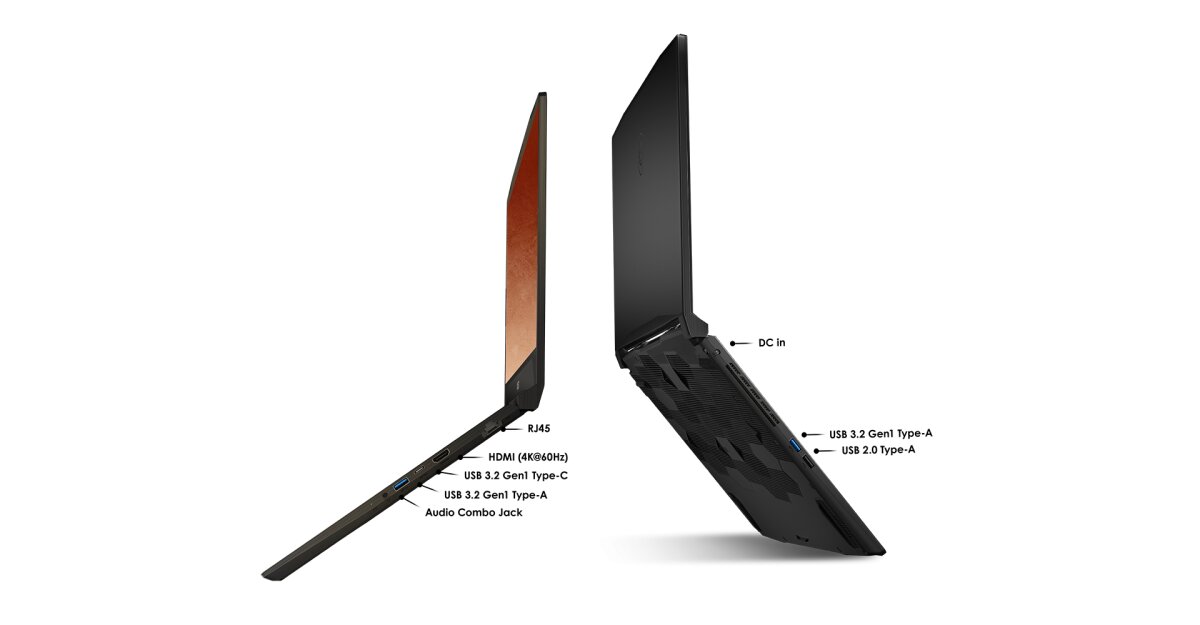
The MSI Katana GF76 12UD-222FR gaming laptop features DDR4-SDRAM memory with two SO-DIMM slots available for RAM upgrades. The maximum supported capacity reaches 64 GB total, with compatible modules operating at 3200 MHz frequency. Current specifications and upgrade pathways enable users to expand memory configurations according to system requirements. The GF series gaming laptop supports standard SO-DIMM form factor modules, allowing flexible memory expansion within the stated maximum capacity limitations.
Memory Upgrade Specifications
| Specification | Value |
|---|---|
| Memory slots | 2x SO-DIMM |
| Form factor | SO-DIMM |
| Memory type | DDR4-SDRAM |
| Frequency | 3200 MHz |
| Maximum RAM | 64 GB |
| Voltage | 1.2V |
| Number of pins | 260-pin |
| Interface | PC4 |
| PC Speed Rating | PC4-3200 (PC4-25600) |
| Bandwidth | 25.6 GB/s |
| Laptop Release date | 19 April 2023 |
Additional Notes
- DDR4-3200 modules are commodity components with broad vendor availability, reducing procurement risk for replacement or upgrade operations.
- The 2-slot SO-DIMM configuration on the MSI Katana GF76 12UD-222FR requires complete module replacement to exceed current capacity, as slot density cannot be increased through substitution alone.
- Dual-channel memory architecture depends on matched module pairs; asymmetric configurations (mismatched capacity or speed) will default to the slower module's timing specification, creating potential performance regression.
- The 64 GB ceiling indicates 32 GB per slot maximum compatibility; modules beyond this threshold will not be recognized by the firmware controller.
- SO-DIMM form factor mandates laptop-specific modules; desktop DDR4 DIMMs are physically incompatible and cannot be adapted without external enclosures that violate thermal design specifications.
- 3200 MHz rated speed assumes proper BIOS configuration; systems shipped with conservative defaults may require manual frequency adjustment in firmware settings to realize rated bandwidth, introducing performance variance across identical hardware configurations.
- Warranty preservation requires sourcing modules from manufacturer-approved vendor lists or meeting OEM specifications exactly; third-party modules may trigger hardware verification blocks during BIOS POST, resulting in non-fatal but persistent warning states.
- Memory controller integration within the CPU (12th-gen Intel architecture) means latency is fixed by silicon design; clock speed increases alone cannot reduce access times, limiting real-world performance gains beyond 3200 MHz in bandwidth-constrained workloads.