MSI Gaming THIN GF63 11UC-1094AU RAM upgrade specifications
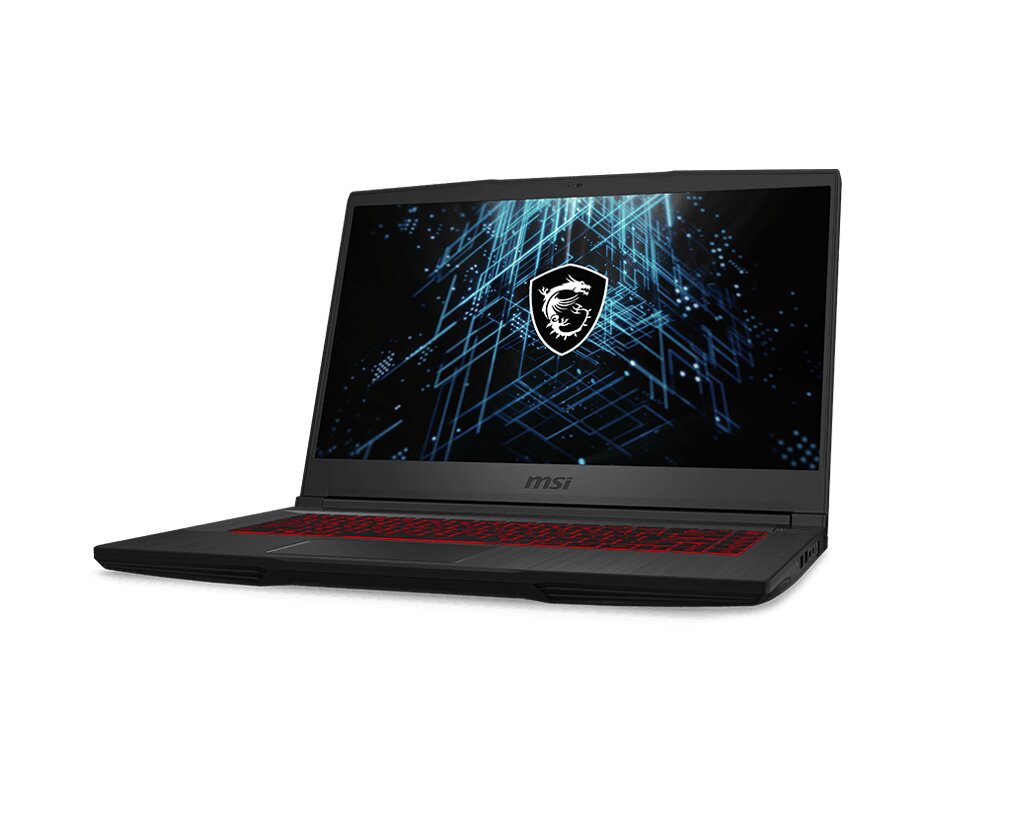
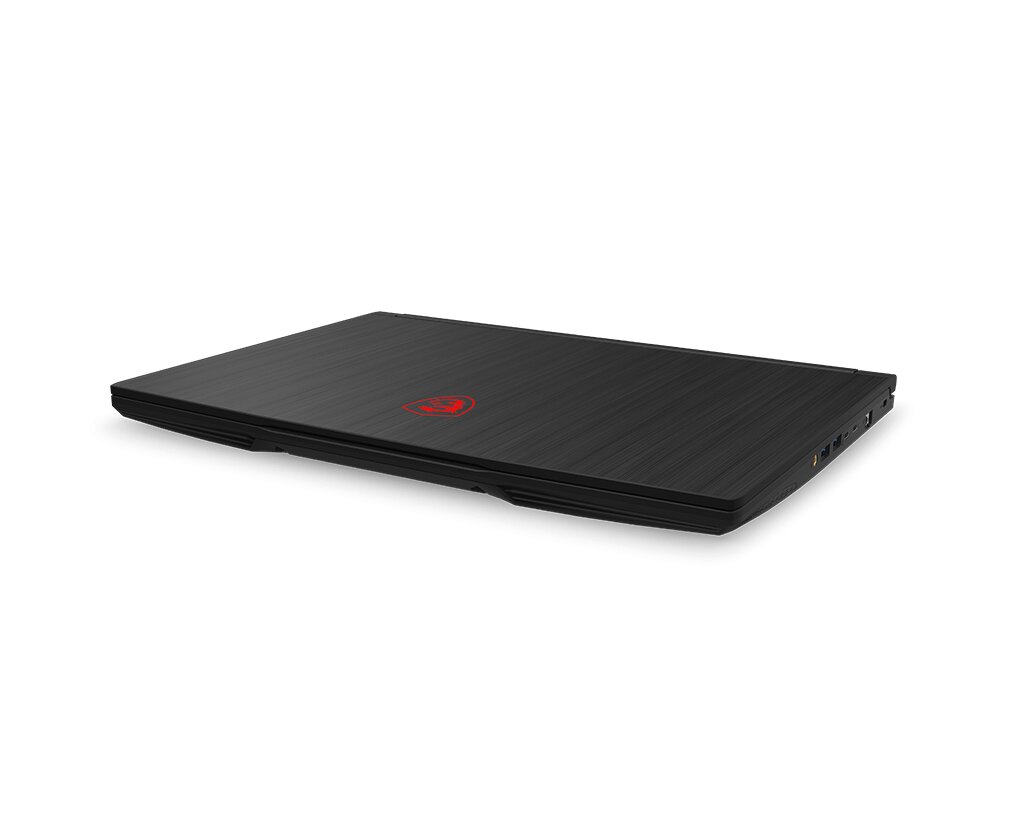
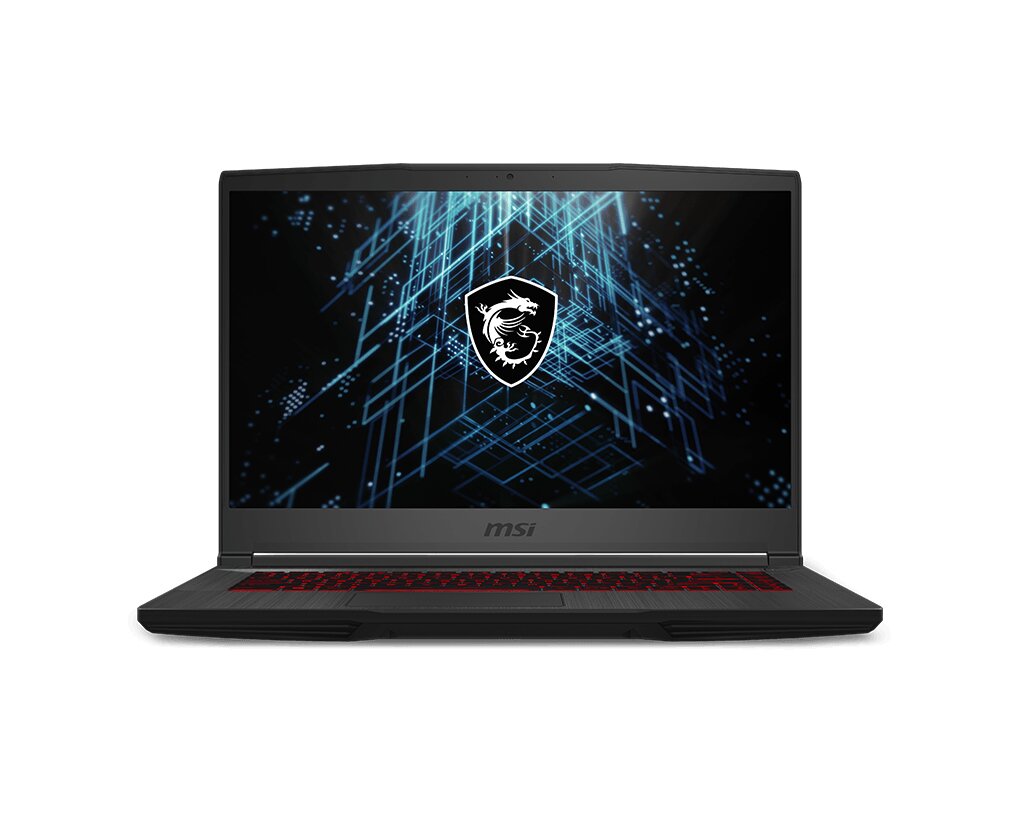
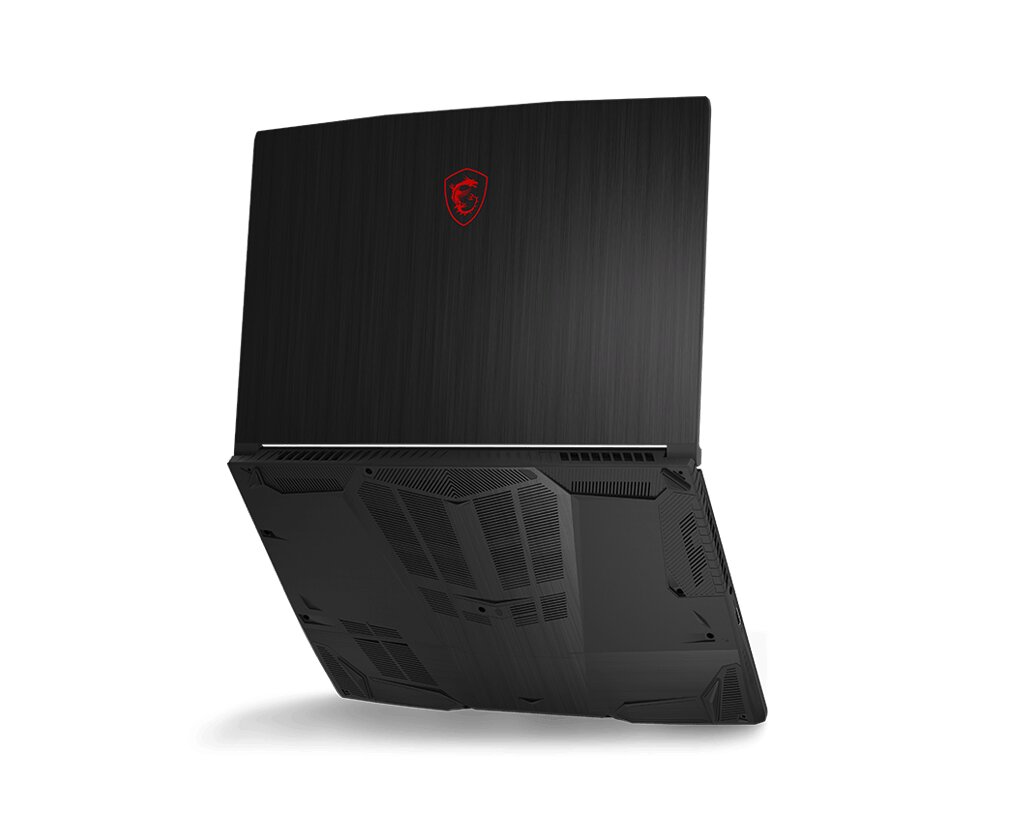
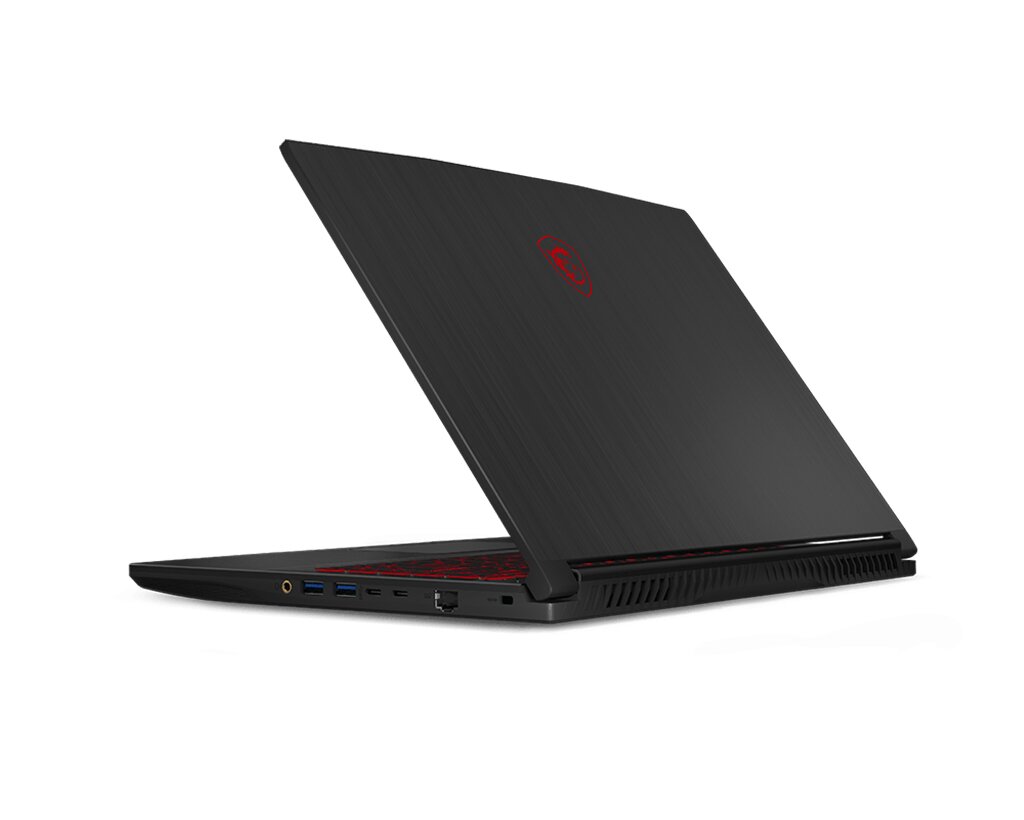
MSI THIN GF63 11UC-1094AU gaming laptop supports DDR4-SDRAM memory upgrades with 2x SO-DIMM slots. Maximum compatible RAM capacity reaches 64 GB total. Memory operates at 3200 MHz frequency. Upgrade specifications indicate SO-DIMM form factor modules are required for this MSI Gaming GF series model. Current configuration and available slots allow for memory expansion to meet increased performance demands.
Memory Upgrade Specifications
| Specification | Value |
|---|---|
| Memory slots | 2x SO-DIMM |
| Form factor | SO-DIMM |
| Memory type | DDR4-SDRAM |
| Frequency | 3200 MHz |
| Maximum RAM | 64 GB |
| Voltage | 1.2V |
| Number of pins | 260-pin |
| Interface | PC4 |
| PC Speed Rating | PC4-3200 (PC4-25600) |
| Bandwidth | 25.6 GB/s |
| Laptop Release date | 16 September 2022 |
Additional Notes
- The MSI THIN GF63 11UC-1094AU contains 2 SO-DIMM slots, meaning both memory modules must be replaced simultaneously to reach the 64 GB maximum; adding a single stick without removing the factory module will create an asymmetrical configuration that reduces dual-channel bandwidth efficiency.
- DDR4-3200 modules are commodity components, but compatibility requires exact adherence to JEDEC timing specifications; non-standard voltages or latencies outside the processor's supported range will force BIOS downclocking, negating any performance gains from higher-capacity modules.
- The SO-DIMM form factor occupies minimal motherboard space, requiring only a brief system power-down and RAM slot access; this form factor does not demand thermal paste removal or extended disassembly, reducing upgrade complexity compared to desktop-equivalent operations.
- Upgrading beyond the factory configuration to 64 GB total capacity creates a substantial power draw increase on the memory subsystem; sustained thermal output from high-capacity modules may elevate local motherboard temperatures, particularly in the slot vicinity where passive cooling dominates.
- DDR4-3200 frequency ceiling means upgrading to DDR5 modules is impossible; the 11th-generation Intel platform in this model does not support DDR5 technology, locking memory architecture at DDR4 regardless of future availability or pricing advantages of newer standards.
- Factory warranty coverage extends only to components listed in original specifications; replacing RAM with aftermarket modules voids support claims tied to memory subsystem failures, though the physical upgrade itself remains non-destructive under proper electrostatic precautions.