MSI Gaming KATANA GF76 12UD-407XPL RAM upgrade specifications
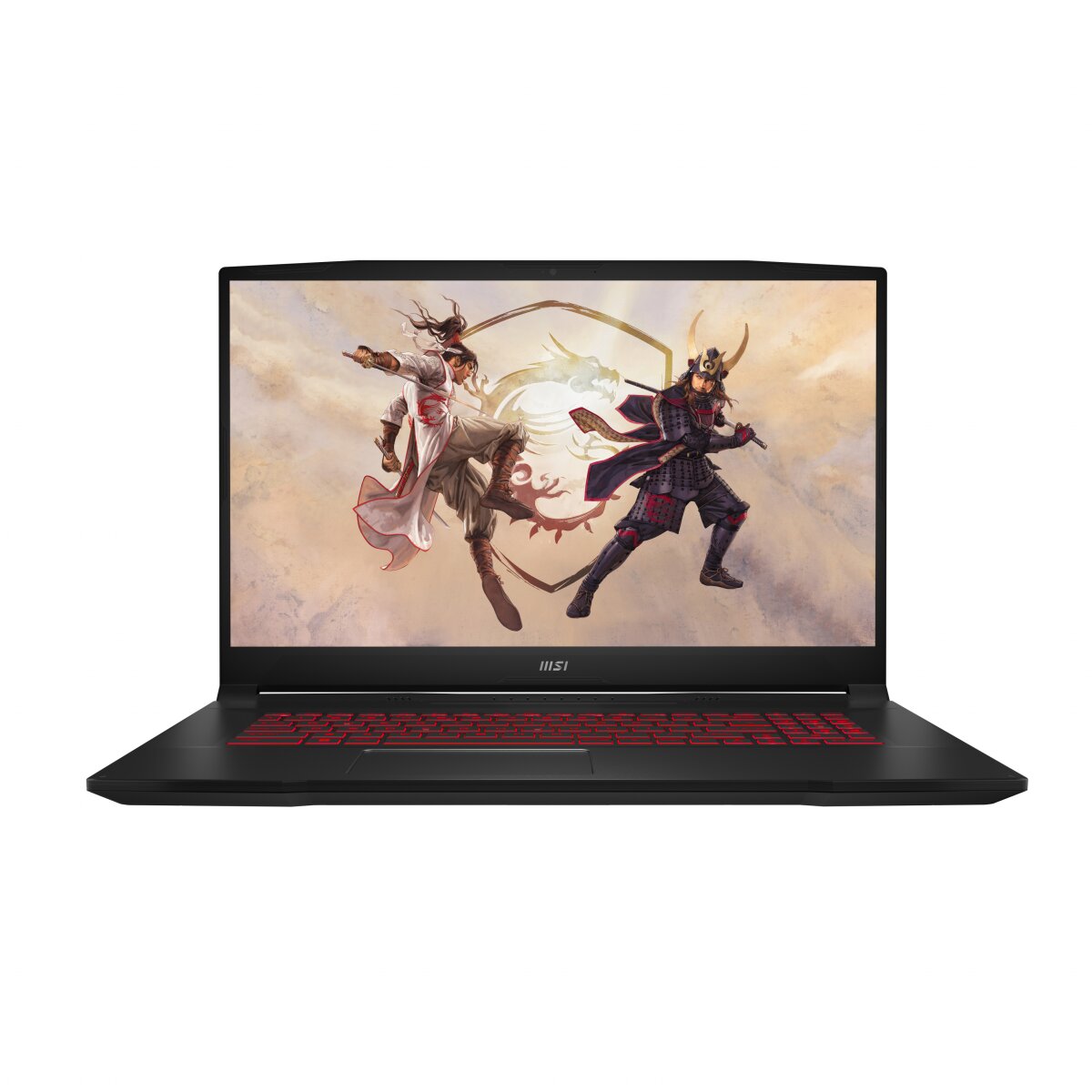
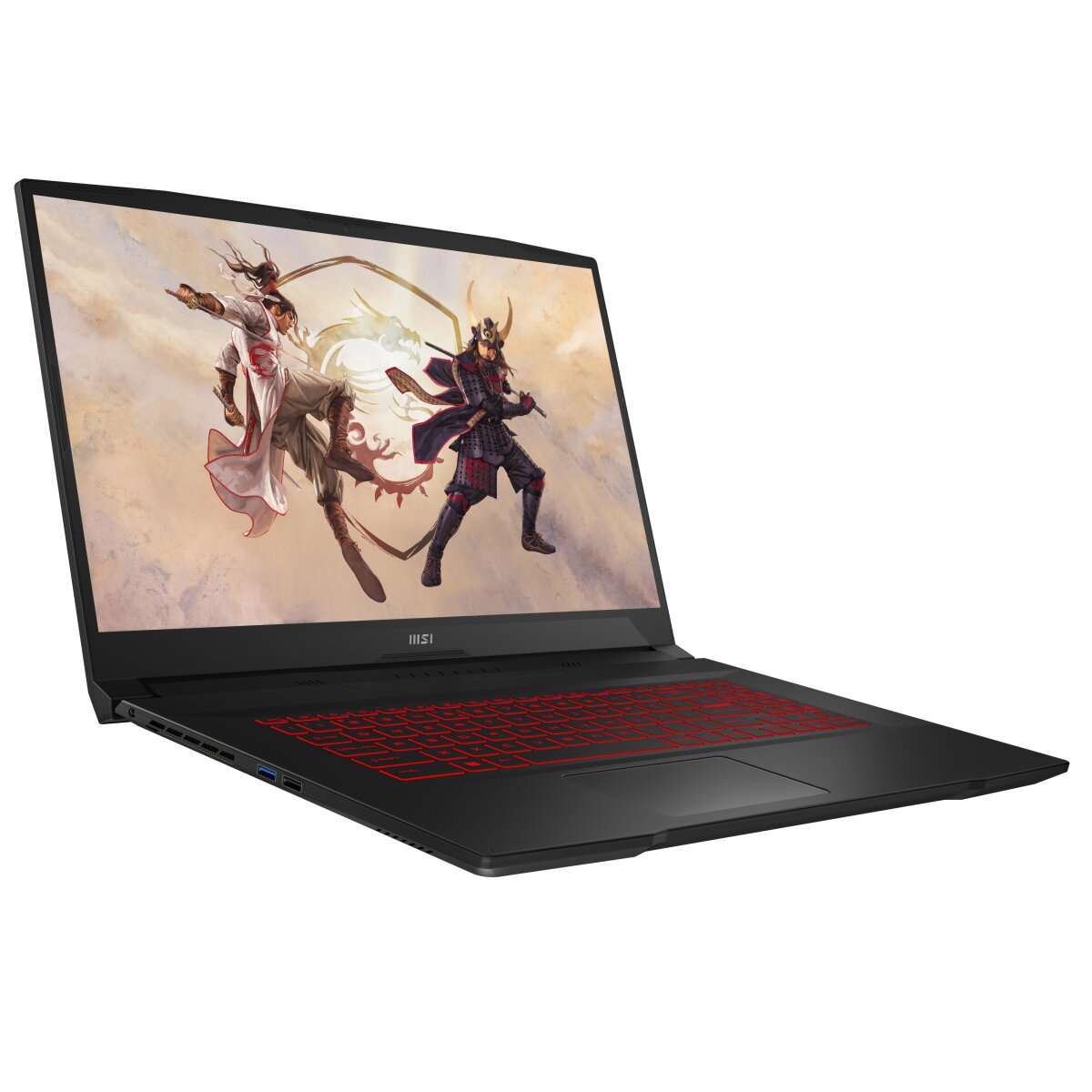
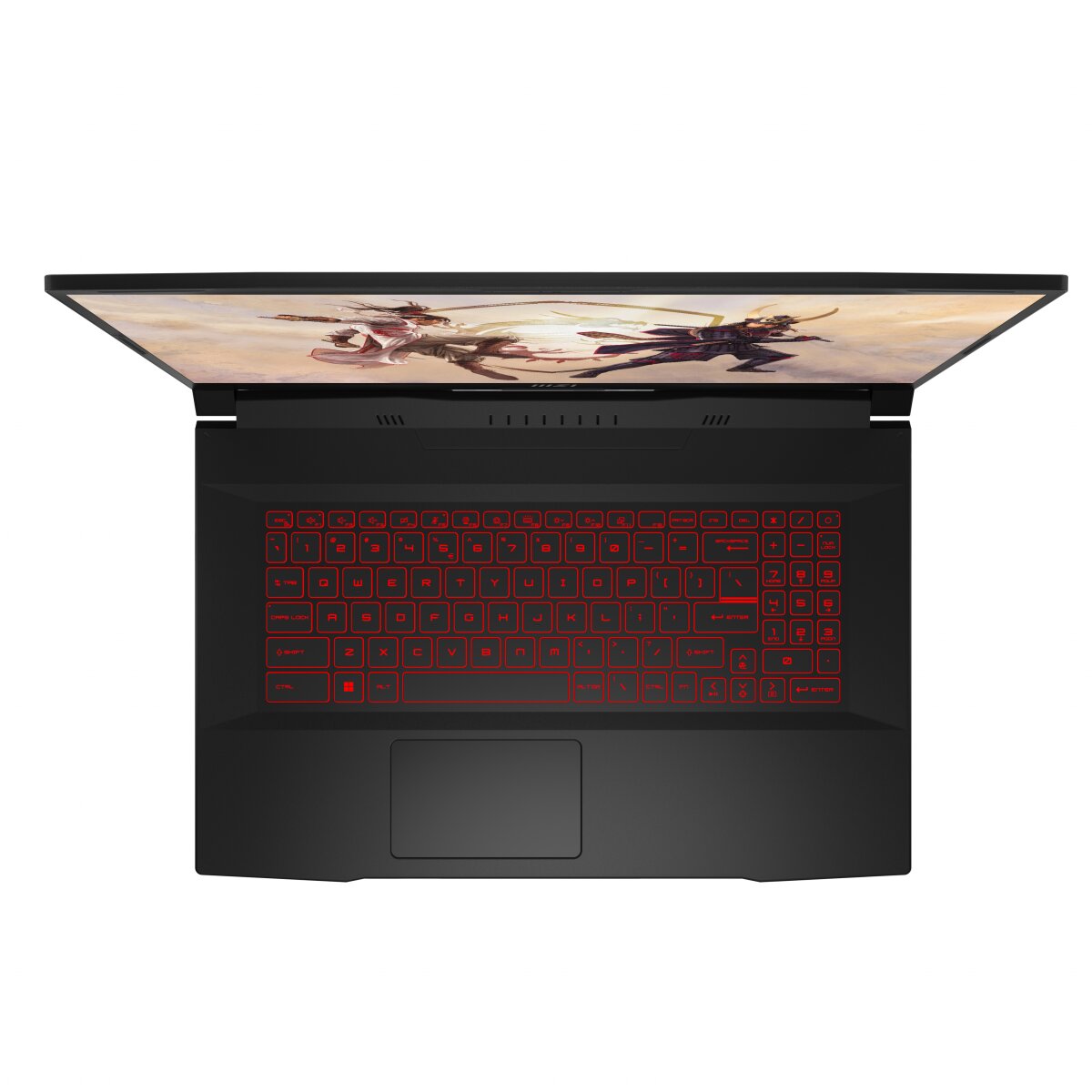
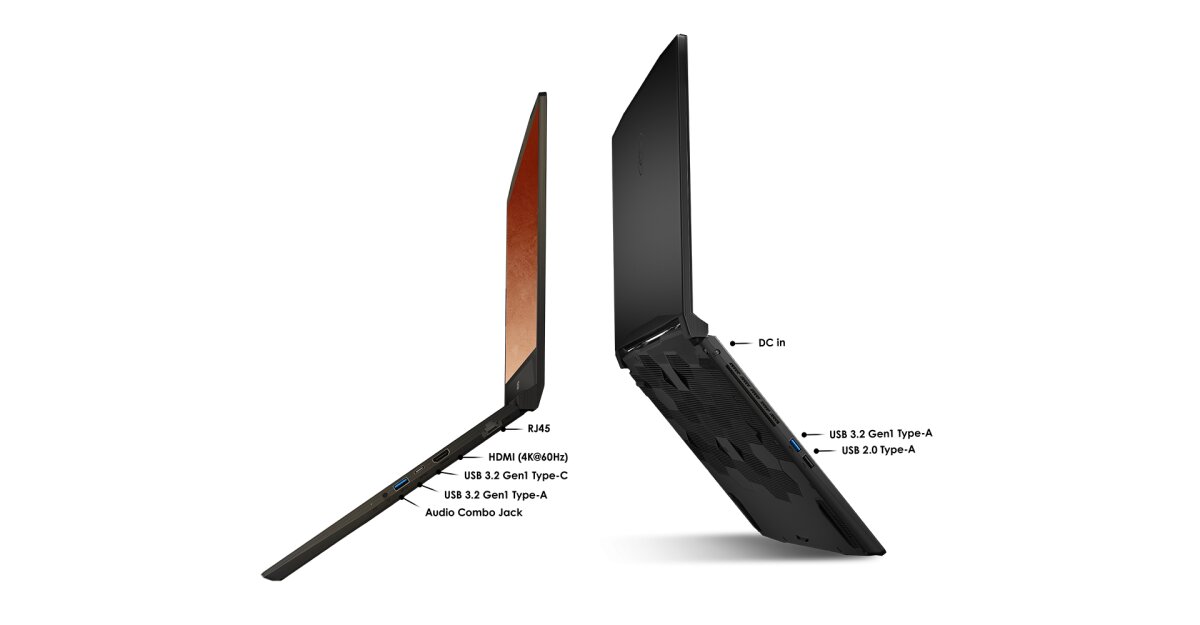
MSI KATANA GF76 12UD-407XPL Gaming series laptop features DDR4-SDRAM memory upgrade specifications. The model contains 2x SO-DIMM slots supporting maximum RAM capacity of 64 GB. Compatible memory operates at 3200 MHz frequency with SO-DIMM form factor. Upgrade specifications enable configuration of dual-channel memory architecture for enhanced system performance in gaming applications.
Memory Upgrade Specifications
| Specification | Value |
|---|---|
| Memory slots | 2x SO-DIMM |
| Form factor | SO-DIMM |
| Memory type | DDR4-SDRAM |
| Frequency | 3200 MHz |
| Maximum RAM | 64 GB |
| Voltage | 1.2V |
| Number of pins | 260-pin |
| Interface | PC4 |
| PC Speed Rating | PC4-3200 (PC4-25600) |
| Bandwidth | 25.6 GB/s |
| Laptop Release date | 10 March 2023 |
Additional Notes
- The MSI KATANA GF76 12UD-407XPL accepts only DDR4 modules in SO-DIMM format, which restricts upgrades to laptop-specific memory rather than desktop variants. Any DDR5 memory will be physically incompatible and cannot be installed.
- Pairing 2 identical SO-DIMM modules operating in dual-channel mode at 3200 MHz delivers approximately 51.2 GB/s bandwidth. Mismatched modules or single-slot population forces single-channel operation, halving effective throughput and creating measurable performance reduction in memory-intensive applications.
- The 64 GB maximum capacity ceiling means that configurations exceeding 32 GB per module cannot be utilized, even if higher-capacity SO-DIMMs become available in future retail channels.
- Upgrading from factory-installed memory requires removal of the bottom panel or keyboard assembly, depending on internal layout. This procedure may void certain warranty provisions if performed outside authorized service channels; verification with MSI support prior to installation protects coverage eligibility.
- Memory running at 3200 MHz on 12th-generation Intel platforms does not saturate available bandwidth, leaving CPU cache-to-main-memory latency as the limiting factor rather than clock speed. Overclocking RAM beyond 3200 MHz yields negligible real-world gains for gaming or productivity tasks.