MSI Gaming KATANA GF76 12UE-824 RAM upgrade specifications
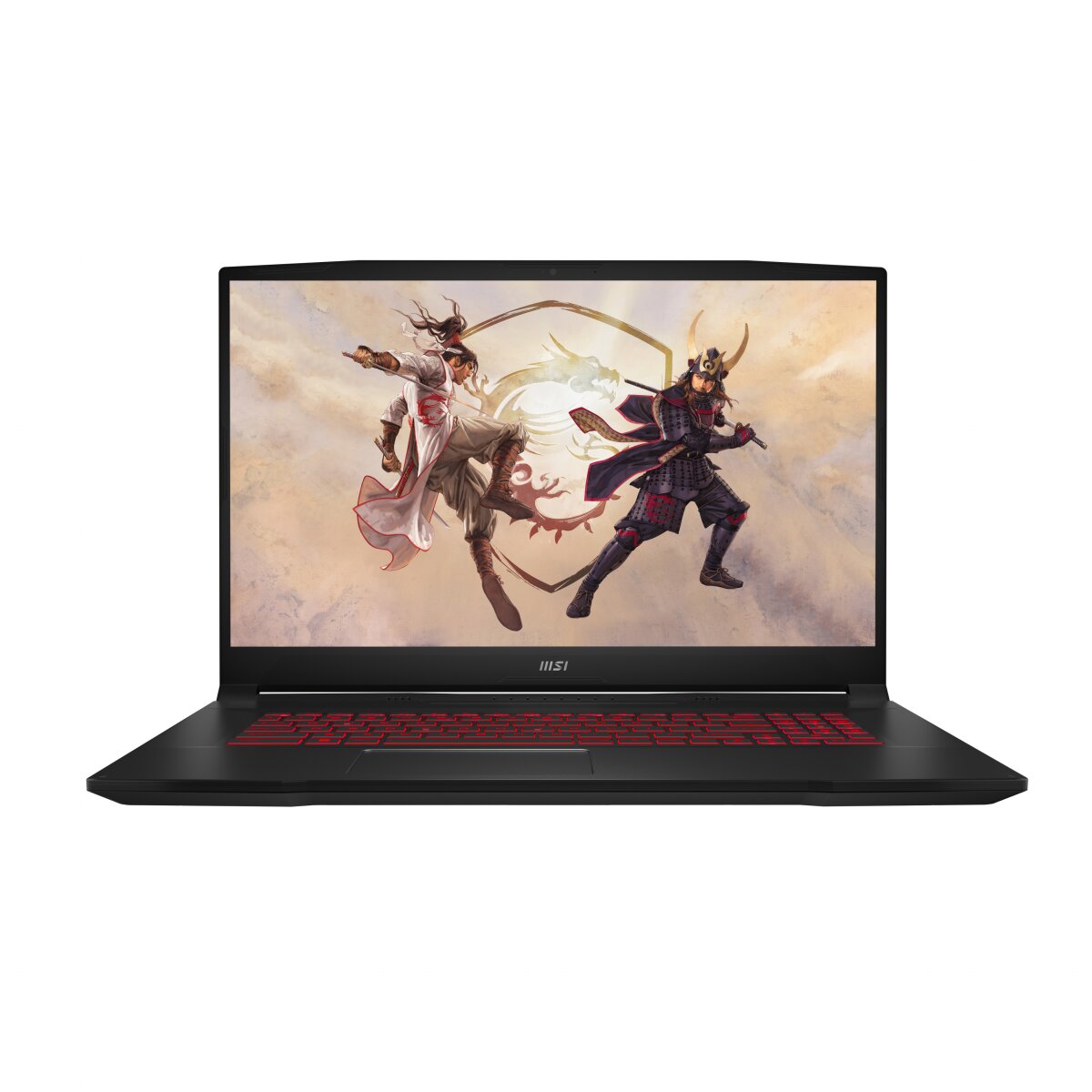


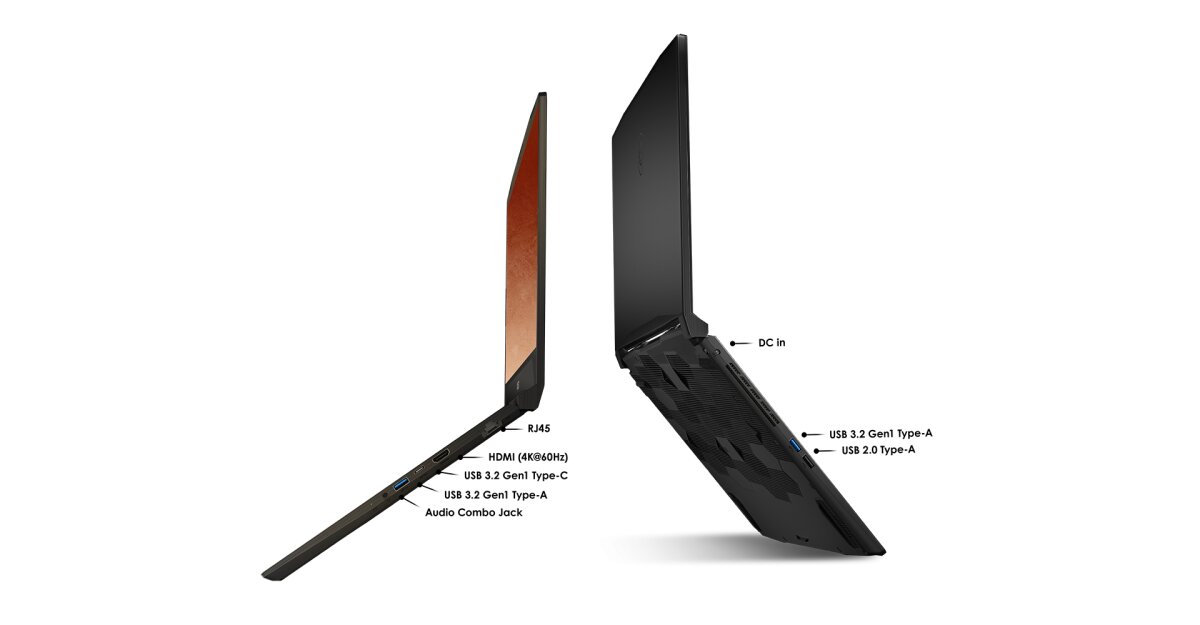
The MSI KATANA GF76 12UE-824 gaming laptop features DDR4-SDRAM memory upgrade capabilities with two SO-DIMM slots supporting maximum capacity of 64 GB. Compatible memory modules operate at 3200 MHz frequency specifications. The upgrade slots accommodate SO-DIMM form factor memory upgrades, enabling users to expand total system RAM from factory configurations to the maximum 64 GB threshold. MSI KATANA GF76 series specifications define DDR4 memory compatibility for performance enhancement.
Memory Upgrade Specifications
| Specification | Value |
|---|---|
| Memory slots | 2x SO-DIMM |
| Form factor | SO-DIMM |
| Memory type | DDR4-SDRAM |
| Frequency | 3200 MHz |
| Maximum RAM | 64 GB |
| Voltage | 1.2V |
| Number of pins | 260-pin |
| Interface | PC4 |
| PC Speed Rating | PC4-3200 (PC4-25600) |
| Bandwidth | 25.6 GB/s |
| Laptop Release date | 10 March 2023 |
Additional Notes
- The MSI KATANA GF76 12UE-824 uses SO-DIMM slots, restricting upgrades to laptop-specific modules rather than standard desktop DDR4 sticks, which eliminates cross-platform reuse options.
- DDR4-3200 memory operates at a fixed frequency tier; replacement modules must match or exceed this speed to avoid automatic downclocking of both existing and new modules to the slowest installed speed.
- 2 slots with 64 GB maximum capacity indicates a 32 GB per-slot ceiling, meaning full capacity requires 2x32 GB modules rather than mixing capacities, which constrains staged upgrade strategies.
- SO-DIMM modules generate higher heat density than desktop equivalents due to reduced surface area; thermal management around memory becomes more critical when upgrading to higher-capacity, higher-power consumption sticks.
- Warranty coverage typically remains intact during SO-DIMM replacement since these slots are user-accessible by design; however, verification with MSI support is necessary before opening the chassis to confirm coverage terms.
- The 3200 MHz specification reflects a mid-tier frequency standard for 12th-generation Intel mobile processors; faster DDR4 modules (3600 MHz or higher) will downclock to 3200 MHz, resulting in no performance gain and added cost.
- Populating both slots with identical modules produces optimal dual-channel performance; mismatched capacities or speeds trigger single-channel fallback on one module, reducing effective bandwidth by up to 50 percent.