MSI Gaming GL62-6QDi581 RAM upgrade specifications
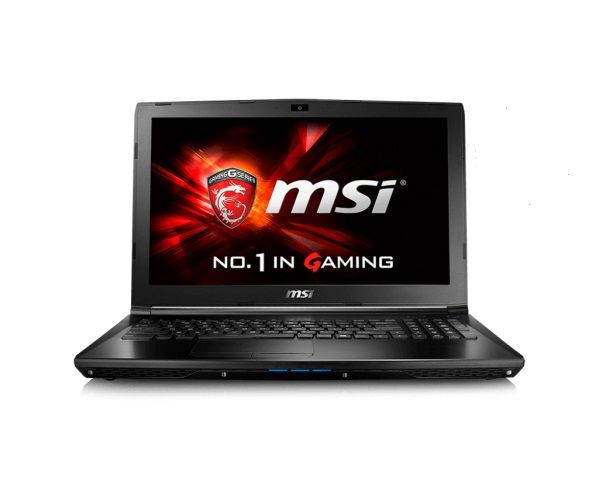
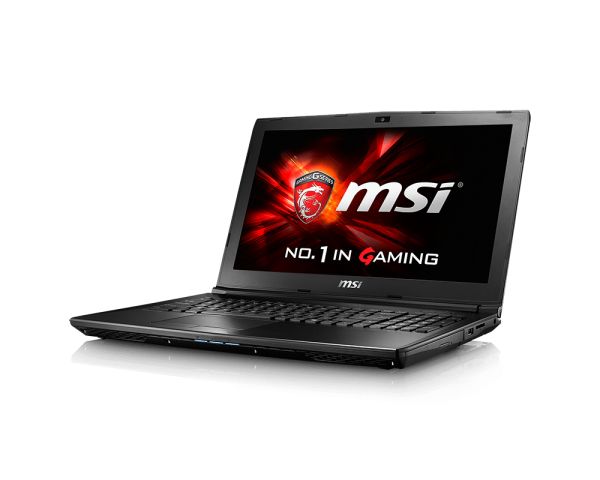
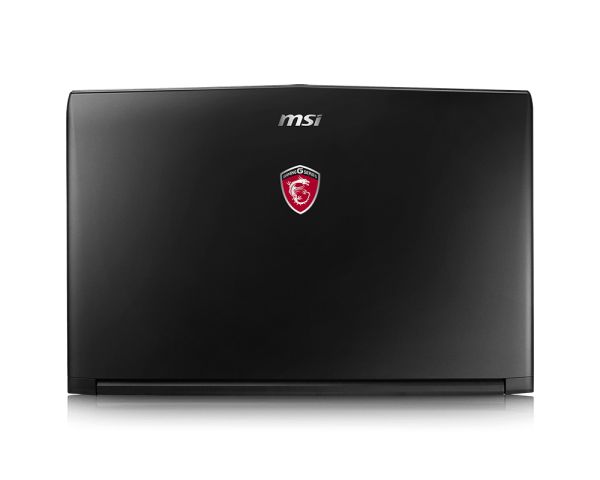
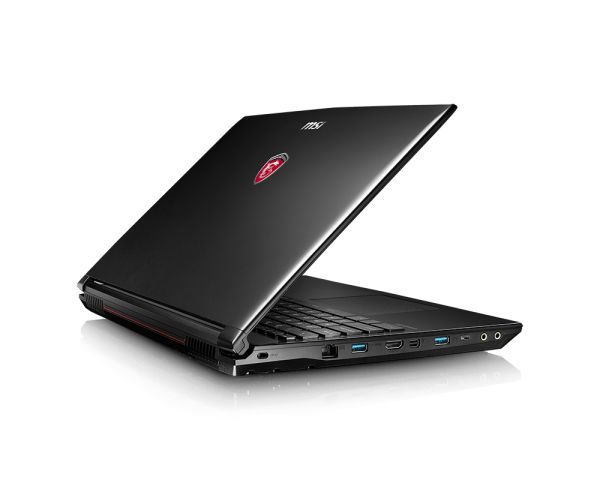
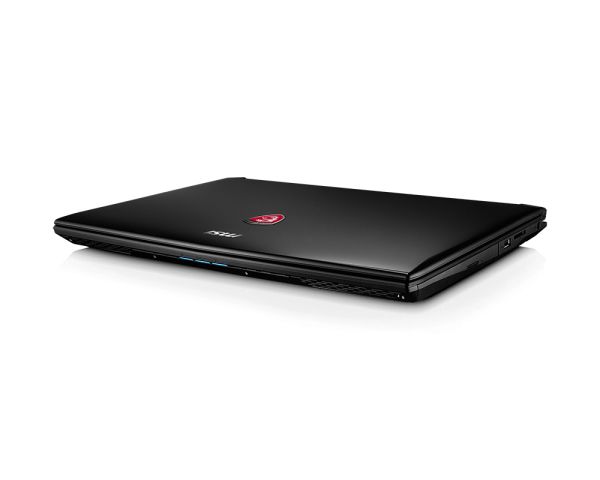
The MSI GL62-6QDi581 Gaming series laptop supports DDR4-SDRAM memory upgrades through two SO-DIMM slots. Maximum RAM capacity reaches 32 GB total, operating at 2133 MHz frequency. Compatible memory modules use SO-DIMM form factor specifications. RAM upgrade slots accommodate dual memory configurations for enhanced system performance and multitasking capabilities on this MSI GL series gaming laptop model.
Memory Upgrade Specifications
| Specification | Value |
|---|---|
| Memory slots | 2x SO-DIMM |
| Form factor | SO-DIMM |
| Memory type | DDR4-SDRAM |
| Frequency | 2133 MHz |
| Maximum RAM | 32 GB |
| Voltage | 1.2V |
| Number of pins | 260-pin |
| Interface | PC4 |
| PC Speed Rating | PC4-2133 (PC4-17064) |
| Bandwidth | 17.1 GB/s |
| Laptop Release date | 10 February 2016 |
Additional Notes
- The MSI GL62-6QDi581 accepts only notebook-sized memory modules, preventing the use of standard desktop DIMM sticks regardless of specifications.
- The 2133 MHz frequency restriction means higher-speed modules rated at 2400 MHz, 2666 MHz, or 3200 MHz will downclock to match the supported speed, negating any advertised performance advantages.
- Dual-channel memory architecture requires matched pairs for optimal bandwidth, as installing a single module will halve the available memory throughput.
- The 32 GB ceiling limits configurations to either 2x16 GB modules or lower-capacity combinations, rendering 32 GB individual modules incompatible even if physically installable.
- DDR4 voltage compatibility restricts upgrades to standard 1.2V modules, as low-voltage or high-performance variants may cause boot failures or system instability.
- Non-ECC unbuffered modules are required, since registered or ECC memory types will be rejected by the consumer-grade chipset.
- Upgrading requires access to the bottom panel, which may void warranty seals depending on regional consumer protection laws.
- Mixing modules with different CAS latencies will force all memory to operate at the slowest timing, reducing effective performance below optimal specifications.
- The JEDEC-compliant specification means XMP-profile memory will function only at base speeds unless manual BIOS tuning is supported, which remains uncommon in this laptop category.
- Single-rank versus dual-rank module architecture affects compatibility and performance, with dual-rank configurations potentially offering marginal bandwidth improvements at identical capacities and speeds.