MSI Gaming GL62 6QF-1226 RAM upgrade specifications
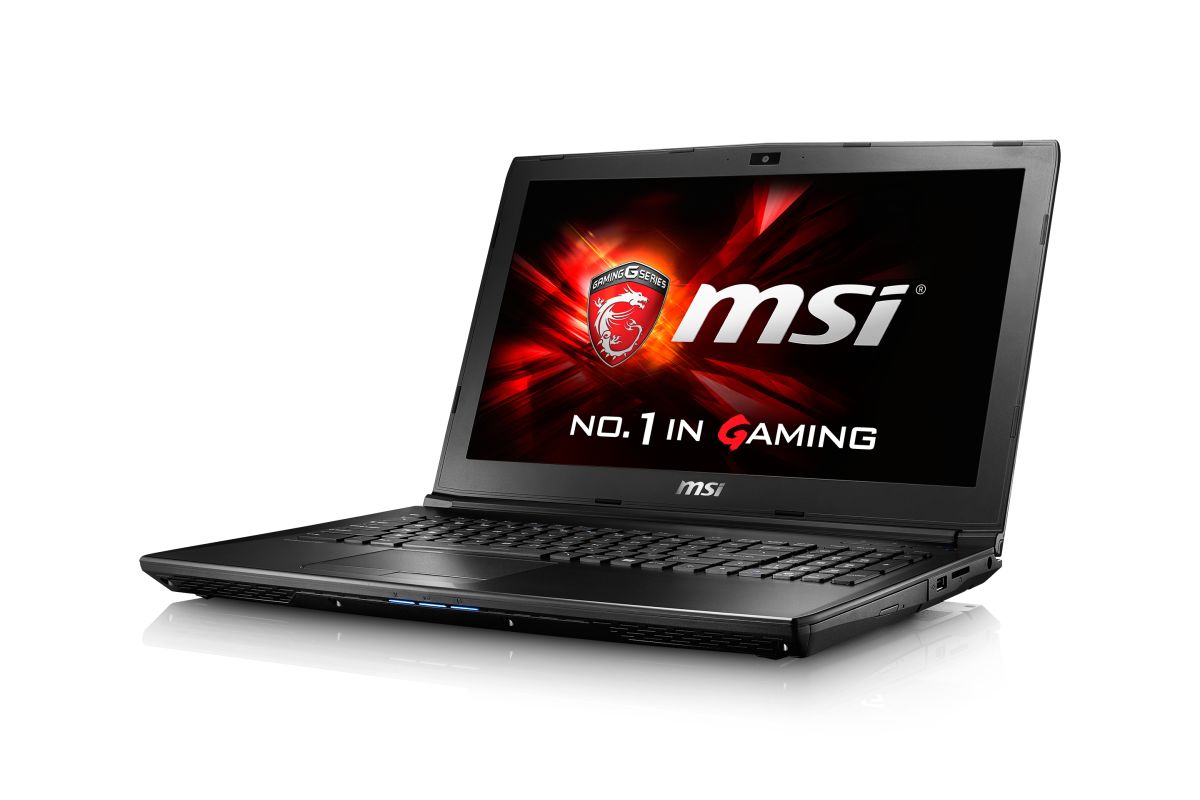
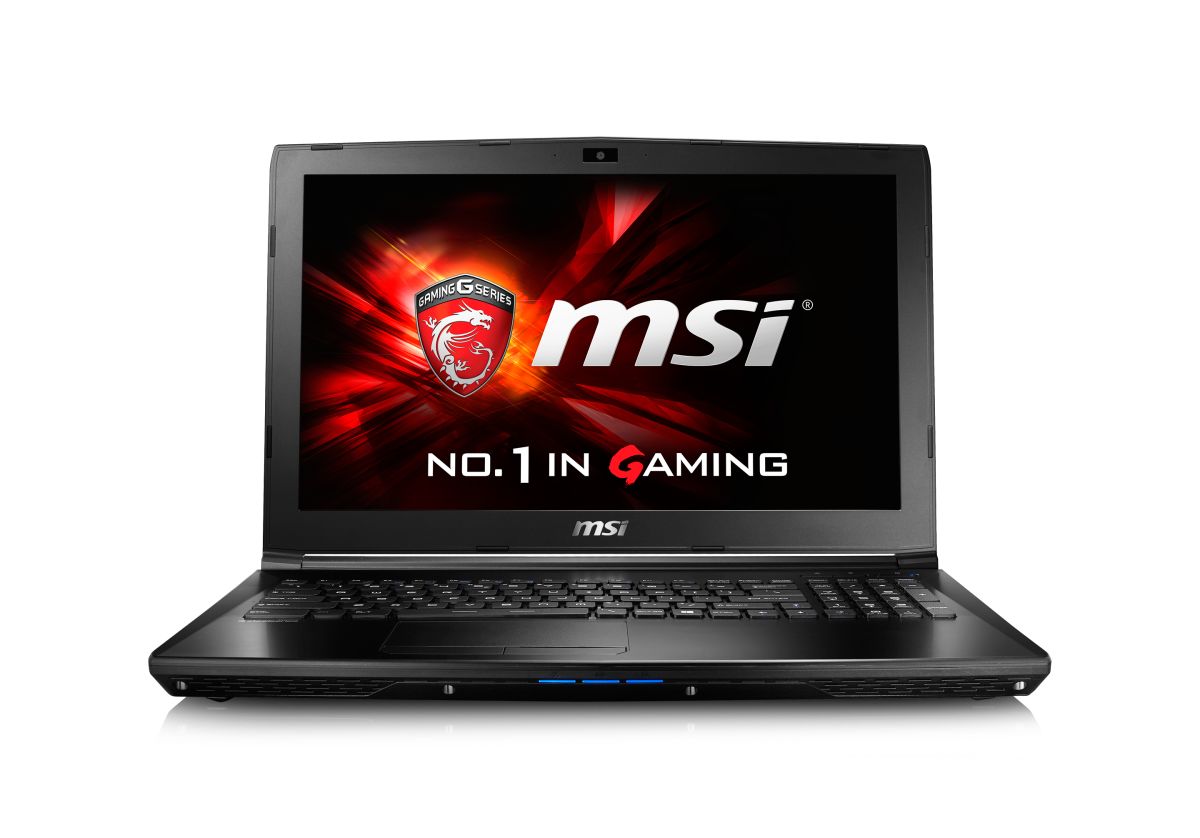
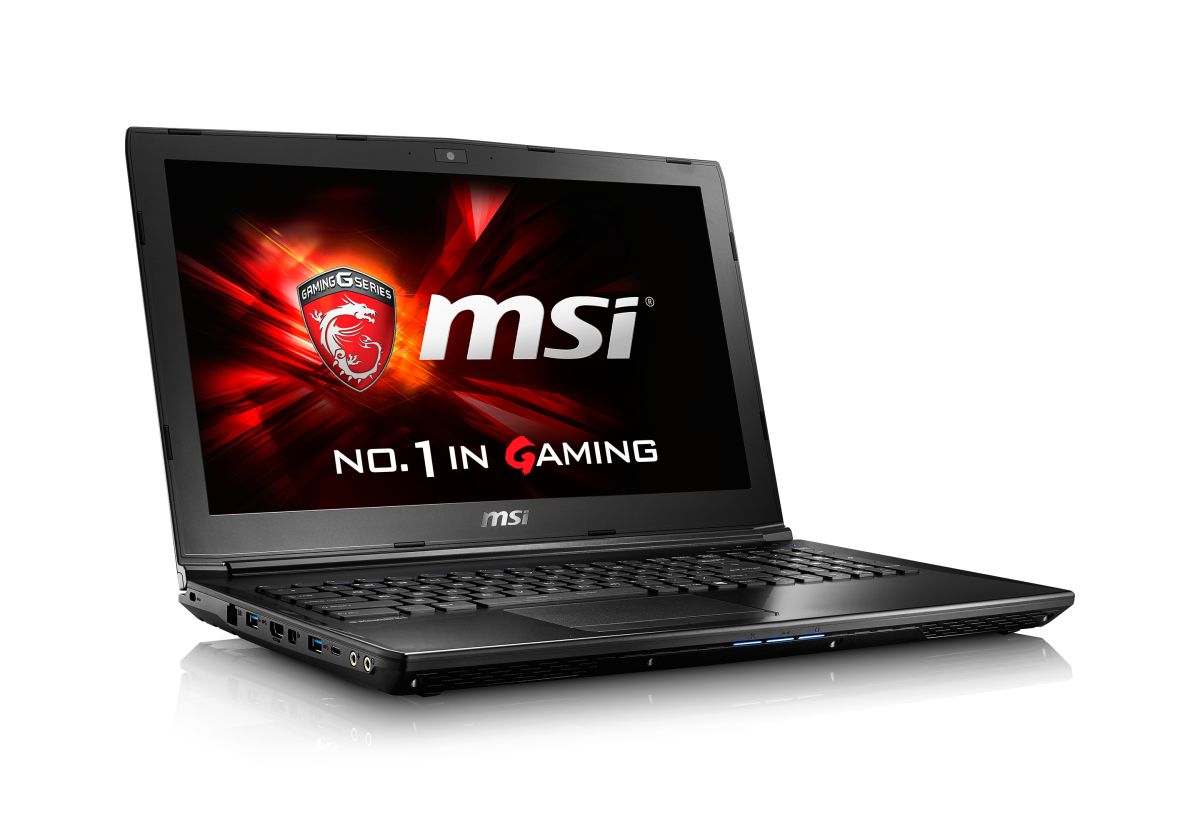
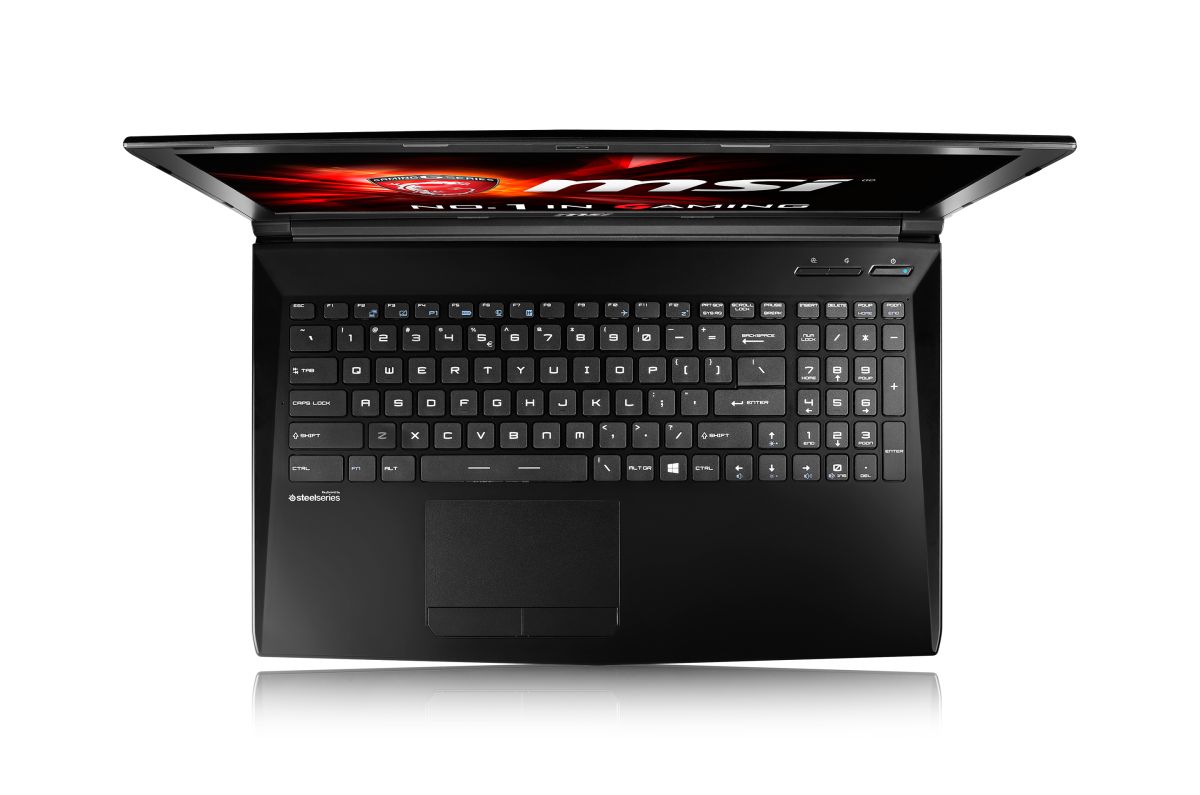
MSI GL62 6QF-1226 Gaming series laptop supports DDR4-SDRAM memory upgrades with 2x SO-DIMM slots. Maximum RAM capacity reaches 32 GB total. Compatible memory modules operate at 2133 MHz frequency in SO-DIMM form factor. Specifications enable users to upgrade from factory configuration to support enhanced multitasking and application performance on this gaming notebook platform.
Memory Upgrade Specifications
| Specification | Value |
|---|---|
| Memory slots | 2x SO-DIMM |
| Form factor | SO-DIMM |
| Memory type | DDR4-SDRAM |
| Frequency | 2133 MHz |
| Maximum RAM | 32 GB |
| Voltage | 1.2V |
| Number of pins | 260-pin |
| Interface | PC4 |
| PC Speed Rating | PC4-2133 (PC4-17064) |
| Bandwidth | 17.1 GB/s |
| Laptop Release date | 16 July 2016 |
Additional Notes
- The MSI GL62 6QF-1226 requires notebook-specific SO-DIMM modules rather than standard desktop DIMMs due to the smaller physical footprint and different pin configuration of laptop memory slots.
- The 2133 MHz frequency rating represents the official JEDEC specification, though actual achievable speeds depend on the installed processor's integrated memory controller capabilities and motherboard implementation.
- The 32 GB maximum capacity divides into two 16 GB modules when fully populated, which may require replacing existing RAM rather than simply adding to it if smaller modules are currently installed.
- DDR4-2133 operates at 1.2 volts compared to DDR3's 1.5 volts, making DDR3 modules physically incompatible despite similar SO-DIMM form factors due to different notch positions preventing incorrect installation.
- Mixing memory modules with different speeds will force all installed RAM to operate at the slowest module's frequency, potentially underutilizing faster modules if mixing specifications.
- Dual-channel memory architecture requires matched pairs in both slots to achieve optimal bandwidth, as asymmetric configurations may default to single-channel mode with reduced memory throughput.
- The 6th generation Intel processor likely installed in this system imposes the 2133 MHz ceiling regardless of whether higher-rated modules are installed, as the memory controller will downclock faster RAM.
- Non-ECC unbuffered memory is the standard requirement for consumer laptops, as ECC or registered modules designed for servers will either fail to function or not be recognized by the system.
- Accessing the memory slots typically requires bottom panel removal, and warranty implications should be verified before user-performed upgrades despite memory replacement being commonly permitted.
- Single-rank versus dual-rank module architecture affects compatibility with high-capacity configurations, as some systems may have stability issues with 4 total ranks across both slots.