MSI Gaming 8SE-009XPT RAM upgrade specifications
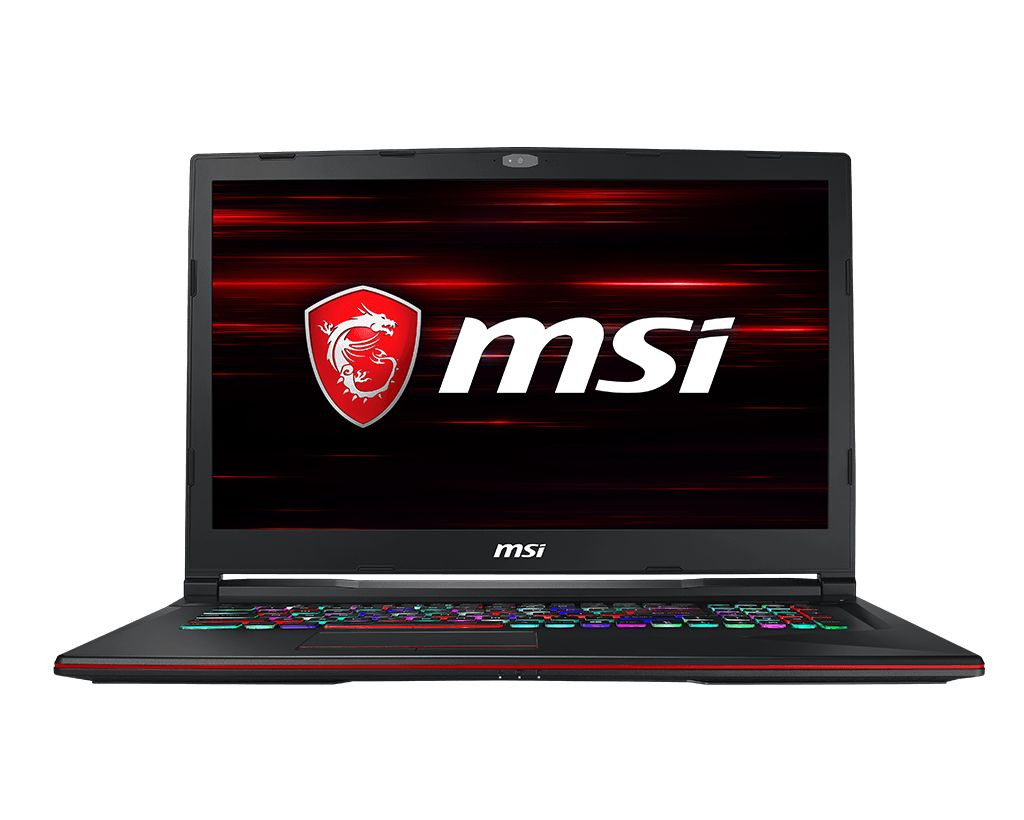

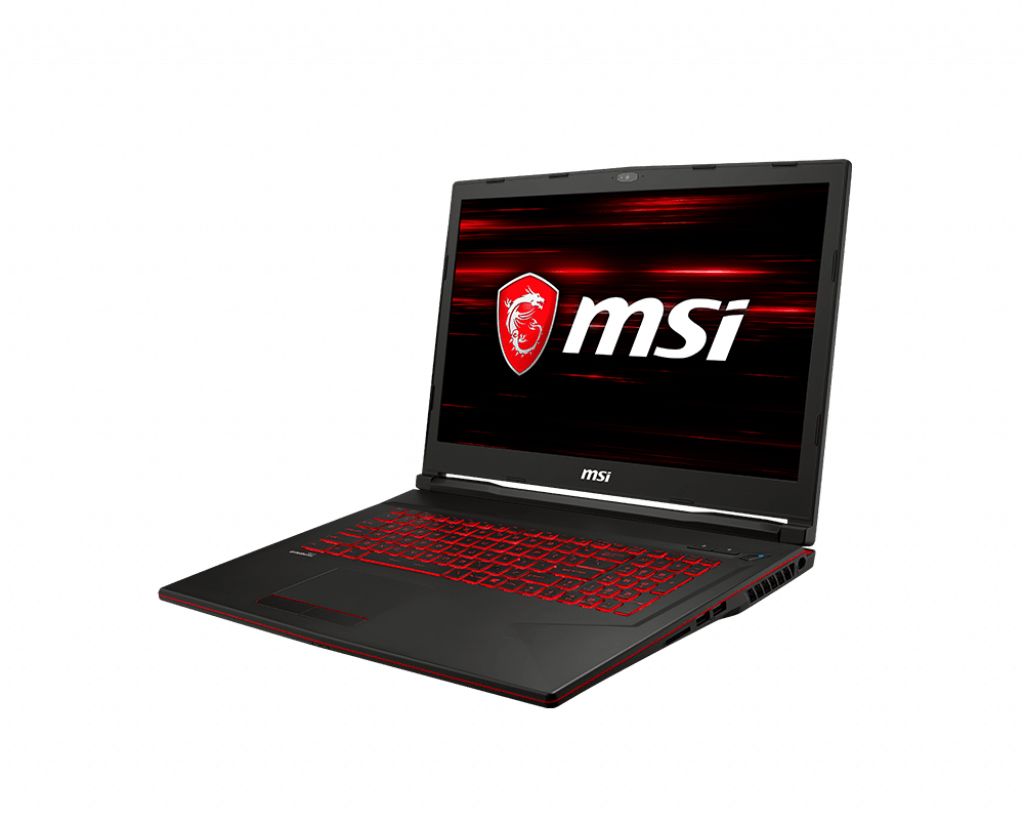
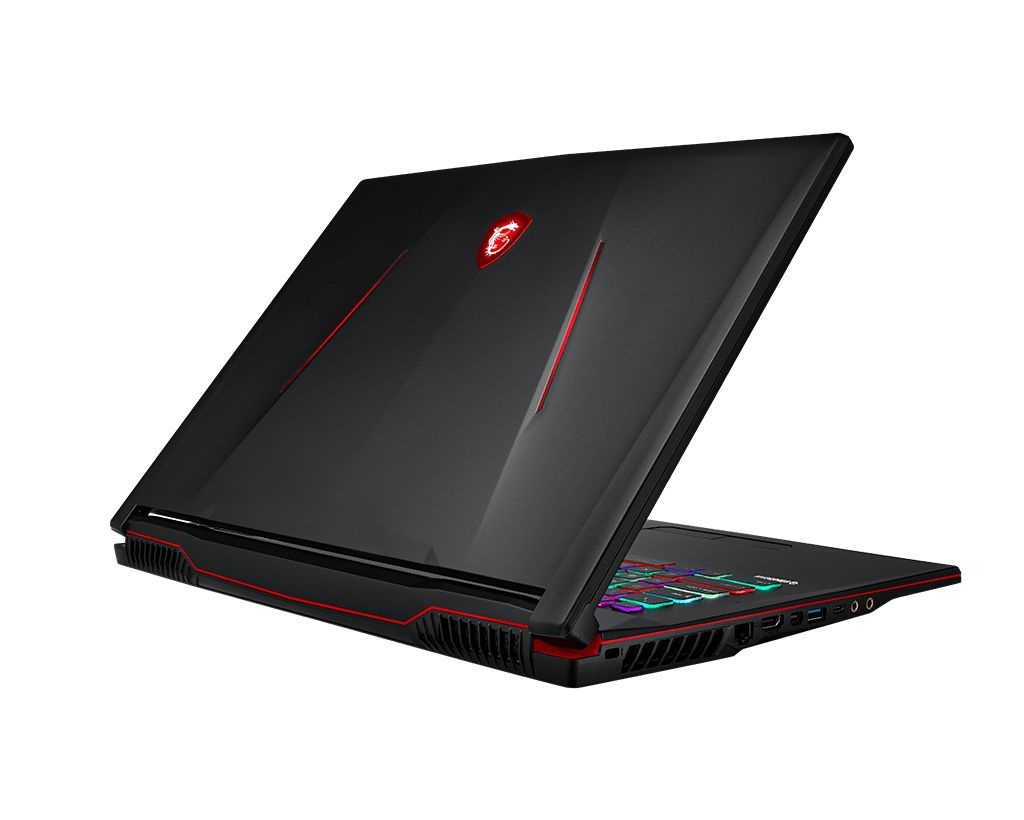
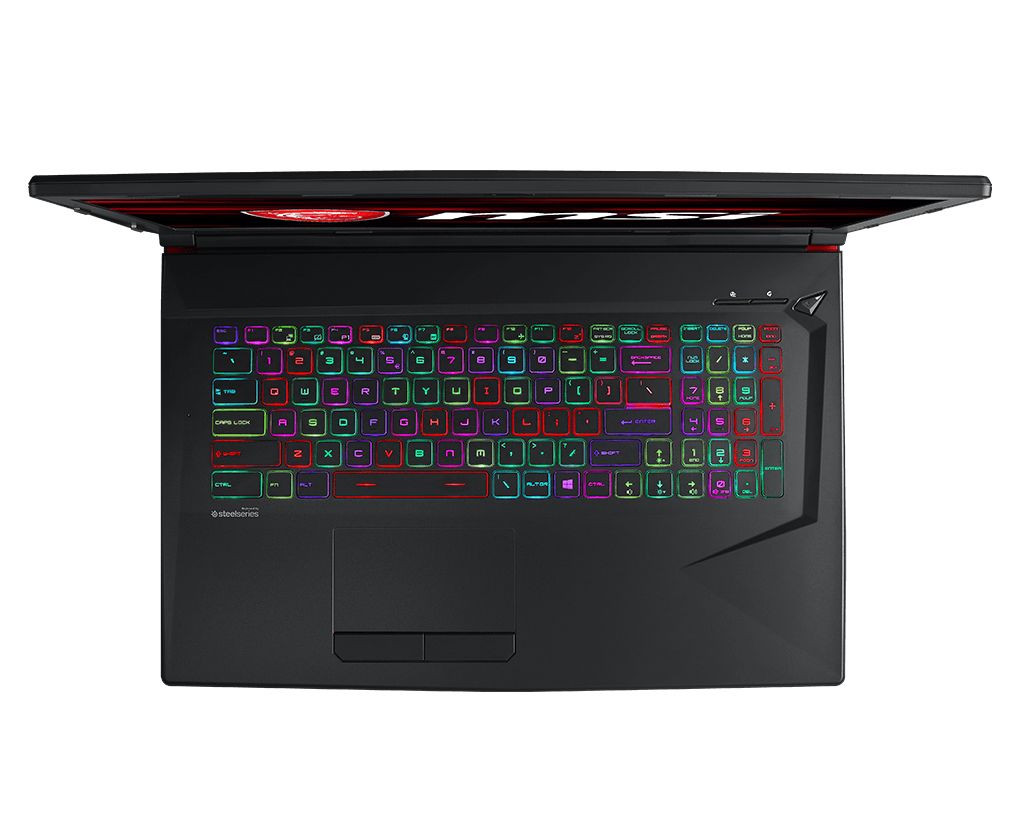
MSI Gaming GL series model 8SE-009XPT features two SO-DIMM slots for memory upgrade capability. The laptop supports DDR4-SDRAM memory operating at 2666 MHz frequency. Maximum compatible RAM capacity reaches 32 GB total across both slots. Each SO-DIMM slot accommodates individual memory modules, allowing users to expand or replace existing memory modules according to specifications. Upgrade configurations must utilize DDR4-SDRAM modules matching the 2666 MHz frequency specification for compatibility with the MSI Gaming GL 8SE-009XPT platform.
Memory Upgrade Specifications
| Specification | Value |
|---|---|
| Memory slots | 2x SO-DIMM |
| Form factor | SO-DIMM |
| Memory type | DDR4-SDRAM |
| Frequency | 2666 MHz |
| Maximum RAM | 32 GB |
| Voltage | 1.2V |
| Number of pins | 260-pin |
| Interface | PC4 |
| PC Speed Rating | PC4-2666 (PC4-21328) |
| Bandwidth | 21.3 GB/s |
| Laptop Release date | 21 October 2019 |
Additional Notes
- The MSI Gaming 8SE-009XPT utilizes SO-DIMM modules rather than standard DIMMs, limiting aftermarket availability compared to desktop memory kits.
- The 32 GB maximum capacity requires two 16 GB modules in dual-channel configuration, as single 32 GB SO-DIMM modules exceed DDR4 density standards for this chipset generation.
- Memory running at 2666 MHz operates at JEDEC standard timing rather than XMP profiles, eliminating the need for BIOS configuration after installation.
- Dual-channel architecture at this frequency provides 42.6 GB/s theoretical bandwidth, which may bottleneck GPU-intensive tasks if integrated graphics share system memory.
- SO-DIMM slots positioned under the bottom panel require complete device disassembly for access, unlike laptops with dedicated memory bay covers.
- DDR4-2666 compatibility ensures backward support for slower modules, but higher-frequency RAM will downclock to match the 2666 MHz specification.
- Populating both slots with identical modules maintains symmetrical memory interleaving, whereas mixing capacities forces single-channel operation on the excess capacity.
- The absence of ECC support in consumer SO-DIMM DDR4 at this frequency means all compatible modules operate in non-parity mode.
- Voltage regulation at standard 1.2V eliminates compatibility issues with low-voltage DDR4L modules, which share physical form factor but different electrical requirements.
- Upgrading from factory-installed single-channel configurations to dual-channel delivers measurable performance gains in memory-bound applications without altering clock speeds.