MSI Gaming Thin GF63 12VF-883XFR RAM upgrade specifications
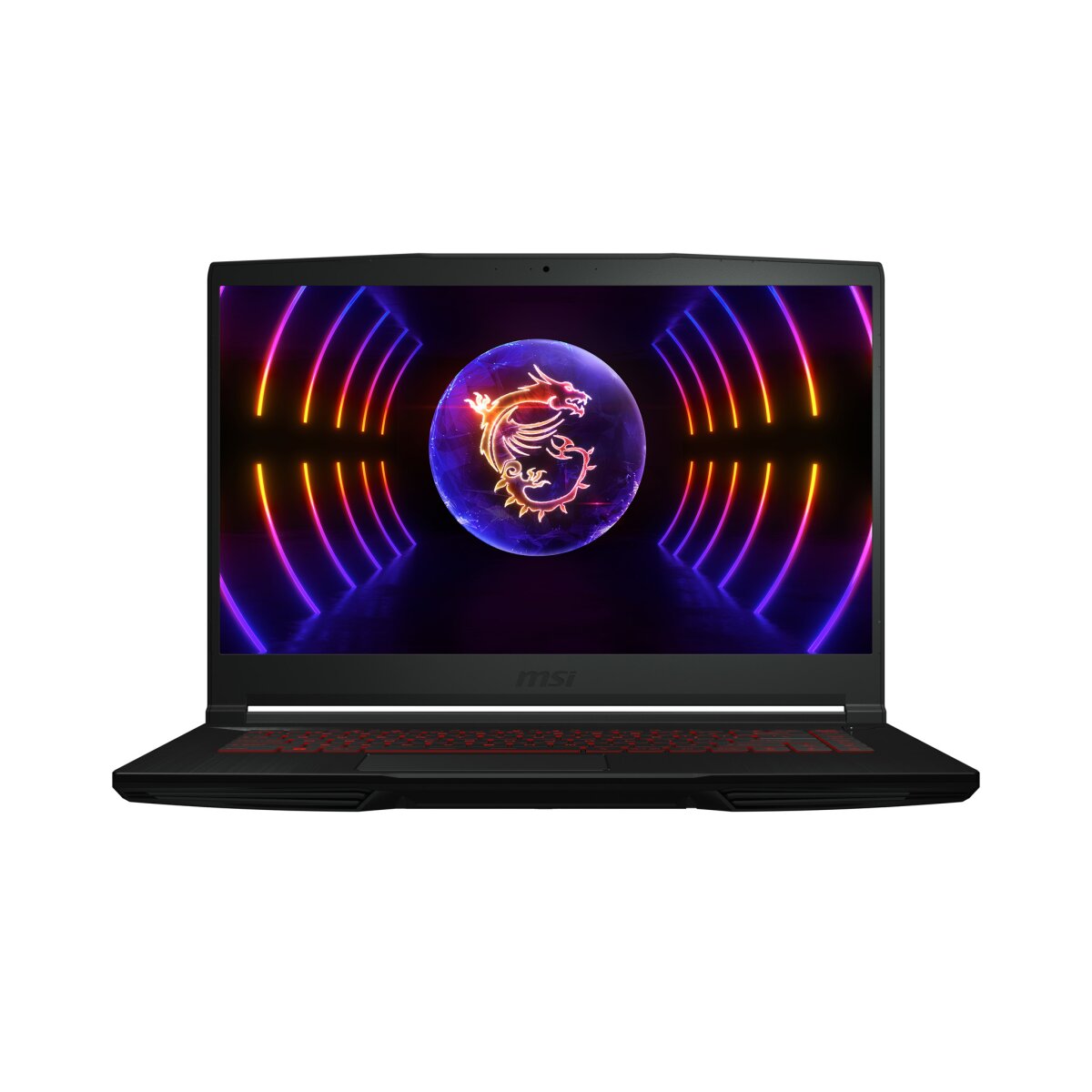
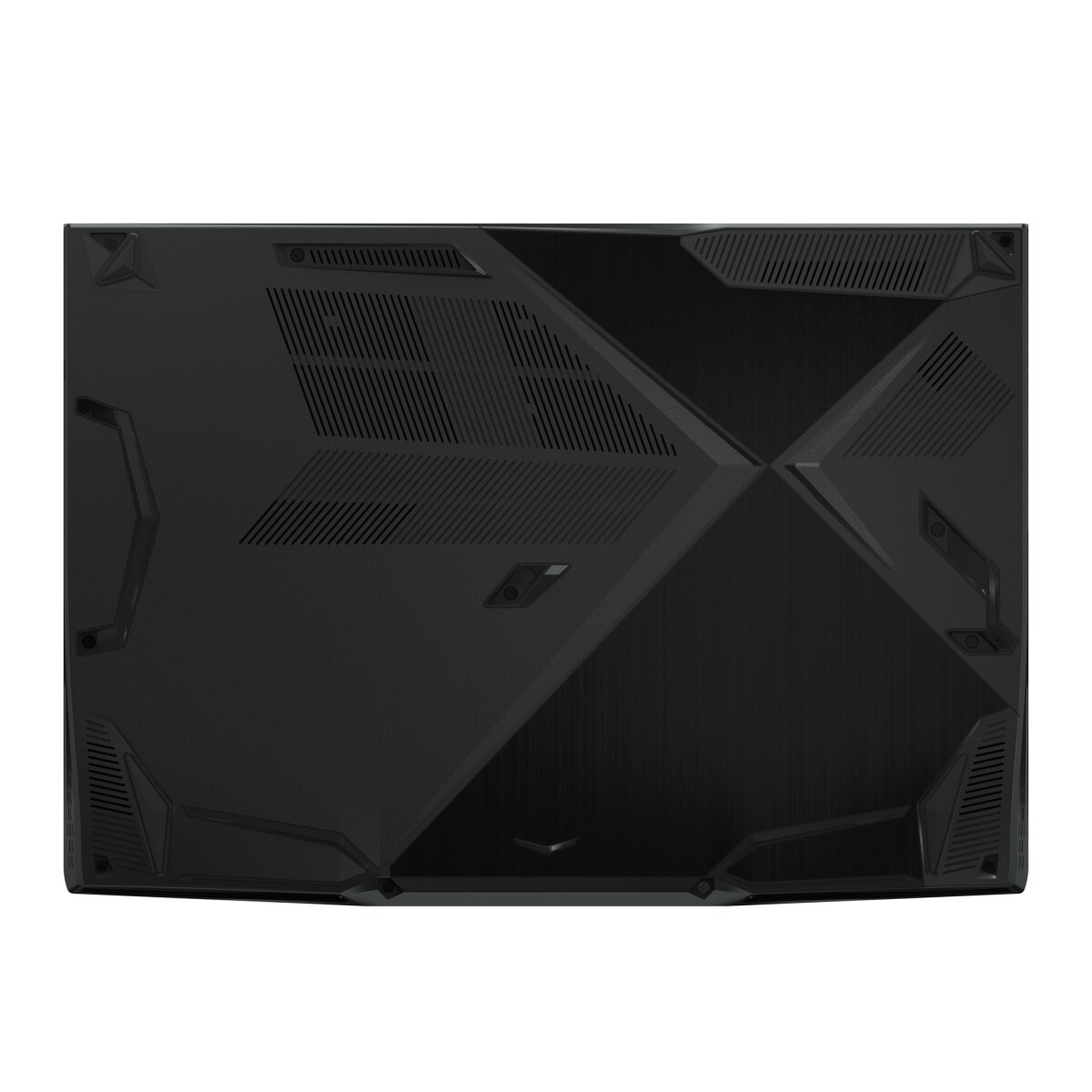
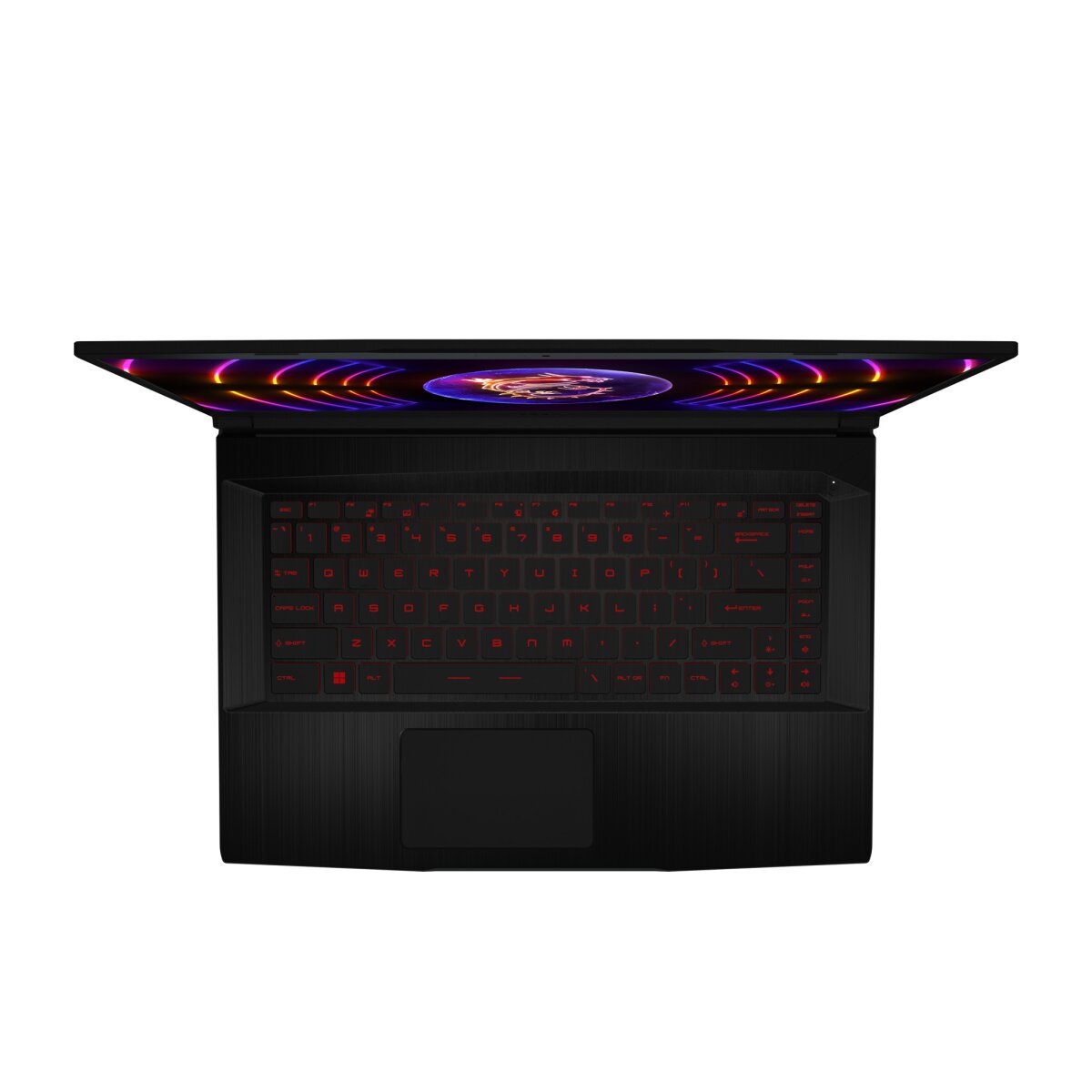
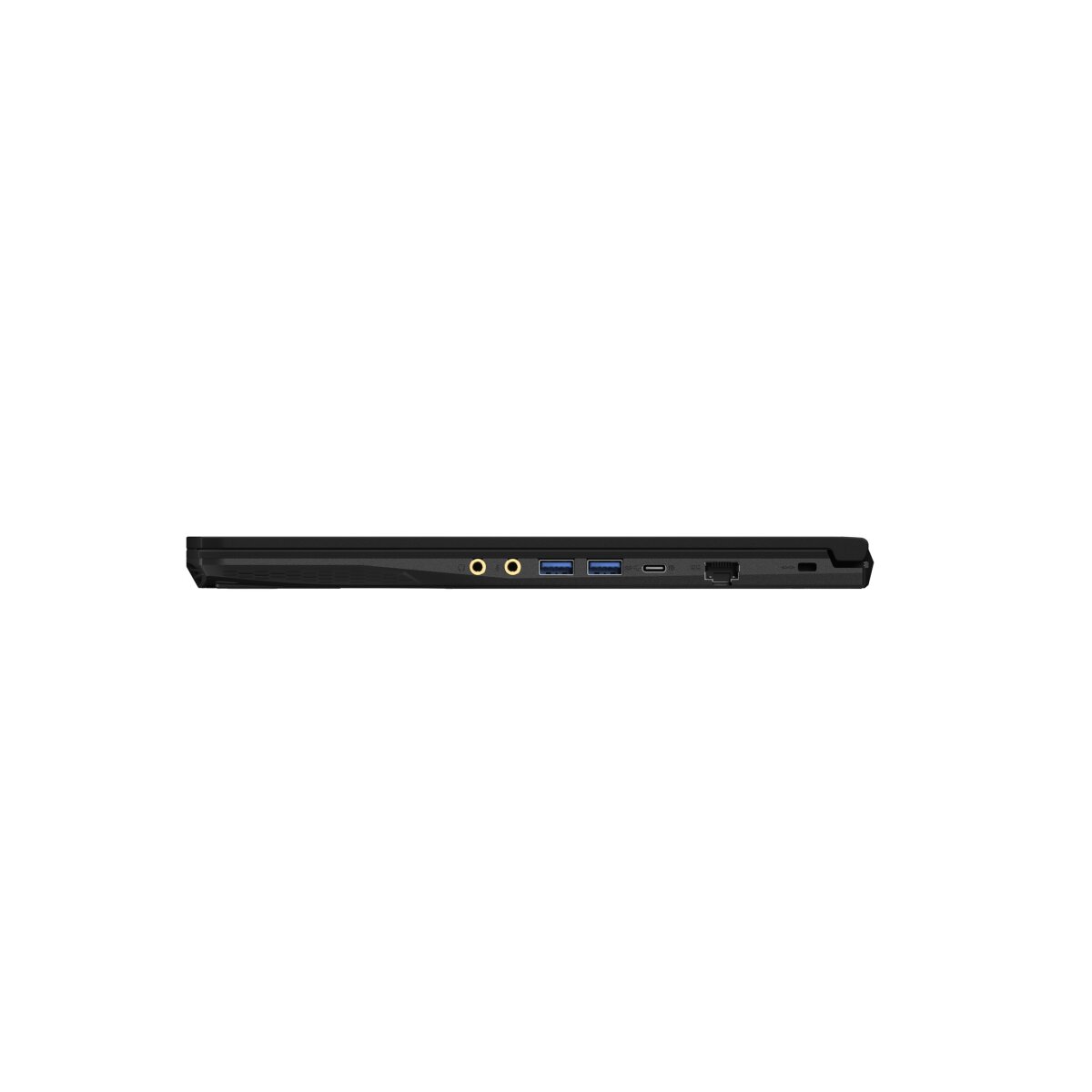
MSI Thin GF63 12VF-883XFR gaming laptop supports DDR4-SDRAM memory upgrades through two SO-DIMM slots. Maximum memory capacity reaches 64 GB total. Compatible RAM operates at 3200 MHz frequency. Upgrade specifications allow for installation of SO-DIMM modules to expand system memory beyond factory configuration. Current memory slots provide upgrade capability for enhanced multitasking and performance in gaming applications.
Memory Upgrade Specifications
| Specification | Value |
|---|---|
| Memory slots | 2x SO-DIMM |
| Form factor | SO-DIMM |
| Memory type | DDR4-SDRAM |
| Frequency | 3200 MHz |
| Maximum RAM | 64 GB |
| Voltage | 1.2V |
| Number of pins | 260-pin |
| Interface | PC4 |
| PC Speed Rating | PC4-3200 (PC4-25600) |
| Bandwidth | 25.6 GB/s |
Additional Notes
- The dual SO-DIMM configuration allows simultaneous replacement of both modules, activating dual-channel architecture for doubled memory bandwidth compared to single-channel operation.
- The 3200 MHz frequency rating represents the JEDEC specification ceiling for DDR4 SO-DIMM modules, eliminating headroom for higher-speed upgrades within this technology generation.
- The 64 GB maximum capacity requires two 32 GB modules, which remain significantly more expensive per gigabyte than standard 16 GB or 8 GB density options.
- DDR4 SO-DIMM modules operate at 1.2V standard voltage, ensuring thermal compatibility with the thin chassis design without requiring enhanced cooling considerations.
- The Thin GF63 12VF-883XFR memory controller architecture locks frequency compatibility to divisors of the base 3200 MHz specification, automatically downclocking faster modules without performance gain.
- Mixing module capacities across the two slots maintains functionality but disables dual-channel mode for the capacity exceeding the smaller module, creating asymmetric bandwidth allocation.
- The SO-DIMM form factor prevents installation of standard desktop DIMM modules, requiring verification of the 260-pin physical interface before purchase.
- Non-ECC unbuffered modules represent the only compatible specification class, as registered or error-correcting variants introduce timing incompatibilities with consumer-grade memory controllers.
- The bottom panel removal process for accessing memory slots typically maintains warranty validity, unlike internal component modifications requiring deeper chassis disassembly.
- Intel 12th generation platform specifications enable XMP profile support, though activation depends on BIOS implementation rather than hardware limitation.