MSI Gaming Thin GF63 12UDX-446IT RAM upgrade specifications
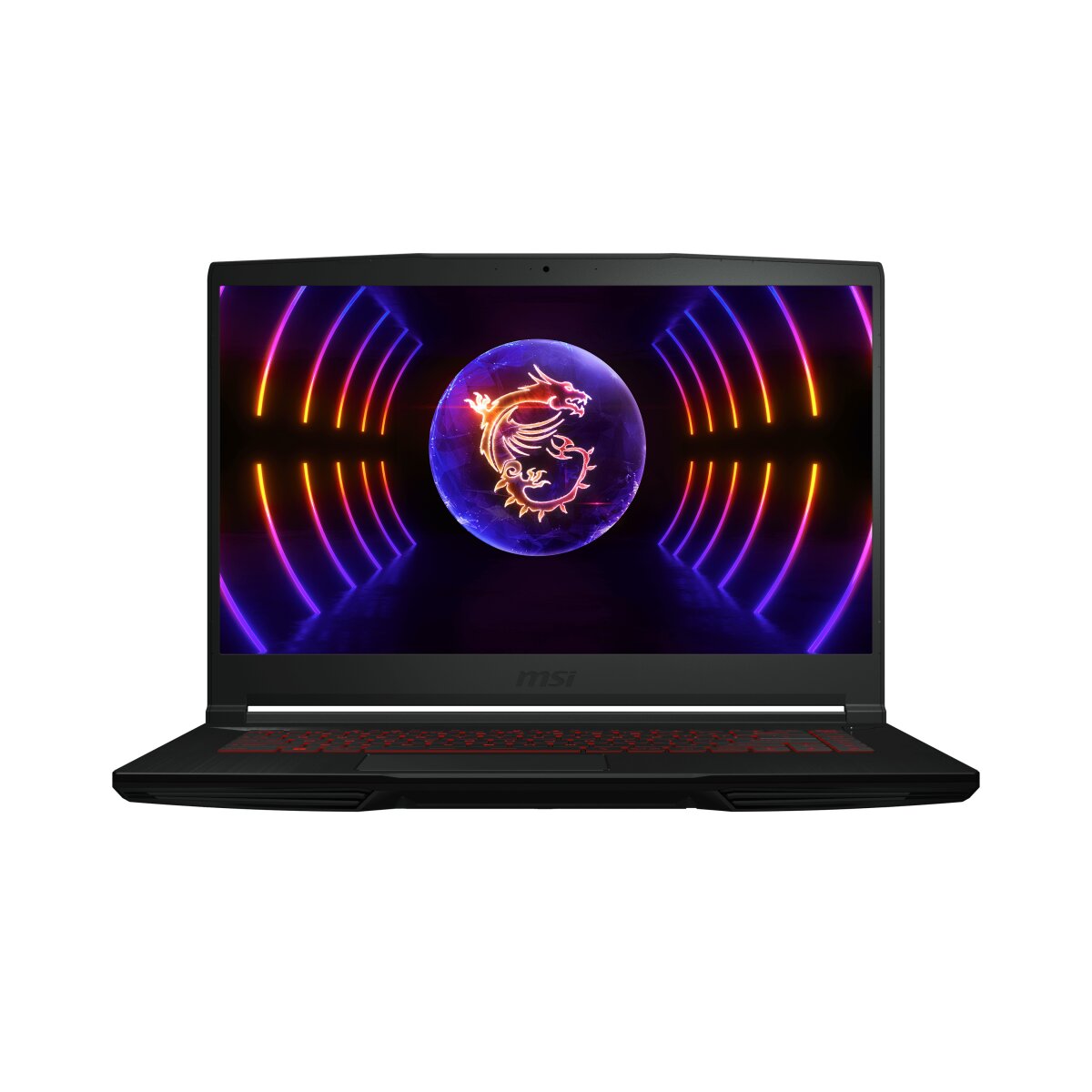
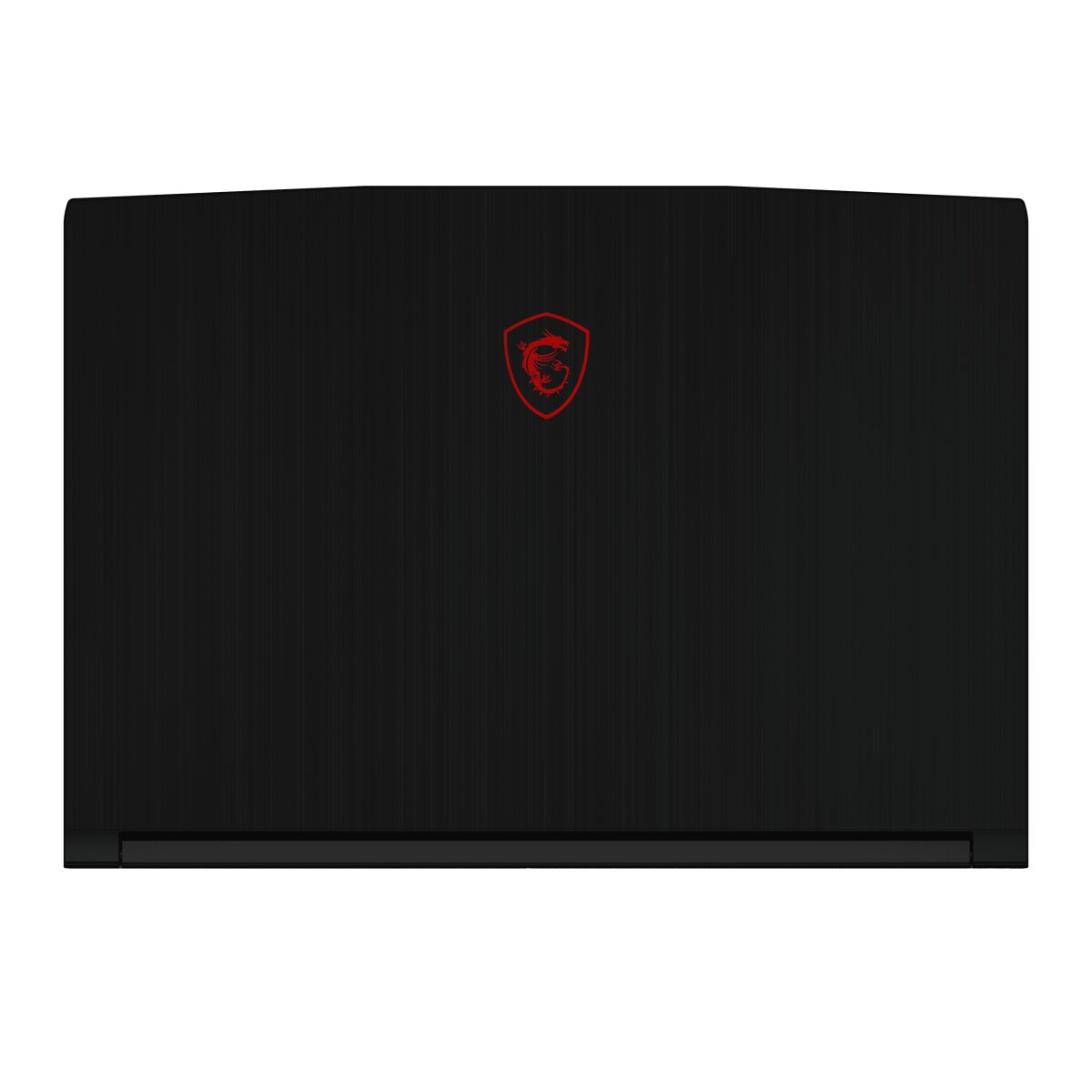
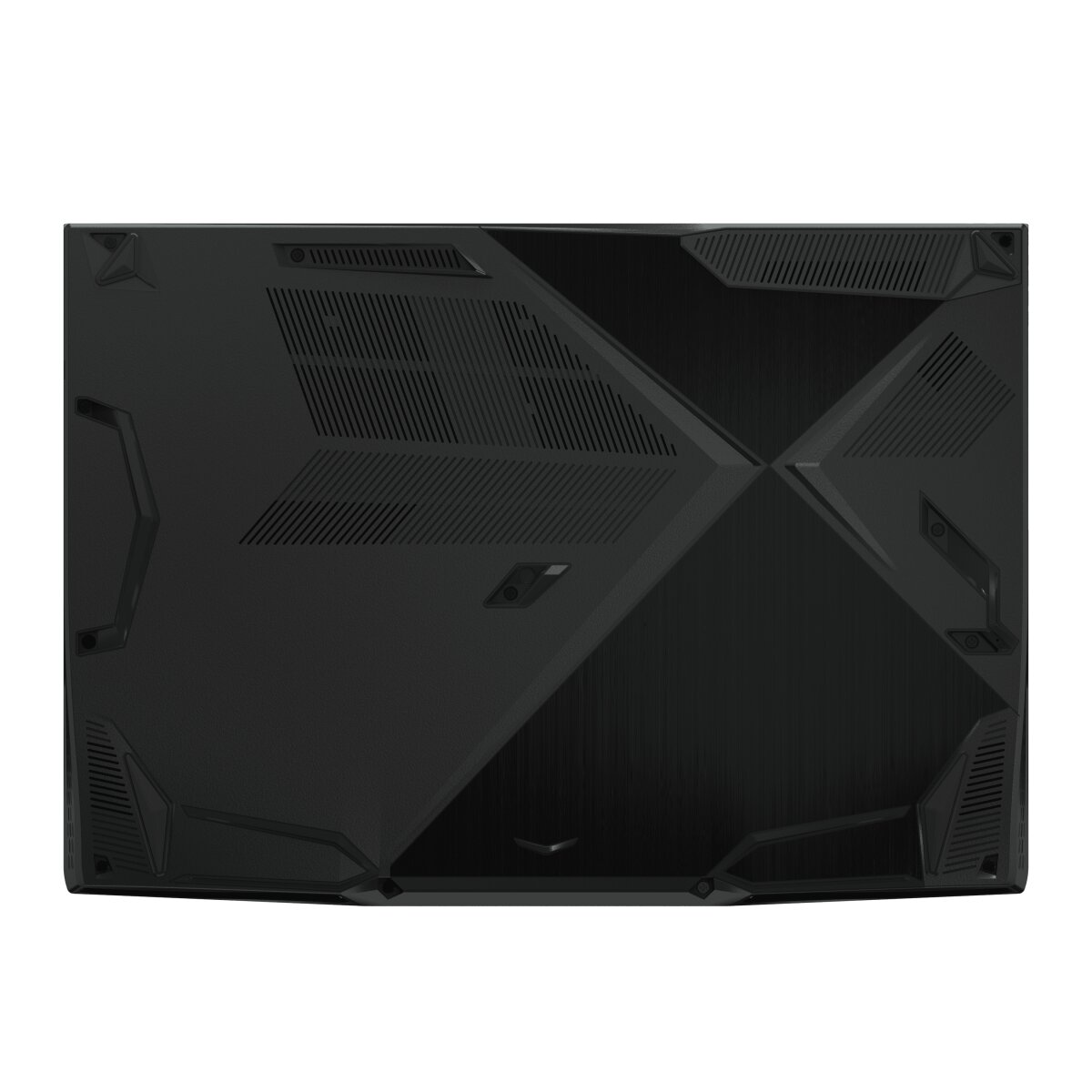
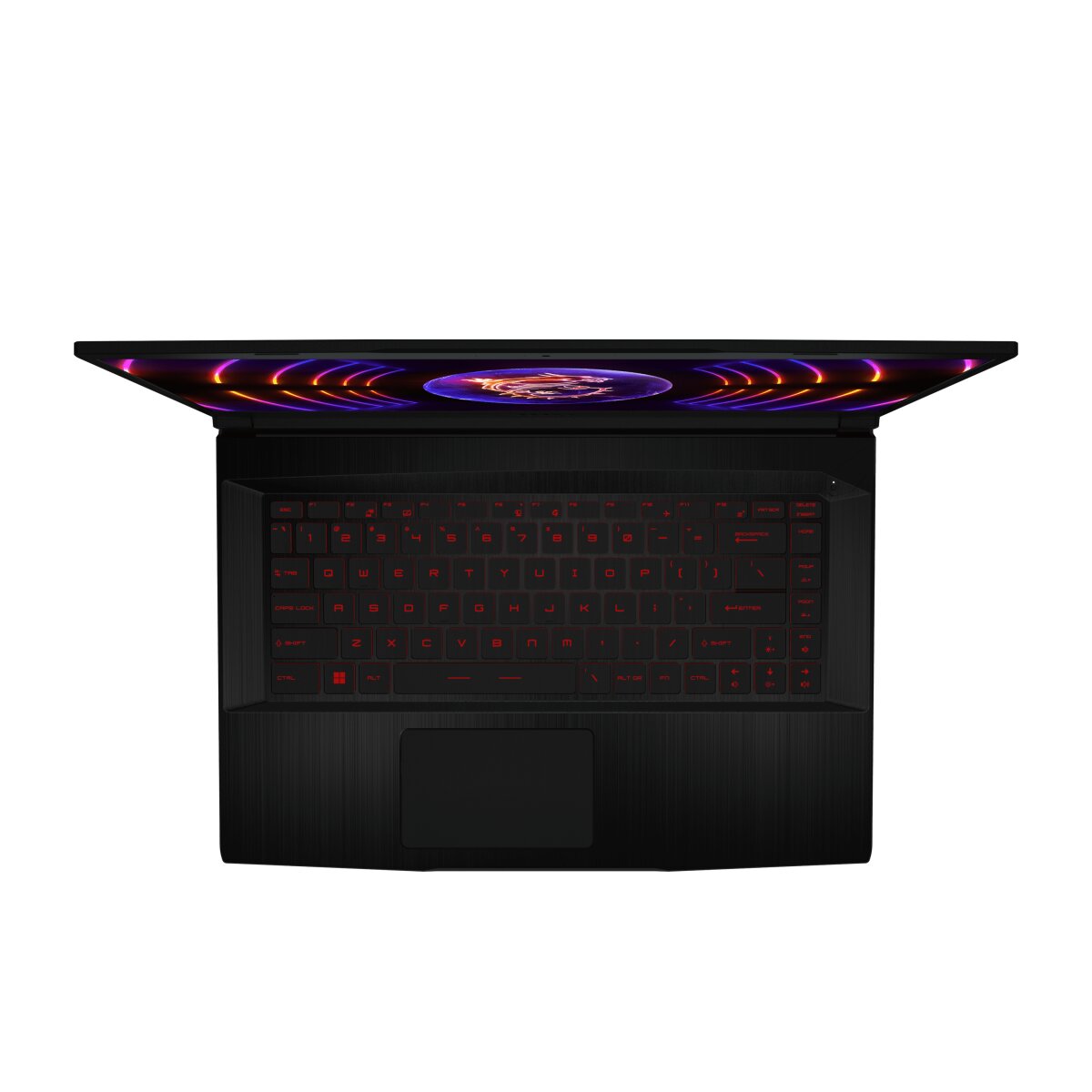
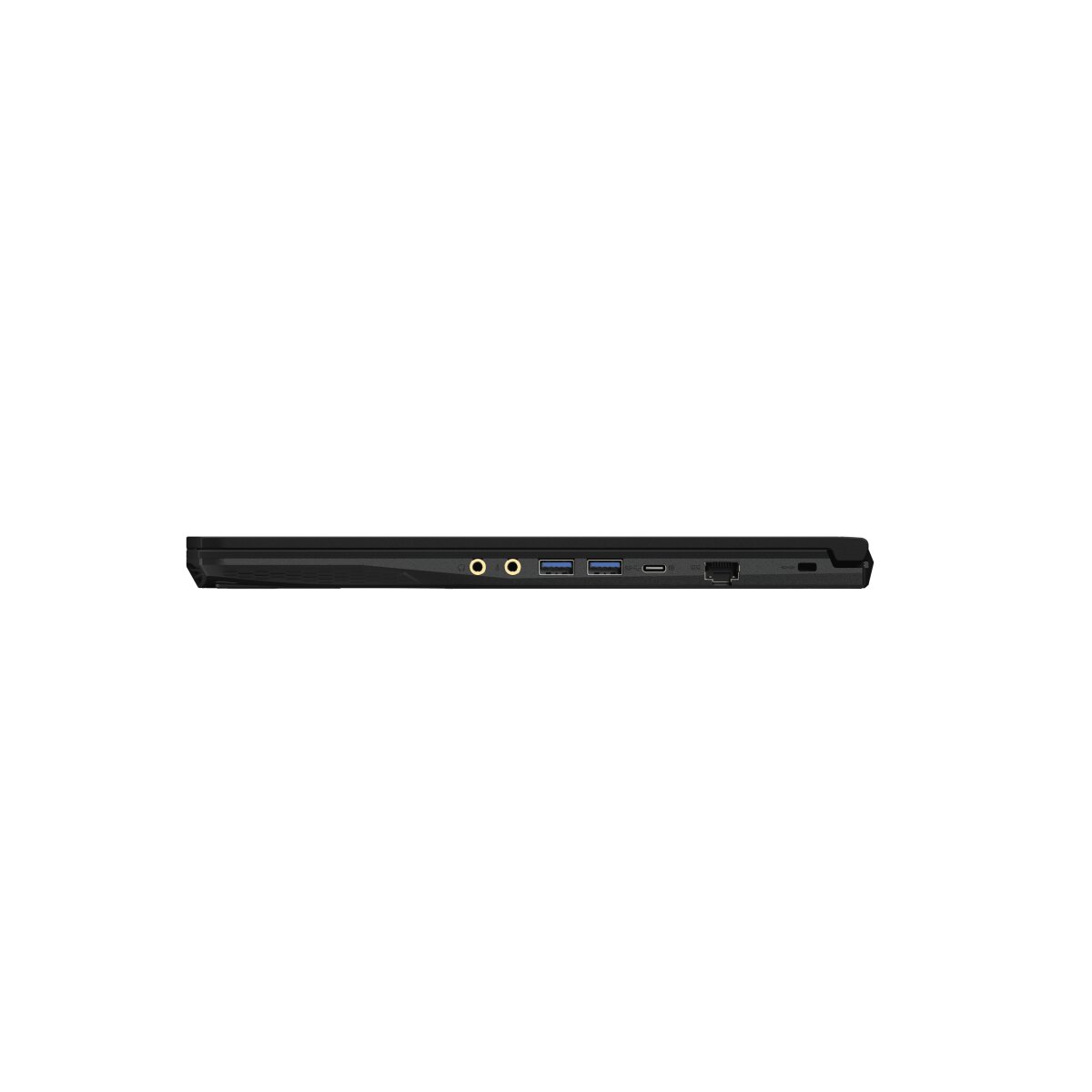
MSI Thin GF63 12UDX-446IT gaming laptop features two SO-DIMM slots supporting DDR4-SDRAM memory upgrades. Maximum RAM capacity reaches 64 GB total, with compatible modules operating at 3200 MHz frequency. Upgrade specifications allow for dual-channel memory configuration, enabling users to expand from factory-installed capacity to the maximum supported limit. SO-DIMM form factor provides standard compatibility with DDR4 memory modules meeting specifications.
Memory Upgrade Specifications
| Specification | Value |
|---|---|
| Memory slots | 2x SO-DIMM |
| Form factor | SO-DIMM |
| Memory type | DDR4-SDRAM |
| Frequency | 3200 MHz |
| Maximum RAM | 64 GB |
| Voltage | 1.2V |
| Number of pins | 260-pin |
| Interface | PC4 |
| PC Speed Rating | PC4-3200 (PC4-25600) |
| Bandwidth | 25.6 GB/s |
| Laptop Release date | 03 July 2023 |
Additional Notes
- The DDR4 SO-DIMM configuration in the MSI Thin GF63 12UDX-446IT limits future migration to DDR5 without motherboard replacement, as the physical slot designs are incompatible between these memory standards.
- Operating at 3200 MHz requires both modules to match this frequency specification, as mismatched speeds force all installed memory to downclock to the lowest common denominator, reducing available bandwidth.
- The 64 GB maximum capacity constrains virtual machine allocation and large dataset processing compared to workstation-class systems, as exceeding this threshold requires a platform change rather than a simple memory addition.
- Dual-channel operation depends on populating both slots with identical capacity modules, as asymmetric configurations default to single-channel mode for the excess capacity, halving effective bandwidth for that portion.
- SO-DIMM physical dimensions prevent standard desktop DIMM installation, restricting upgrade sources to mobile-specific memory modules that typically carry different pricing and availability compared to tower PC components.
- Mixing memory ranks between slots can introduce timing stability issues, as single-rank and dual-rank modules impose different electrical loads on the memory controller despite operating at identical frequencies.
- Accessing both memory slots in thin-chassis designs often requires complete bottom panel removal and potential thermal pad reinstallation, adding complexity beyond simple RAM insertion procedures.
- The 3200 MHz specification represents JEDEC standard DDR4 rather than overclocked XMP profiles, ensuring compatibility without BIOS adjustments but eliminating performance headroom available in unlocked desktop platforms.
- Running memory at full 3200 MHz speed may require verifying BIOS settings post-installation, as some configurations default to conservative 2933 MHz or 2666 MHz speeds until manually enabled.
- Maximum capacity utilization with 2x32 GB modules limits future expansion to complete replacement rather than incremental additions, as all upgrade paths from that configuration require discarding existing modules.