MSI Gaming Thin GF63 12UCX-898US RAM upgrade specifications
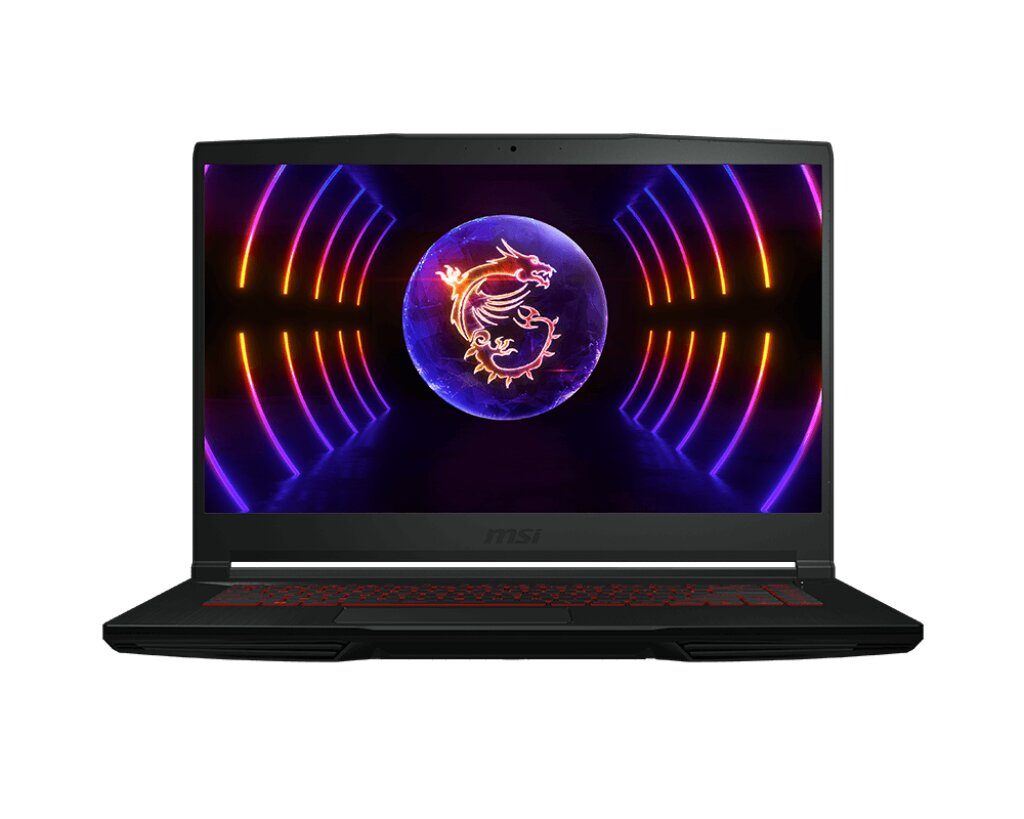
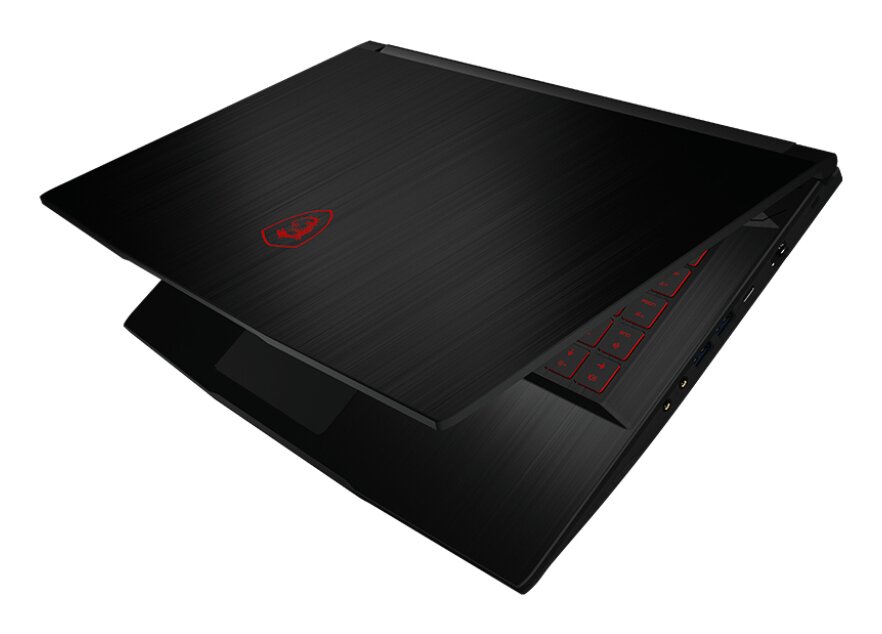
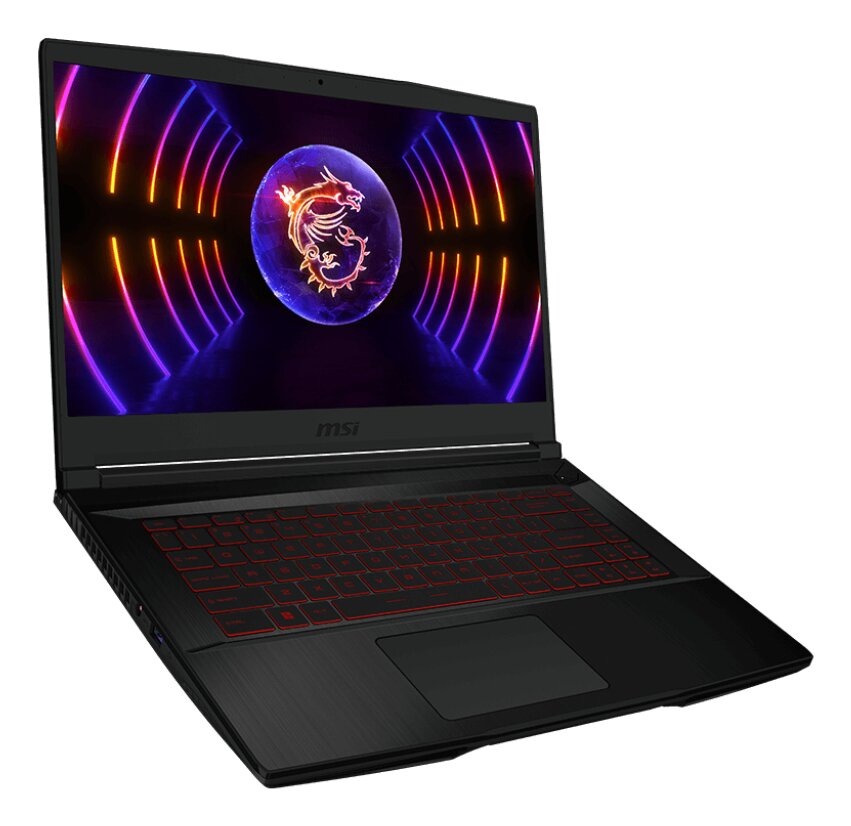
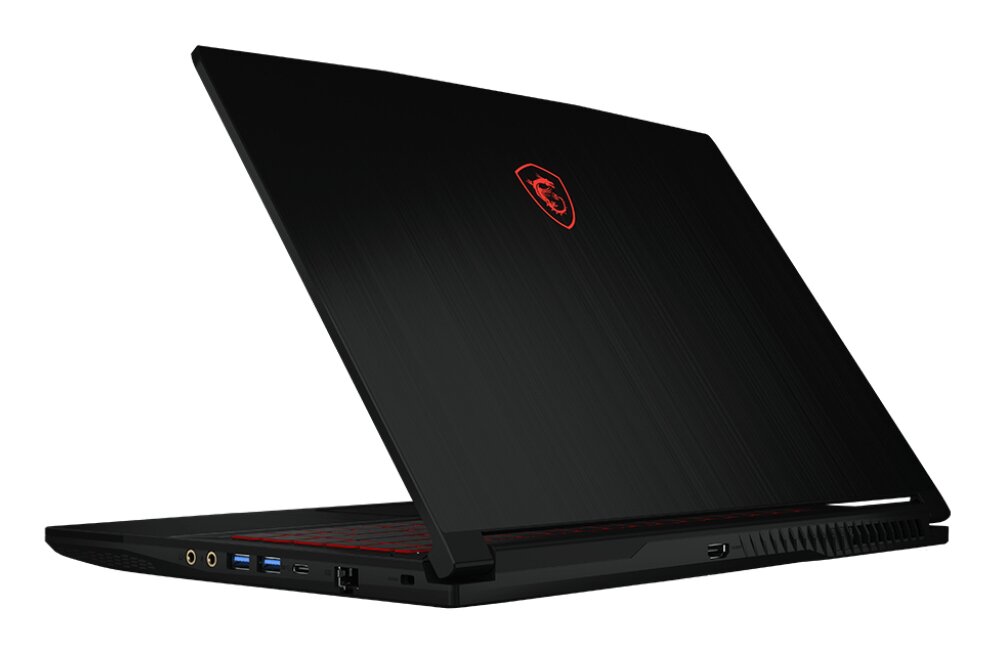
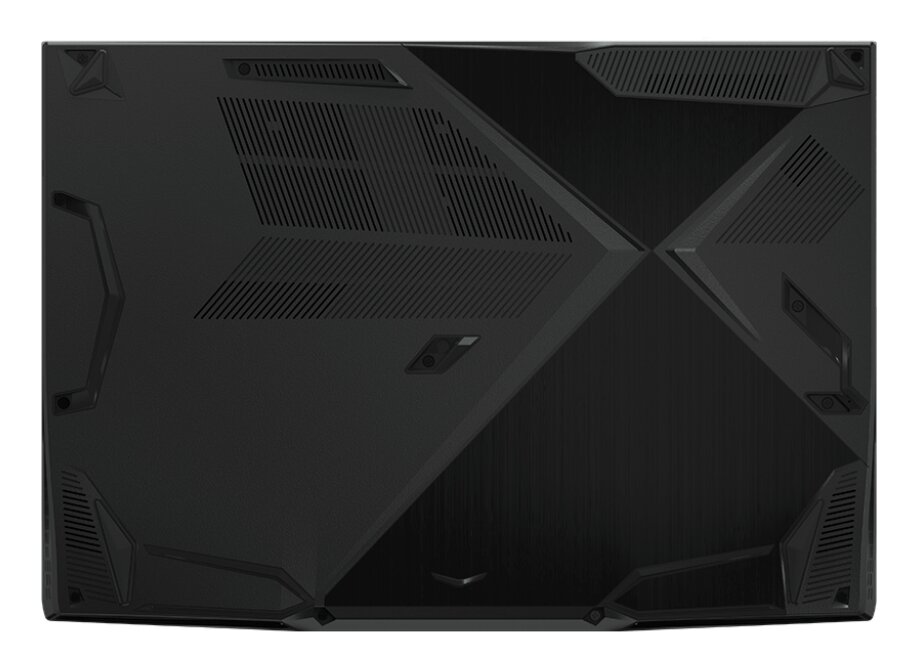
MSI Thin GF63 12UCX-898US gaming laptop features DDR4-SDRAM memory upgrade capability with two SO-DIMM slots supporting maximum 64 GB capacity. Compatible memory modules operate at 3200 MHz frequency. Specifications indicate SO-DIMM form factor for RAM upgrades, enabling users to expand memory capacity beyond factory-installed configuration on this GF series gaming model.
Memory Upgrade Specifications
| Specification | Value |
|---|---|
| Memory slots | 2x SO-DIMM |
| Form factor | SO-DIMM |
| Memory type | DDR4-SDRAM |
| Frequency | 3200 MHz |
| Maximum RAM | 64 GB |
| Voltage | 1.2V |
| Number of pins | 260-pin |
| Interface | PC4 |
| PC Speed Rating | PC4-3200 (PC4-25600) |
| Bandwidth | 25.6 GB/s |
Additional Notes
- The MSI Thin GF63 12UCX-898US supports non-ECC unbuffered modules only, as registered or ECC memory types will not function in consumer gaming platforms.
- Both slots must be populated with identical capacity and speed modules to enable dual-channel mode, which doubles memory bandwidth from 25.6 GB/s to 51.2 GB/s.
- Single-channel configurations create a bottleneck for integrated graphics tasks and high-resolution texture streaming in modern games.
- Mixing modules from different manufacturers may cause POST failures or force the system to downclock to the slowest module's JEDEC profile.
- The 64 GB maximum requires two 32 GB modules, which must operate at DDR4-3200 or lower, as higher frequencies exceed chipset specifications for Alder Lake mobile platforms.
- CAS latency ratings between CL20 and CL22 provide negligible real-world performance differences at 3200 MHz, making CL22 modules acceptable for cost optimization.
- Installing modules faster than 3200 MHz will result in automatic downclocking to the native supported frequency without performance gains.
- Low-profile SO-DIMM height (30mm maximum) is standard, but modules with oversized heat spreaders may interfere with the bottom panel closure in thin chassis designs.
- The bottom panel requires complete removal to access both memory slots, as sliding panels or dedicated access doors are not present in this chassis generation.
- Operating voltage must remain at the JEDDR4 standard of 1.2V, as higher-voltage XMP profiles designed for desktop overclocking are incompatible with mobile power delivery systems.
- Warranty preservation requires avoiding physical damage to the retention clips during installation, as bent or broken clips indicate user handling and void coverage on motherboard defects.
- Modules rated for DDR4-2933 will function but automatically clock up to 3200 MHz if the SPD profile supports it, otherwise remaining at 2933 MHz with reduced bandwidth.