MSI Gaming Thin GF63 12UDX-038CA RAM upgrade specifications
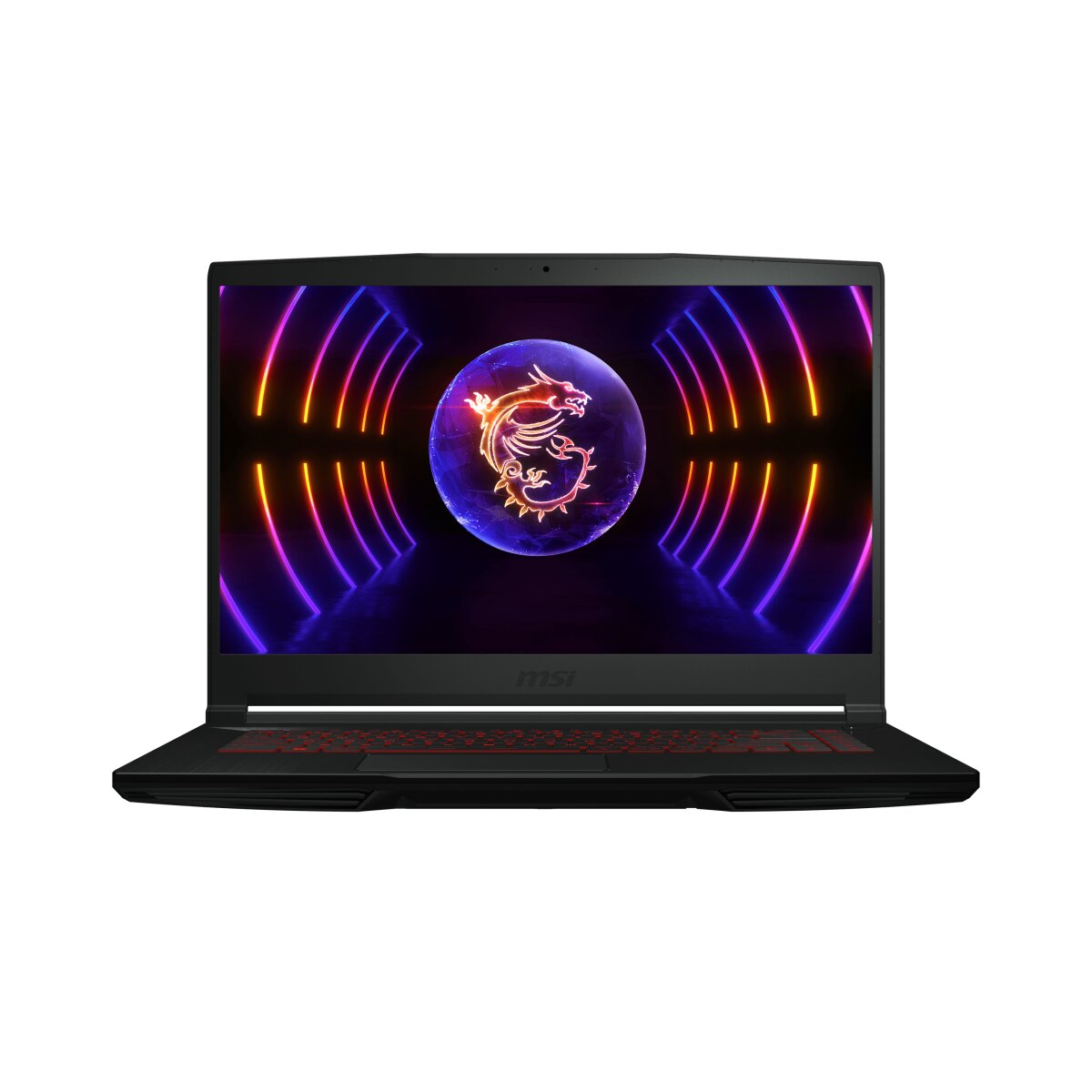
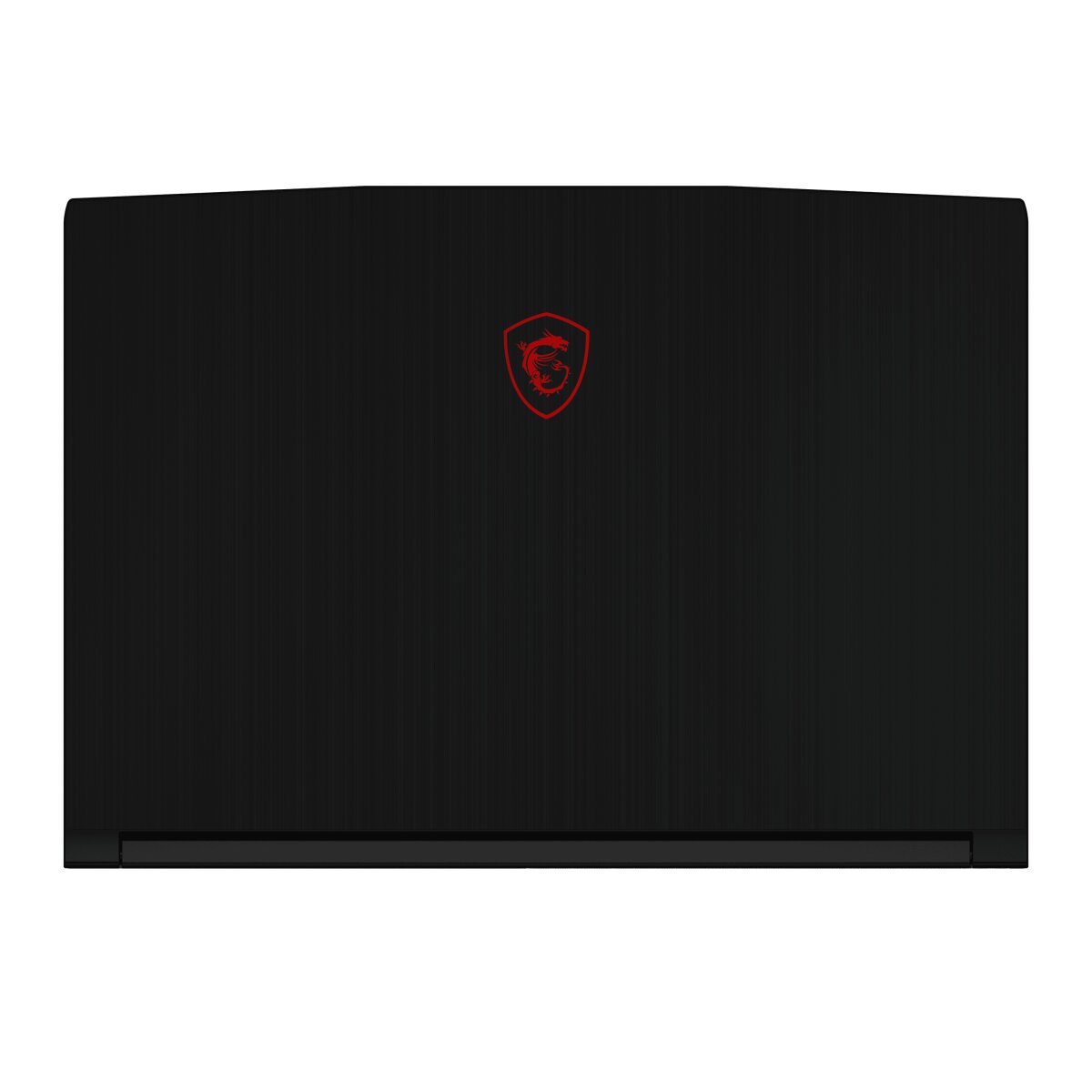
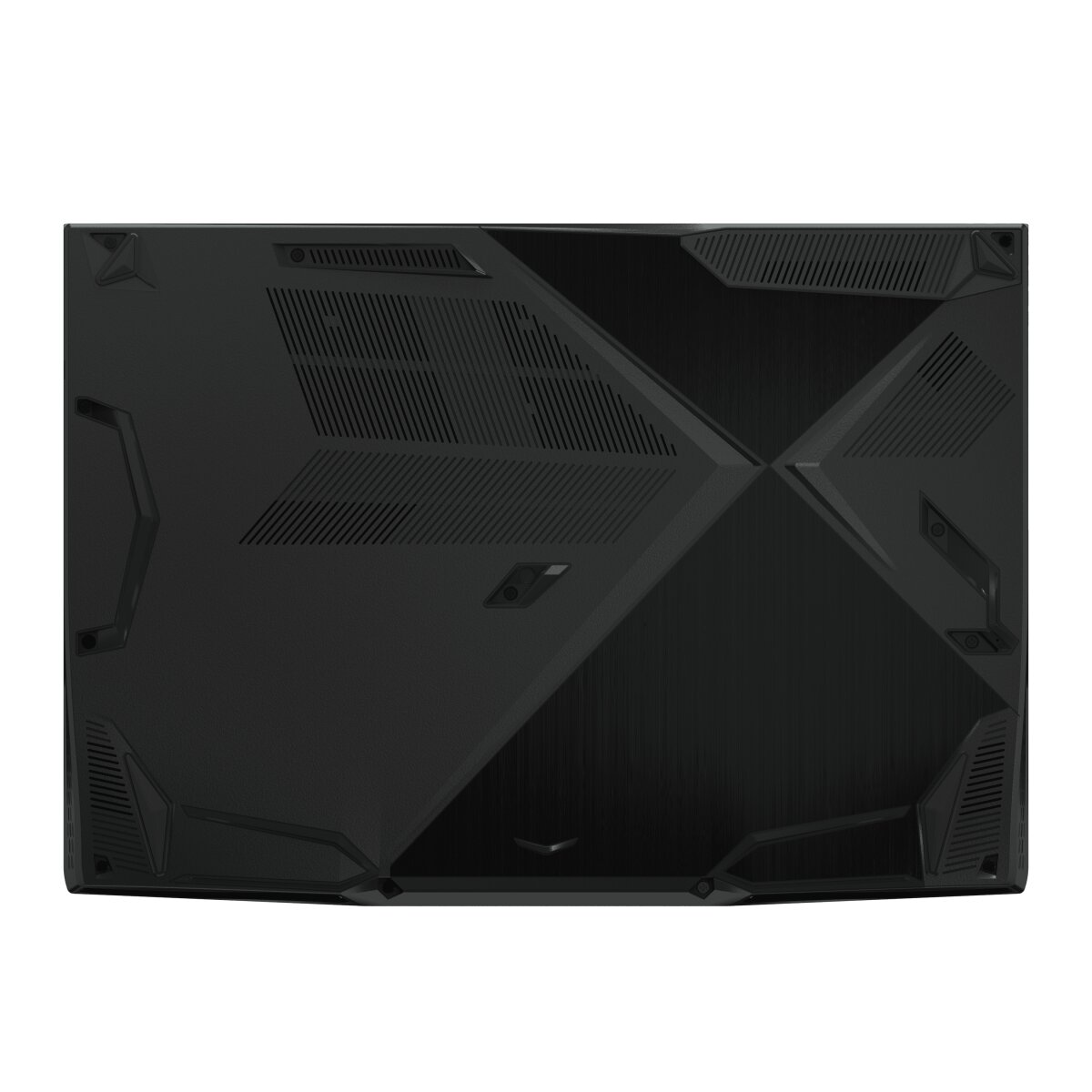
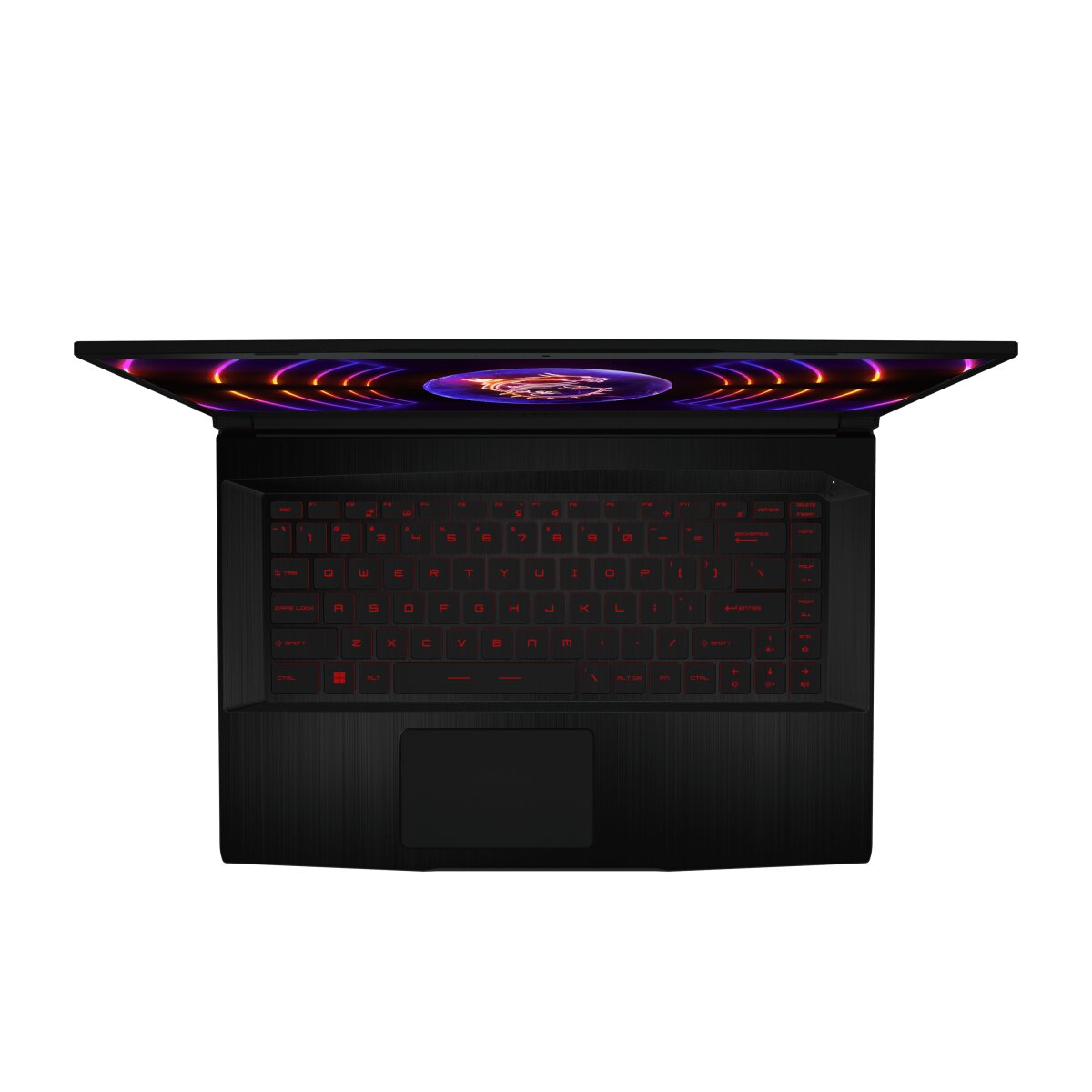
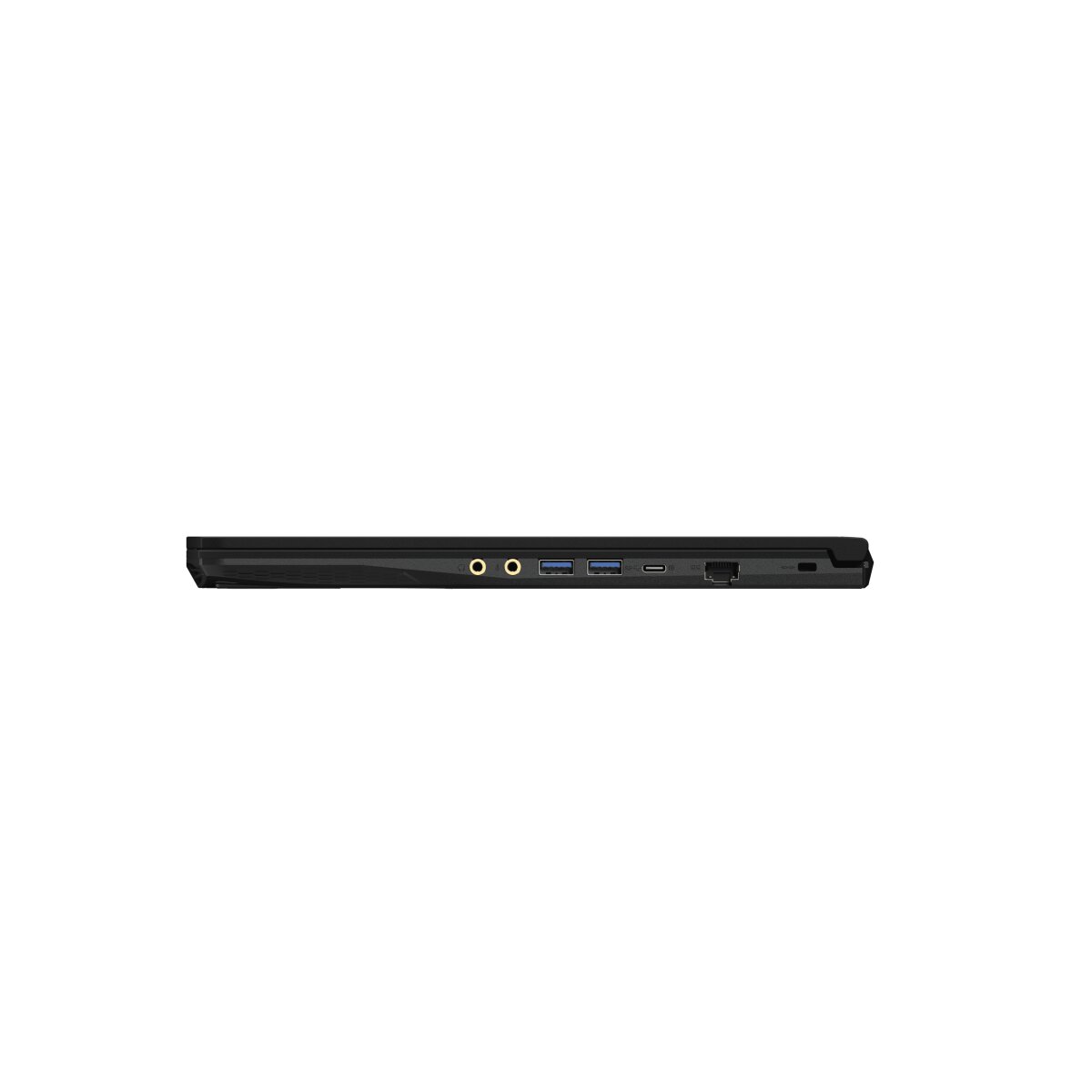
The MSI Thin GF63 12UDX-038CA gaming laptop features DDR4-SDRAM memory specifications. The device includes two SO-DIMM slots for memory expansion. Maximum compatible RAM capacity reaches 64 GB total. Standard memory operates at 3200 MHz frequency. Upgrades utilize SO-DIMM form factor modules. Current memory configuration supports DDR4 technology. The Gaming GF series specifications allow for incremental RAM capacity increases through slot-based expansion. Compatible upgrade modules must match DDR4-SDRAM standards and 3200 MHz specifications for optimal laptop performance and compatibility.
Memory Upgrade Specifications
| Specification | Value |
|---|---|
| Memory slots | 2x SO-DIMM |
| Form factor | SO-DIMM |
| Memory type | DDR4-SDRAM |
| Frequency | 3200 MHz |
| Maximum RAM | 64 GB |
| Voltage | 1.2V |
| Number of pins | 260-pin |
| Interface | PC4 |
| PC Speed Rating | PC4-3200 (PC4-25600) |
| Bandwidth | 25.6 GB/s |
| Laptop Release date | 19 March 2023 |
Additional Notes
- Dual channel architecture requires matching module pairs to maximize memory bus bandwidth and reduce latency during high load gaming scenarios.
- The MSI Thin GF63 12UDX-038CA utilizes a 260 pin physical interface necessitating specific mobile small outline modules rather than standard height desktop components.
- Internal space limitations within the chassis prevent the installation of modules equipped with oversized integrated heat spreaders due to vertical clearance around the motherboard.
- The system firmware restricts clocks to the JEDEC 3200 standard which results in higher frequency modules downclocking to maintain stability without XMP profile support.
- Upgrading beyond 1 slot occupies the secondary bank and requires careful handling of the fragile plastic retention clips common to the internal frame design.
- Reaching the 64 GB limit involves replacing existing pre-installed modules as the board lacks additional solder points or expansion headers.
- Latency performance depends on choosing modules with low CL ratings since the BIOS typically lacks manual timing adjustment options for memory tuning.