MSI Gaming GL62M 7RDX-2454NE RAM upgrade specifications
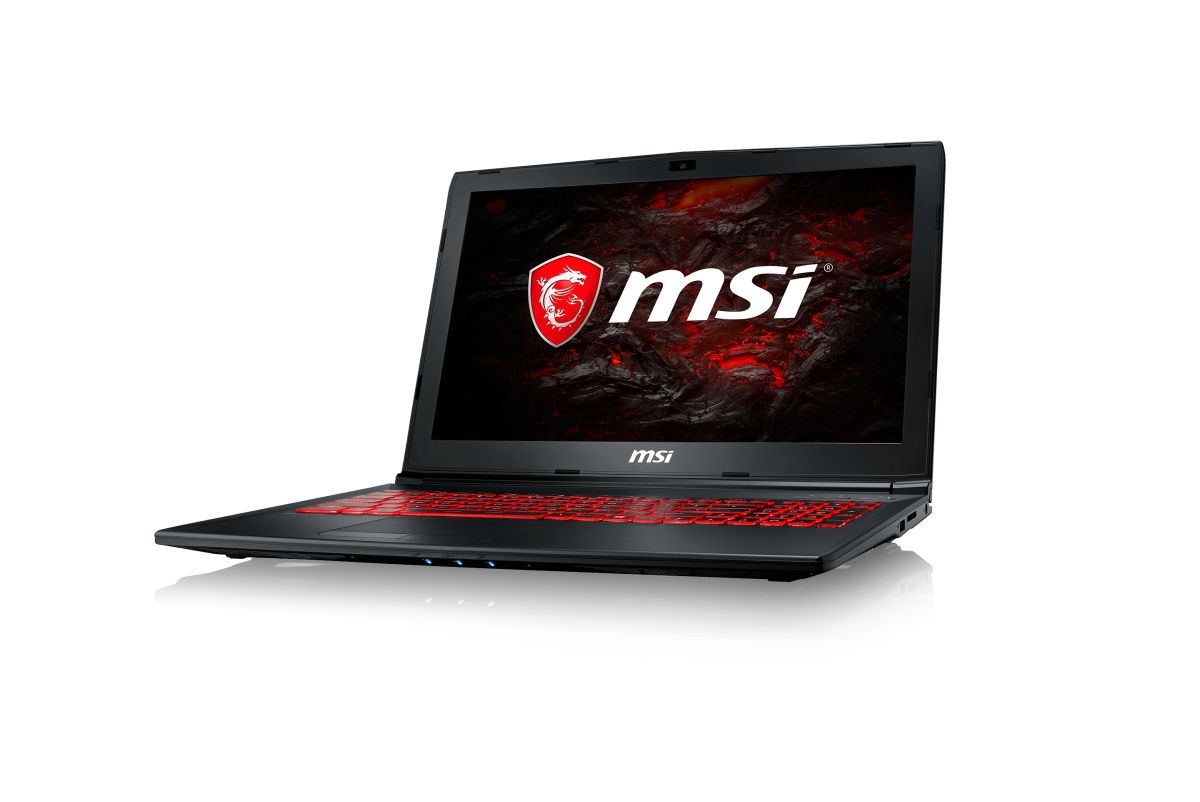
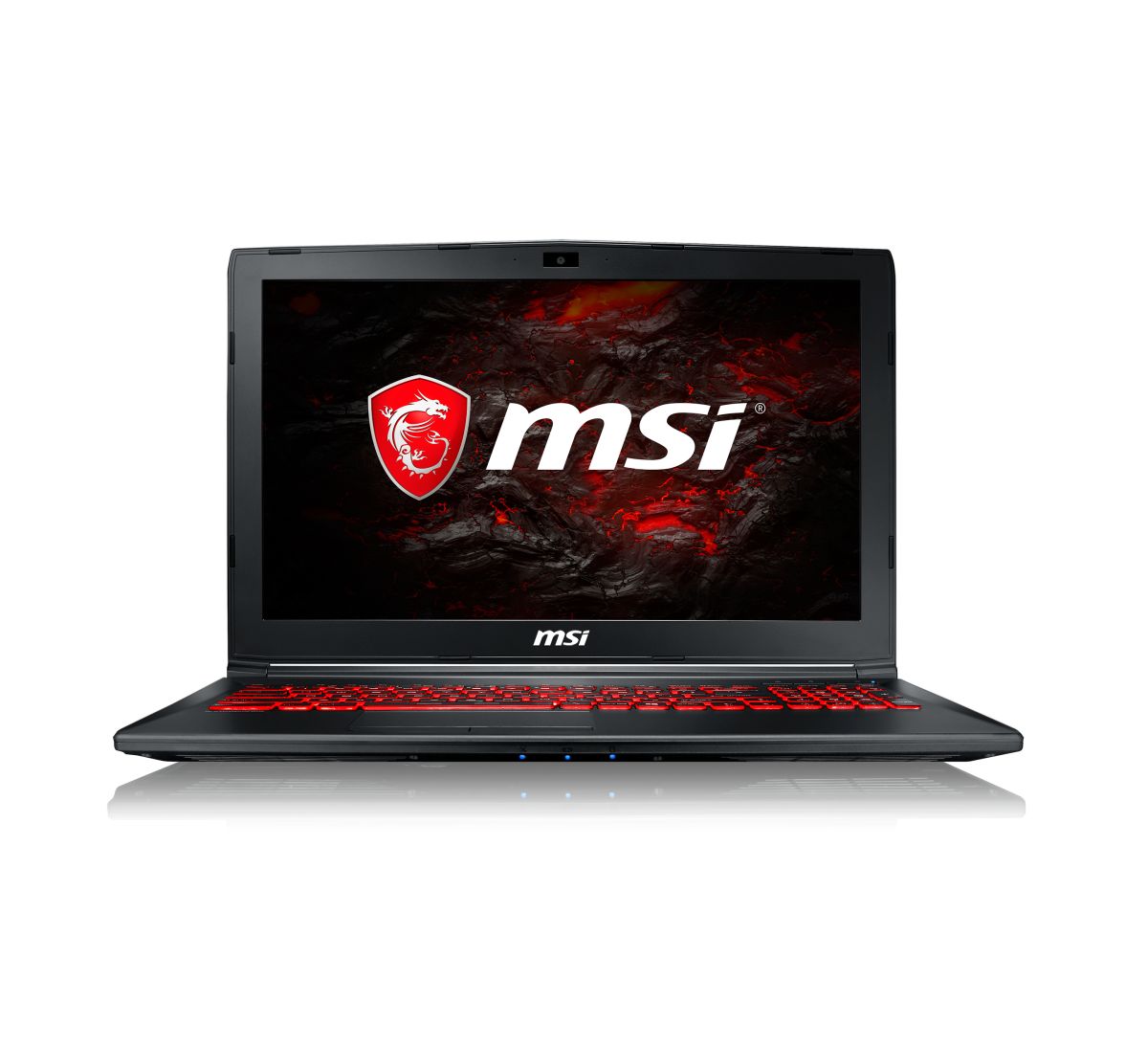
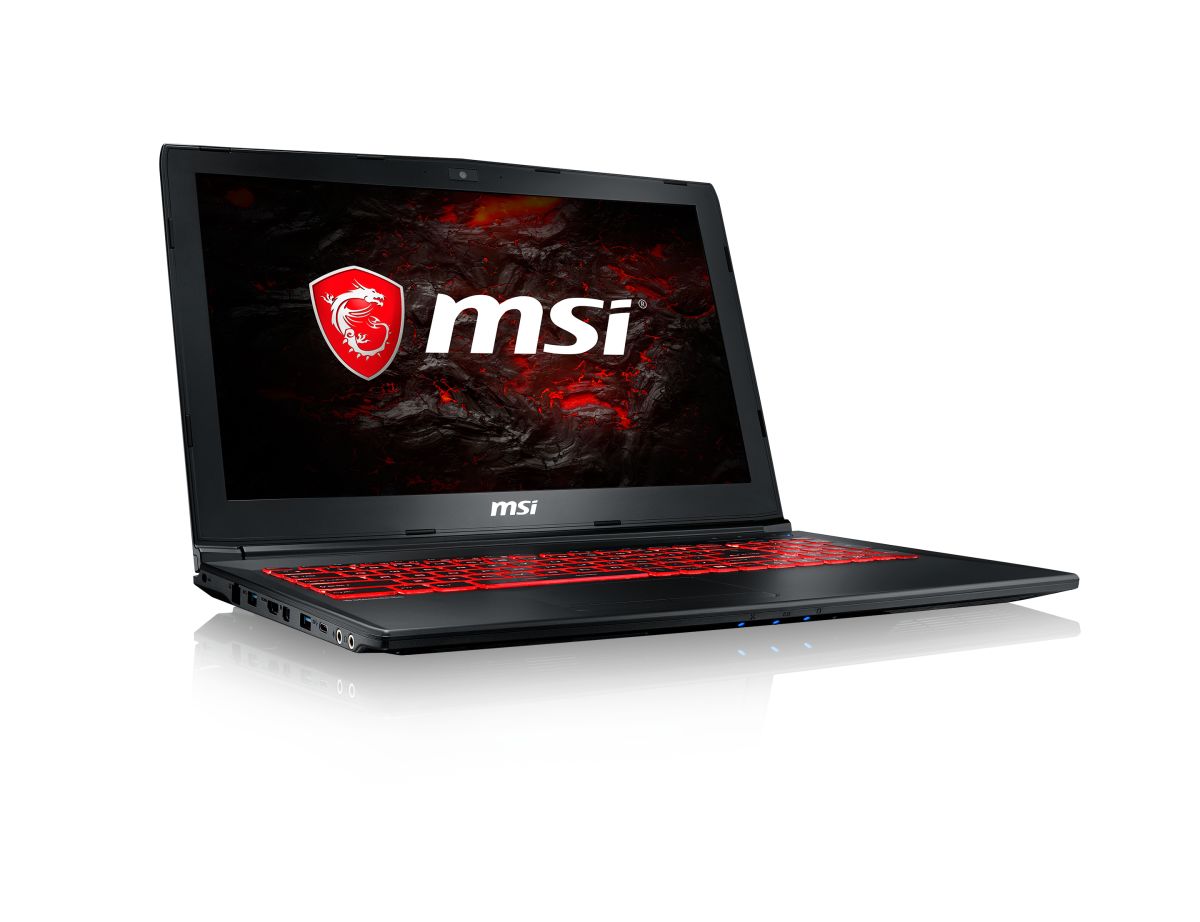

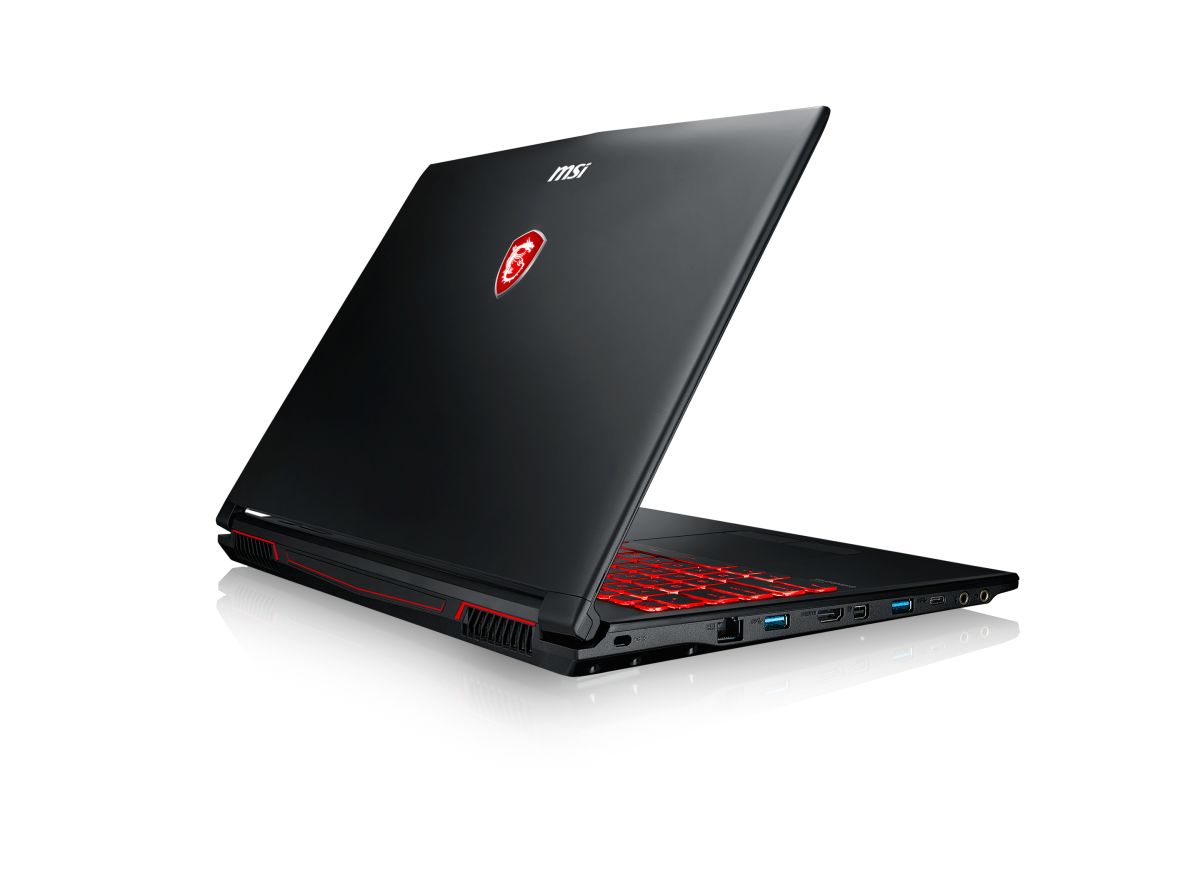
MSI GL62M 7RDX-2454NE Gaming series laptop supports DDR4-SDRAM memory upgrades through two SO-DIMM slots. Maximum RAM capacity reaches 32 GB with DDR4-2400 MHz specifications. Compatible memory modules utilize SO-DIMM form factor. The upgrade configuration enables expansion from factory configuration to full 32 GB capacity across dual memory slots. Specifications indicate standard DDR4 compatibility at 2400 MHz frequency for this Gaming GL series model.
Memory Upgrade Specifications
| Specification | Value |
|---|---|
| Memory slots | 2x SO-DIMM |
| Form factor | SO-DIMM |
| Memory type | DDR4-SDRAM |
| Frequency | 2400 MHz |
| Maximum RAM | 32 GB |
| Voltage | 1.2V |
| Number of pins | 260-pin |
| Interface | PC4 |
| PC Speed Rating | PC4-2400 (PC4-19200) |
| Bandwidth | 19.2 GB/s |
| Laptop Release date | 05 March 2018 |
Additional Notes
- The 2 SO-DIMM configuration in this MSI Gaming GL62M 7RDX-2454NE limits expansion to a single replacement operation, requiring both slots to be populated with 16 GB modules to reach the 32 GB ceiling.
- DDR4-2400 operates at a lower bandwidth threshold compared to DDR4-2666 or DDR4-3200 variants, potentially constraining frame rate stability in GPU-intensive gaming scenarios where memory throughput becomes a secondary bottleneck.
- The 7th generation Intel Core architecture, typical of this gaming series production period, does not support DDR4 frequencies above 2400 MHz without BIOS-level XMP activation, and such profiles may trigger stability issues with non-validated modules.
- Mixing module densities across the 2 slots, such as pairing 8 GB with 16 GB, disables dual-channel interleaving for the non-matching capacity portion, reducing effective bandwidth by approximately 50 percent for that segment of installed memory.
- SO-DIMM installations in this chassis require removal of the bottom panel and discharge of residual capacitor voltage before module insertion to prevent ESD damage to the memory controller.
- Non-ECC unbuffered DDR4 modules remain the only compatible specification, as the mobile chipset lacks Error-Correcting Code logic and buffered topologies exceed voltage tolerances for this platform.
- Thermal constraints within the confined SO-DIMM area may elevate module temperatures beyond 85 degrees Celsius under sustained CPU and GPU co-loading, accelerating degradation of budget-tier ICs without integrated heat spreaders.
- Aftermarket modules rated for JEDEC DDR4-2400 CL17 timing profiles maintain broader compatibility with this system's SPD validation routine compared to aggressive CL15 or CL14 variants marketed for desktop overclocking.
- Warranty preservation requires verification that memory upgrades fall within MSI's user-serviceable component policy, as some regional SKUs void coverage upon unauthorized disassembly of soldered RAM systems, though this model's socketed design typically permits end-user replacement.