MSI Gaming GL62M 7RDX-2613XFR RAM upgrade specifications
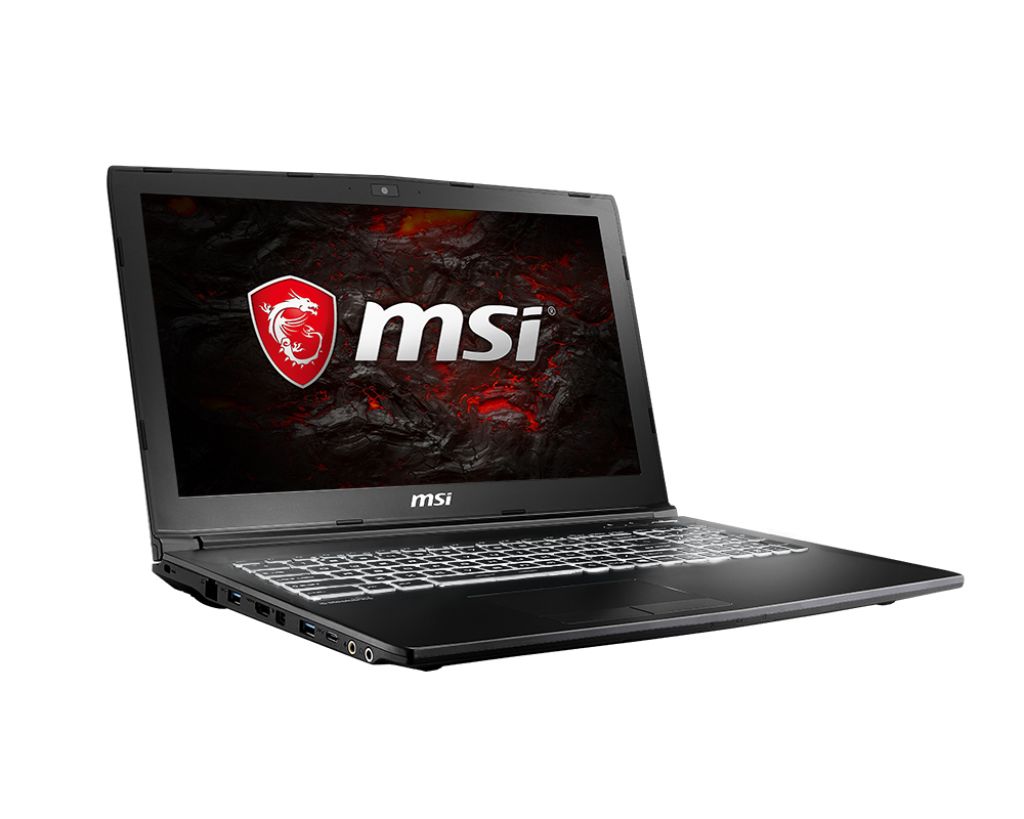

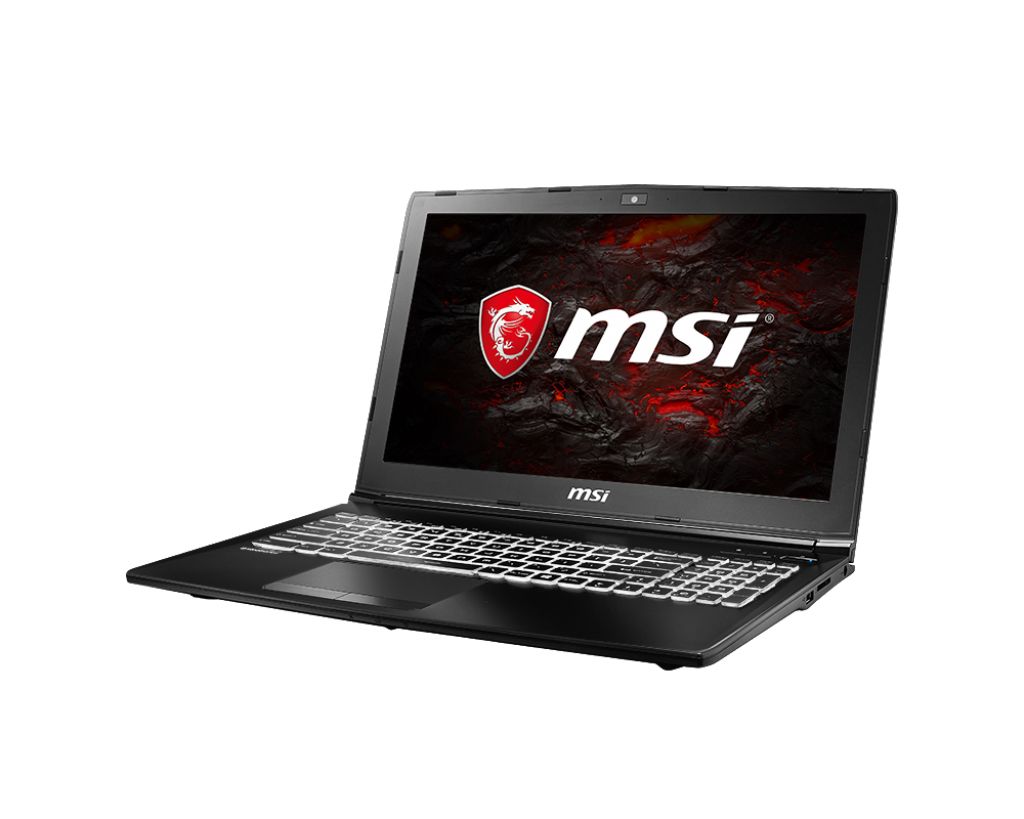
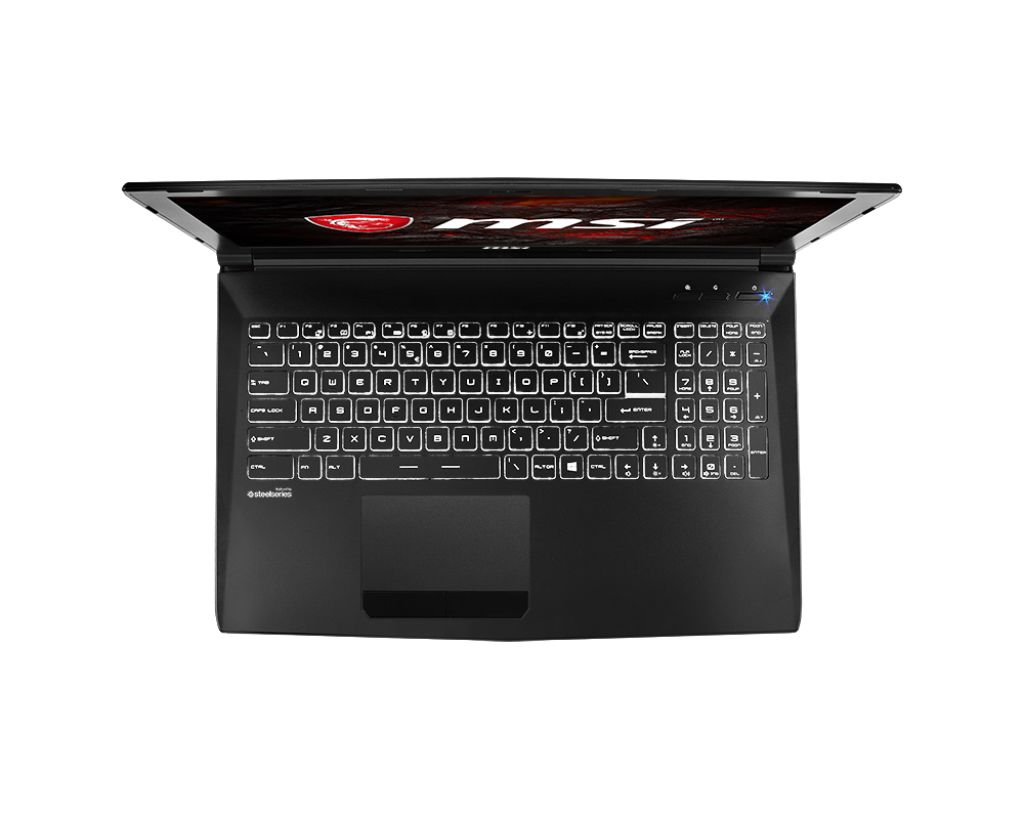
The MSI GL62M 7RDX-2613XFR Gaming series laptop features DDR4-SDRAM memory upgrade specifications. The system contains 2x SO-DIMM slots for memory expansion, supporting a maximum RAM capacity of 32 GB total. Compatible memory modules operate at 2400 MHz frequency with SO-DIMM form factor. Upgrade specifications enable users to enhance system performance by installing additional DDR4 memory modules into available slots, subject to maximum capacity limitations and frequency compatibility requirements for the GL62M 7RDX-2613XFR model.
Memory Upgrade Specifications
| Specification | Value |
|---|---|
| Memory slots | 2x SO-DIMM |
| Form factor | SO-DIMM |
| Memory type | DDR4-SDRAM |
| Frequency | 2400 MHz |
| Maximum RAM | 32 GB |
| Voltage | 1.2V |
| Number of pins | 260-pin |
| Interface | PC4 |
| PC Speed Rating | PC4-2400 (PC4-19200) |
| Bandwidth | 19.2 GB/s |
| Laptop Release date | 27 February 2018 |
Additional Notes
- DDR4-2400 memory operates at a lower frequency tier than contemporary DDR4 standards (2666 MHz and above), resulting in reduced bandwidth availability for memory-intensive gaming workloads and potential frame rate limitations in CPU-bound scenarios.
- The 2 SO-DIMM slot configuration in this MSI Gaming GL62M 7RDX-2613XFR permits no expansion beyond 32 GB total capacity, establishing a hard ceiling for future memory scaling regardless of application demands.
- SO-DIMM form factor compatibility restricts upgrade options to laptop-specific memory modules; desktop DDR4 UDIMM modules cannot be physically installed, narrowing the vendor selection and potentially increasing per-gigabyte costs compared to desktop memory markets.
- The 32 GB maximum capacity ceiling means dual-channel configuration (2 x 16 GB SO-DIMM) represents the final achievable configuration; single-module upgrades to 16 GB per slot exhaust upgrade pathways entirely.
- DDR4-2400 frequency alignment with 7th-generation Intel Core processors (Kaby Lake architecture) indicates memory subsystem tuning occurred for that CPU generation; mixing memory frequencies across slots may force the entire memory bus to operate at the lowest common frequency, negating speed advantages of faster modules.
- Installing memory modules beyond the 2400 MHz specification may trigger BIOS compatibility warnings or force automatic downclocking to native 2400 MHz speeds, eliminating the performance premium of higher-frequency DDR4 variants.