MSI Gaming GL62M 7REX-2660CZ RAM upgrade specifications
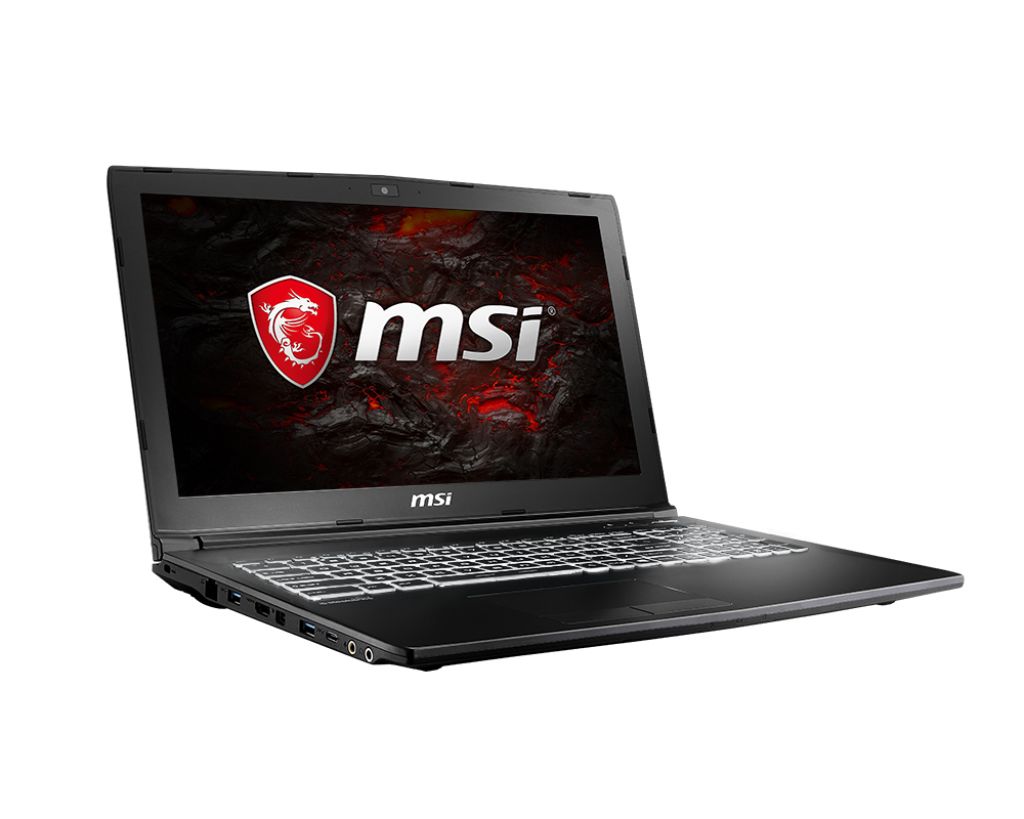
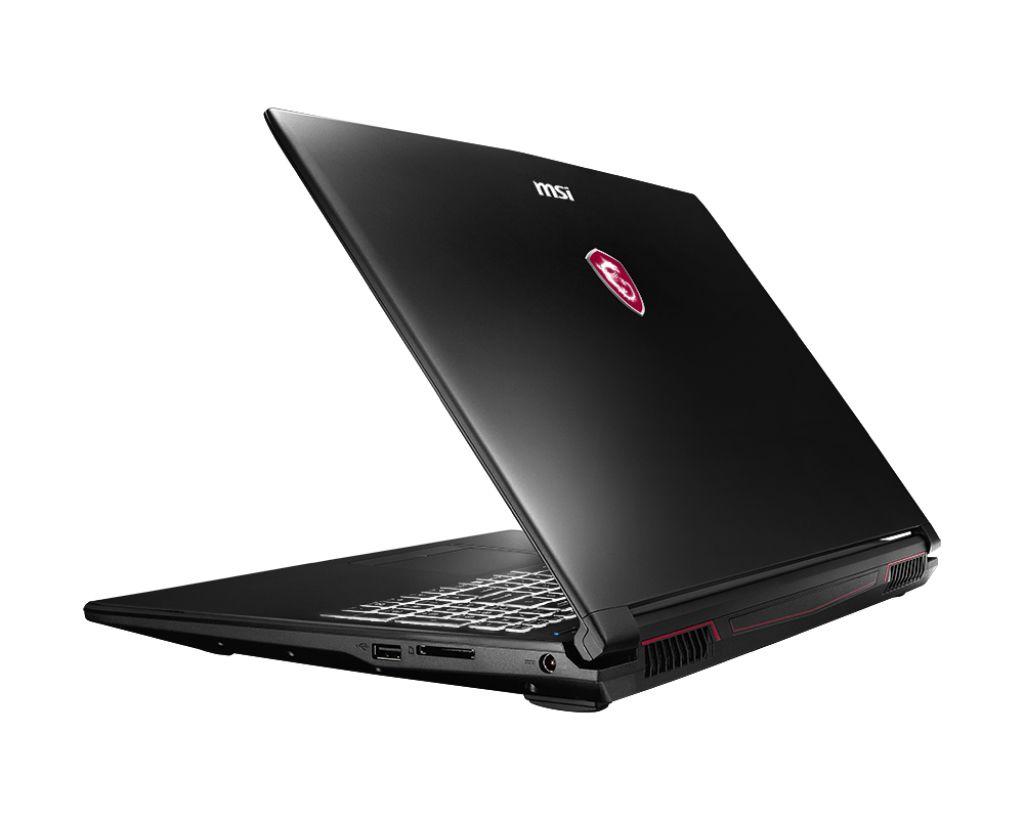
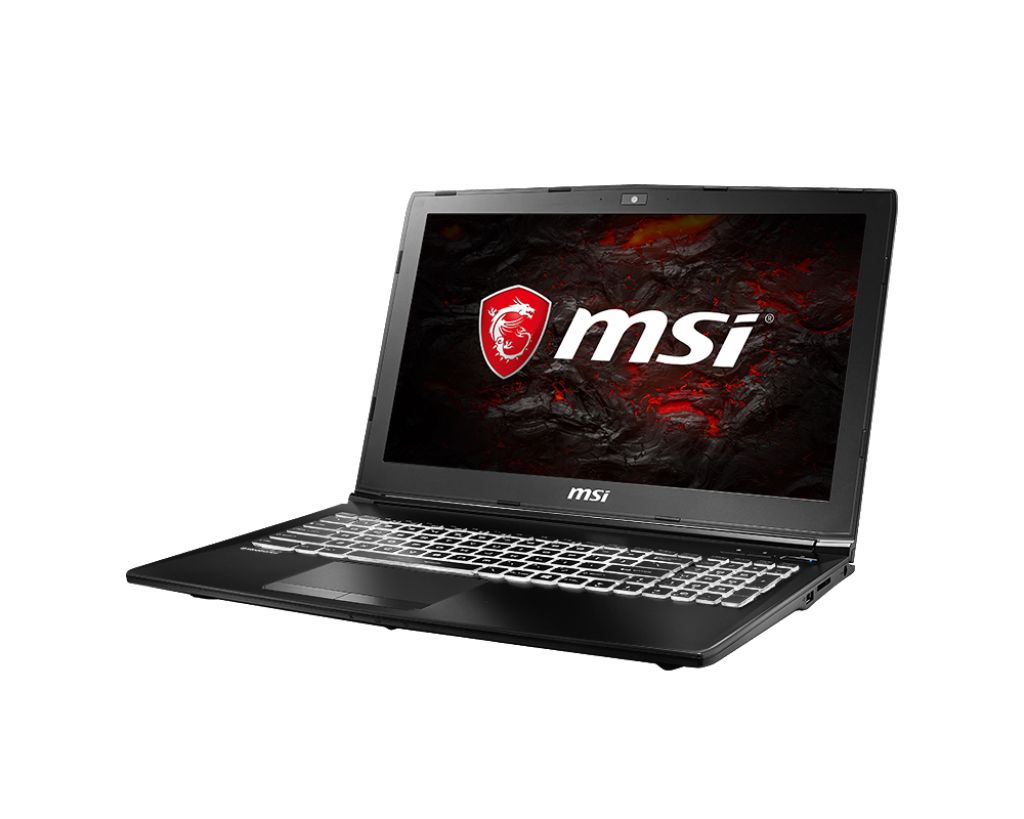
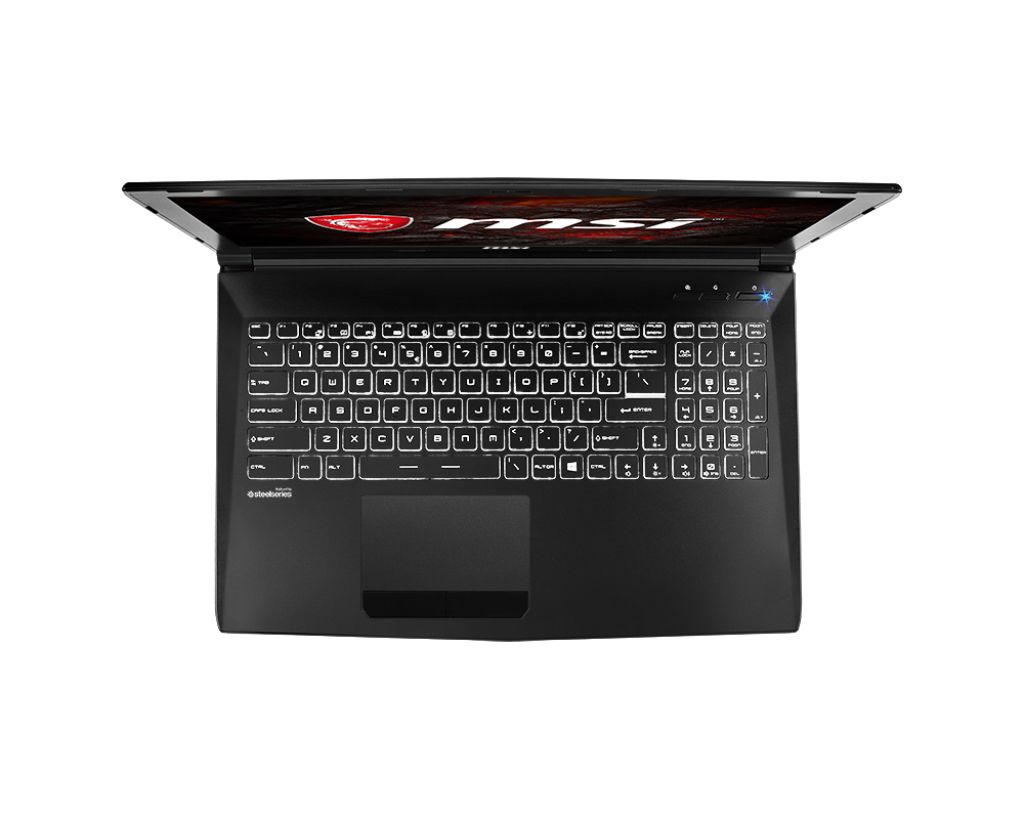
MSI GL62M 7REX-2660CZ gaming laptop memory upgrade specifications include DDR4-SDRAM compatible modules in SO-DIMM form factor. The device features 2 memory slots supporting maximum RAM capacity of 32 GB total. Upgrade modules operate at 2400 MHz frequency. Compatible memory specifications enable RAM expansion for enhanced multitasking performance on the GL series gaming platform.
Memory Upgrade Specifications
| Specification | Value |
|---|---|
| Memory slots | 2x SO-DIMM |
| Form factor | SO-DIMM |
| Memory type | DDR4-SDRAM |
| Frequency | 2400 MHz |
| Maximum RAM | 32 GB |
| Voltage | 1.2V |
| Number of pins | 260-pin |
| Interface | PC4 |
| PC Speed Rating | PC4-2400 (PC4-19200) |
| Bandwidth | 19.2 GB/s |
| Laptop Release date | 03 May 2018 |
Additional Notes
- The MSI GL62M 7REX-2660CZ uses SO-DIMM memory modules, which are physically smaller than standard DIMM form factors and require installation in a confined laptop chassis with limited accessibility.
- DDR4-2400 MHz represents a bandwidth ceiling of 19.2 GB/s per channel. Upgrading to faster DDR4 modules (2666 MHz or higher) will not yield performance gains on this platform due to inherent controller limitations in 7th-generation Intel processors.
- A 32 GB maximum capacity means the system supports 2x16 GB SO-DIMM configuration. Mixed-capacity configurations (such as 8 GB plus 16 GB) operate at the speed of the slower module and waste available memory slots.
- The 2-slot architecture creates a thermal density concern when upgrading to maximum capacity. Higher-density modules (16 GB SO-DIMM) produce more heat per unit volume than lower-density equivalents, potentially affecting sustained performance in the gaming workload this chassis was designed for.
- DDR4-SDRAM SO-DIMM modules sourced for this system must match the 2400 MHz specification exactly or operate at reduced frequency. Purchasing faster modules unnecessarily increases acquisition costs without functional benefit.
- Warranty validity depends on module sourcing method. Manufacturer-listed compatible components carry implicit support, while third-party modules require independent verification of compatibility to preserve coverage eligibility.