MSI Gaming GL62M 7REX-2806 RAM upgrade specifications
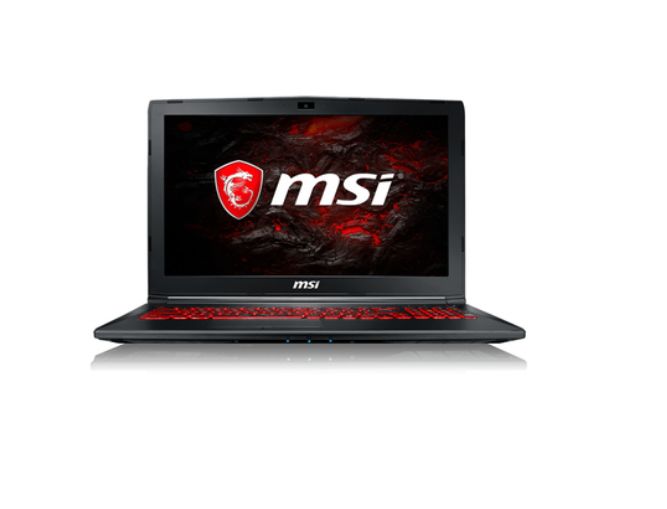
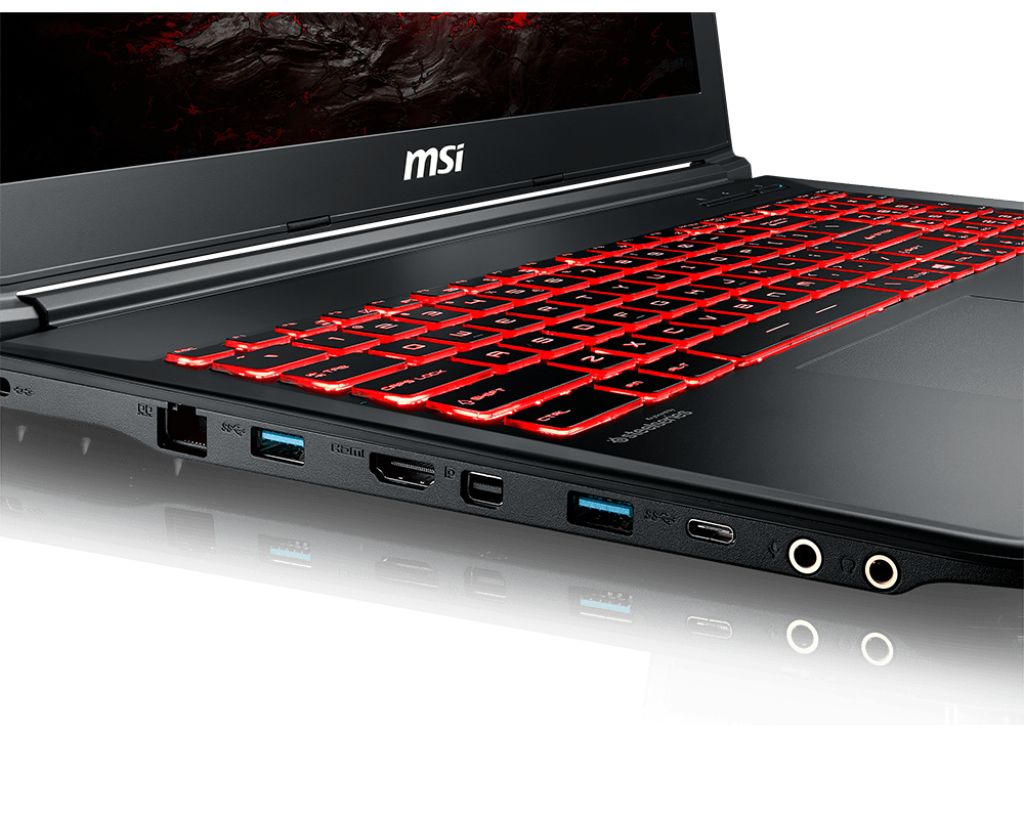
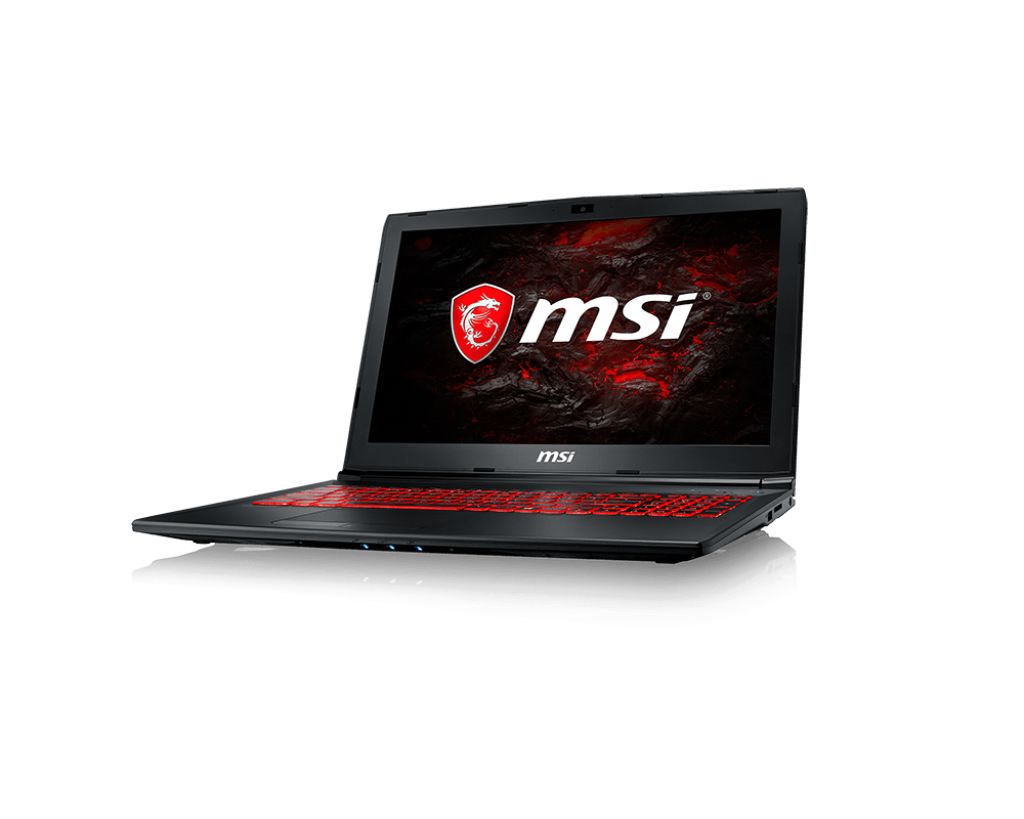
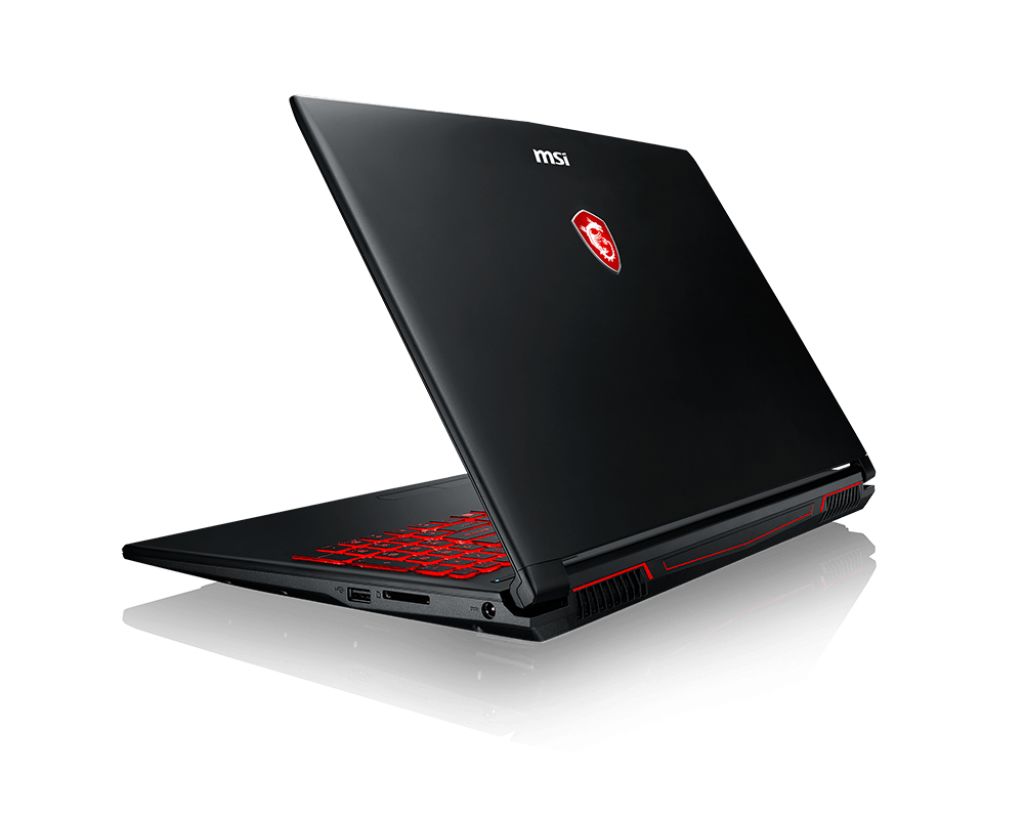
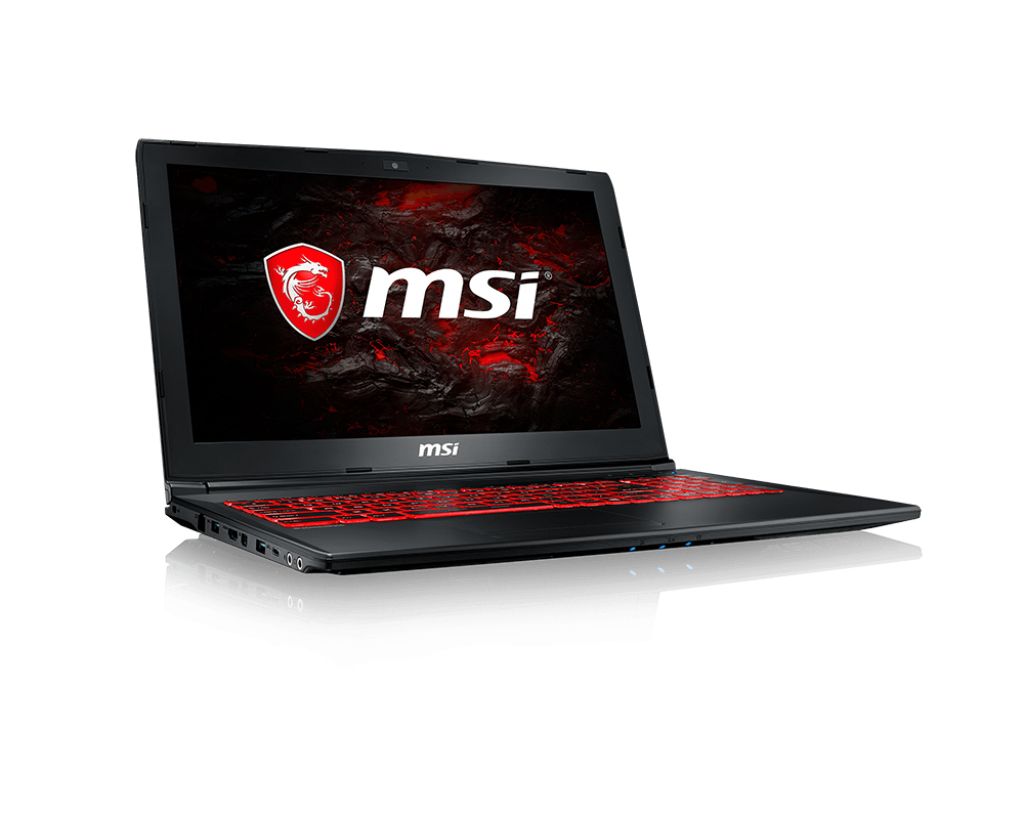
The MSI GL62M 7REX-2806 gaming laptop features two SO-DIMM slots for DDR4-SDRAM memory upgrade capability. The compatible memory operates at 2400 MHz frequency with a maximum RAM capacity of 32 GB. The specifications support DDR4-SDRAM modules in SO-DIMM form factor, enabling users to upgrade the laptop's memory configuration up to the maximum supported capacity of 32 GB total. Compatible memory upgrade options accommodate both single and dual-module installations within the available upgrade slots.
Memory Upgrade Specifications
| Specification | Value |
|---|---|
| Memory slots | 2x SO-DIMM |
| Form factor | SO-DIMM |
| Memory type | DDR4-SDRAM |
| Frequency | 2400 MHz |
| Maximum RAM | 32 GB |
| Voltage | 1.2V |
| Number of pins | 260-pin |
| Interface | PC4 |
| PC Speed Rating | PC4-2400 (PC4-19200) |
| Bandwidth | 19.2 GB/s |
| Laptop Release date | 17 May 2018 |
Additional Notes
- The 2 SO-DIMM configuration in the MSI GL62M 7REX-2806 limits dual-channel operation to matched pairs, requiring simultaneous replacement of both modules to maintain optimal memory bandwidth.
- DDR4-2400 represents a JEDEC standard speed that operates at 1.2V, ensuring compatibility with modules rated at higher frequencies that will downclock automatically to match the system specification.
- The 32 GB maximum capacity constraint originates from chipset addressing limitations, preventing recognition of higher-density modules even if physically compatible.
- SO-DIMM modules measuring 67.6mm in length differ from desktop DIMM form factors, making standard desktop memory physically incompatible despite identical DDR4 specifications.
- Installing modules with mismatched timings forces the memory controller to adopt the slowest common latency values, potentially reducing performance below the rated 2400 MHz transfer rate.
- Accessing the memory slots typically requires complete bottom panel removal rather than a dedicated service door, extending upgrade time and requiring attention to warranty seal locations.
- The 7th generation Intel platform supports only DDR4 specifications, rendering DDR3L SO-DIMMs electrically incompatible due to different voltage requirements and notch positioning.
- Single-channel operation from a single occupied slot reduces effective memory bandwidth by approximately 50 percent compared to dual-channel configuration, impacting integrated graphics performance more severely than discrete GPU operation.
- Non-ECC unbuffered modules represent the only compatible architecture, as ECC or registered memory types require server-grade chipsets absent from consumer gaming platforms.
- Thermal considerations in the confined laptop chassis may cause high-frequency XMP modules to generate excess heat when downclocked, though this remains within SO-DIMM thermal specifications of 0-85°C operating range.