MSI Gaming GL62VR 7RFX-899NE RAM upgrade specifications
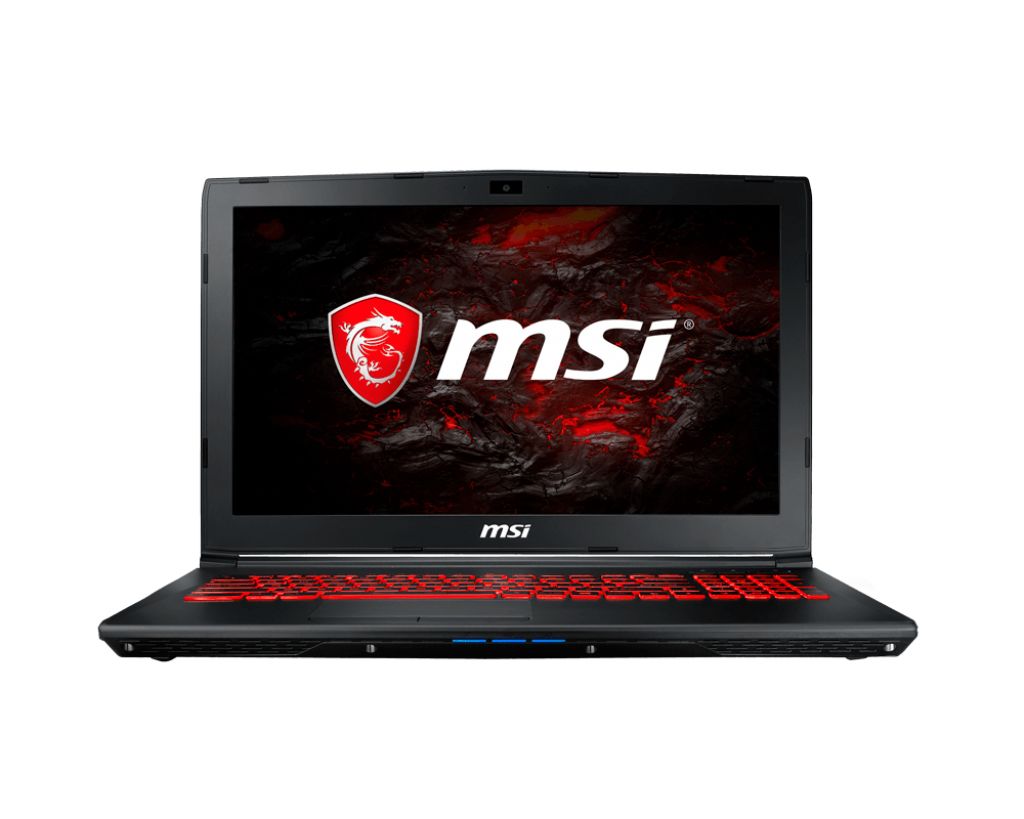
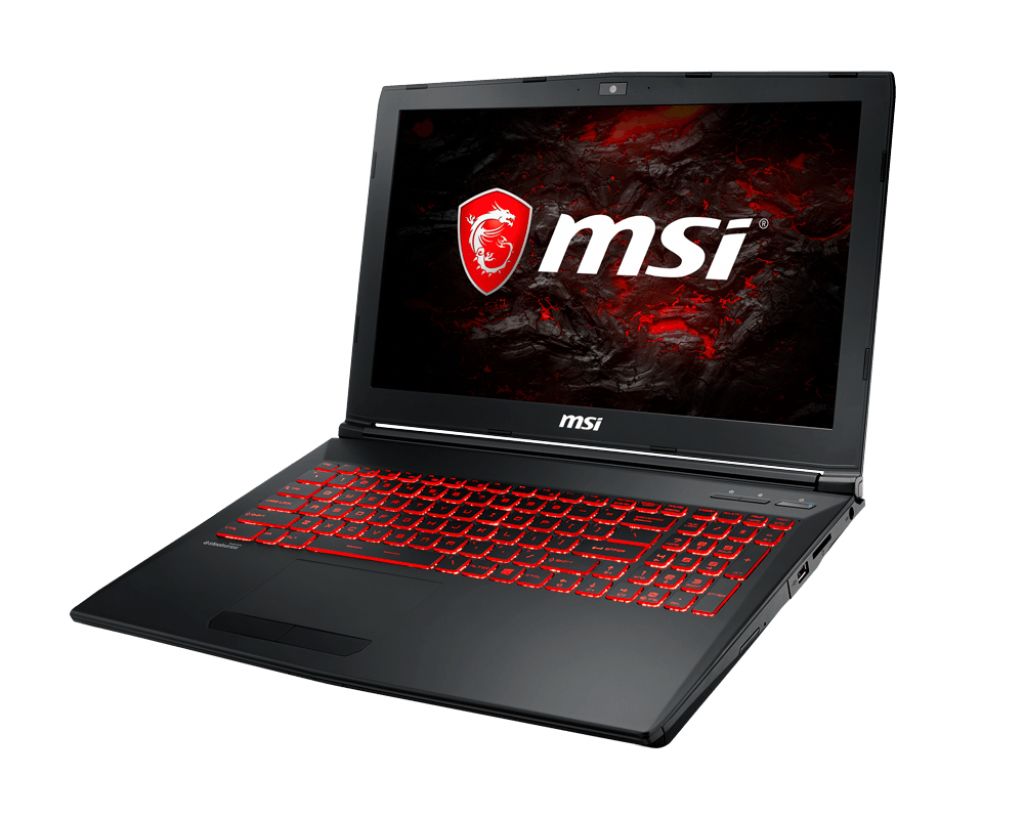
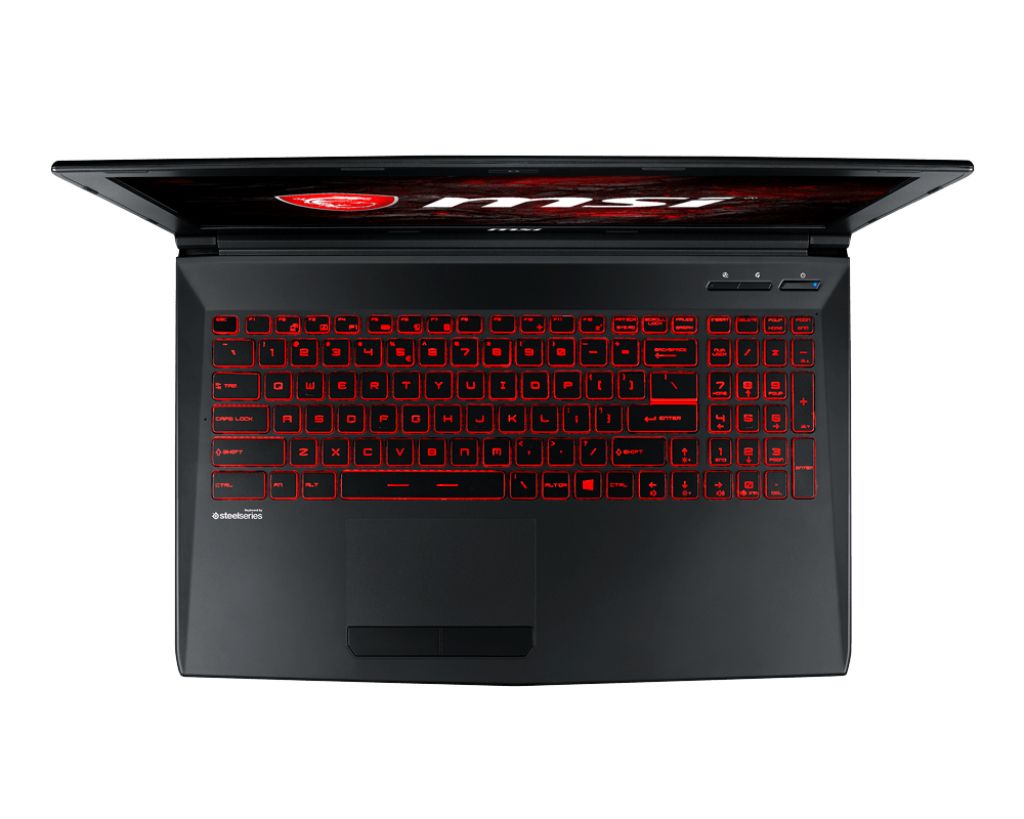
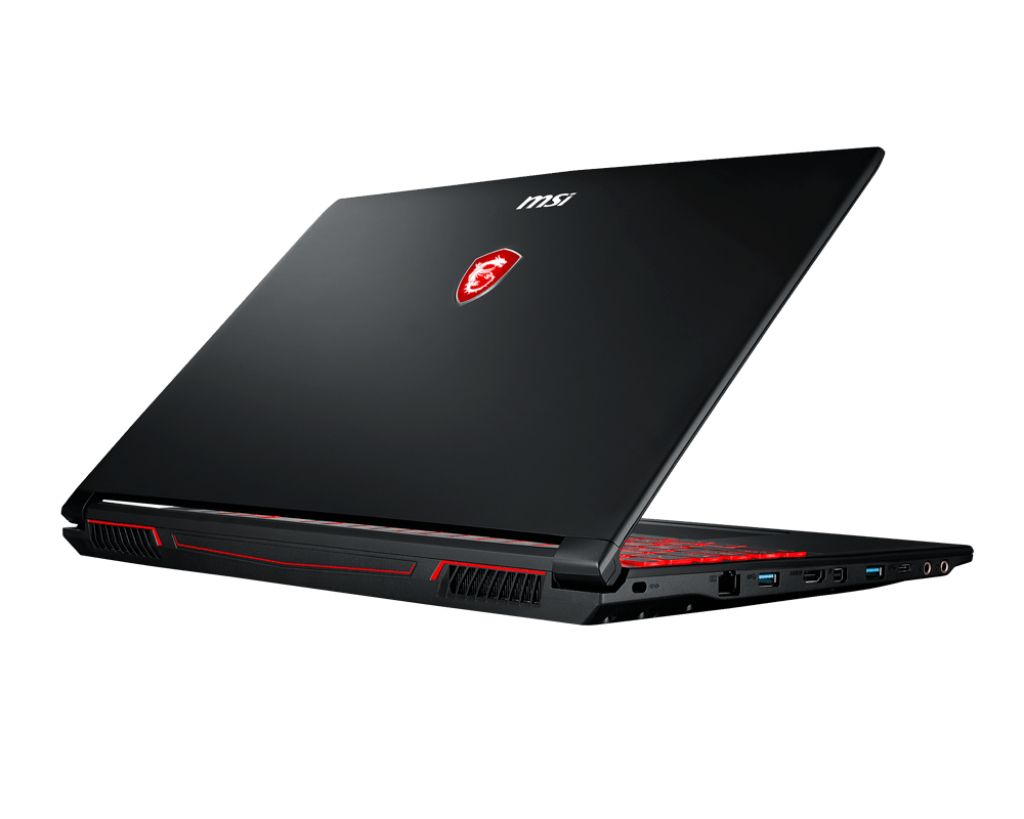
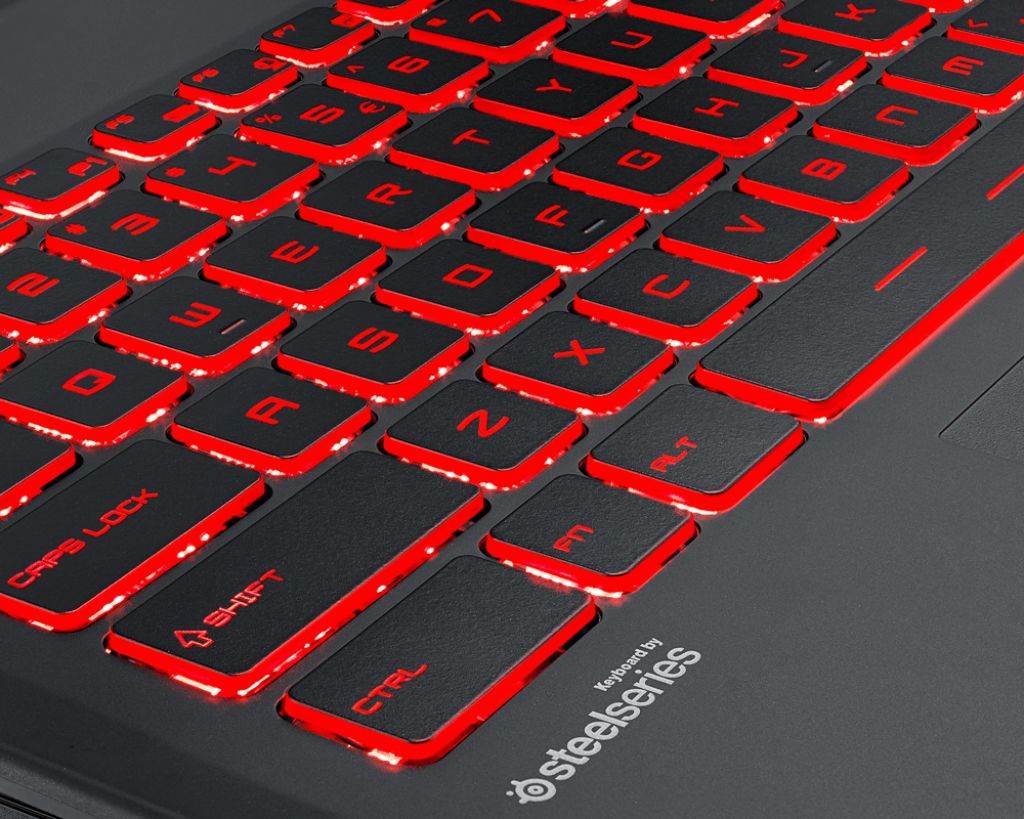
MSI GL62VR 7RFX-899NE gaming laptop supports DDR4-SDRAM memory upgrades with dual SO-DIMM slots. Maximum RAM capacity reaches 32 GB total. Compatible memory modules operate at 2400 MHz frequency. Specifications indicate two slots available for memory expansion, allowing users to upgrade the existing DDR4 configuration. SO-DIMM form factor specifications apply to all compatible upgrade modules for this MSI Gaming GL series model.
Memory Upgrade Specifications
| Specification | Value |
|---|---|
| Memory slots | 2x SO-DIMM |
| Form factor | SO-DIMM |
| Memory type | DDR4-SDRAM |
| Frequency | 2400 MHz |
| Maximum RAM | 32 GB |
| Voltage | 1.2V |
| Number of pins | 260-pin |
| Interface | PC4 |
| PC Speed Rating | PC4-2400 (PC4-19200) |
| Bandwidth | 19.2 GB/s |
| Laptop Release date | 21 March 2018 |
Additional Notes
- The MSI GL62VR 7RFX-899NE accepts only DDR4 SO-DIMM modules, which means standard desktop DDR4 UDIMM sticks are physically incompatible and cannot be installed regardless of capacity or speed ratings.
- Memory frequency support maxes at 2400 MHz, establishing a hard ceiling on performance gains from faster DDR4 variants (2666, 2933, 3200 MHz modules will downclock to 2400 MHz, resulting in no speed advantage while increasing cost).
- The 2-slot SO-DIMM architecture means asymmetric configurations (one 8 GB and one 16 GB module) will function but force single-channel operation on the unpopulated capacity tier, creating memory bandwidth bottlenecks that degrade gaming frame rates and multitasking responsiveness.
- Upgrading from factory-installed memory to the 32 GB maximum requires both slots to be populated with 16 GB modules, eliminating any expansion headroom for future memory scaling beyond that threshold.
- SO-DIMM modules operate at lower voltages and tighter tolerances than desktop equivalents; mixing different manufacturers or production batches risks compatibility failures, even when both modules meet DDR4-2400 specifications.
- Thermal constraints in compact gaming laptop chassis may cause stability issues with high-density 16 GB SO-DIMM modules if they generate excessive heat during sustained workloads, particularly when combined with the dedicated GPU load.