MSI Gaming GL63 8RD-618IT RAM upgrade specifications


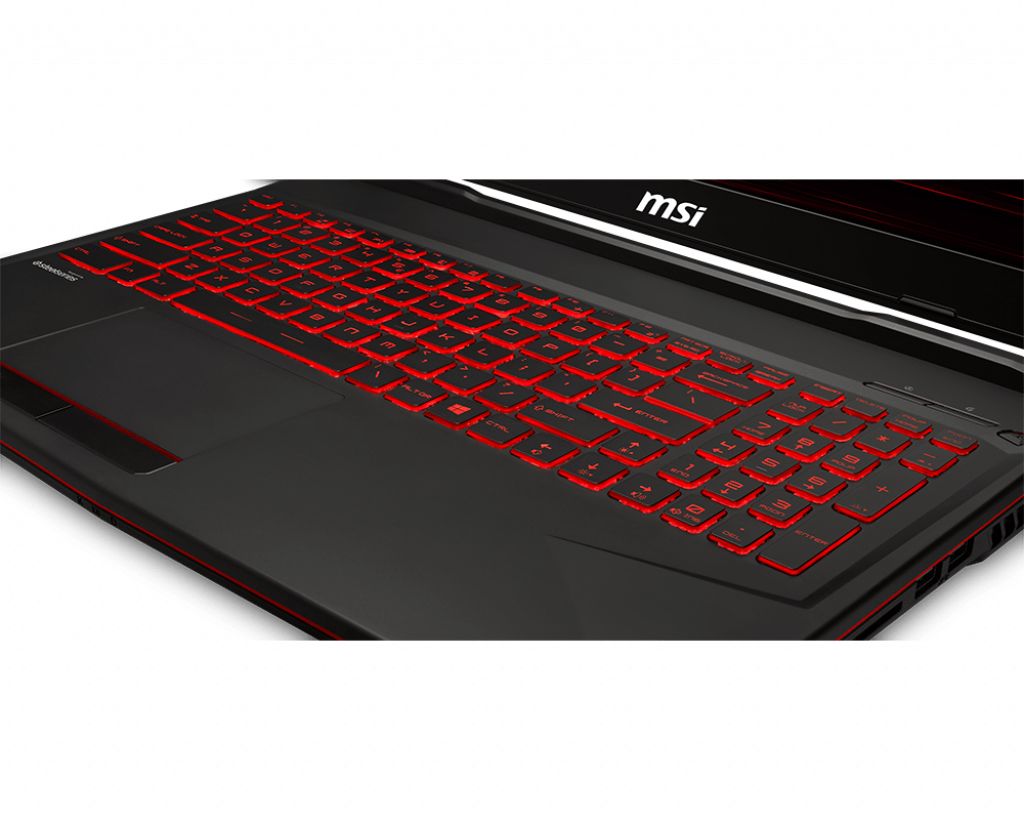
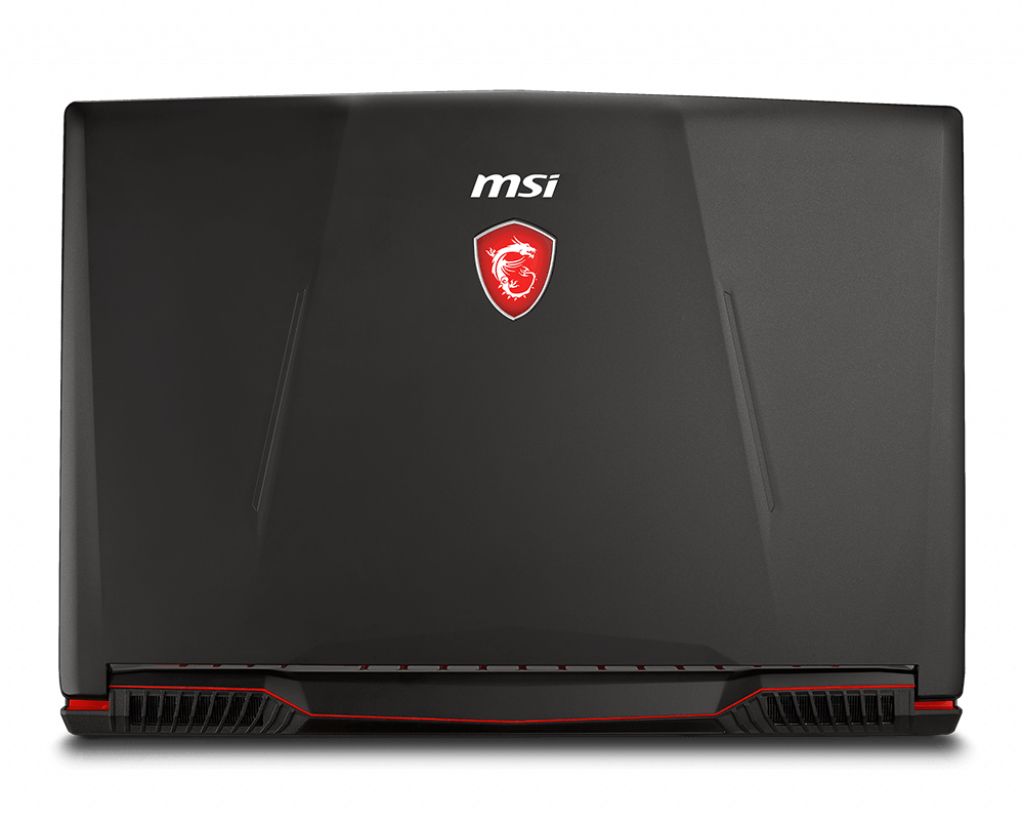
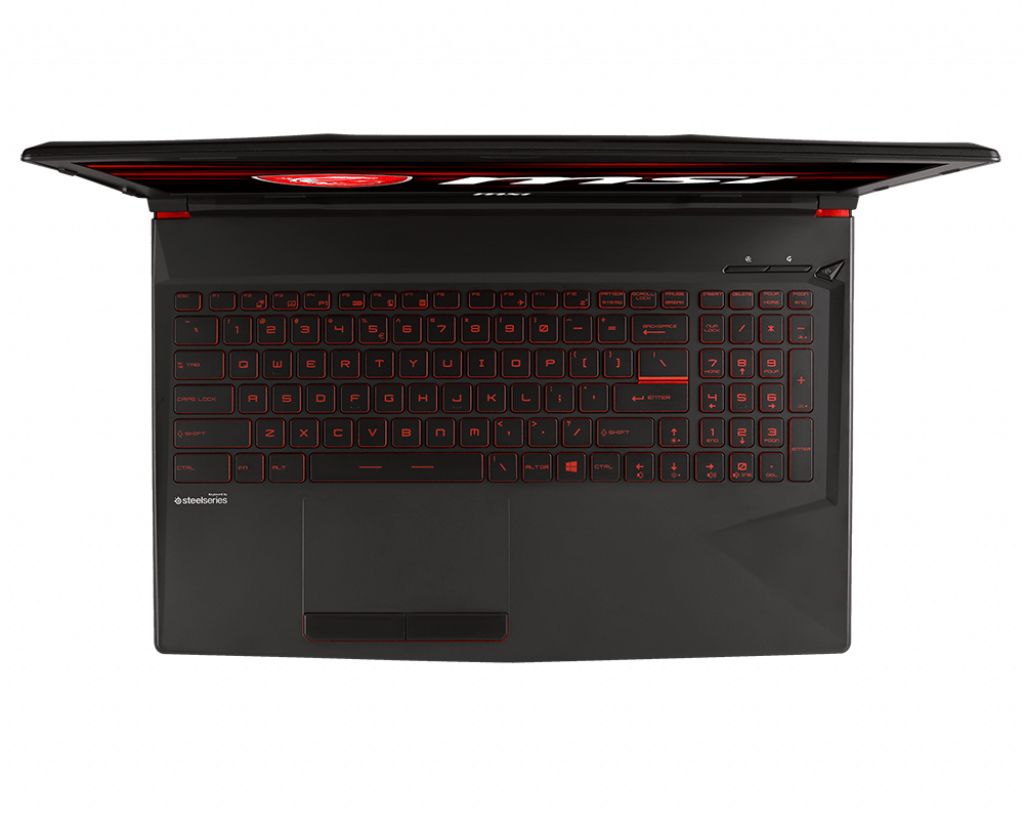
MSI GL63 8RD-618IT Gaming series laptop features DDR4-SDRAM memory upgrade specifications with dual SO-DIMM slots supporting maximum RAM capacity of 32 GB. Compatible memory modules operate at 2666 MHz frequency. Each slot accepts SO-DIMM form factor upgrades, enabling users to expand system memory from factory configuration up to stated maximum capacity. Specifications define upgrade compatibility and maximum supported memory specifications for this model.
Memory Upgrade Specifications
| Specification | Value |
|---|---|
| Memory slots | 2x SO-DIMM |
| Form factor | SO-DIMM |
| Memory type | DDR4-SDRAM |
| Frequency | 2666 MHz |
| Maximum RAM | 32 GB |
| Voltage | 1.2V |
| Number of pins | 260-pin |
| Interface | PC4 |
| PC Speed Rating | PC4-2666 (PC4-21328) |
| Bandwidth | 21.3 GB/s |
| Laptop Release date | 22 March 2019 |
Additional Notes
- The MSI GL63 8RD-618IT accepts DDR4 SO-DIMM modules exclusively, rendering desktop-oriented DIMM formats physically incompatible due to notch positioning and pin count differences.
- The 32 GB ceiling requires dual 16 GB modules operating in tandem, as single-module configurations cannot exceed 16 GB per slot with current DDR4 SO-DIMM density standards.
- Modules rated above 2666 MHz will automatically downclock to this frequency threshold, eliminating performance gains from higher-speed RAM purchases.
- Dual-channel architecture demands matched pairs for optimal memory bandwidth, as mismatched capacities force single-channel operation on the excess capacity portion.
- The 260-pin SO-DIMM standard measures 67.6 mm in length, critically smaller than standard DIMM modules to fit laptop chassis constraints.
- Voltage specifications must align with DDR4 standards at 1.2V, as higher-voltage DDR3L or legacy modules risk immediate incompatibility or potential circuitry damage.
- Non-ECC unbuffered modules are required, since registered or error-correcting variants introduce latency penalties and incompatibility with consumer-grade memory controllers.
- Accessing both SO-DIMM slots typically requires bottom panel removal, which may void warranty seals depending on regional service policies.
- Mixing RAM generations such as DDR3 with DDR4 is electrically impossible due to incompatible signaling voltages and physical keying designed to prevent insertion.
- Thermal considerations favor modules without tall heat spreaders, as laptop chassis clearance between memory slots and keyboard assemblies limits vertical space to approximately 30 mm.
- CAS latency variations at 2666 MHz (CL17 versus CL19) produce measurable but typically minor real-world performance deltas in gaming workloads.
- Single-rank versus dual-rank module topology affects memory interleaving efficiency, though both types function within the 32 GB maximum specification.