MSI Gaming GL63 8RE-811 RAM upgrade specifications
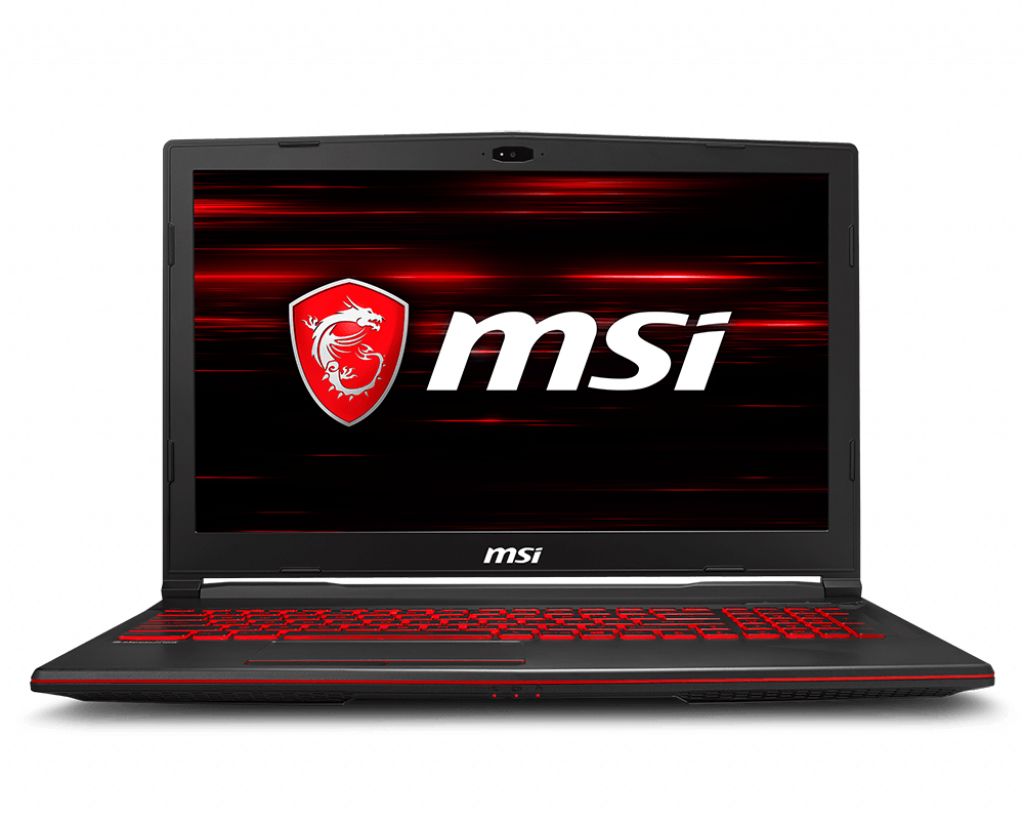
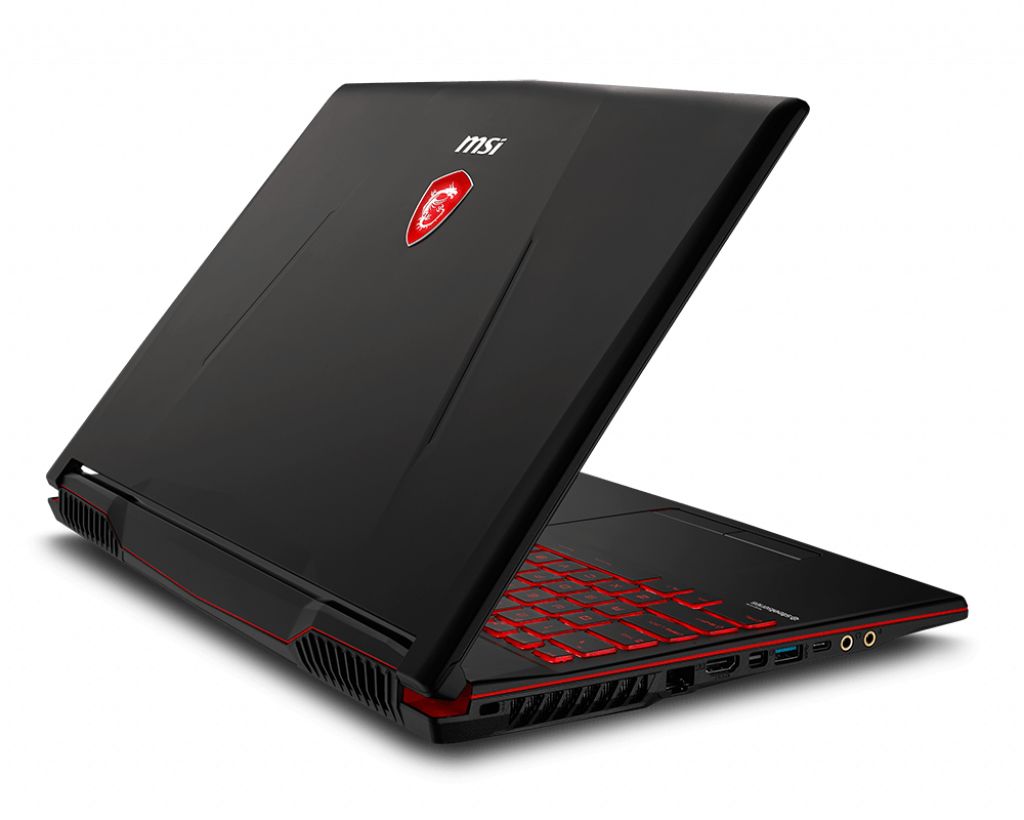
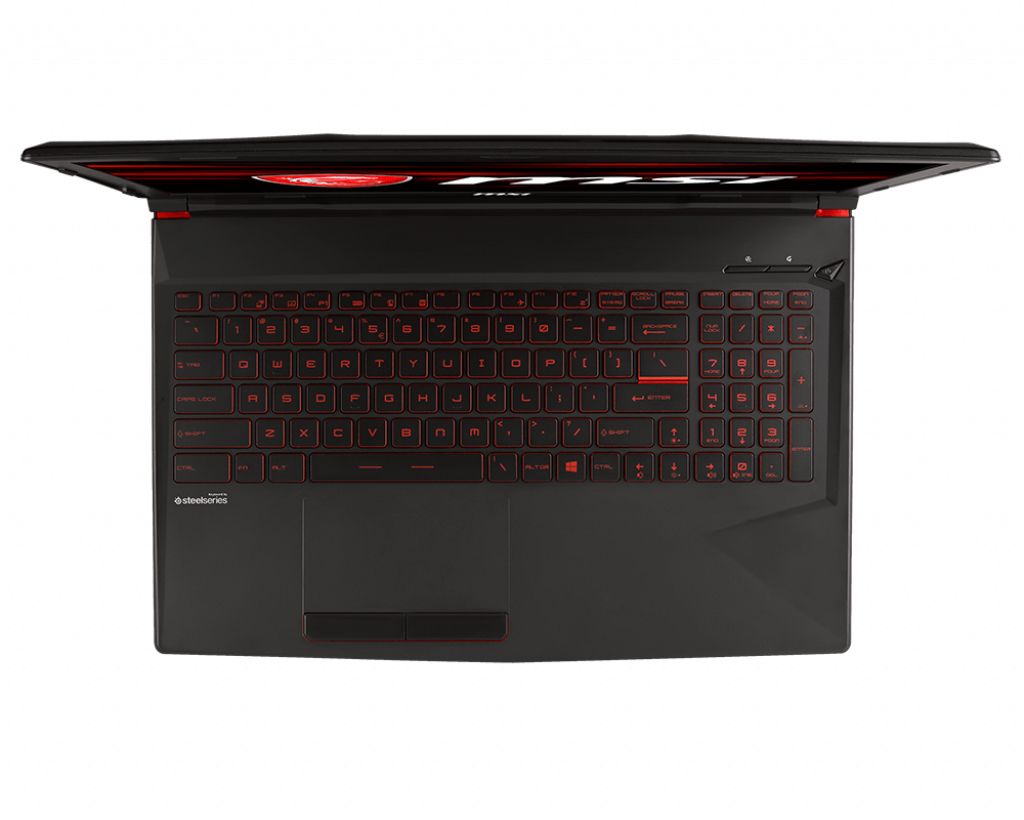
MSI GL63 8RE-811 gaming laptop supports DDR4-SDRAM memory upgrades through 2x SO-DIMM slots. Maximum RAM capacity reaches 32 GB total, with compatible modules operating at 2666 MHz frequency. The SO-DIMM form factor specifications enable memory expansion for enhanced multitasking performance on the GL series gaming platform. Upgrade configurations accommodate standard DDR4 laptop memory modules meeting MSI compatibility standards.
Memory Upgrade Specifications
| Specification | Value |
|---|---|
| Memory slots | 2x SO-DIMM |
| Form factor | SO-DIMM |
| Memory type | DDR4-SDRAM |
| Frequency | 2666 MHz |
| Maximum RAM | 32 GB |
| Voltage | 1.2V |
| Number of pins | 260-pin |
| Interface | PC4 |
| PC Speed Rating | PC4-2666 (PC4-21328) |
| Bandwidth | 21.3 GB/s |
| Laptop Release date | 01 May 2019 |
Additional Notes
- The MSI GL63 8RE-811 gaming laptop imposes a 16 GB per-slot ceiling, limiting configurations to either single-channel 16 GB or dual-channel 32 GB maximum.
- DDR4-2666 represents the maximum officially supported speed, meaning modules rated at 3000 MHz or 3200 MHz will downclock to 2666 MHz operation.
- SO-DIMM form factor restricts compatibility to notebook-specific memory modules, as standard DIMM desktop RAM physically cannot fit the slot architecture.
- Dual-channel operation requires matching modules in both slots to achieve full memory bandwidth, whereas mismatched capacities force single-channel mode with performance degradation.
- The 2-slot configuration eliminates incremental upgrade flexibility, requiring complete module replacement when moving from 16 GB to 32 GB total capacity.
- CAS latency ratings beyond CL19 may introduce compatibility issues despite matching the 2666 MHz frequency specification.
- Non-ECC unbuffered modules remain mandatory, as server-grade ECC or registered memory types will cause POST failures.
- Voltage specification must match 1.2V standard DDR4 requirements, as low-voltage variants designed for ultrabooks may exhibit instability.
- Mixing different memory generations such as DDR3L with DDR4 slots results in physical incompatibility due to notch placement differences.
- Heat spreader height on aftermarket modules could interfere with bottom panel clearance during reassembly if exceeding standard SO-DIMM dimensions.
- Single-rank versus dual-rank module topology affects capacity scaling, where 16 GB modules typically use dual-rank configuration for density.