MSI Gaming GL63 8RE-824FR RAM upgrade specifications
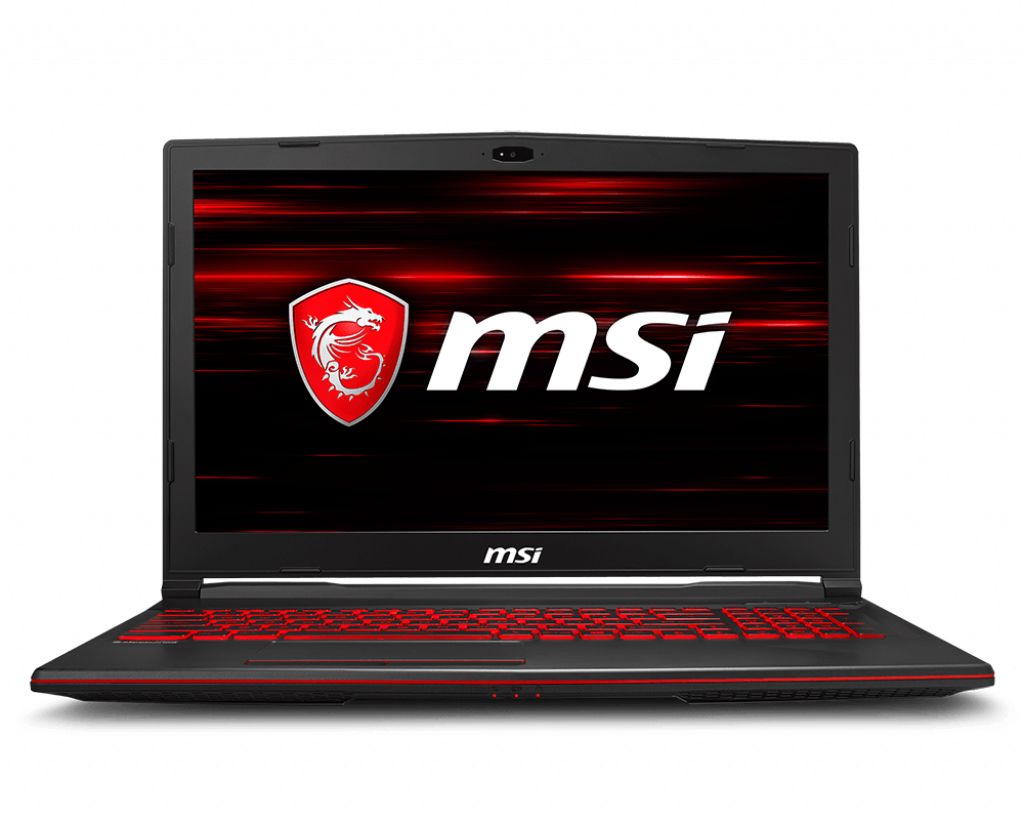
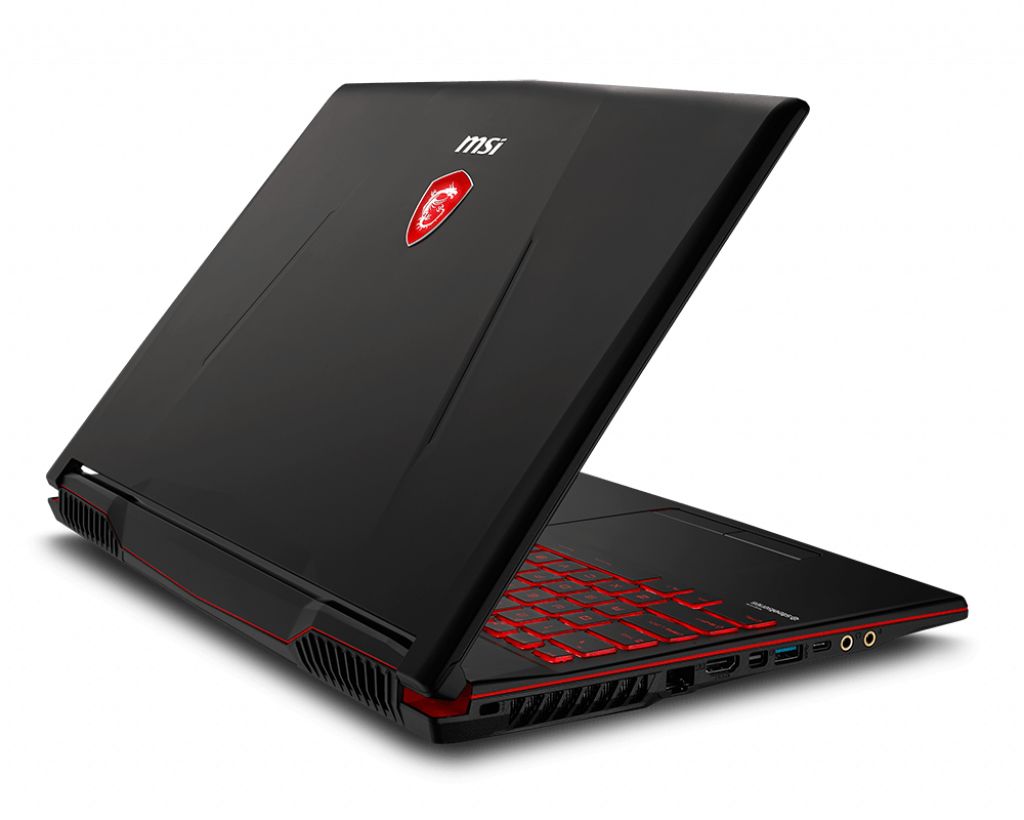
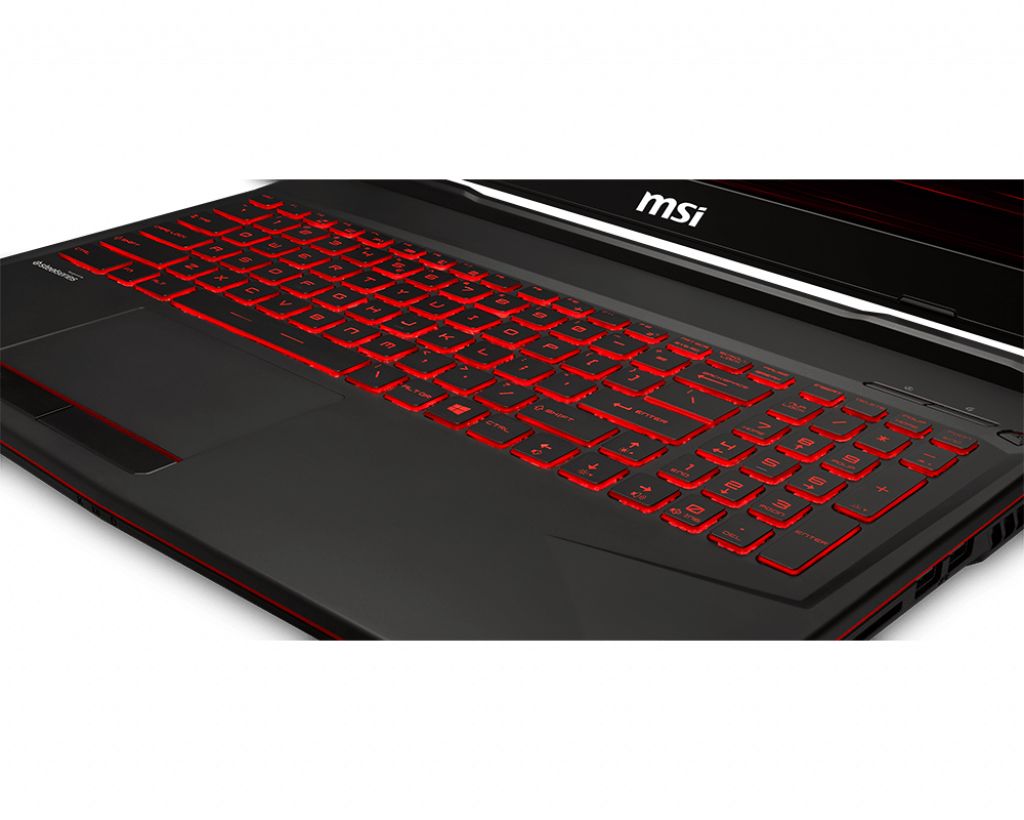
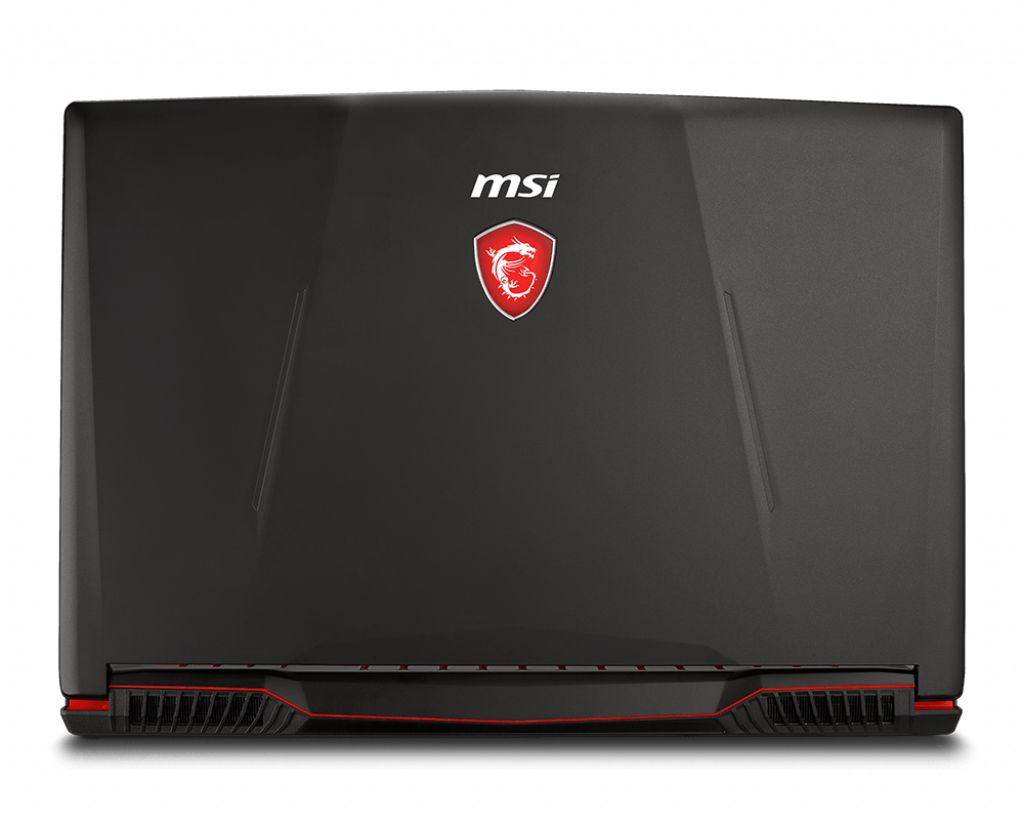
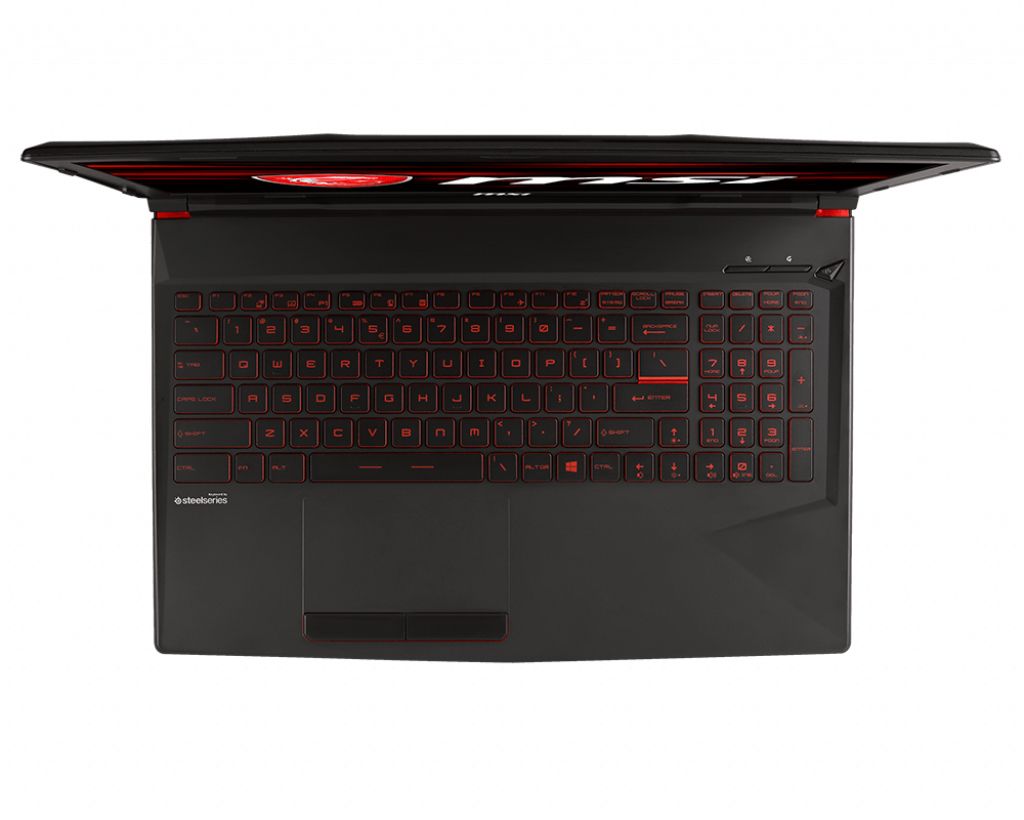
MSI GL63 8RE-824FR Gaming series laptop memory upgrade specifications indicate DDR4-SDRAM compatibility with 2x SO-DIMM slots. Maximum RAM capacity reaches 32 GB total, supporting DDR4-2400 MHz modules. Compatible memory upgrades utilize SO-DIMM form factor for portable computing configurations. Specifications enable RAM expansion from baseline capacity to 32 GB maximum configuration across dual memory slots.
Memory Upgrade Specifications
| Specification | Value |
|---|---|
| Memory slots | 2x SO-DIMM |
| Form factor | SO-DIMM |
| Memory type | DDR4-SDRAM |
| Frequency | 2400 MHz |
| Maximum RAM | 32 GB |
| Voltage | 1.2V |
| Number of pins | 260-pin |
| Interface | PC4 |
| PC Speed Rating | PC4-2400 (PC4-19200) |
| Bandwidth | 19.2 GB/s |
| Laptop Release date | 08 November 2019 |
Additional Notes
- The 32 GB ceiling requires modules operating within the chipset's addressing limitations, as exceeding this threshold will prevent POST completion or force automatic downgrade to the maximum supported density.
- SO-DIMM configuration restricts compatibility to notebook-specific modules, eliminating desktop DIMM form factors which are physically incompatible with the socket dimensions and pin count.
- The 2400 MHz frequency specification on the MSI GL63 8RE-824FR indicates DDR4-2400 as the validated standard, meaning higher-rated modules may be accepted but will downclock to this native speed, negating cost premiums for faster bins.
- Dual-channel architecture requires matched capacity pairs to maintain symmetric bandwidth, as asymmetric configurations trigger single-channel mode and halve theoretical memory throughput to 19.2 GB/s.
- Accessing both SO-DIMM slots typically requires bottom panel removal, with thermal compound reapplication considerations if disassembly disrupts CPU cooler mounting during the upgrade process.
- Single-rank versus dual-rank module topology affects maximum capacity per slot, with dual-rank 16 GB modules being necessary to achieve the 32 GB ceiling but potentially impacting stability on memory controllers sensitive to rank count.
- Mixing modules from different manufacturers or production batches introduces timing mismatch risks, potentially requiring manual BIOS adjustments to primary timings or voltage beyond default JEDEC profiles.
- DDR4-2400 operates at 1.2 V standard specification, meaning modules rated for 1.35 V XMP profiles may fail to initialize without BIOS support for voltage override, causing boot failures or reverting to fallback speeds.
- Non-ECC unbuffered module requirement is implicit in consumer gaming platforms, as registered or ECC variants will be rejected during initialization despite physical socket compatibility.
- Thermal constraints in compact gaming chassis may throttle performance if upgraded density increases heat output near critical components, particularly when both slots are populated with high-density modules.