MSI Gaming GL63 8SC-007RU RAM upgrade specifications


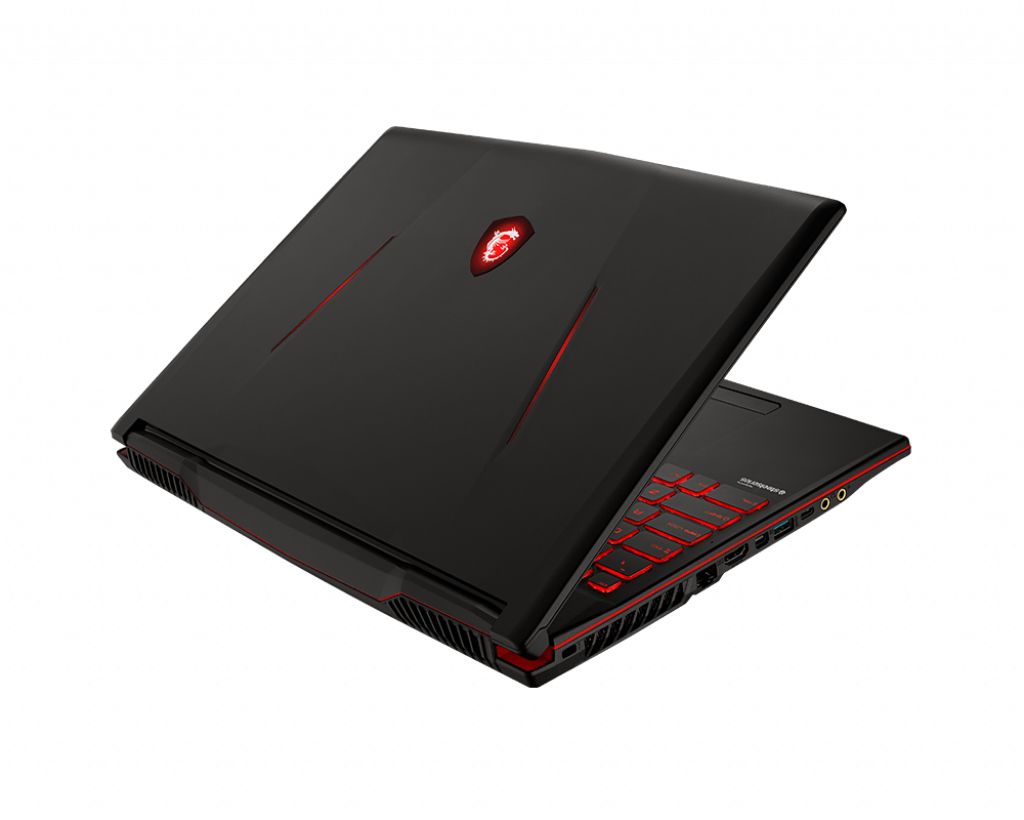
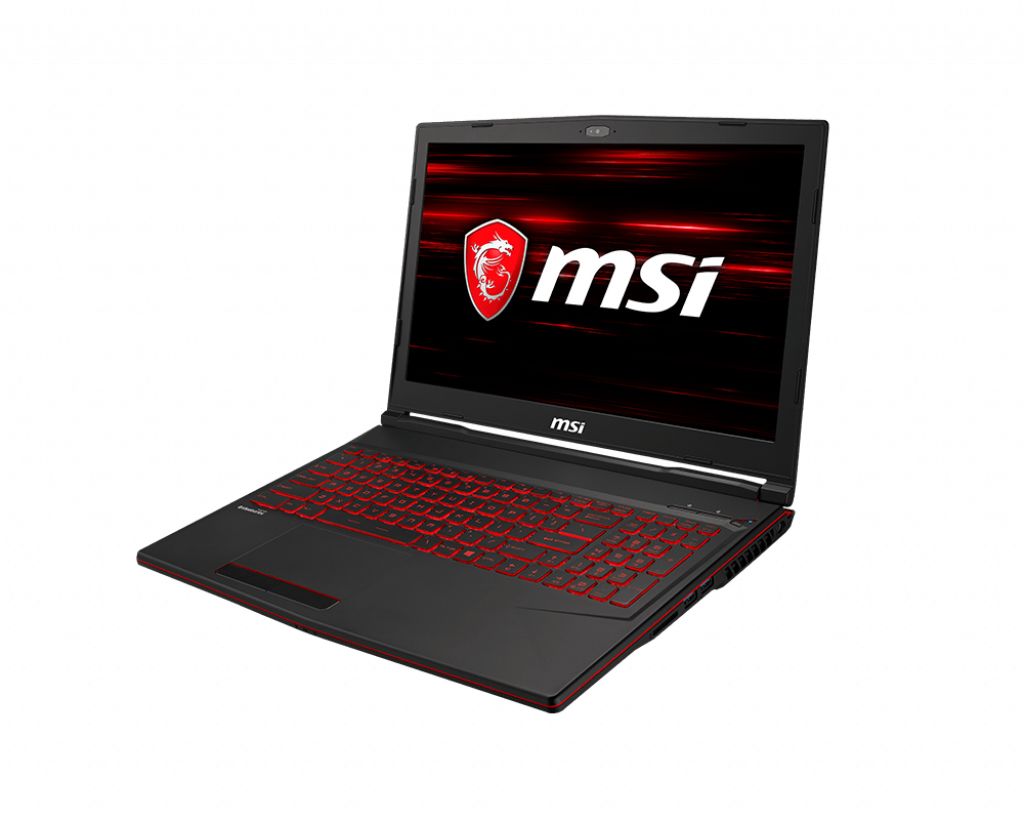
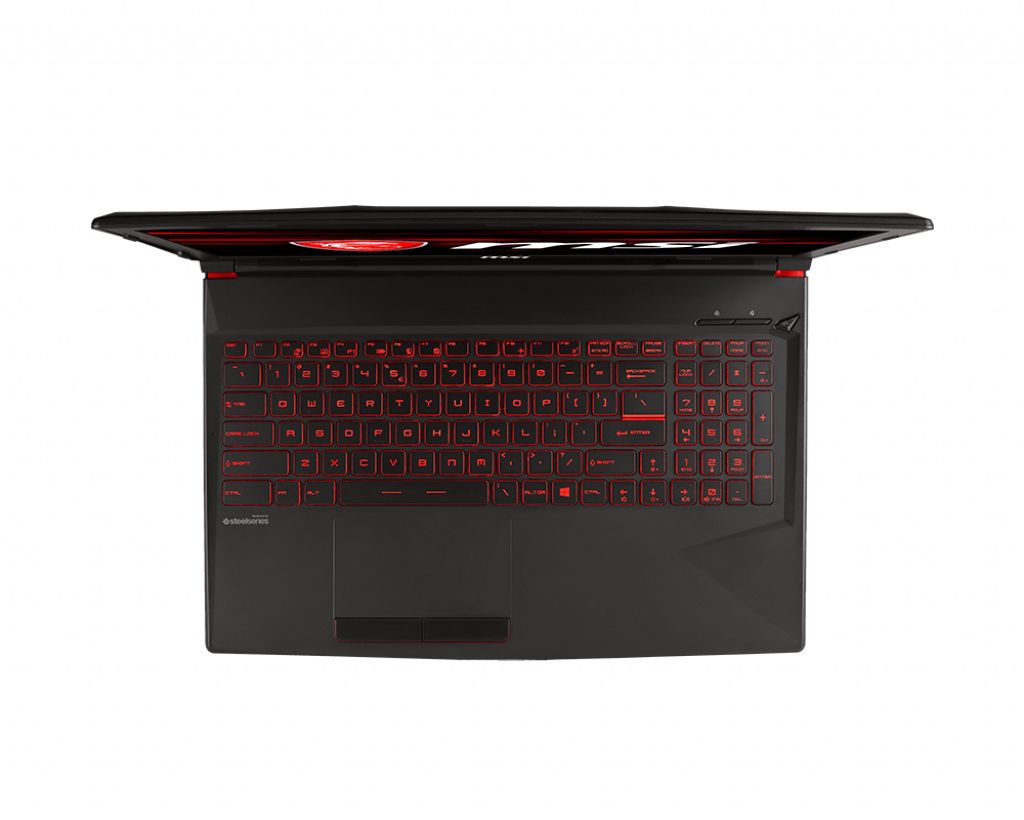
MSI GL63 8SC-007RU Gaming series laptop RAM upgrade specifications indicate DDR4-SDRAM memory compatibility. The system contains 2x SO-DIMM memory slots with maximum RAM capacity of 32 GB total. Compatible memory modules operate at 2666 MHz frequency. Upgrade specifications support SO-DIMM form factor modules for expanded memory capacity on the GL series gaming laptop model.
Memory Upgrade Specifications
| Specification | Value |
|---|---|
| Memory slots | 2x SO-DIMM |
| Form factor | SO-DIMM |
| Memory type | DDR4-SDRAM |
| Frequency | 2666 MHz |
| Maximum RAM | 32 GB |
| Voltage | 1.2V |
| Number of pins | 260-pin |
| Interface | PC4 |
| PC Speed Rating | PC4-2666 (PC4-21328) |
| Bandwidth | 21.3 GB/s |
| Laptop Release date | 13 May 2019 |
Additional Notes
- The MSI GL63 8SC-007RU contains 2 SO-DIMM slots operating at 2666 MHz, establishing a hard ceiling of 32 GB total capacity. Upgrading to 32 GB requires matching pairs; single-module upgrades will leave 1 slot vacant and forfeit dual-channel bandwidth benefits.
- DDR4-2666 MHz memory operates below contemporary standard frequencies (3200 MHz and above). Replacement modules must match the OEM specification precisely to avoid timing conflicts, POST failures, or undetected instability during memory-intensive workloads.
- The SO-DIMM form factor used in this gaming laptop cannot accept full-size UDIMM desktop memory. Physical slot geometry strictly prohibits standard RAM interchange, requiring laptop-specific modules regardless of capacity matching.
- Sourcing DDR4-2666 SO-DIMM modules presents supply scarcity; most retail channels stock faster variants. Mismatches with DDR4-3200 or above will trigger automatic clock throttling to 2666 MHz, negating performance gains and wasting upgrade expenditure.
- Dual-channel configuration degrades to single-channel mode if memory population becomes asymmetrical. Populating only 1 slot or mixing capacities (8 GB plus 16 GB) reduces effective bandwidth by approximately 50 percent, creating a performance bottleneck regardless of CPU capability.
- JEDEC compliance for DDR4-2666 timings typically specifies CAS latency of 19 or lower. Modules with identical frequency but looser timings (CAS 20+) introduce latency penalties that compound under sustained gaming load.