MSI Gaming GL63 8SC-009XRU RAM upgrade specifications
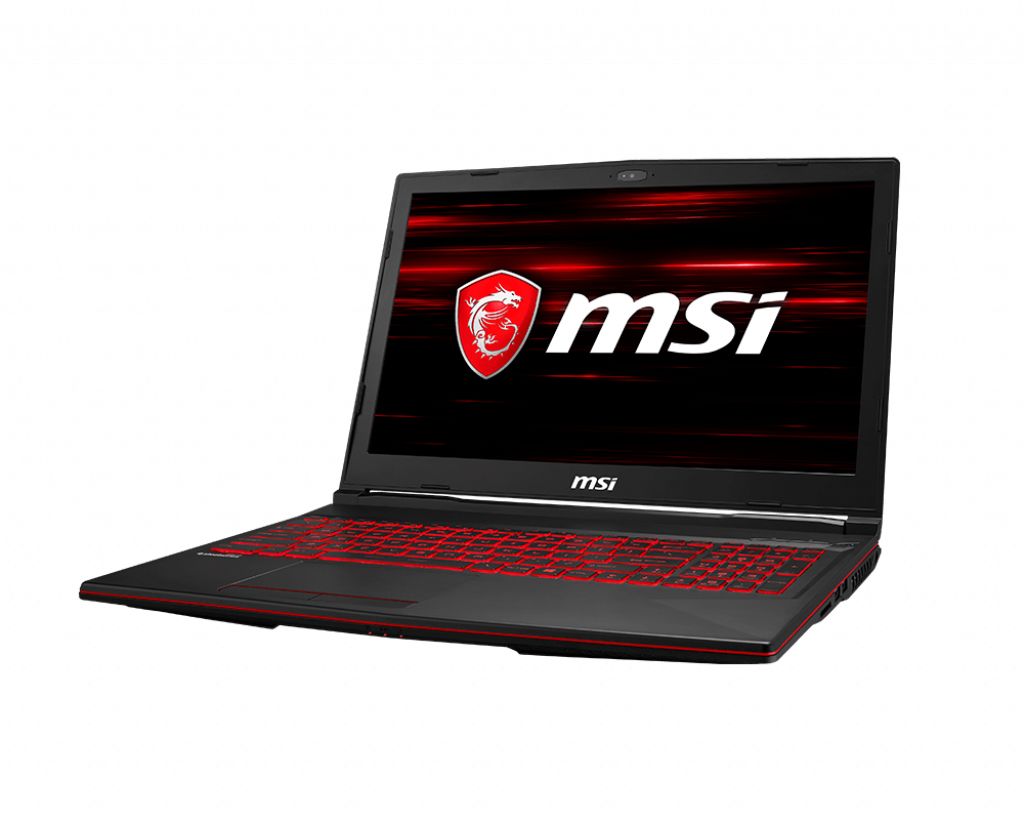
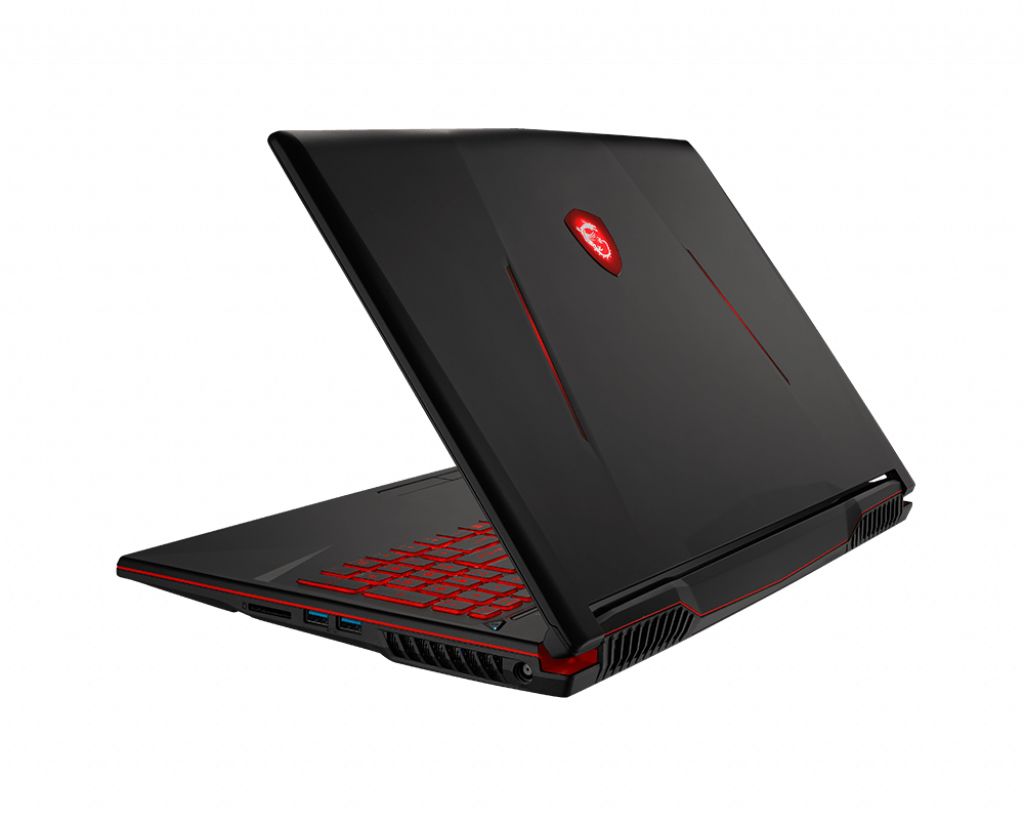
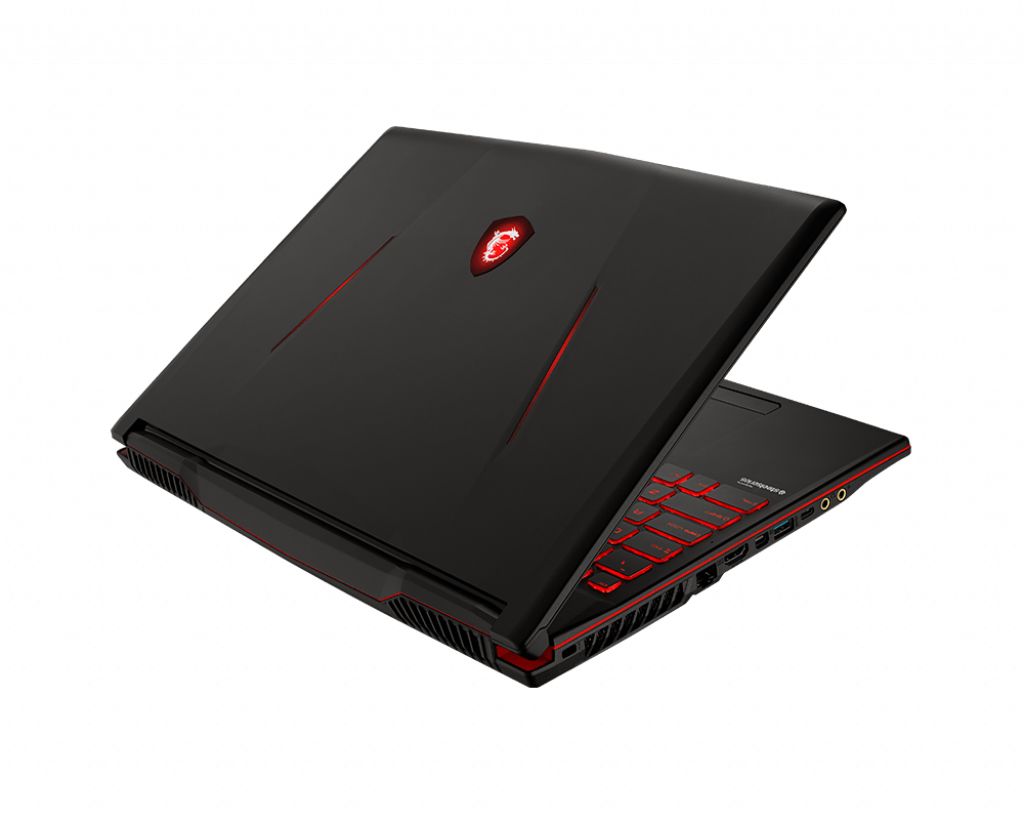
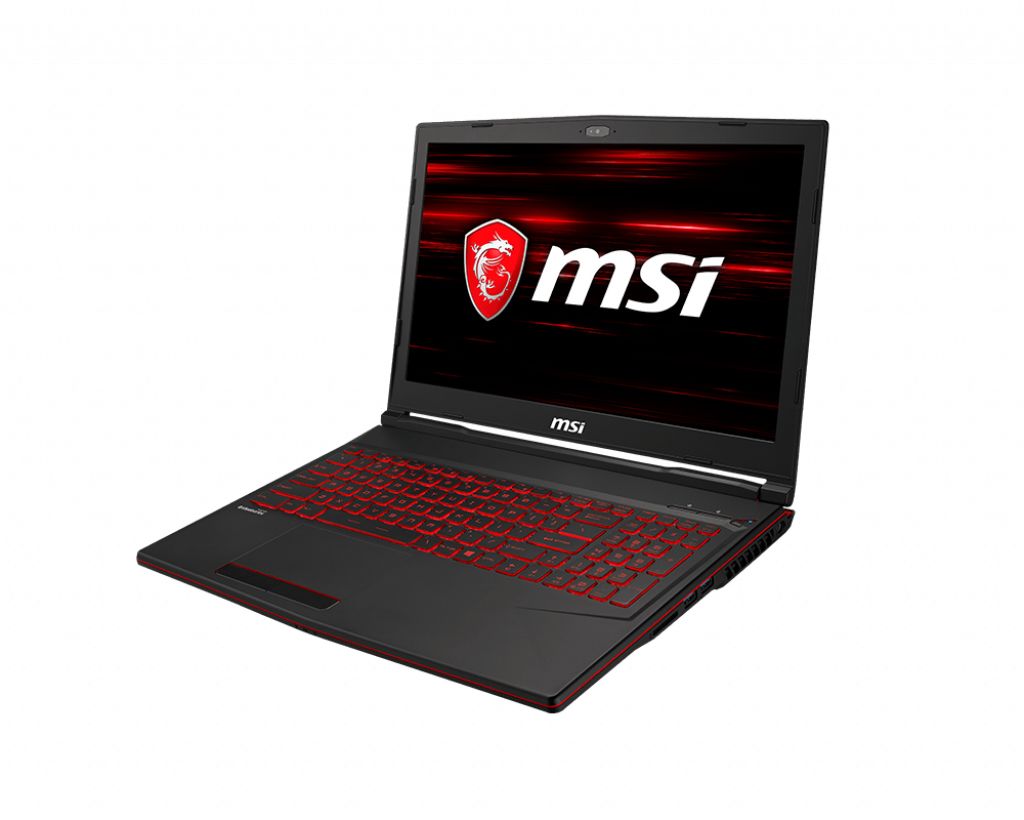
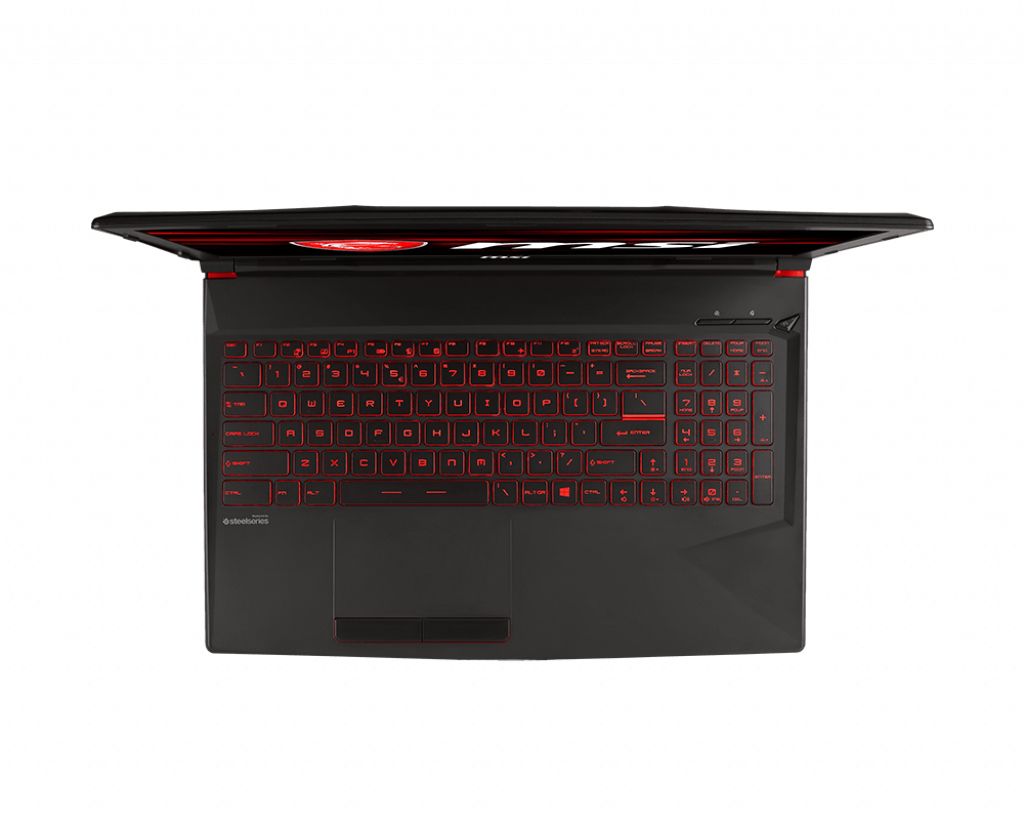
MSI GL63 8SC-009XRU gaming laptop memory upgrade specifications indicate DDR4-SDRAM compatibility with 2x SO-DIMM slots. Maximum RAM capacity reaches 32 GB total, operating at 2666 MHz frequency. Compatible upgrades utilize SO-DIMM form factor modules. Current specifications allow memory expansion to achieve maximum capacity for enhanced multitasking performance.
Memory Upgrade Specifications
| Specification | Value |
|---|---|
| Memory slots | 2x SO-DIMM |
| Form factor | SO-DIMM |
| Memory type | DDR4-SDRAM |
| Frequency | 2666 MHz |
| Maximum RAM | 32 GB |
| Voltage | 1.2V |
| Number of pins | 260-pin |
| Interface | PC4 |
| PC Speed Rating | PC4-2666 (PC4-21328) |
| Bandwidth | 21.3 GB/s |
| Laptop Release date | 13 May 2019 |
Additional Notes
- The 32 GB capacity ceiling derives from the Intel 8th generation mobile platform's memory controller limitations, restricting theoretical upgrade paths beyond dual-channel 16 GB module configurations.
- The 2666 MHz frequency represents the platform's native JEDEC specification, meaning higher-clocked modules will downclock to this speed regardless of their rated specifications.
- The dual SO-DIMM architecture permits asymmetric configurations, though unmatched module capacities will disable dual-channel mode and reduce memory bandwidth by approximately 50 percent.
- DDR4-2666 operates at 1.2 volts standard, ensuring compatibility with modules rated at higher frequencies that support automatic voltage scaling through SPD profiles.
- The SO-DIMM form factor requires 260-pin modules measuring 67.6 mm in length, incompatible with desktop DIMM modules despite sharing DDR4 architecture.
- Single-rank versus dual-rank module topology affects performance in memory-intensive workloads, with dual-rank configurations providing marginal bandwidth improvements at identical frequencies.
- Accessing the memory compartment on this MSI Gaming platform typically requires bottom panel removal, with potential warranty implications varying by regional service policies.
- Mixed-brand module installations remain electrically compatible provided matching specifications, though identical manufacturer pairing reduces potential timing incompatibilities during POST initialization.
- The platform's lack of support for ECC SO-DIMMs limits upgrade options to unbuffered non-parity modules standard in consumer mobile applications.
- Operating system limitations apply independently of hardware capacity, with 32-bit Windows editions unable to address the full 32 GB regardless of physical installation.