MSI Gaming GL63 8SC-016 RAM upgrade specifications
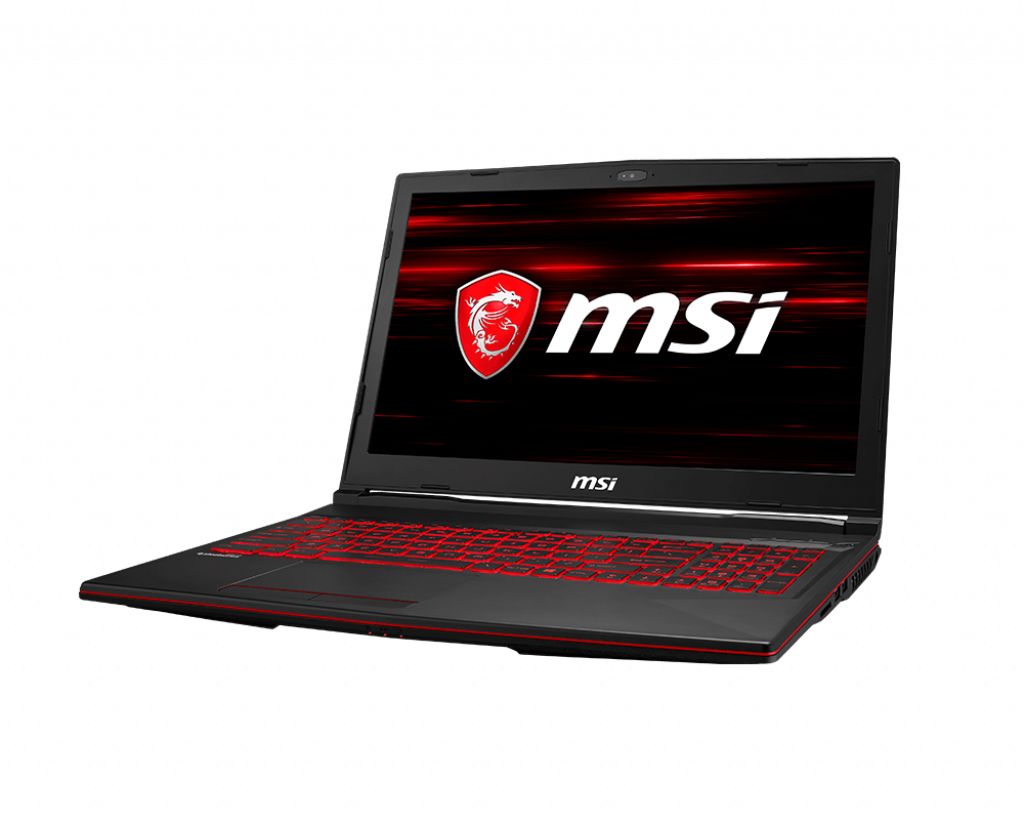
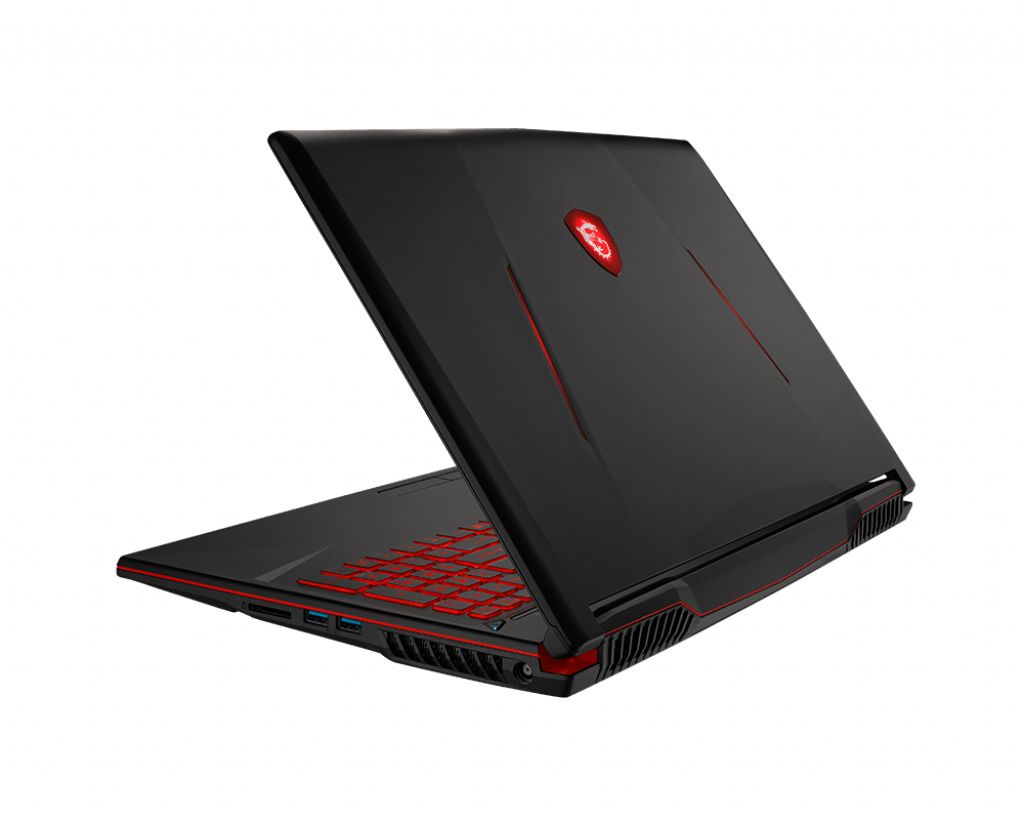
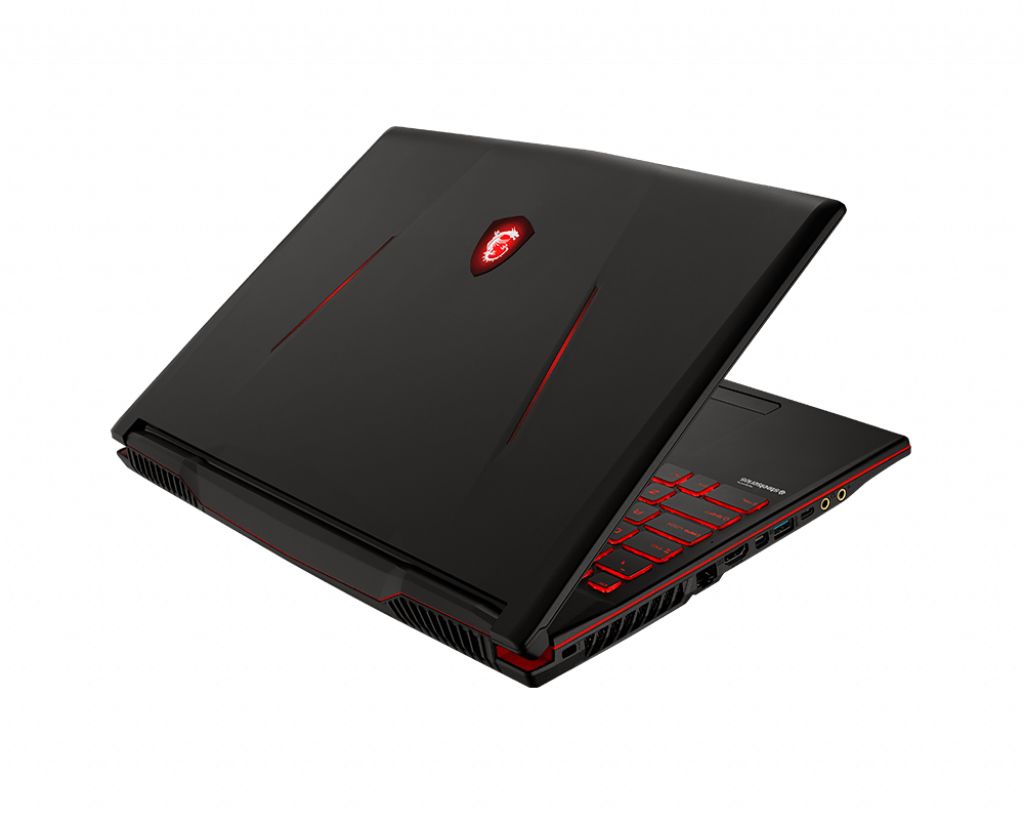
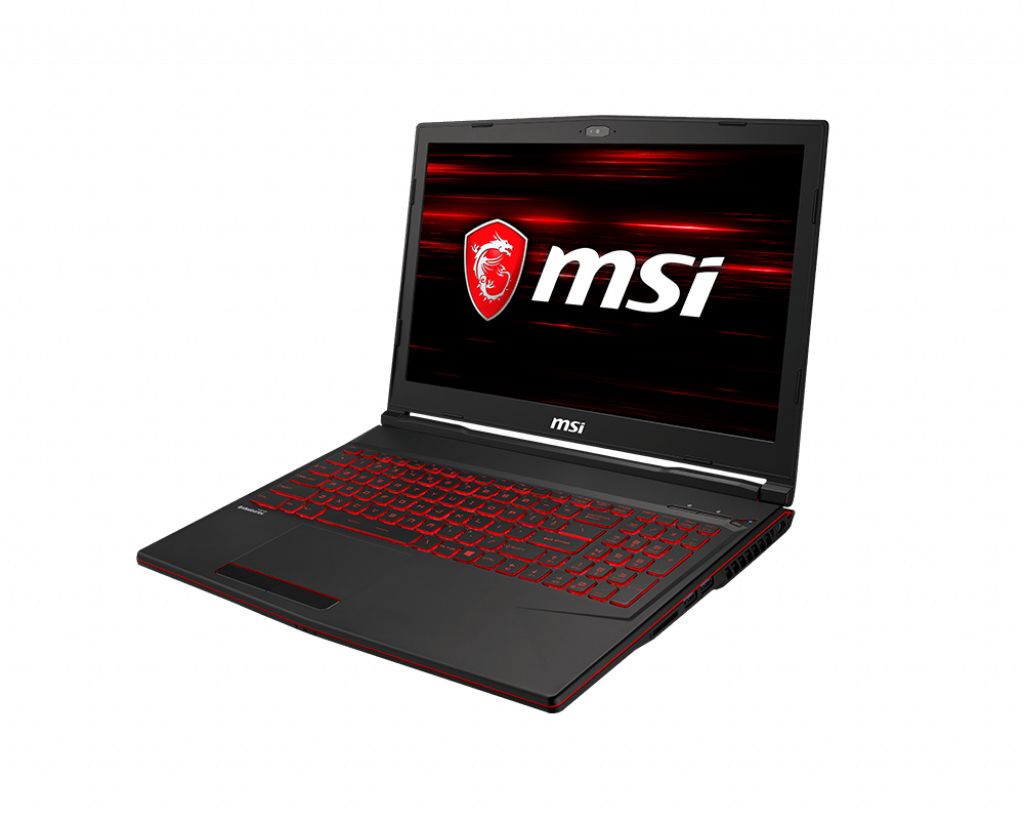
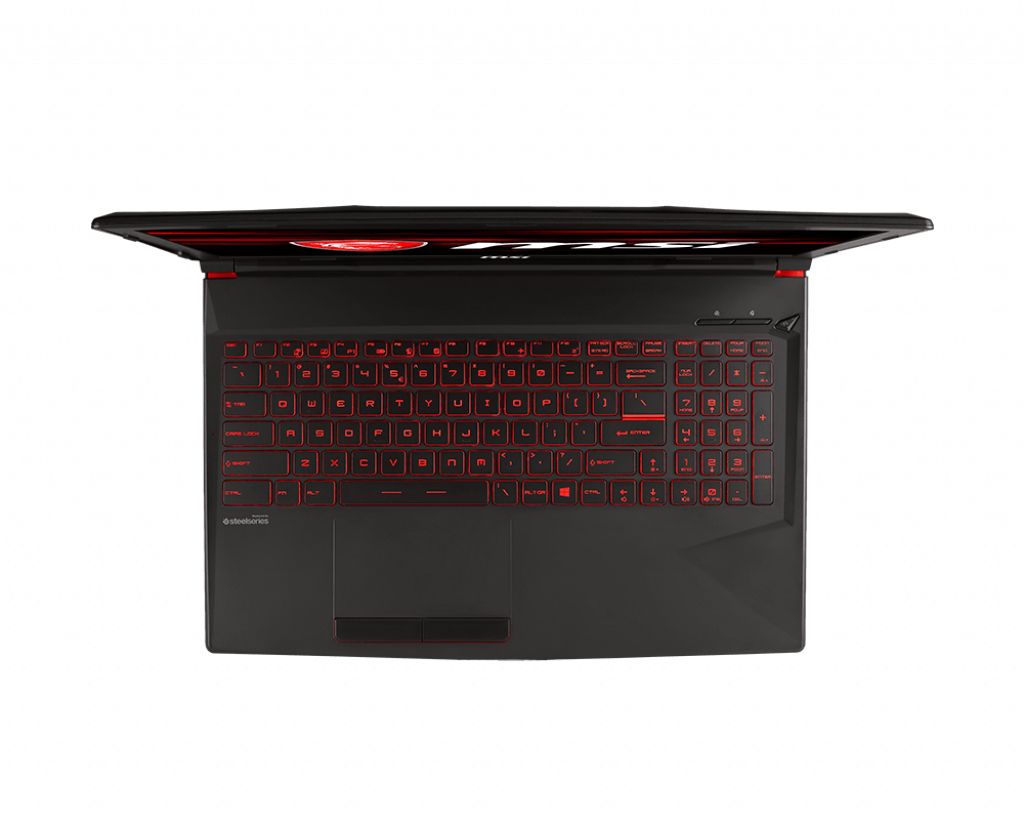
The MSI GL63 8SC-016 Gaming series laptop features DDR4-SDRAM memory specifications compatible with maximum RAM capacity of 32 GB. The system contains 2x SO-DIMM memory slots supporting SO-DIMM form factor modules. RAM upgrade specifications include DDR4-SDRAM operating at 2666 MHz frequency. Compatible memory modules can be installed in the available slots to enhance system performance. Maximum supported capacity allows for dual-slot configurations totaling 32 GB across both memory slots. Upgrade options provide flexibility for users seeking to increase RAM capacity on the GL63 8SC-016 model.
Memory Upgrade Specifications
| Specification | Value |
|---|---|
| Memory slots | 2x SO-DIMM |
| Form factor | SO-DIMM |
| Memory type | DDR4-SDRAM |
| Frequency | 2666 MHz |
| Maximum RAM | 32 GB |
| Voltage | 1.2V |
| Number of pins | 260-pin |
| Interface | PC4 |
| PC Speed Rating | PC4-2666 (PC4-21328) |
| Bandwidth | 21.3 GB/s |
| Laptop Release date | 31 March 2019 |
Additional Notes
- The MSI GL63 8SC-016 accepts only DDR4 SO-DIMM modules, making desktop memory modules physically incompatible due to pin count and form factor differences.
- The 2666 MHz frequency ceiling indicates system-level memory controller limitations, meaning modules rated at higher speeds such as 3200 MHz will downclock to 2666 MHz automatically.
- With 2 SO-DIMM slots and a 32 GB maximum capacity, dual-channel operation requires 2 identical 16 GB modules rather than a single higher-capacity module.
- The absence of quad-rank support inherent in 32 GB maximum configurations means certain high-density module architectures may be rejected during POST.
- Voltage specifications for standard DDR4 SO-DIMMs operate at 1.2V, but the system may not support low-voltage variants or overclocked modules requiring XMP profile activation.
- The SO-DIMM form factor requires accessing the bottom panel chassis, which may involve removing warranty seals depending on regional service policies.
- Mixing different capacity modules such as 8 GB and 16 GB will enable dual-channel mode only for the matched capacity portion, with remaining capacity reverting to single-channel operation.
- Latency timings such as CAS latency become relevant only when modules share identical frequency ratings, as mismatched speeds force all modules to the lowest common specification.
- The 2666 MHz native frequency represents JEDEC standard operation without requiring BIOS adjustments, unlike higher-frequency modules that depend on manufacturer-specific profiles.
- Memory module height restrictions inherent to laptop chassis design typically limit SO-DIMM compatibility to standard 30mm profiles, excluding certain heat-spreader equipped variants.