MSI Gaming GL63 8SC-017RU RAM upgrade specifications
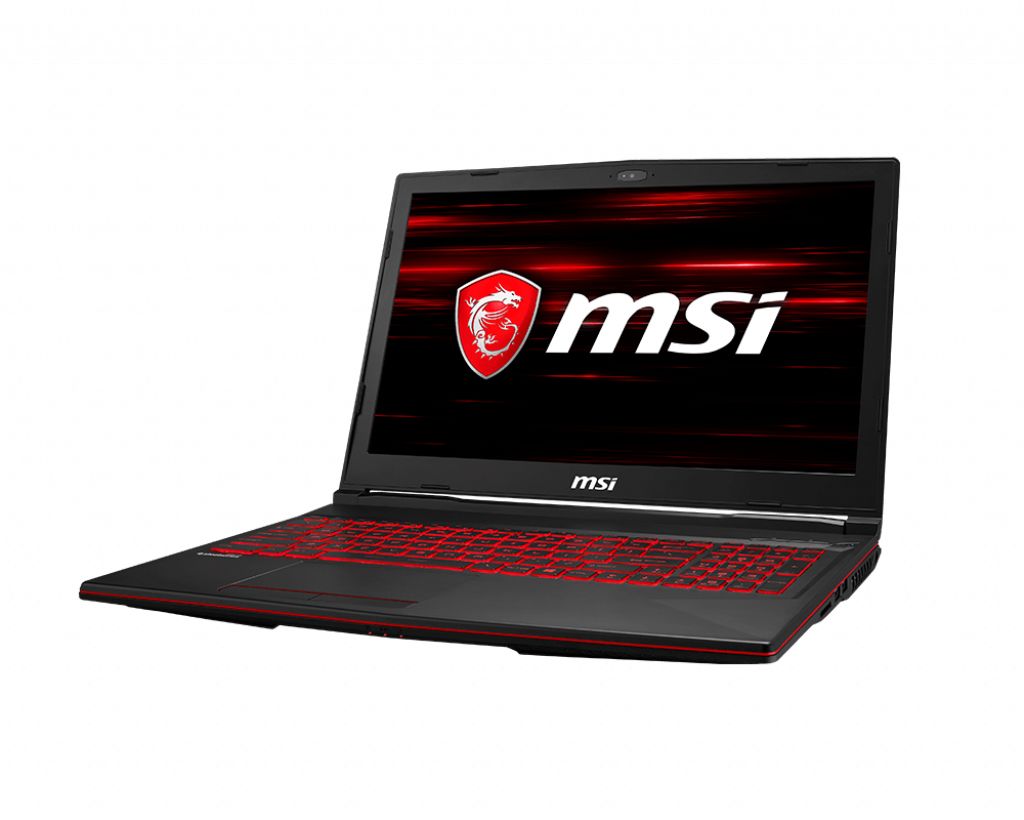
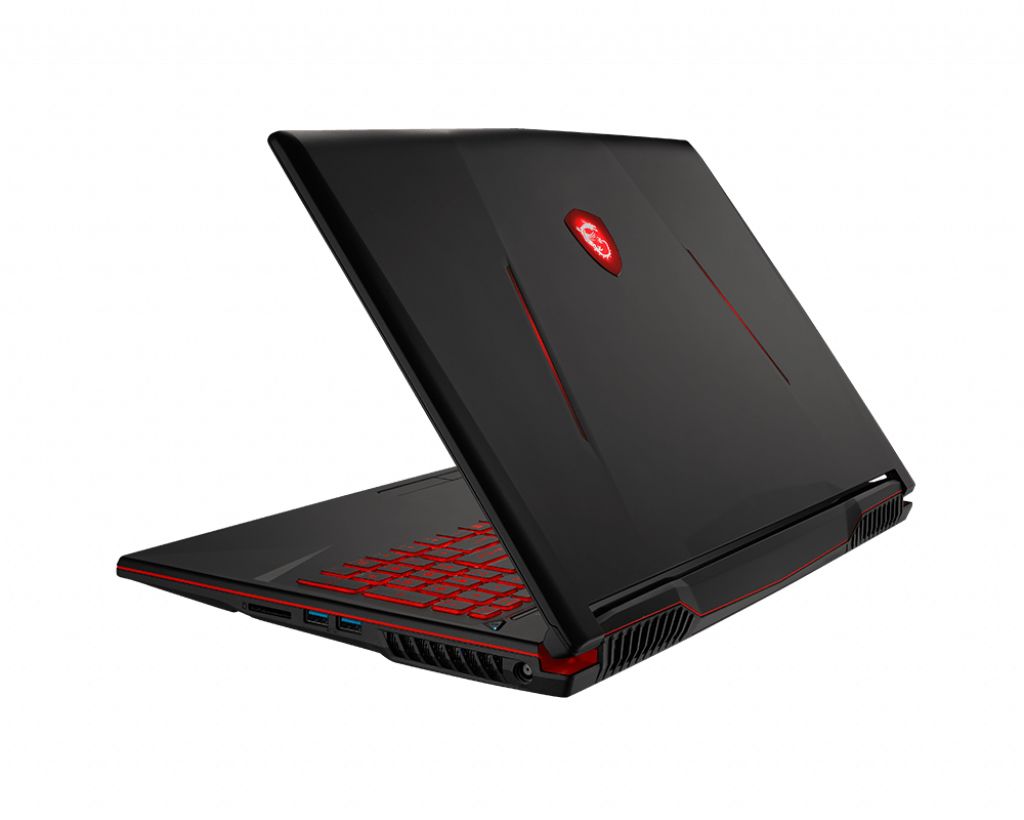
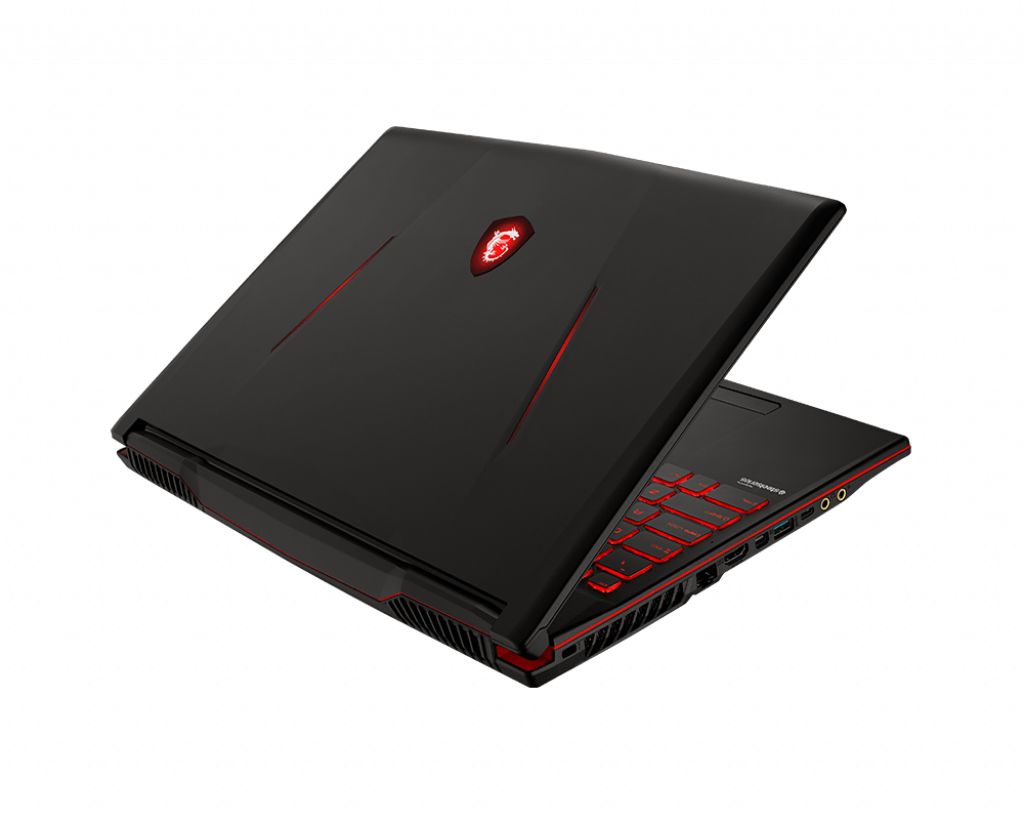
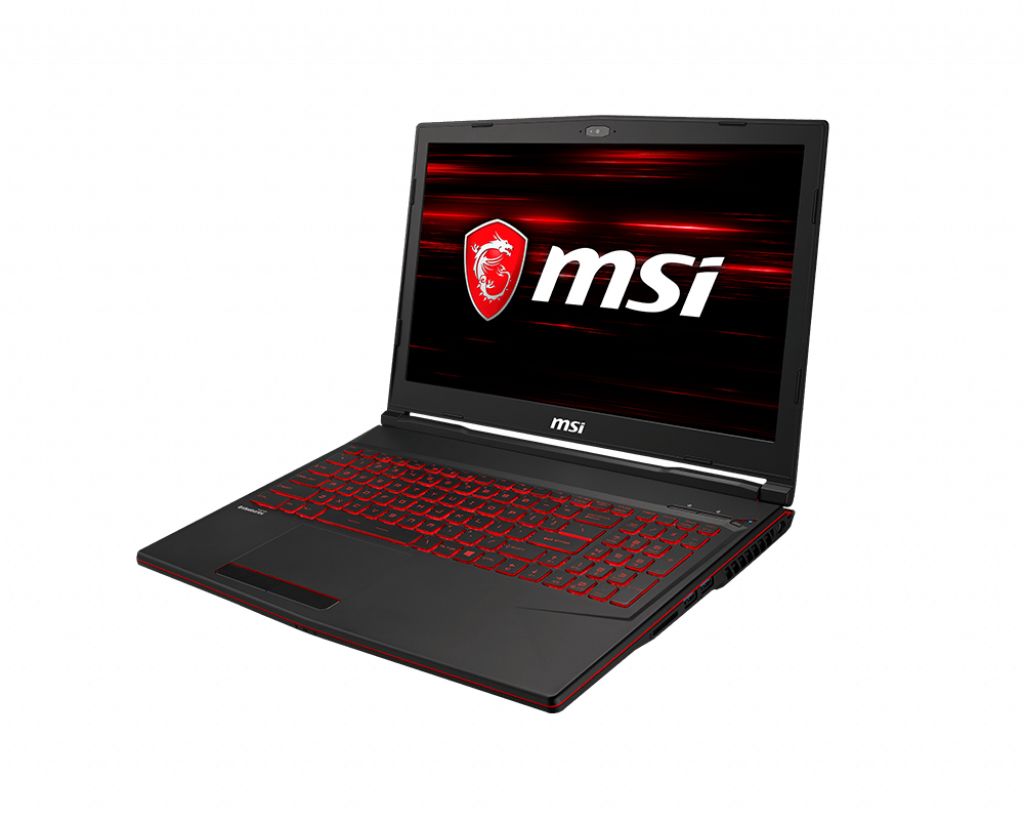
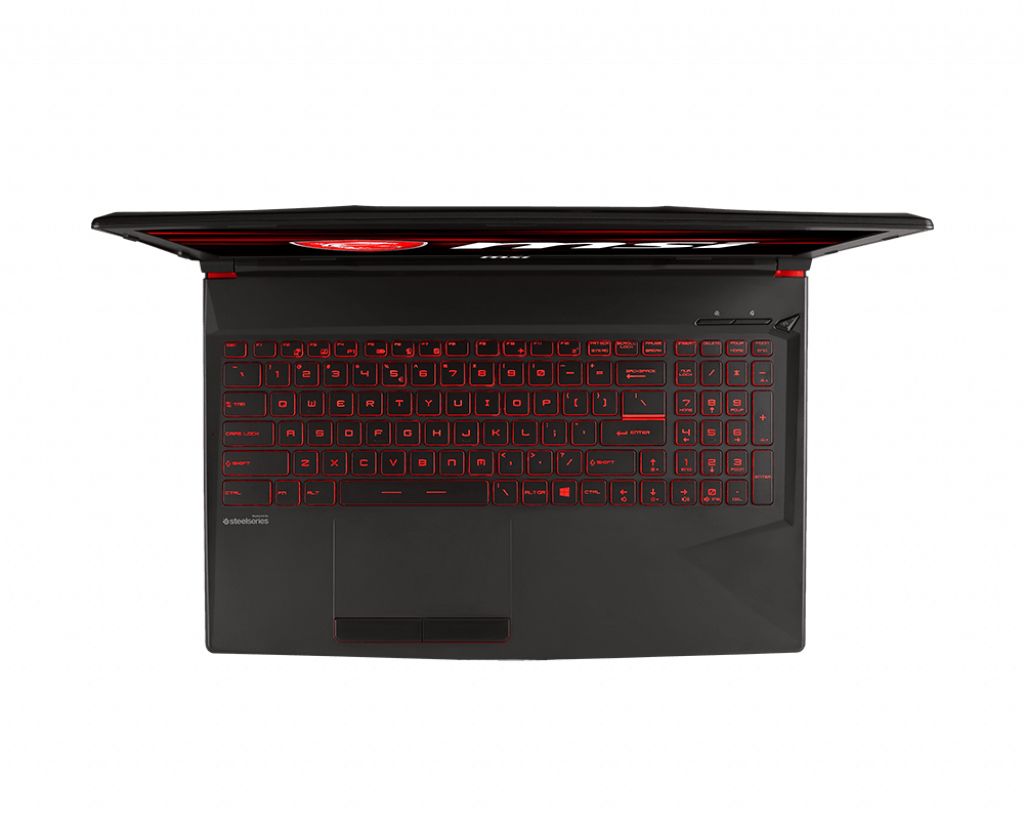
MSI GL63 8SC-017RU Gaming Series laptop supports DDR4-SDRAM memory upgrades with 2x SO-DIMM slots. Compatible RAM operates at 2666 MHz frequency with maximum capacity of 32 GB total. Upgrade specifications utilize SO-DIMM form factor modules. Current configuration and available slots determine maximum memory expansion capabilities for the GL63 8SC-017RU model.
Memory Upgrade Specifications
| Specification | Value |
|---|---|
| Memory slots | 2x SO-DIMM |
| Form factor | SO-DIMM |
| Memory type | DDR4-SDRAM |
| Frequency | 2666 MHz |
| Maximum RAM | 32 GB |
| Voltage | 1.2V |
| Number of pins | 260-pin |
| Interface | PC4 |
| PC Speed Rating | PC4-2666 (PC4-21328) |
| Bandwidth | 21.3 GB/s |
| Laptop Release date | 09 July 2019 |
Additional Notes
- The MSI GL63 8SC-017RU contains 2 SO-DIMM slots operating at 2666 MHz, which represents the upper frequency ceiling for 8th-generation Intel processors in this chassis; DDR4 modules rated above this speed will downclock to 2666 MHz, negating premium pricing for higher-frequency kits.
- Installing 32 GB total requires matching pair configuration (2x16 GB) rather than single-module solutions; asymmetric configurations trigger dual-channel mode fallback or BIOS-level memory interleaving penalties that reduce effective bandwidth by 25-40 percent relative to balanced populations.
- The 2 SO-DIMM slot architecture permits no future expansion beyond 32 GB without replacing existing modules; upgrade paths are limited to capacity substitution only, with no stacking or hybrid capacity mixing recommended for stability.
- DDR4-2666 timing characteristics require CAS latency verification during module selection; memory modules marketed for consumer platforms (CAS 16+) may exhibit incompatibility flags in BIOS POST sequences despite technical compliance, necessitating JEDEC-standard confirmation before installation.
- Thermal design of laptop SO-DIMM mounting locations directly adjacent to discrete GPU heat dissipation zones creates elevated ambient temperatures around memory module housing; higher-density configurations (16 GB per slot) with passive heat spreaders experience thermal throttling thresholds 5-8 degrees Celsius lower than isolated module testing conditions.
- Single-channel operation from 1 populated slot triggers automatic frequency downgrade to 2400 MHz in most BIOS implementations; temporary single-module operation for diagnostics results in measurable frame rate reduction (8-15 percent) in GPU-bound gaming scenarios pending second module installation.