MSI Gaming GL63 8SC-211XRU RAM upgrade specifications


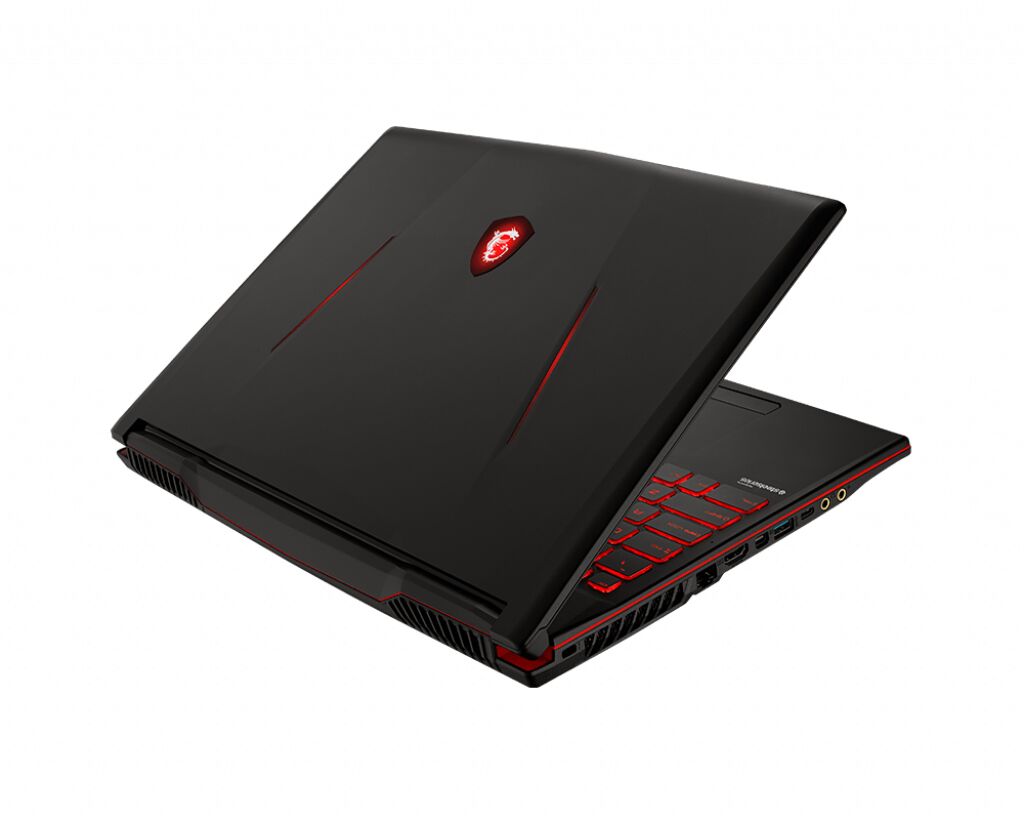
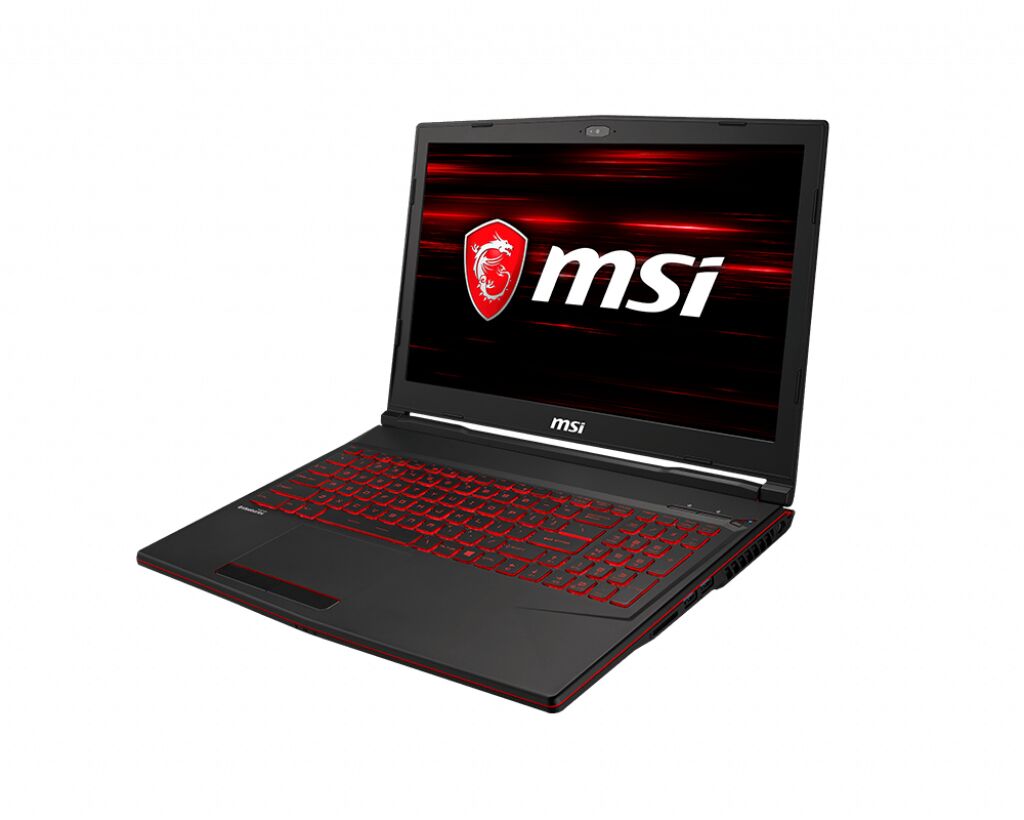
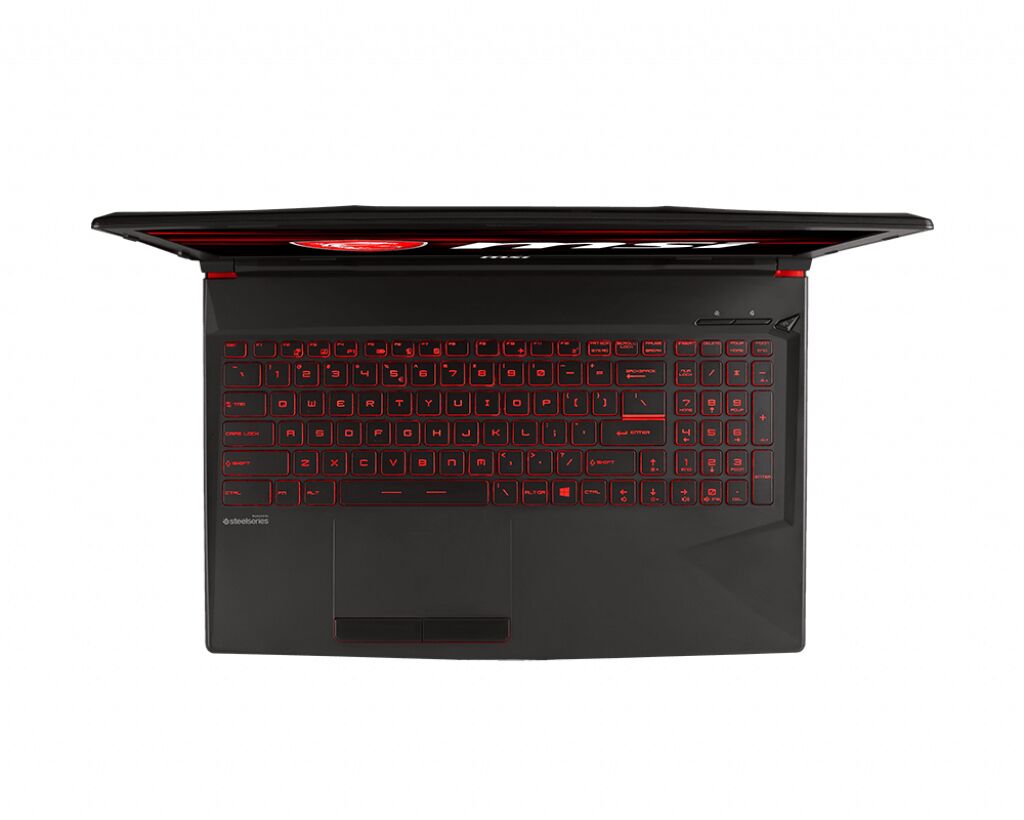
MSI GL63 8SC-211XRU gaming laptop supports DDR4-SDRAM memory upgrades through two SO-DIMM slots. The system accommodates a maximum RAM capacity of 32 GB at 2666 MHz frequency. Compatible memory modules must utilize the SO-DIMM form factor specifications. Upgrade slots allow for individual memory expansion to reach maximum capacity specifications. RAM specifications remain compatible with the GL series configuration parameters.
Memory Upgrade Specifications
| Specification | Value |
|---|---|
| Memory slots | 2x SO-DIMM |
| Form factor | SO-DIMM |
| Memory type | DDR4-SDRAM |
| Frequency | 2666 MHz |
| Maximum RAM | 32 GB |
| Voltage | 1.2V |
| Number of pins | 260-pin |
| Interface | PC4 |
| PC Speed Rating | PC4-2666 (PC4-21328) |
| Bandwidth | 21.3 GB/s |
| Laptop Release date | 16 October 2019 |
Additional Notes
- The 32 GB ceiling stems from chipset addressing limitations rather than physical slot constraints, preventing recognition of higher-density modules even if physically compatible.
- SO-DIMM architecture requires low-profile heat spreaders under 3 centimeters to avoid interference with keyboard assemblies and chassis grounding points.
- DDR4-2666 represents a JEDEC standard lock rather than performance headroom, meaning modules rated at 3200 MHz will downclock automatically without manual intervention.
- Dual-channel population mandates matched module capacities to avoid asymmetric bandwidth allocation, where mismatched pairs force single-channel operation on the smaller module's capacity.
- The MSI GL63 8SC-211XRU Gaming platform binds memory frequency to CPU specifications, creating a dependency where thermal throttling of the processor indirectly affects RAM performance during sustained loads.
- Non-ECC unbuffered modules remain the only validated topology, as registered or error-correcting variants introduce timing incompatibilities with mobile memory controllers.
- Voltage tolerance sits strictly at 1.2V nominal, eliminating compatibility with low-voltage DDR4L variants that operate at 1.05V and lack cross-voltage support.
- Bottom-panel access typically requires full disassembly past warranty seals on gaming chassis, contrasting with enterprise models offering dedicated RAM doors.
- CAS latency becomes functionally irrelevant below CL19 at this frequency tier, as real-world gaming workloads saturate bandwidth before latency optimizations yield measurable gains.
- Mixed-brand configurations remain electrically viable provided SPD timing tables align, though disparate XMP profiles create POST conflicts requiring BIOS-level manual timing entry.
- Thermal paste degradation near RAM slots after 18 months of operation can elevate ambient module temperatures by 8-12 degrees Celsius, approaching the 85-degree throttling threshold.
- Single-rank versus dual-rank topology affects burst performance asymmetrically, with dual-rank modules providing 5-8% higher throughput in memory-intensive scenarios at identical frequencies.