MSI Gaming GL63 8SD-269ES RAM upgrade specifications

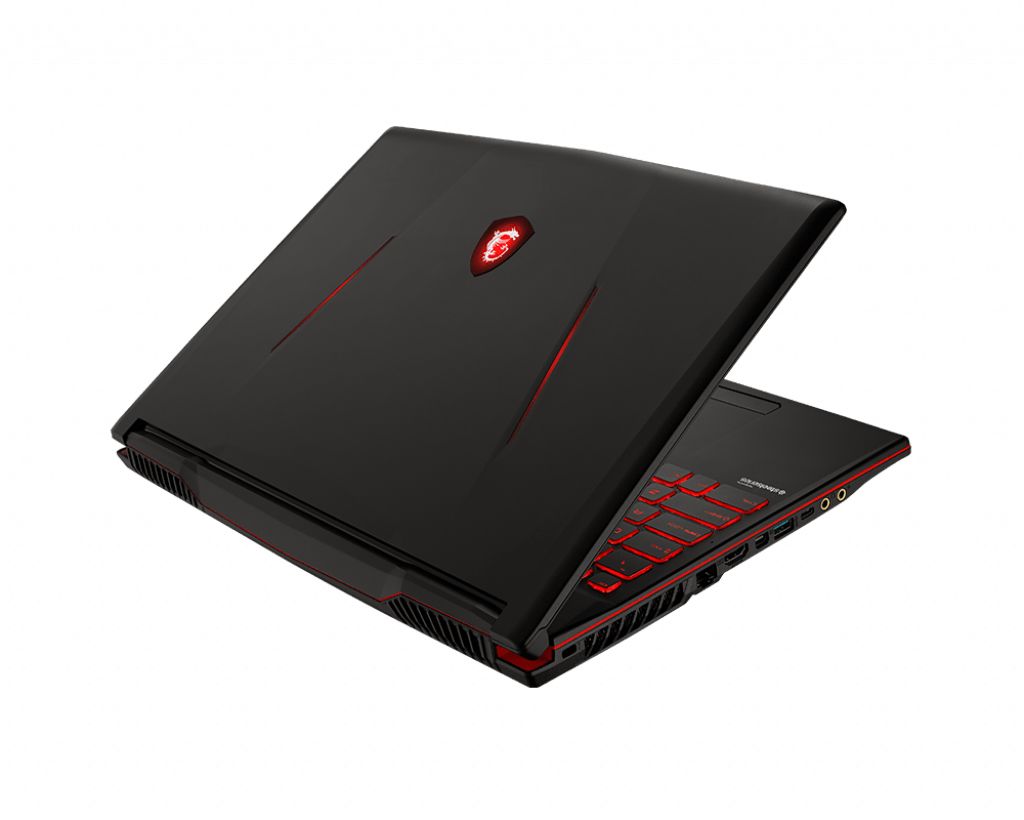


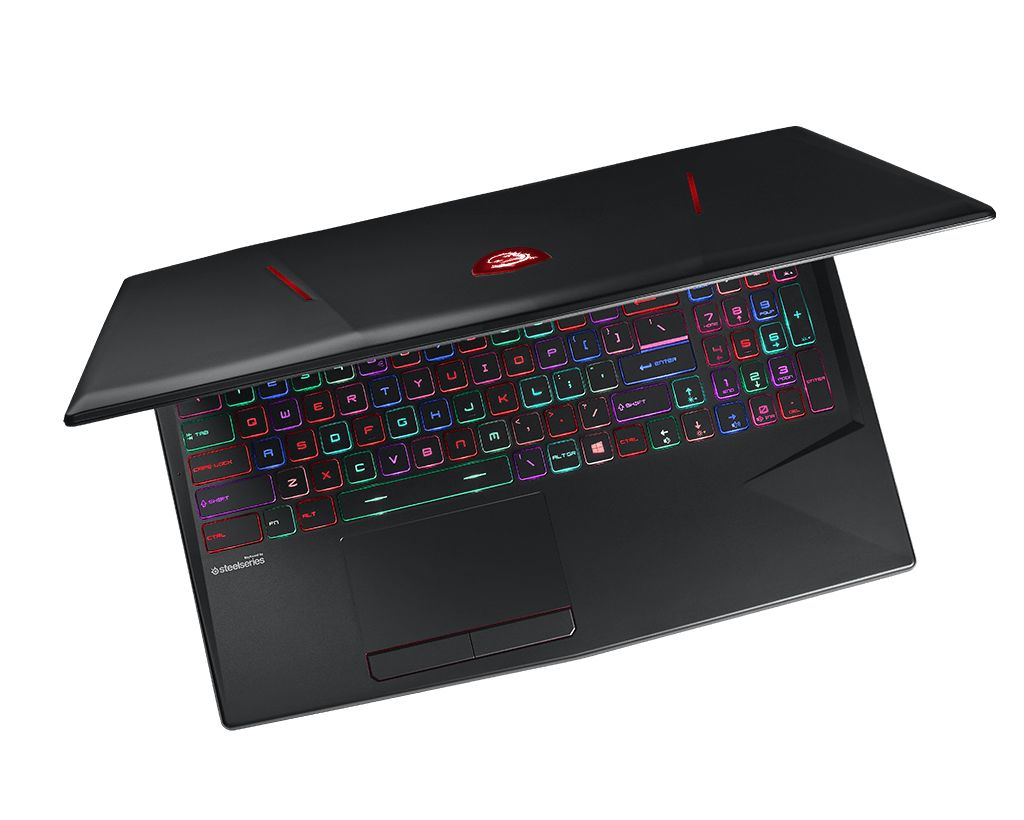
The MSI GL63 8SD-269ES gaming laptop features DDR4-SDRAM memory upgrade specifications with two SO-DIMM slots supporting maximum capacity of 32 GB total. Compatible memory modules operate at 2666 MHz frequency. The GL series machine accepts standard SO-DIMM form factor RAM upgrades, enabling users to expand memory configurations from factory-installed capacity up to the 32 GB maximum supported capacity. These specifications define compatible memory upgrade options for the GL63 8SD-269ES model.
Memory Upgrade Specifications
| Specification | Value |
|---|---|
| Memory slots | 2x SO-DIMM |
| Form factor | SO-DIMM |
| Memory type | DDR4-SDRAM |
| Frequency | 2666 MHz |
| Maximum RAM | 32 GB |
| Voltage | 1.2V |
| Number of pins | 260-pin |
| Interface | PC4 |
| PC Speed Rating | PC4-2666 (PC4-21328) |
| Bandwidth | 21.3 GB/s |
| Laptop Release date | 19 April 2019 |
Additional Notes
- The MSI GL63 8SD-269ES features a dual-channel architecture that requires matched memory modules in both slots to achieve optimal bandwidth of 42.6 GB/s, compared to 21.3 GB/s in single-channel configuration.
- The 2666 MHz specification indicates DDR4-2666 PC4-21300 compatibility, which corresponds to a CL19 latency standard commonly found in consumer-grade modules.
- The 32 GB maximum capacity constraint is enforced by the Intel HM370 chipset limitation, preventing installation of higher-density modules beyond 16 GB per slot.
- Mixing modules with different speeds will cause the memory controller to downclock all installed RAM to the slowest module's frequency, potentially reducing system performance.
- The SO-DIMM form factor measures 67.6 mm in length, which differs from desktop DIMM modules and prevents cross-compatibility between laptop and desktop memory.
- Voltage specification is fixed at 1.2V for standard DDR4 operation, as low-voltage DDR4L variants at 1.35V are not supported by this generation of mobile processors.
- Memory access remains warranty-compliant through the bottom service panel, avoiding the need to remove keyboard assemblies or void seal stickers.
- The memory controller supports non-ECC unbuffered modules exclusively, making registered or error-correcting memory physically incompatible with the system architecture.
- Single-rank versus dual-rank module selection impacts interleaving capabilities, with dual-rank configurations providing marginal performance improvements in memory-intensive workloads.
- Thermal considerations require modules with standard-height heat spreaders not exceeding 31.25 mm, as low-profile designs accommodate the limited clearance beneath the keyboard assembly.