MSI Gaming GL63 8SD-414AU RAM upgrade specifications



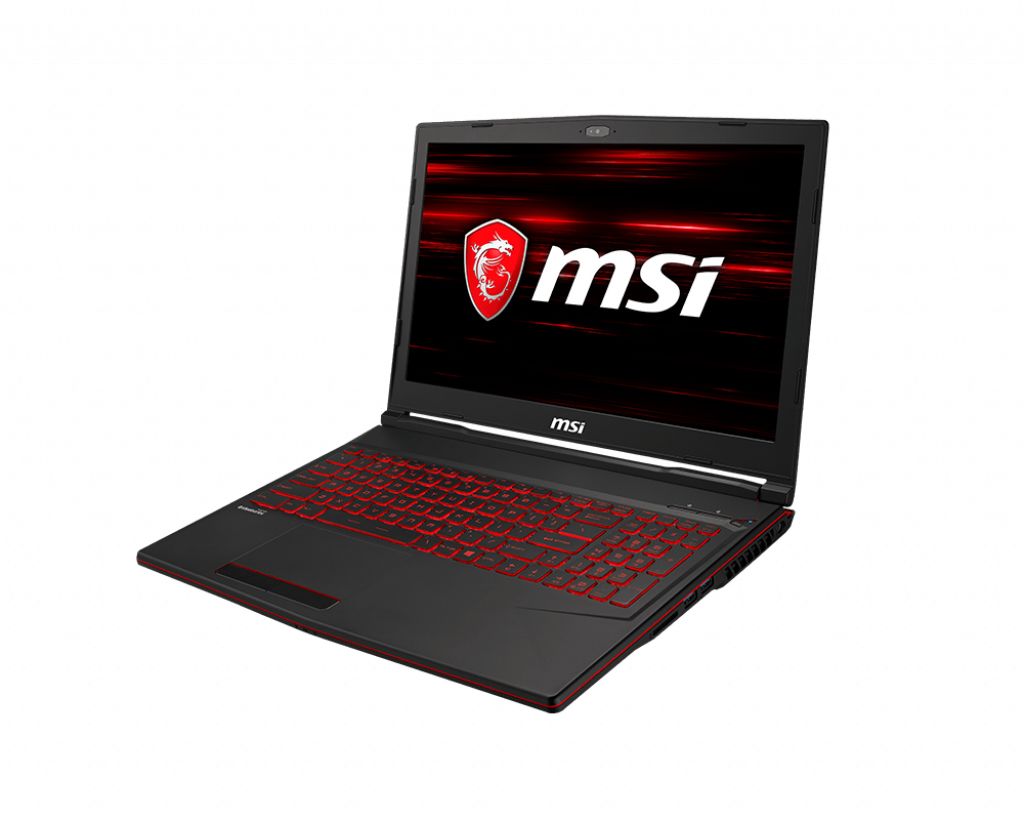
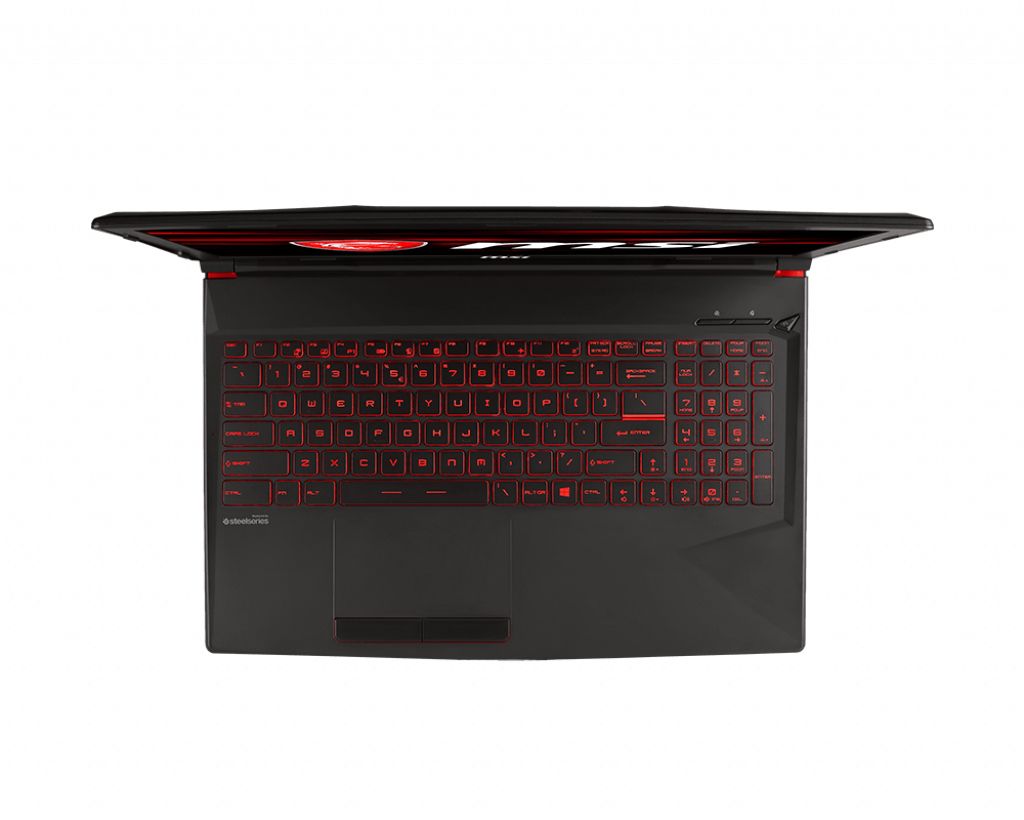
The MSI GL63 8SD-414AU gaming laptop features DDR4-SDRAM memory with 2x SO-DIMM slots supporting maximum capacity of 32 GB. RAM upgrade specifications indicate compatibility with DDR4 modules operating at 2666 MHz frequency. The SO-DIMM form factor enables memory expansion for enhanced multitasking and gaming performance on the GL series gaming platform.
Memory Upgrade Specifications
| Specification | Value |
|---|---|
| Memory slots | 2x SO-DIMM |
| Form factor | SO-DIMM |
| Memory type | DDR4-SDRAM |
| Frequency | 2666 MHz |
| Maximum RAM | 32 GB |
| Voltage | 1.2V |
| Number of pins | 260-pin |
| Interface | PC4 |
| PC Speed Rating | PC4-2666 (PC4-21328) |
| Bandwidth | 21.3 GB/s |
| Laptop Release date | 19 April 2019 |
Additional Notes
- The dual channel configuration requirement necessitates installing modules in identical pairs to achieve maximum memory bandwidth and prevent single channel performance bottlenecks during high load gaming scenarios.
- Integrating memory with higher frequency ratings than 2666 MHz results in automatic downclocking to match the motherboard firmware limitations of the MSI GL63 8SD-414AU.
- Internal component access for memory installation requires the removal of the entire bottom chassis panel which involves breaking a factory seal sticker and potentially impacting local warranty terms depending on regional consumer laws.
- The 32 GB ceiling dictates that 16 GB is the maximum density supported per individual SO-DIMM slot utilizing 8 Gb or 16 Gb chip densities.
- Mixing modules with different latency timings forces the system to default to the slowest common denominator which increases overall memory latency and reduces effective frame rates in CPU bound applications.
- Upgrading from a single module to a two module setup provides a significant boost to minimum frame rates and stabilizes frame pacing due to the doubling of available communication lanes between the processor and RAM.
- Standard voltage 1.2V DDR4 modules are required to maintain thermal stability within the constrained internal airflow environment of the laptop chassis.