MSI Gaming GL63 8SD-298FR RAM upgrade specifications
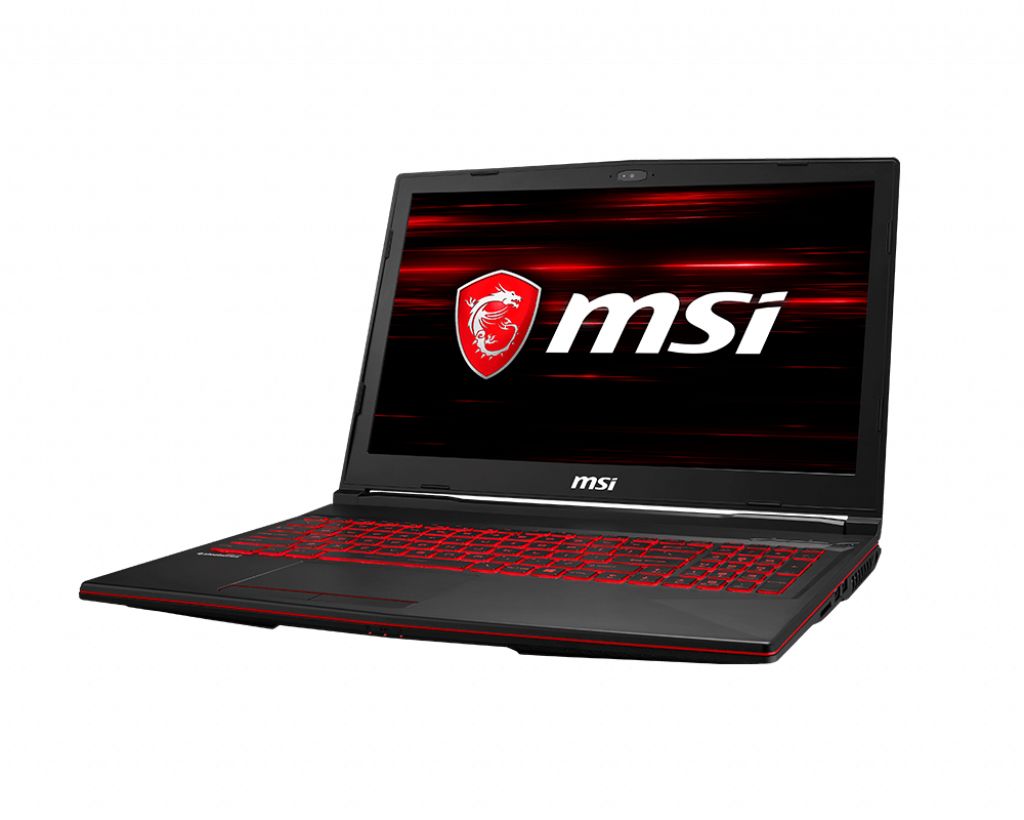
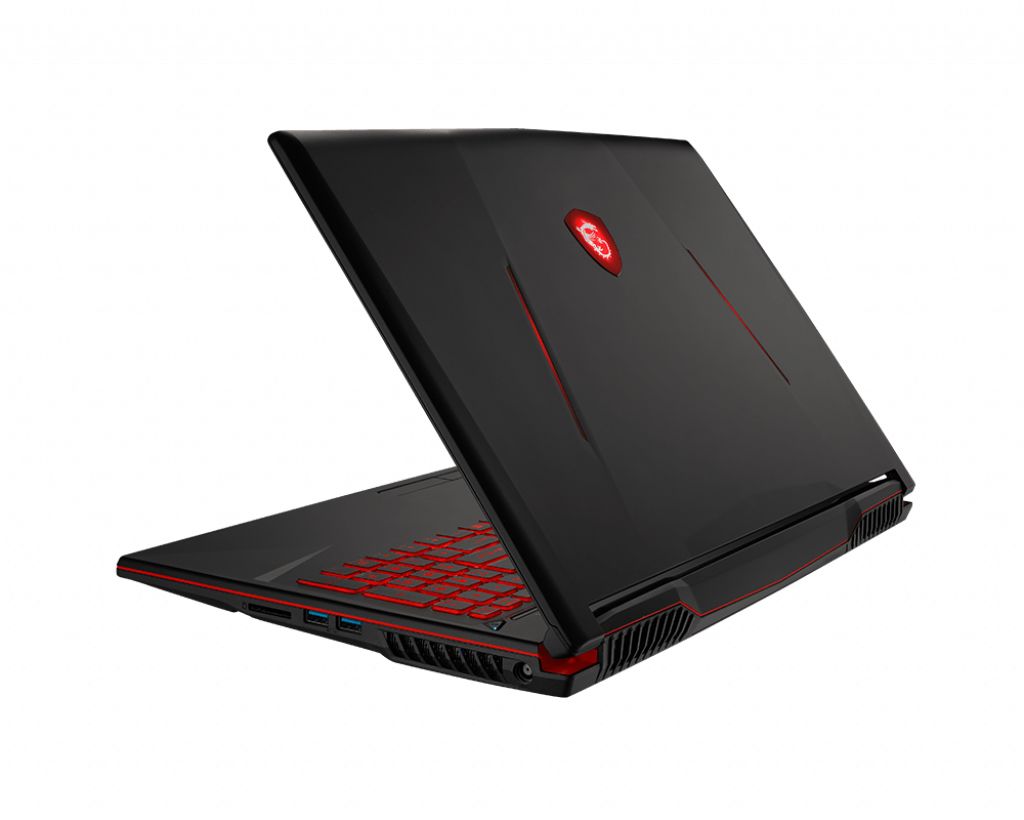
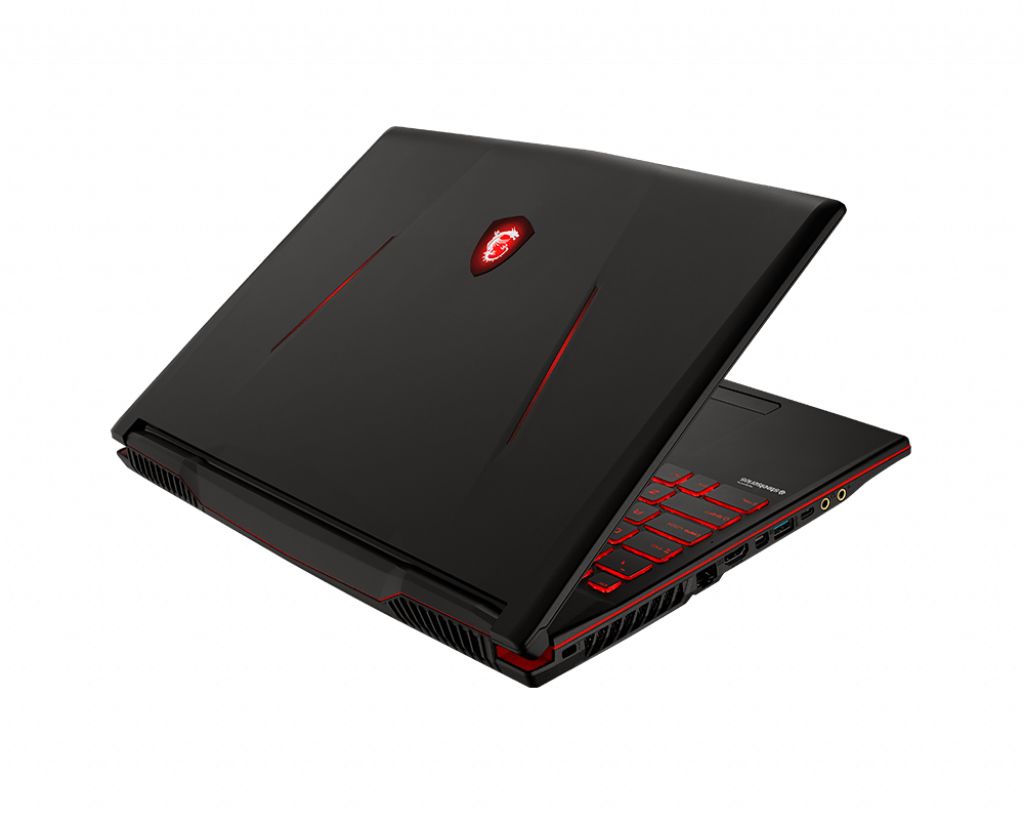
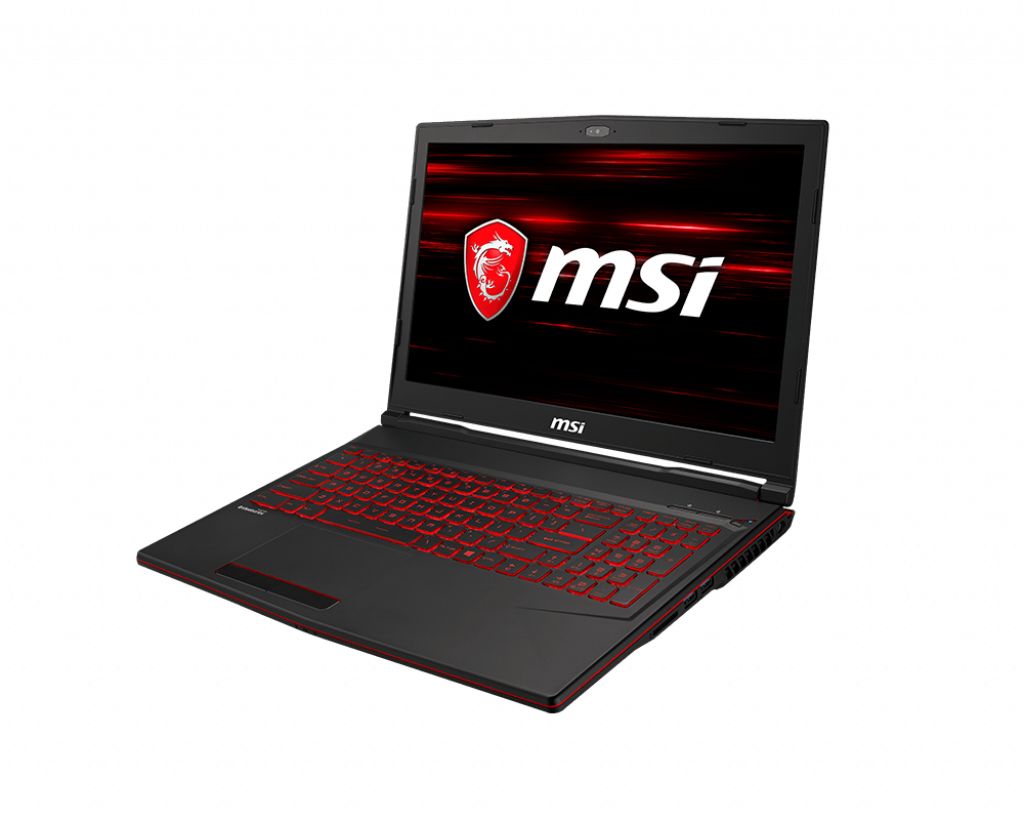
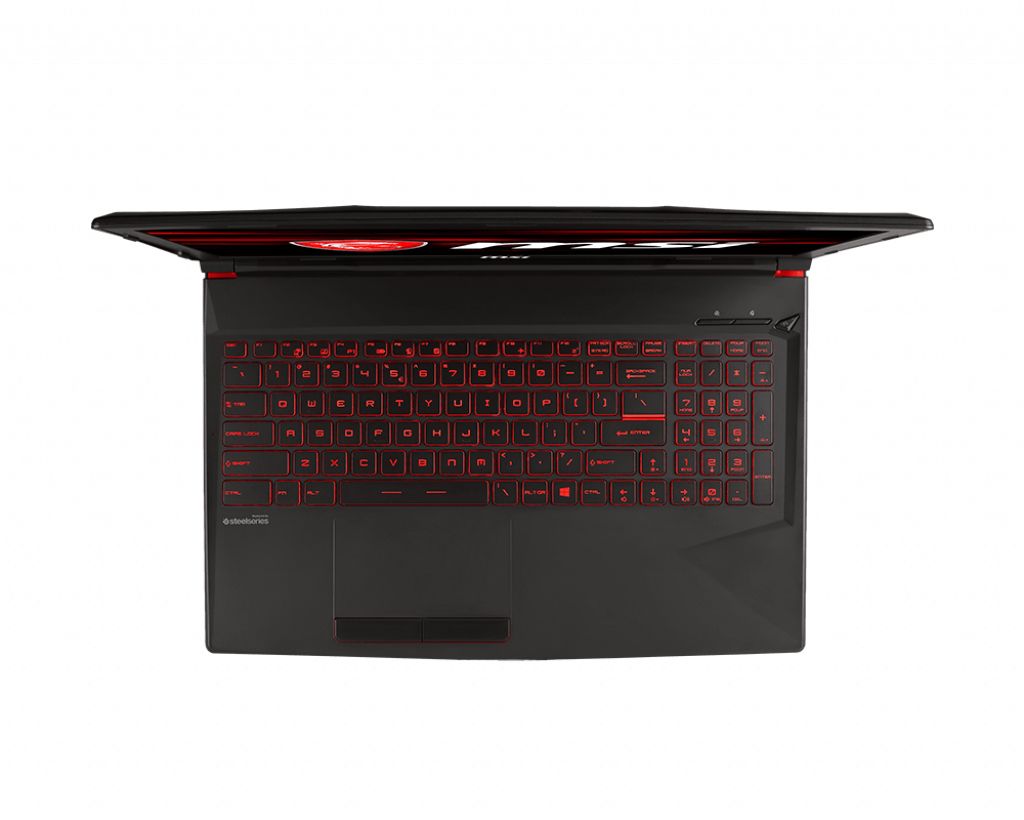
The MSI GL63 8SD-298FR Gaming series laptop features DDR4-SDRAM memory with two SO-DIMM slots for RAM upgrade capabilities. Compatible memory modules operate at 2666 MHz frequency. The system supports a maximum RAM capacity of 32 GB total, allowing users to expand memory from the factory configuration. Specifications indicate SO-DIMM form factor modules are required for upgrade compatibility with this Gaming GL series model.
Memory Upgrade Specifications
| Specification | Value |
|---|---|
| Memory slots | 2x SO-DIMM |
| Form factor | SO-DIMM |
| Memory type | DDR4-SDRAM |
| Frequency | 2666 MHz |
| Maximum RAM | 32 GB |
| Voltage | 1.2V |
| Number of pins | 260-pin |
| Interface | PC4 |
| PC Speed Rating | PC4-2666 (PC4-21328) |
| Bandwidth | 21.3 GB/s |
| Laptop Release date | 13 May 2019 |
Additional Notes
- The MSI GL63 8SD-298FR accepts only notebook-sized memory modules, preventing the use of standard desktop DIMM sticks regardless of specification matching.
- The 2666 MHz frequency limit stems from the Intel 8th generation Coffee Lake-H chipset architecture, which will downclock any faster modules to this native speed.
- Installing a single module instead of matched pairs eliminates dual-channel operation, reducing memory bandwidth from 42.6 GB/s to 21.3 GB/s.
- The 32 GB ceiling requires two 16 GB modules, as single 32 GB SO-DIMM sticks exceed the memory controller's per-slot addressing capability.
- Mixing modules with different CAS latencies forces all memory to operate at the slowest timing present, potentially degrading performance below rated specifications.
- Non-JEDEC voltage modules rated above 1.2V may trigger compatibility issues or prevent POST completion despite correct form factor and speed.
- The Coffee Lake platform lacks native support for DDR4-3200, meaning such modules will automatically default to 2666 MHz without BIOS intervention options.
- Accessing both SO-DIMM slots on this chassis typically requires complete bottom panel removal rather than dedicated service hatches.
- ECC SO-DIMM modules physically fit but remain incompatible, as the HM370 chipset does not support error-correcting code functions.
- Warranty preservation requires using modules meeting JEDEC DDR4-2666 standards, as overclocked XMP profiles may void coverage under certain regional policies.