MSI Gaming GL63 8SD-492CA RAM upgrade specifications
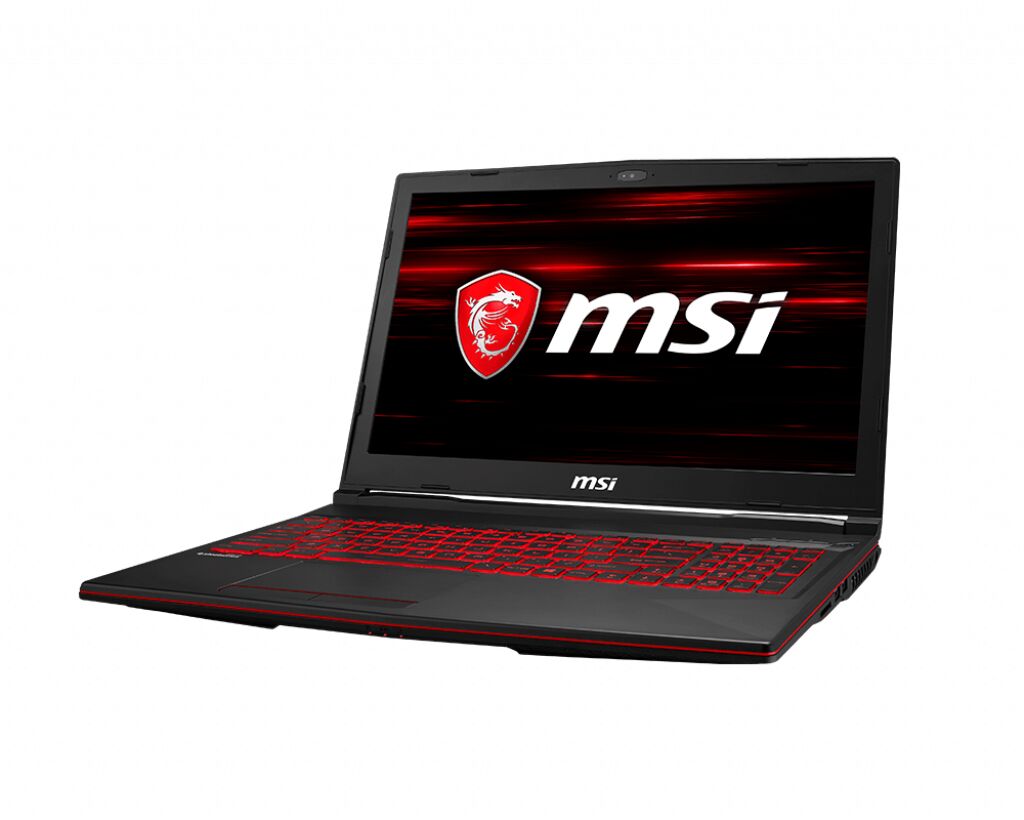
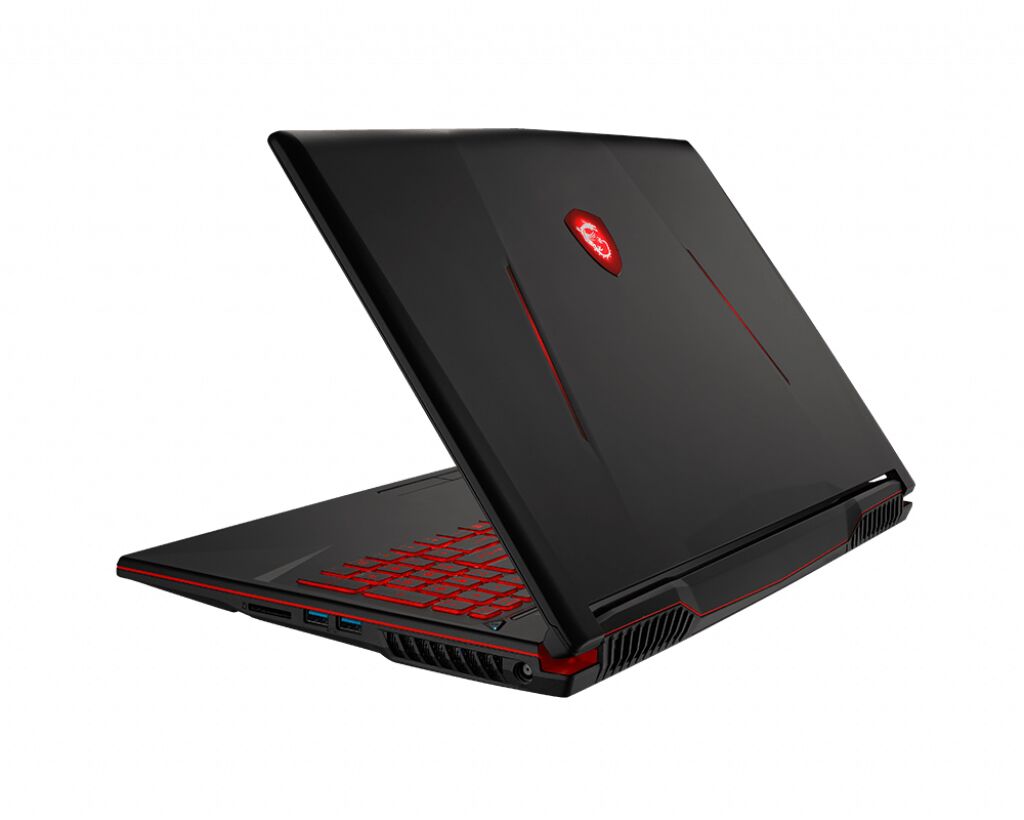
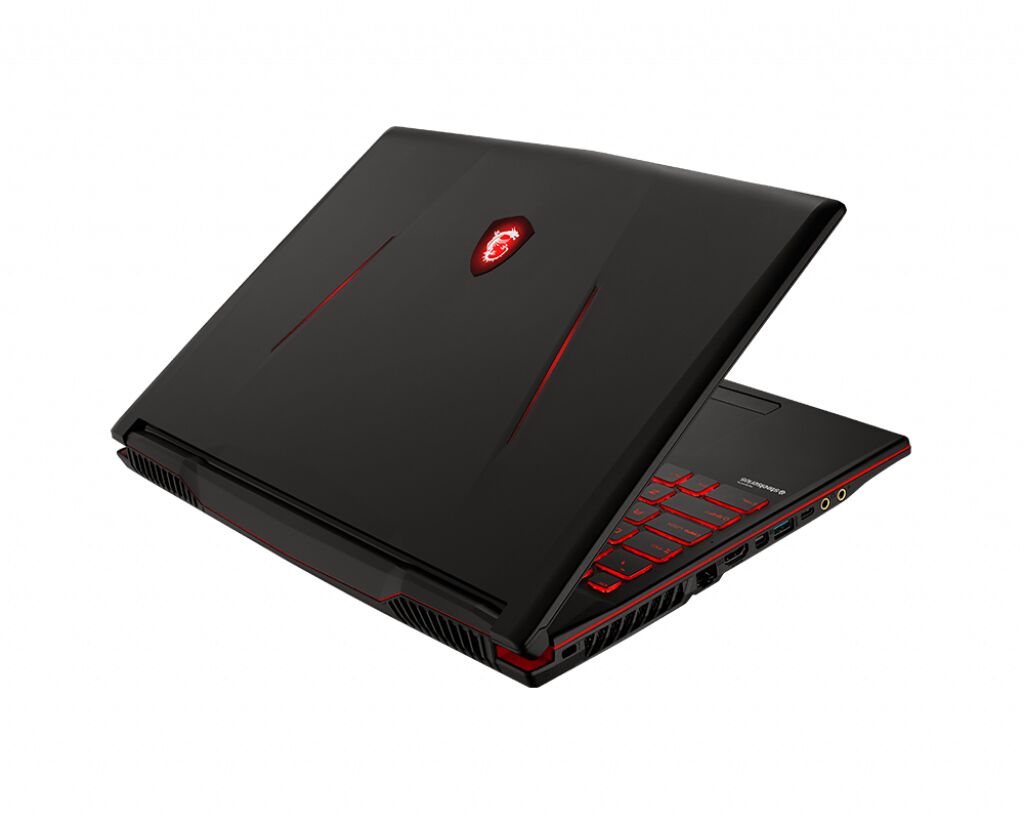
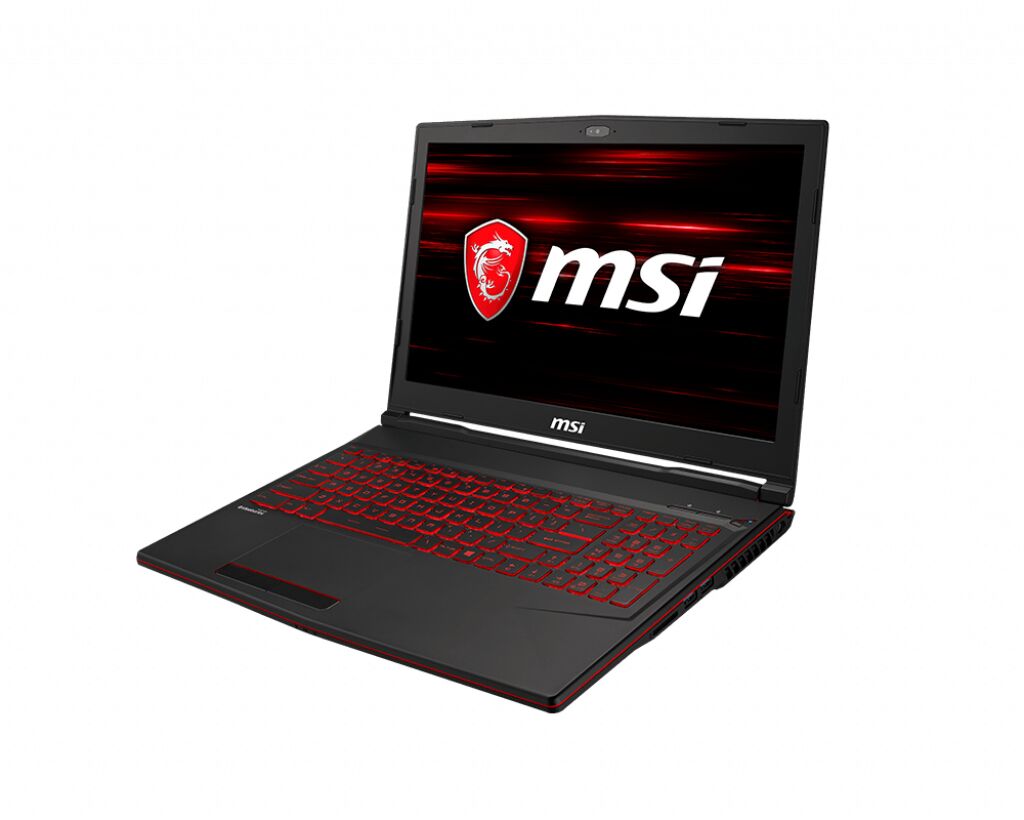
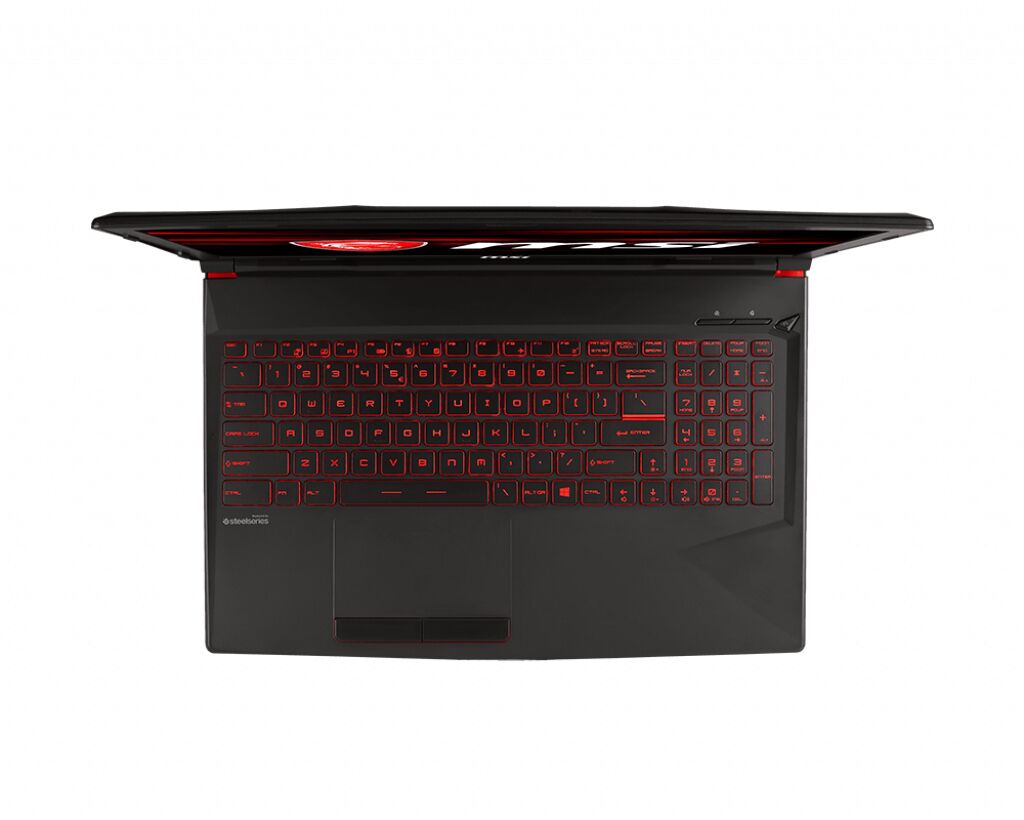
The MSI GL63 8SD-492CA Gaming series laptop features DDR4-SDRAM memory upgrade specifications. The system contains 2x SO-DIMM slots supporting a maximum RAM capacity of 32 GB. Compatible memory modules operate at 2666 MHz frequency with SO-DIMM form factor. Specifications indicate upgrade capability for expanding total memory capacity through the available slots.
Memory Upgrade Specifications
| Specification | Value |
|---|---|
| Memory slots | 2x SO-DIMM |
| Form factor | SO-DIMM |
| Memory type | DDR4-SDRAM |
| Frequency | 2666 MHz |
| Maximum RAM | 32 GB |
| Voltage | 1.2V |
| Number of pins | 260-pin |
| Interface | PC4 |
| PC Speed Rating | PC4-2666 (PC4-21328) |
| Bandwidth | 21.3 GB/s |
| Laptop Release date | 13 May 2019 |
Additional Notes
- The MSI GL63 8SD-492CA uses SO-DIMM modules, which are physically smaller than desktop counterparts. Installation requires careful alignment with the retention clips at slot ends; improper insertion can damage the connector contacts and void the warranty through physical harm rather than component failure.
- The 2 SO-DIMM slot configuration permits symmetric dual-channel operation only with identical module pairs. Mismatched capacities or frequencies force the system into single-channel mode on one slot, reducing effective memory bandwidth by approximately 50% and increasing latency for graphics-intensive workloads.
- DDR4-2666 MHz represents the native supported frequency for this 8th-generation Intel platform. Modules rated for 3000 MHz or higher will downclock to 2666 MHz automatically; purchasing premium-speed RAM delivers no performance gain and increases acquisition cost unnecessarily.
- The 32 GB maximum capacity ceiling is a firmware/chipset limitation, not a physical one. Upgrading to a single 16 GB module per slot reaches this limit; the combination of 2 existing modules with 1 newer module in a 2-slot chassis creates a practical constraint rather than enabling mixed capacities.
- Gaming workloads at 1080p resolution on this platform experience minimal benefit from upgrading beyond 16 GB total, as GPU memory becomes the bottleneck before system RAM saturation occurs. Incremental gains manifest only in CPU-bound scenarios or concurrent background application load.
- Third-party RAM warranty claims typically require matching the original OEM specifications within tolerances. Mixing module generations or manufacturers risks denial of memory-related failure coverage, even if the incompatibility was not the root cause.