MSI Gaming GL63 8SD-816XFR RAM upgrade specifications

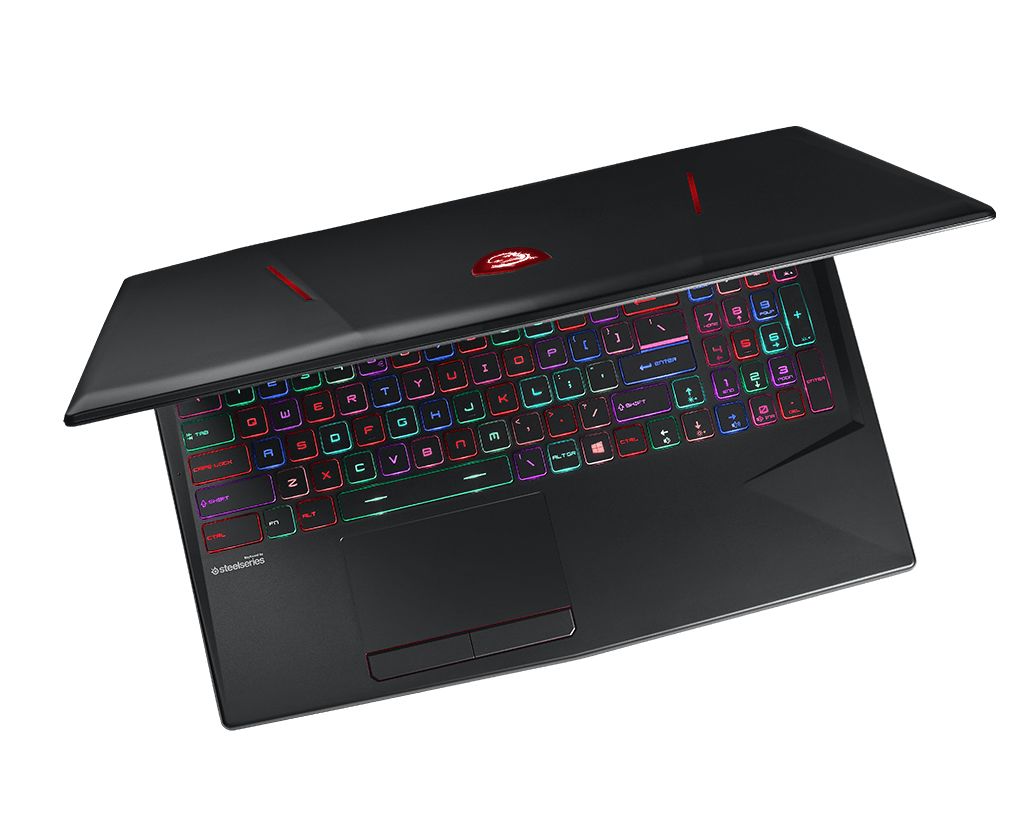

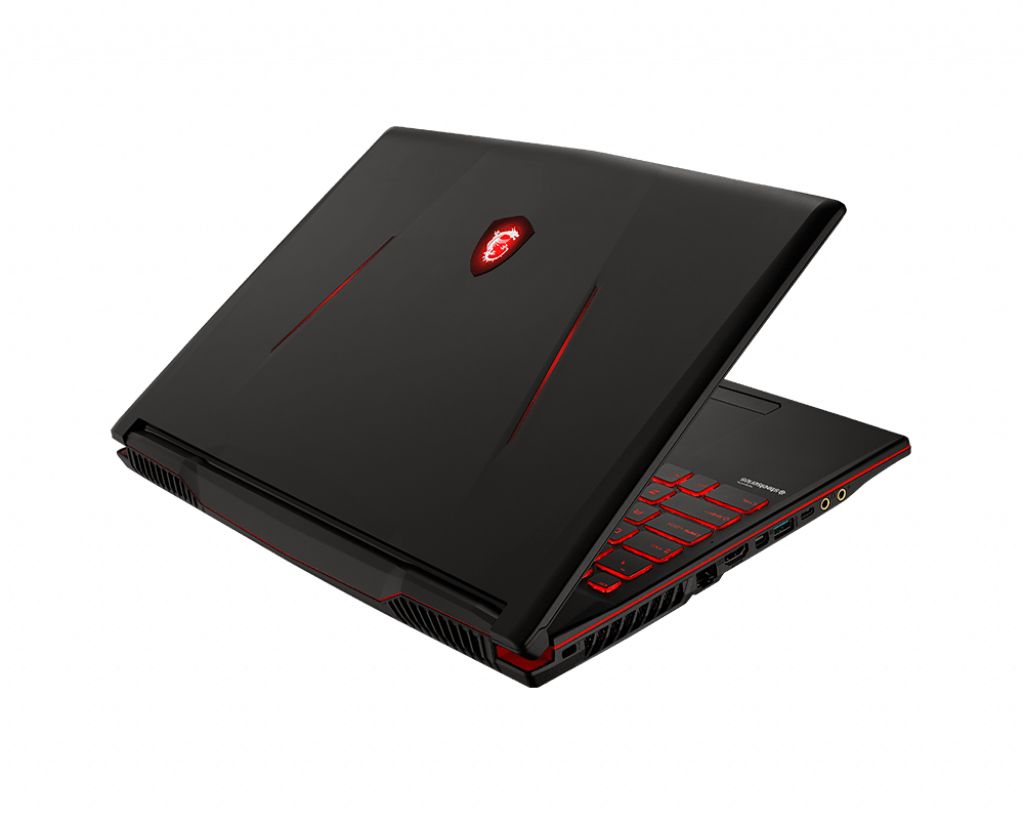
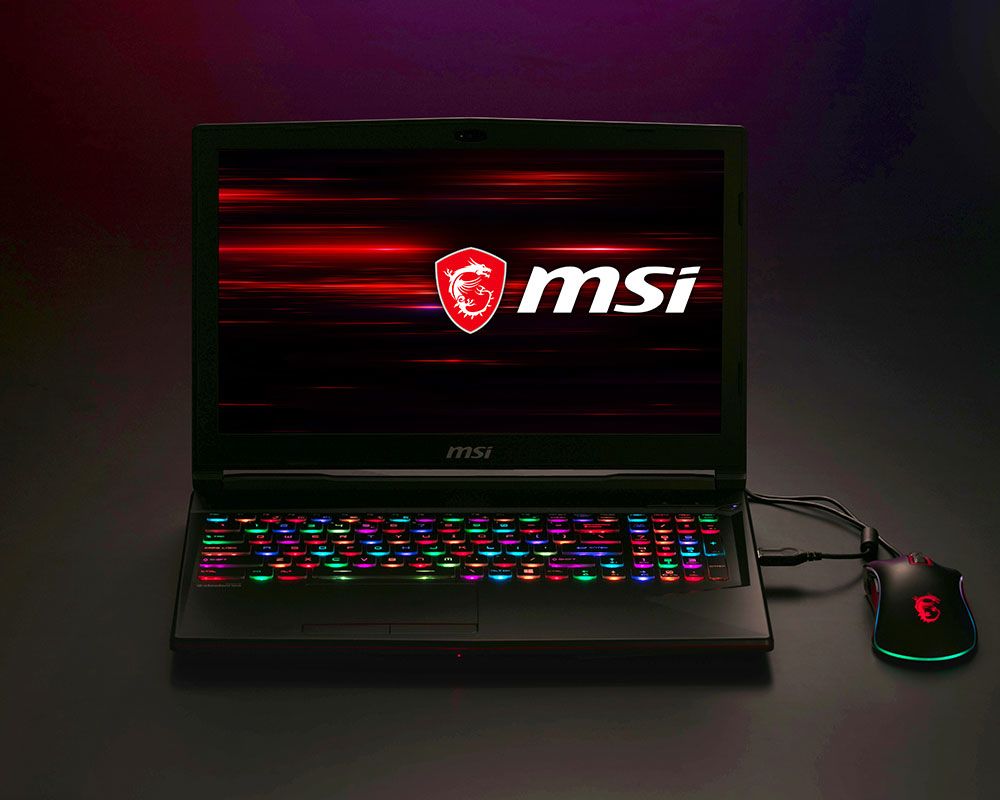
The MSI GL63 8SD-816XFR Gaming series laptop features DDR4-SDRAM memory with 2x SO-DIMM slots for RAM upgrade capabilities. This model supports maximum RAM capacity of 32 GB total memory. Compatible memory modules operate at 2666 MHz frequency with SO-DIMM form factor specifications. The upgrade configuration allows for flexible memory expansion to enhance system performance based on user requirements and workload demands.
Memory Upgrade Specifications
| Specification | Value |
|---|---|
| Memory slots | 2x SO-DIMM |
| Form factor | SO-DIMM |
| Memory type | DDR4-SDRAM |
| Frequency | 2666 MHz |
| Maximum RAM | 32 GB |
| Voltage | 1.2V |
| Number of pins | 260-pin |
| Interface | PC4 |
| PC Speed Rating | PC4-2666 (PC4-21328) |
| Bandwidth | 21.3 GB/s |
| Laptop Release date | 01 July 2019 |
Additional Notes
- The MSI GL63 8SD-816XFR memory controller supports dual-channel architecture through its 2 SO-DIMM slots, enabling theoretical bandwidth up to 42.6 GB/s when populated with matching modules.
- Asymmetric capacity configurations will function but operate in single-channel mode for the unmatched portion, reducing memory throughput by approximately 50% during intensive workloads.
- DDR4-2666 represents the validated frequency ceiling; installing higher-rated modules (such as DDR4-3200) will result in automatic downclocking to 2666 MHz specifications.
- The 32 GB maximum capacity limitation originates from chipset addressing constraints rather than physical slot availability, making 2x16 GB the optimal configuration for full expansion.
- SO-DIMM module height variations are typically negligible, though modules with tall heat spreaders may interfere with keyboard backlighting ribbons or chassis clearance during installation.
- Memory timing mismatches between modules of different manufacturers will force all installed modules to operate at the slowest common denominator timings, potentially increasing latency.
- Non-ECC unbuffered modules are required; server-grade ECC or registered DIMMs will either fail POST or remain unrecognized by the consumer-oriented memory controller.
- Single-rank versus dual-rank module topology affects interleaving efficiency, with mixed-rank configurations sometimes causing stability issues during extended stress operations.
- Access to SO-DIMM slots requires bottom panel removal, which may void seals or warranties depending on regional service policies and seal placement.
- Operating voltage is standardized at 1.2V for DDR4 specifications; low-voltage variants offer no compatibility advantage and may introduce stability concerns if motherboard firmware lacks adaptive voltage controls.