MSI Gaming GL63 8SD-826IT RAM upgrade specifications
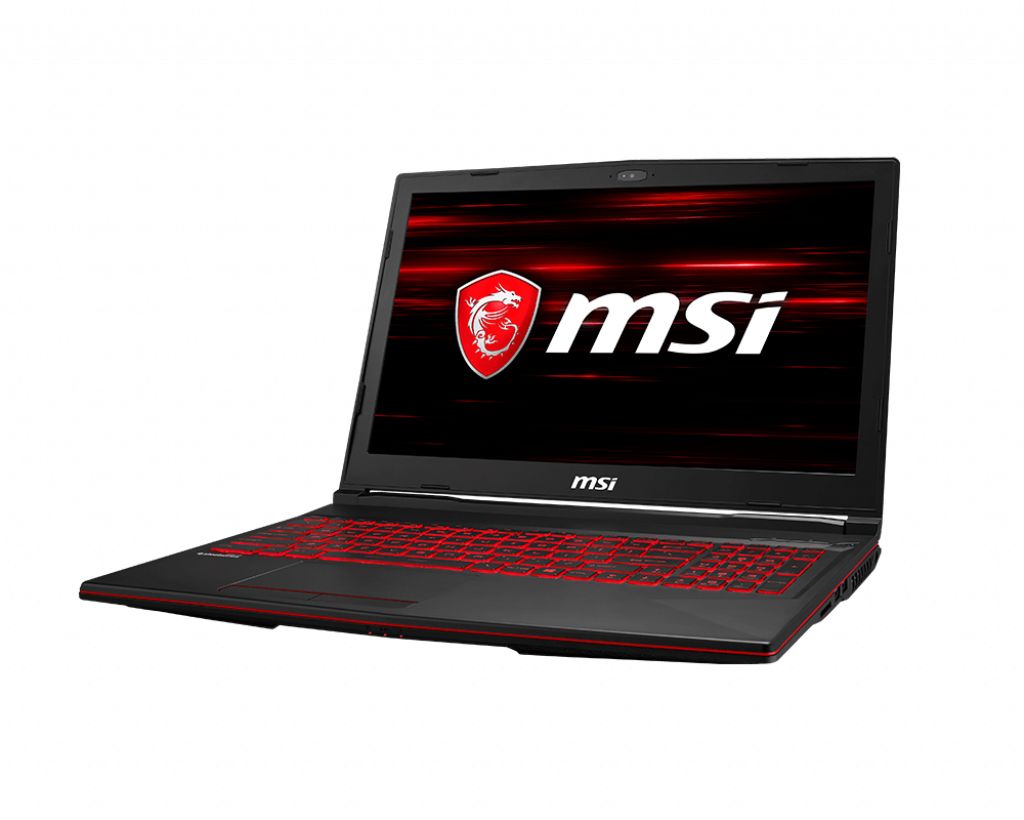
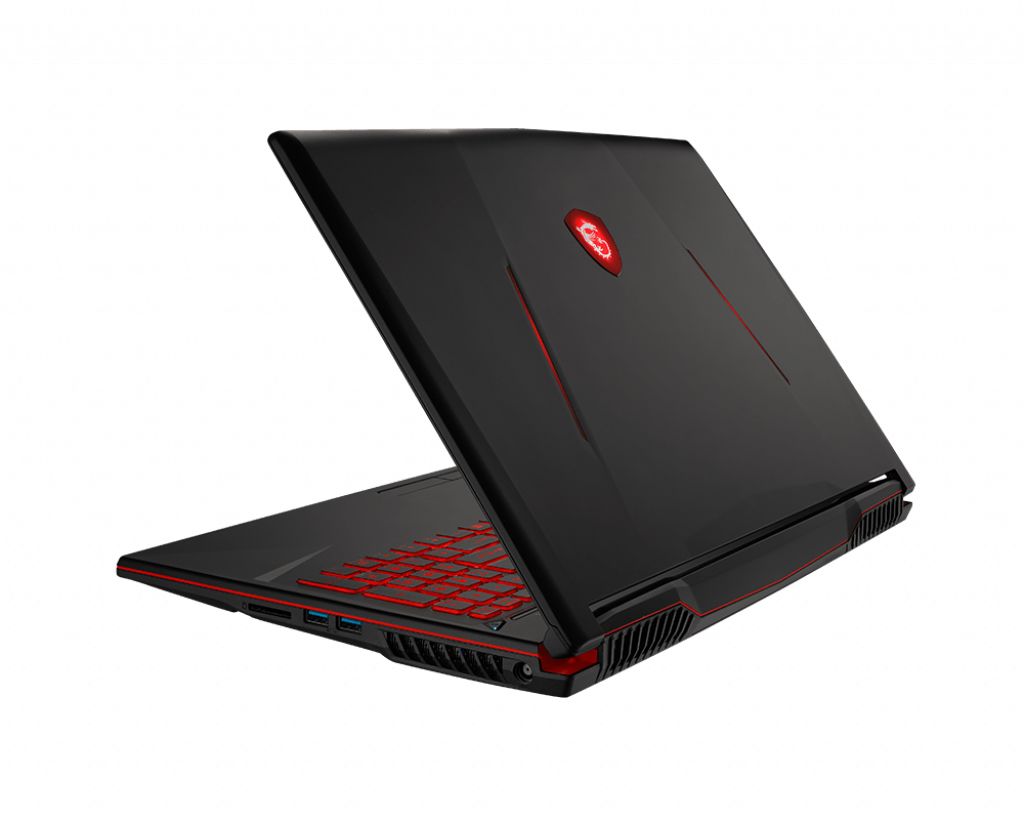
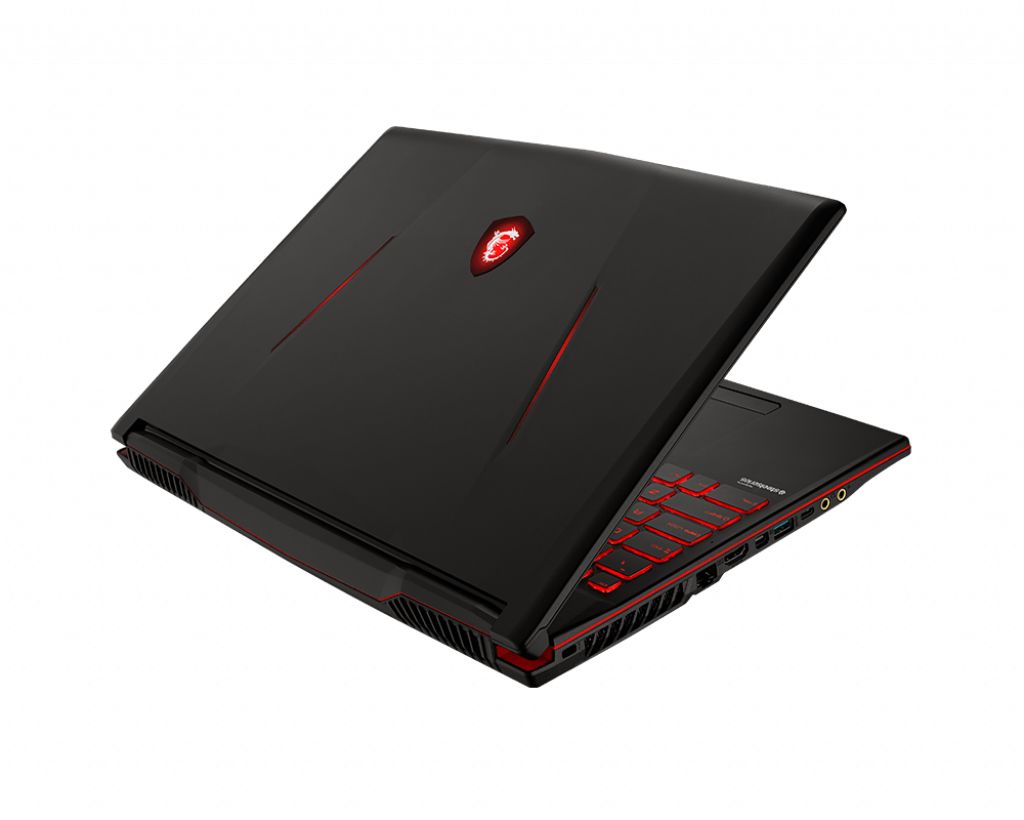
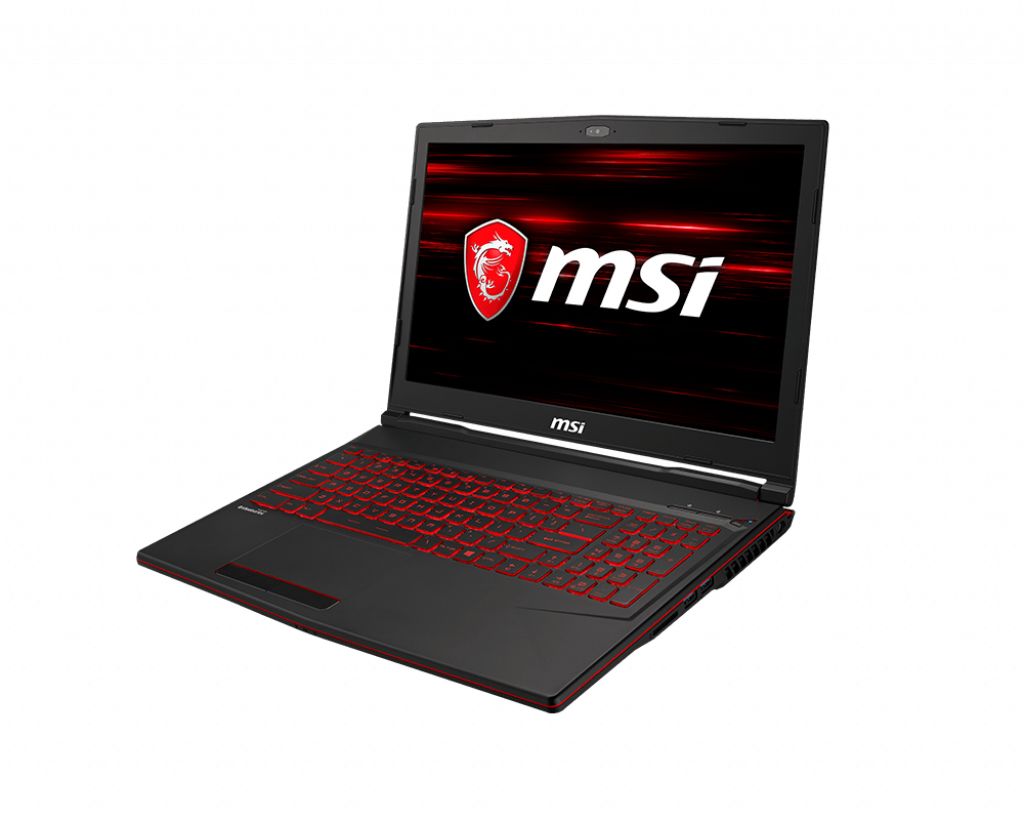
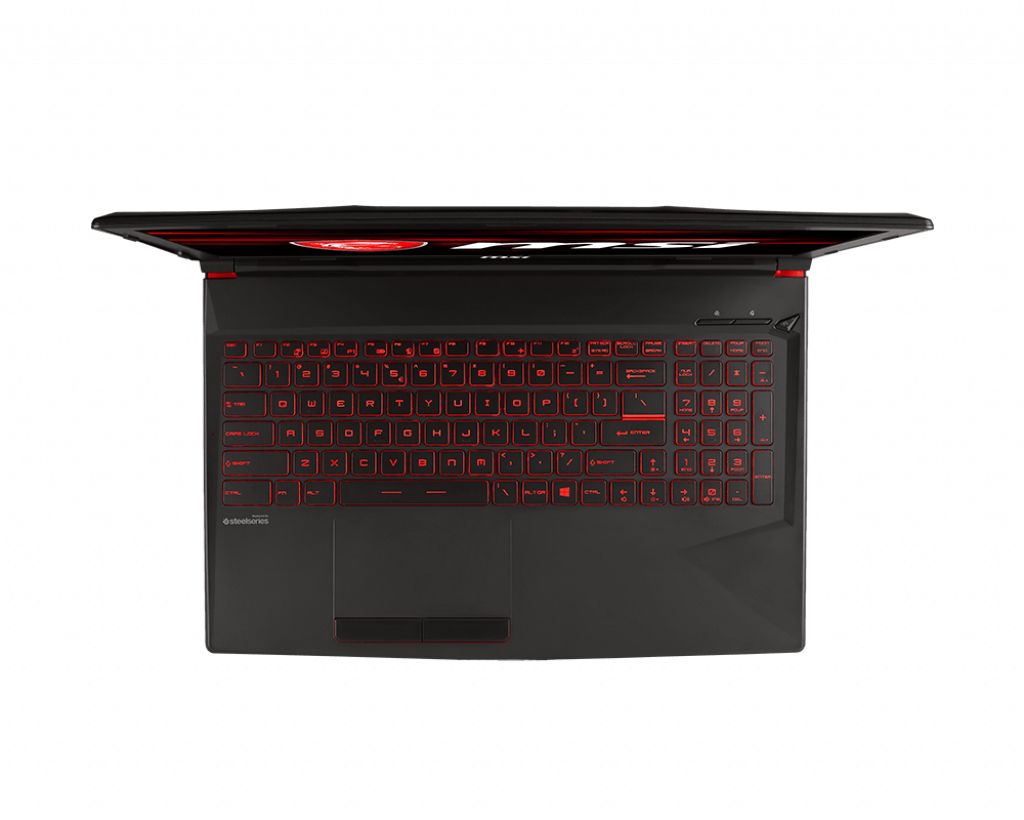
MSI GL63 8SD-826IT Gaming series laptop features DDR4-SDRAM memory upgrade specifications. The system contains 2x SO-DIMM slots supporting maximum RAM capacity of 32 GB total. Memory operates at 2666 MHz frequency. Compatible RAM upgrades utilize SO-DIMM form factor, enabling users to expand installed memory capacity for enhanced multitasking and performance. Specifications accommodate standard DDR4 modules within the designated bandwidth parameters for GL63 8SD-826IT platform compatibility.
Memory Upgrade Specifications
| Specification | Value |
|---|---|
| Memory slots | 2x SO-DIMM |
| Form factor | SO-DIMM |
| Memory type | DDR4-SDRAM |
| Frequency | 2666 MHz |
| Maximum RAM | 32 GB |
| Voltage | 1.2V |
| Number of pins | 260-pin |
| Interface | PC4 |
| PC Speed Rating | PC4-2666 (PC4-21328) |
| Bandwidth | 21.3 GB/s |
| Laptop Release date | 08 May 2019 |
Additional Notes
- The MSI GL63 8SD-826IT supports dual-channel memory configuration, potentially doubling bandwidth compared to single-module operation when both slots are populated with identical modules.
- The 32 GB ceiling likely reflects chipset limitations rather than physical constraints, preventing full utilization of theoretical DDR4 capacity even if higher-density modules become available.
- SO-DIMM modules require access through bottom panel or keyboard assembly, making field upgrades more complex than desktop tower configurations with tool-less side panels.
- Modules running below 2666 MHz will clock down to match the slowest installed module, creating performance degradation when mixing different speed grades.
- DDR4-2666 represents JEDEC standard specification, ensuring broader compatibility than overclocked XMP profiles which may not initialize properly in mobile platforms.
- Non-ECC unbuffered modules are required, as registered or error-correcting variants will cause POST failures in consumer mobile chipsets.
- Voltage must stay within DDR4 standard 1.2V specification, as low-voltage or performance variants demanding 1.35V may trigger thermal throttling in confined laptop cooling systems.
- Asymmetric configurations pairing modules of different capacities will still function but sacrifice dual-channel mode for the non-overlapping capacity portion, reducing effective bandwidth.
- CAS latency variations between modules can force the memory controller to adopt the looser timing set, increasing access delays even when frequency matches.
- Warranty preservation typically requires using the existing access panel rather than disassembling keyboard or palmrest assemblies, limiting upgrade approaches on certain chassis revisions.