MSI Gaming GL63 8SE-093UK RAM upgrade specifications


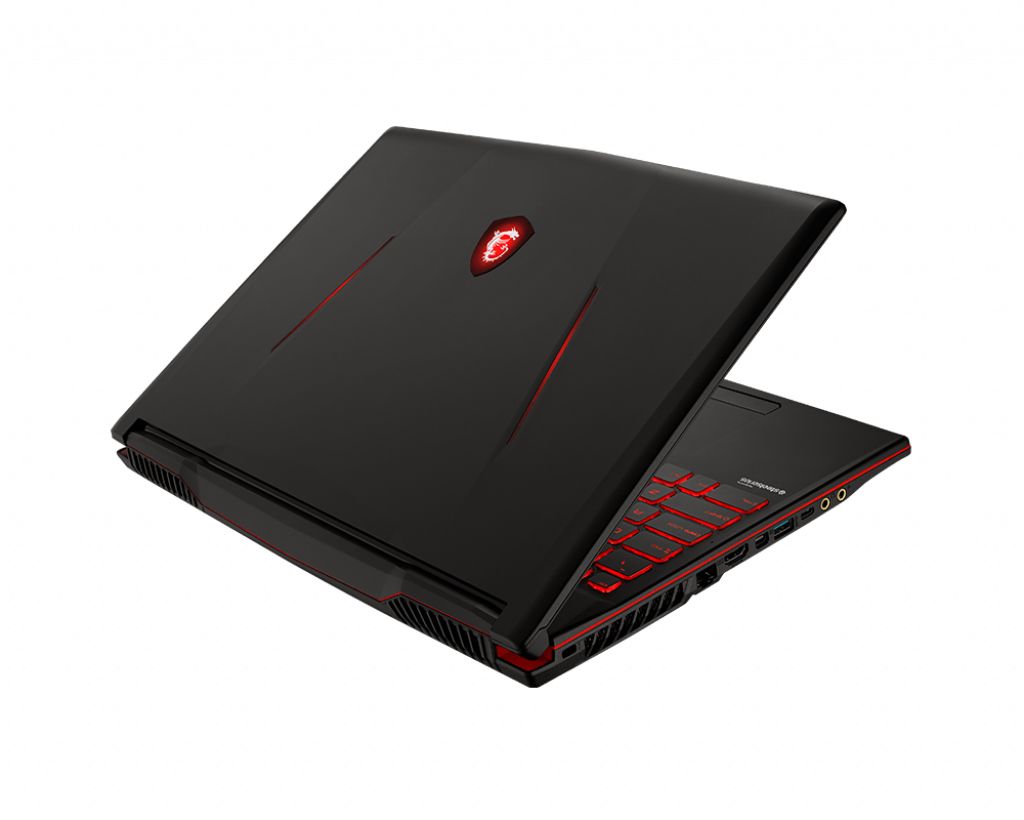
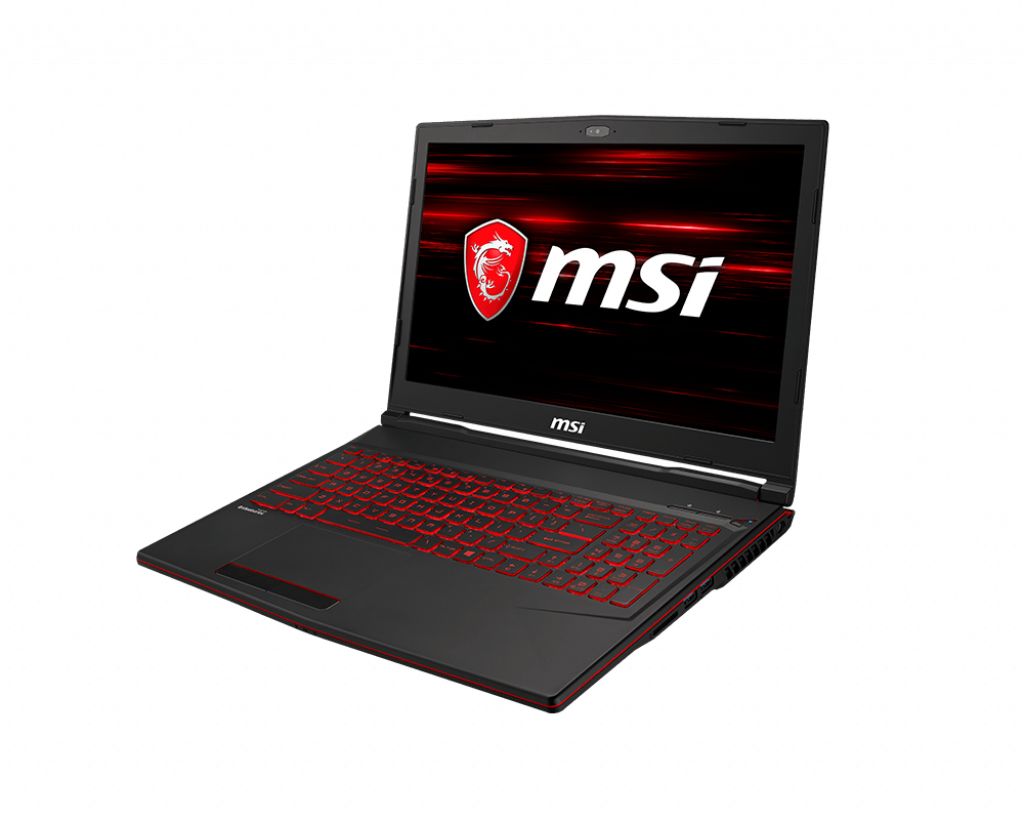
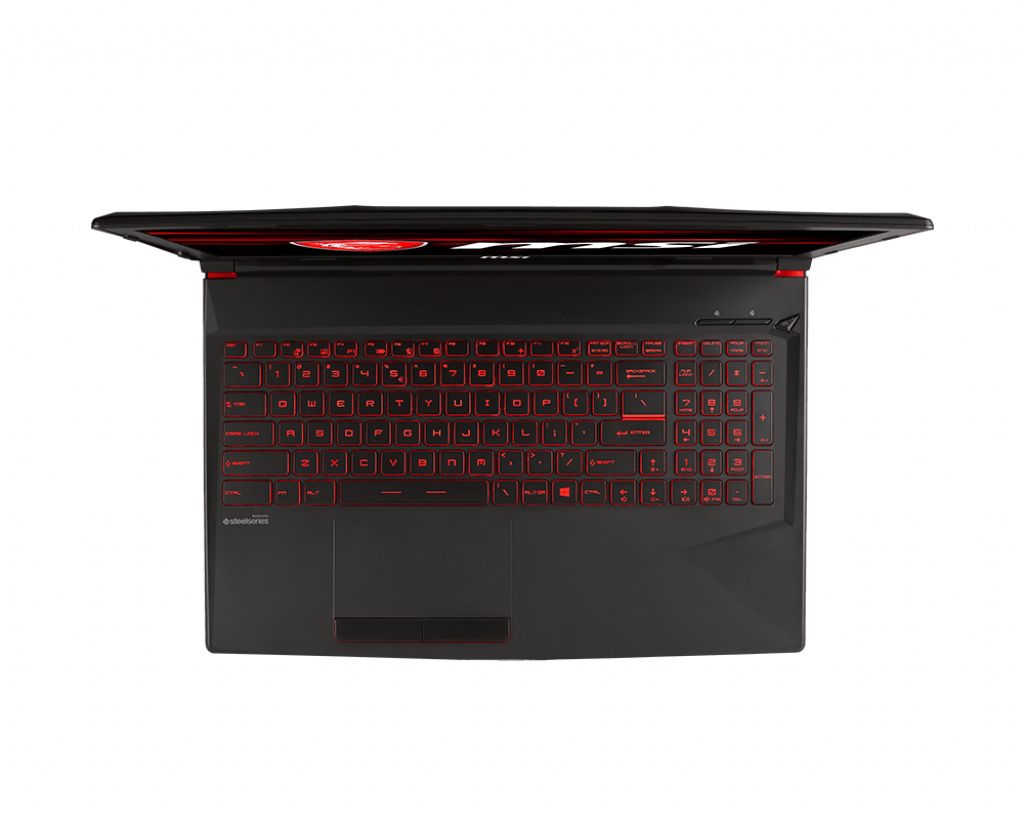
The MSI GL63 8SE-093UK gaming laptop features DDR4-SDRAM memory upgrade specifications. The system contains 2x SO-DIMM slots supporting SO-DIMM form factor modules operating at 2666 MHz frequency. Maximum RAM capacity reaches 32 GB through compatible DDR4 upgrades. These specifications define the memory expansion capabilities for the GL series gaming model, enabling users to enhance system performance through RAM slot population. The GL63 8SE-093UK supports standard DDR4 memory configurations within these technical parameters.
Memory Upgrade Specifications
| Specification | Value |
|---|---|
| Memory slots | 2x SO-DIMM |
| Form factor | SO-DIMM |
| Memory type | DDR4-SDRAM |
| Frequency | 2666 MHz |
| Maximum RAM | 32 GB |
| Voltage | 1.2V |
| Number of pins | 260-pin |
| Interface | PC4 |
| PC Speed Rating | PC4-2666 (PC4-21328) |
| Bandwidth | 21.3 GB/s |
| Laptop Release date | 08 January 2019 |
Additional Notes
- The MSI GL63 8SE-093UK accepts unbuffered non-ECC modules only, as registered or ECC memory will not initialize during POST.
- Mixing modules with different clock speeds forces all installed memory to operate at the frequency of the slowest module, potentially downclocking faster RAM to below 2666 MHz.
- The dual-channel architecture requires matched module pairs in both slots to achieve full memory bandwidth; asymmetric configurations halve throughput in affected operations.
- DDR4 SO-DIMM modules exceeding 1.2V nominal voltage may trigger thermal throttling in sustained workloads due to confined chassis ventilation paths.
- Installing 32 GB total capacity necessitates replacing existing modules rather than supplementing them, as the 2-slot configuration prevents incremental expansion beyond paired configurations.
- Modules rated above 2666 MHz will downclock to match the controller's maximum supported frequency, offering no performance advantage over specification-matched alternatives.
- The 260-pin SO-DIMM physical standard excludes compatibility with 204-pin DDR3L modules despite similar form factors.
- Warranty preservation requires accessing memory slots through designated bottom panel access points without disturbing factory-sealed compartments.
- Dual-rank modules may introduce higher latency compared to single-rank alternatives at identical frequencies, affecting memory-sensitive computational tasks.
- The Intel 8th-generation platform enforces JEDEC standard timings in default operation, requiring BIOS intervention to apply XMP profiles if supported by the manufacturer.