MSI Gaming GL63 8SE-213FR RAM upgrade specifications
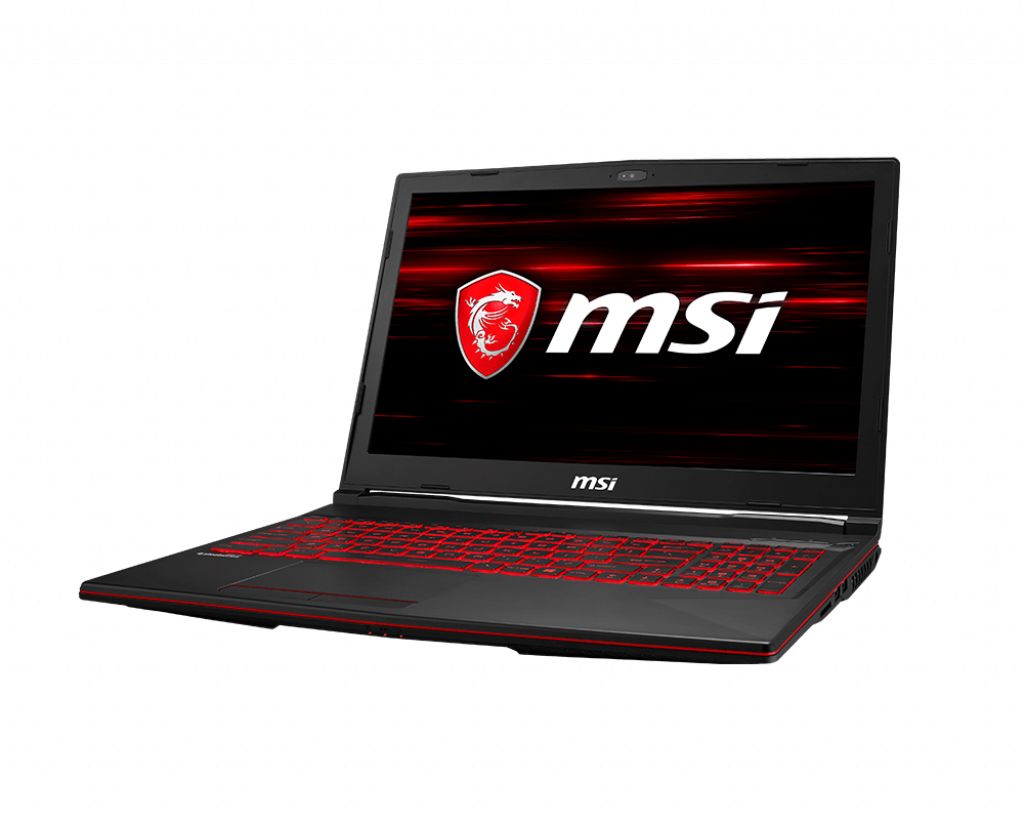

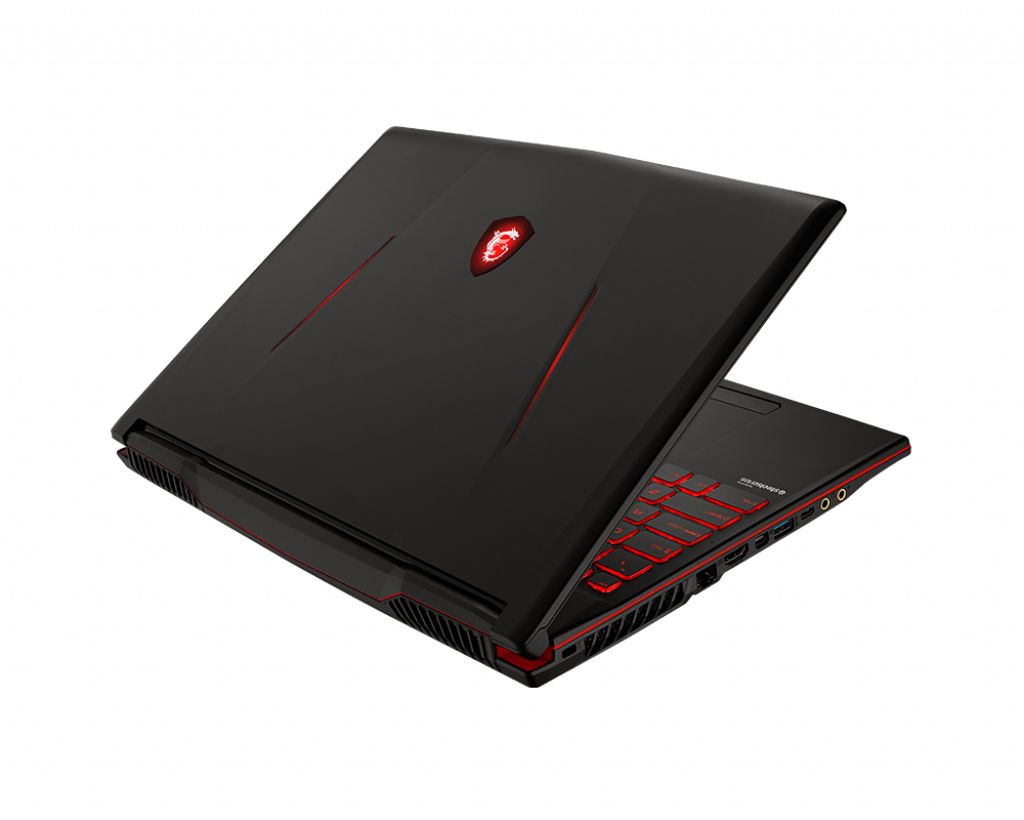
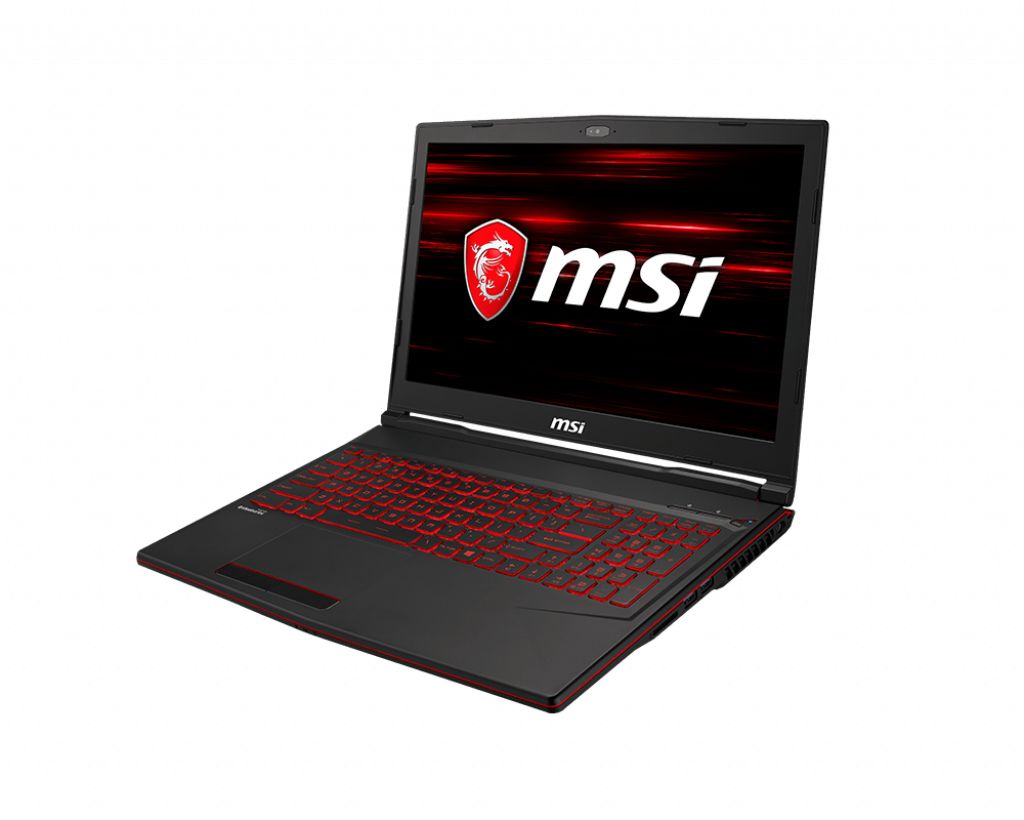
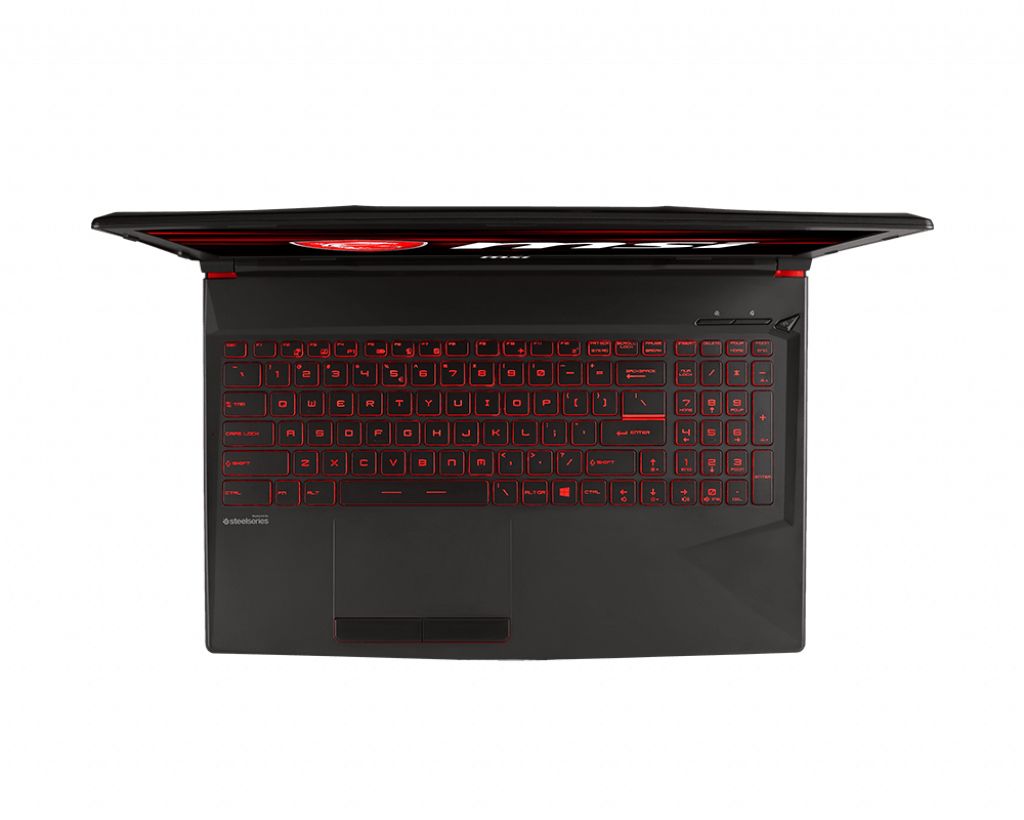
MSI GL63 8SE-213FR Gaming laptop features DDR4-SDRAM memory upgrade specifications with 2x SO-DIMM slots supporting maximum capacity of 32 GB RAM. Compatible memory operates at 2666 MHz frequency utilizing SO-DIMM form factor. Upgrade specifications enable expansion from standard configurations to achieve maximum 32 GB total memory capacity for enhanced multitasking and performance capabilities on the GL series gaming platform.
Memory Upgrade Specifications
| Specification | Value |
|---|---|
| Memory slots | 2x SO-DIMM |
| Form factor | SO-DIMM |
| Memory type | DDR4-SDRAM |
| Frequency | 2666 MHz |
| Maximum RAM | 32 GB |
| Voltage | 1.2V |
| Number of pins | 260-pin |
| Interface | PC4 |
| PC Speed Rating | PC4-2666 (PC4-21328) |
| Bandwidth | 21.3 GB/s |
| Laptop Release date | 11 March 2019 |
Additional Notes
- The MSI GL63 8SE-213FR implements a dual-channel memory architecture that requires matched pairs for optimal bandwidth utilization, as mismatched modules force operation at the speed of the slower component.
- The 2666 MHz native frequency operates within JEDEC standard DDR4 specifications without requiring XMP profile activation, ensuring consistent operation across both memory slots.
- The 32 GB maximum capacity constraint stems from chipset limitations rather than physical slot restrictions, preventing recognition of higher-density modules even if physically compatible.
- Standard SO-DIMM form factor modules measure 67.6 mm in length, which differs from desktop DIMM modules at 133.35 mm, making desktop memory physically incompatible regardless of electrical specifications.
- The dual-slot configuration limits upgrade flexibility to either replacing both modules or accepting single-channel performance penalties when populating only one slot.
- DDR4-SDRAM modules operating above 2666 MHz will automatically downclock to match the supported frequency, resulting in no performance benefit from premium-speed modules.
- Voltage requirements remain fixed at 1.2V for standard DDR4 operation, as low-voltage variants designed for ultraportables may exhibit stability issues in this gaming-oriented platform.
- Memory controller specifications typically impose latency tolerances between CL15 and CL19 at this frequency, with tighter timings beyond this range potentially causing POST failures.
- Thermal considerations become relevant under sustained gaming loads, as memory modules without integrated heat spreaders may throttle when positioned adjacent to heat-generating components.
- The upgrade process requires complete system shutdown and battery disconnection to prevent electrical damage, as hot-swapping SO-DIMM modules can permanently damage the memory controller.