MSI Gaming GL65 10SDR-293IT Leopard RAM upgrade specifications


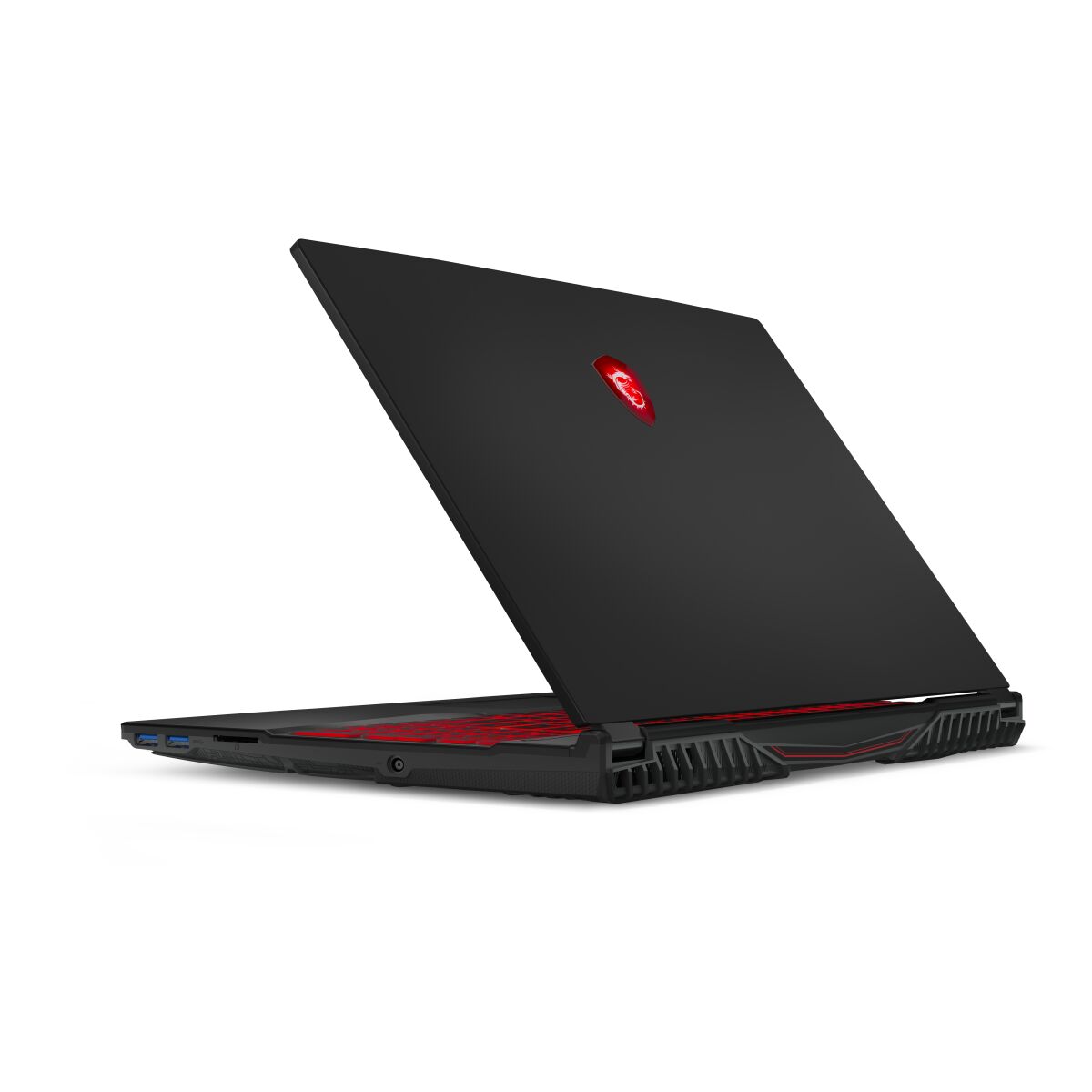

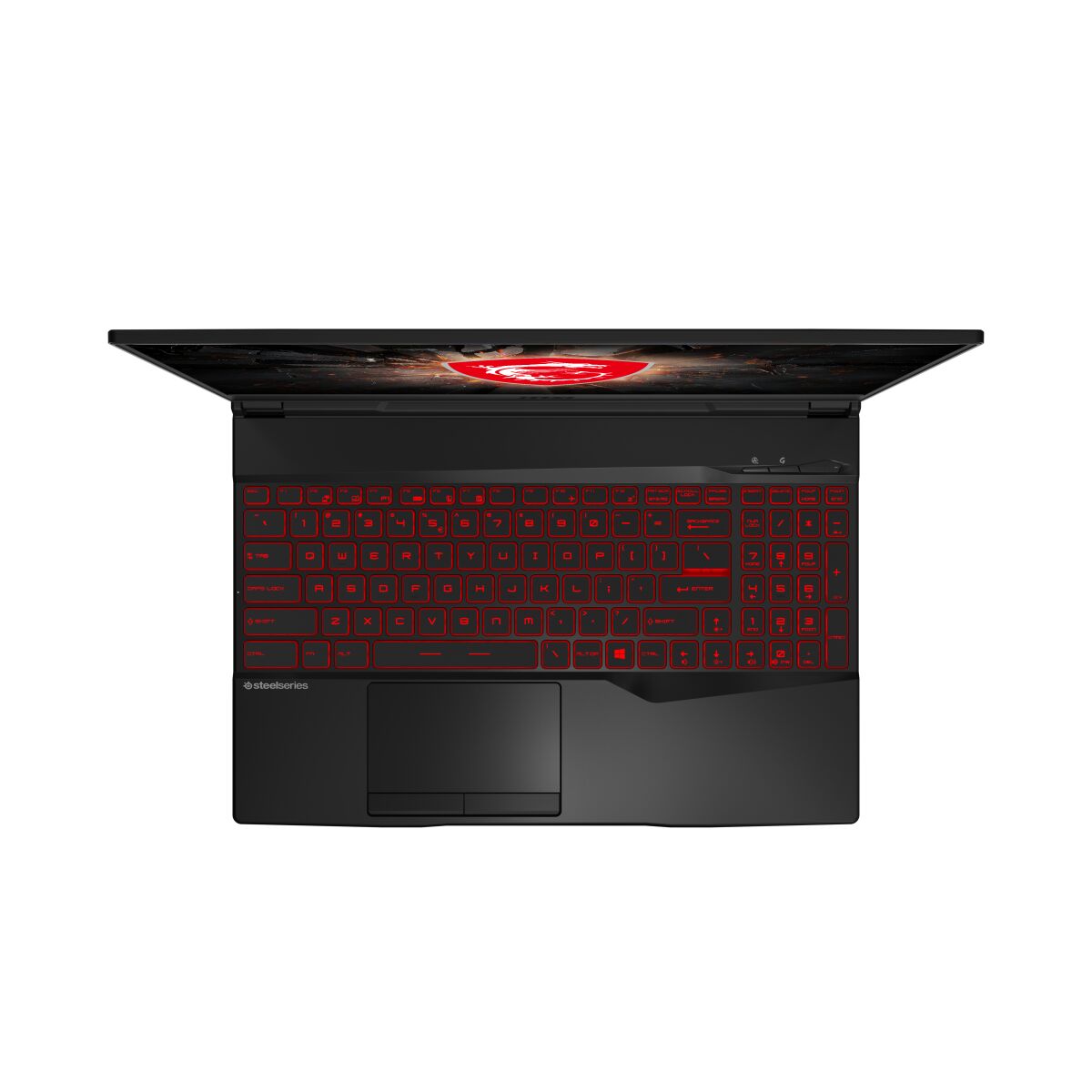
MSI GL65 10SDR-293IT Leopard gaming laptop supports DDR4-SDRAM memory upgrades with two SO-DIMM slots. Compatible RAM operates at 2666 MHz frequency. Maximum memory capacity reaches 64 GB total. Specifications indicate upgrade potential for enhanced multitasking performance. SO-DIMM form factor ensures proper physical compatibility with available slots.
Memory Upgrade Specifications
| Specification | Value |
|---|---|
| Memory slots | 2x SO-DIMM |
| Form factor | SO-DIMM |
| Memory type | DDR4-SDRAM |
| Frequency | 2666 MHz |
| Maximum RAM | 64 GB |
| Voltage | 1.2V |
| Number of pins | 260-pin |
| Interface | PC4 |
| PC Speed Rating | PC4-2666 (PC4-21328) |
| Bandwidth | 21.3 GB/s |
| Laptop Release date | 23 June 2020 |
Additional Notes
- The MSI GL65 10SDR-293IT Leopard accepts desktop-class DDR4 capacities despite using laptop-format modules, enabling substantial multitasking headroom for virtual machines or content creation workloads.
- The 2666 MHz frequency indicates Intel 10th generation platform constraints that prevent operation at higher speeds even when faster modules are installed, as the memory controller enforces this ceiling.
- Dual-channel configuration requires matched module pairs to achieve full memory bandwidth, with mismatched capacities forcing single-channel operation that halves theoretical throughput to the processor.
- The SO-DIMM form factor necessitates bottom panel removal for access, which typically involves 8 to 12 retention screws and careful ribbon cable management to avoid warranty complications.
- Native JEDEC timing profiles at this speed class typically run 19-19-19 latencies, while XMP profiles remain inactive on most gaming laptop platforms that lack BIOS overclocking options.
- Upgrading from single-rank to dual-rank modules at maximum density may introduce marginal latency penalties, though the bandwidth gains from dual-channel operation outweigh this trade-off in gaming scenarios.
- Operating voltage remains fixed at 1.2V standard for DDR4, eliminating compatibility concerns with low-voltage variants that plagued earlier DDR3 laptop upgrades.
- Heat spreader clearance limitations in laptop chassis favor modules without tall heatsinks, as gaming laptop cooling assemblies leave minimal Z-height tolerance above the memory slots.
- Populating both slots to 64 GB total creates higher thermal density in the memory bay, potentially triggering earlier thermal throttling during sustained workloads compared to single-module configurations.
- The platform supports ECC-capable unbuffered modules physically fitting the slots, though error correction functionality remains disabled without server-class processor support.