MSI Gaming GL65 9SDK-025 RAM upgrade specifications
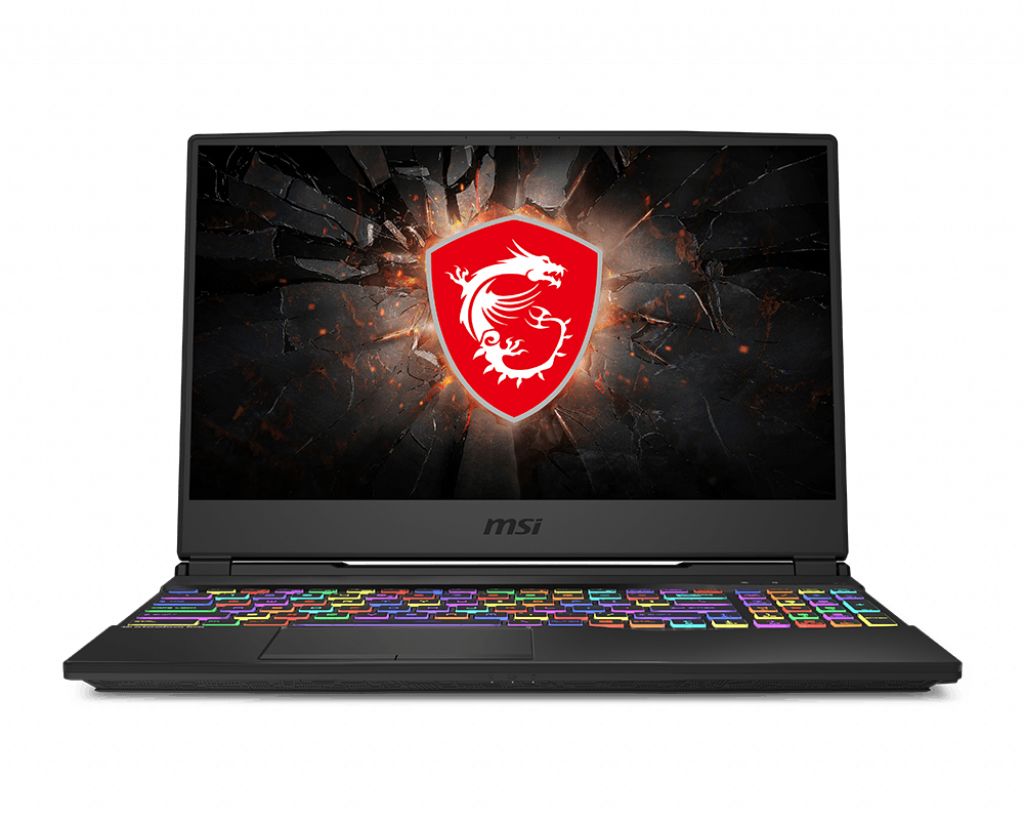
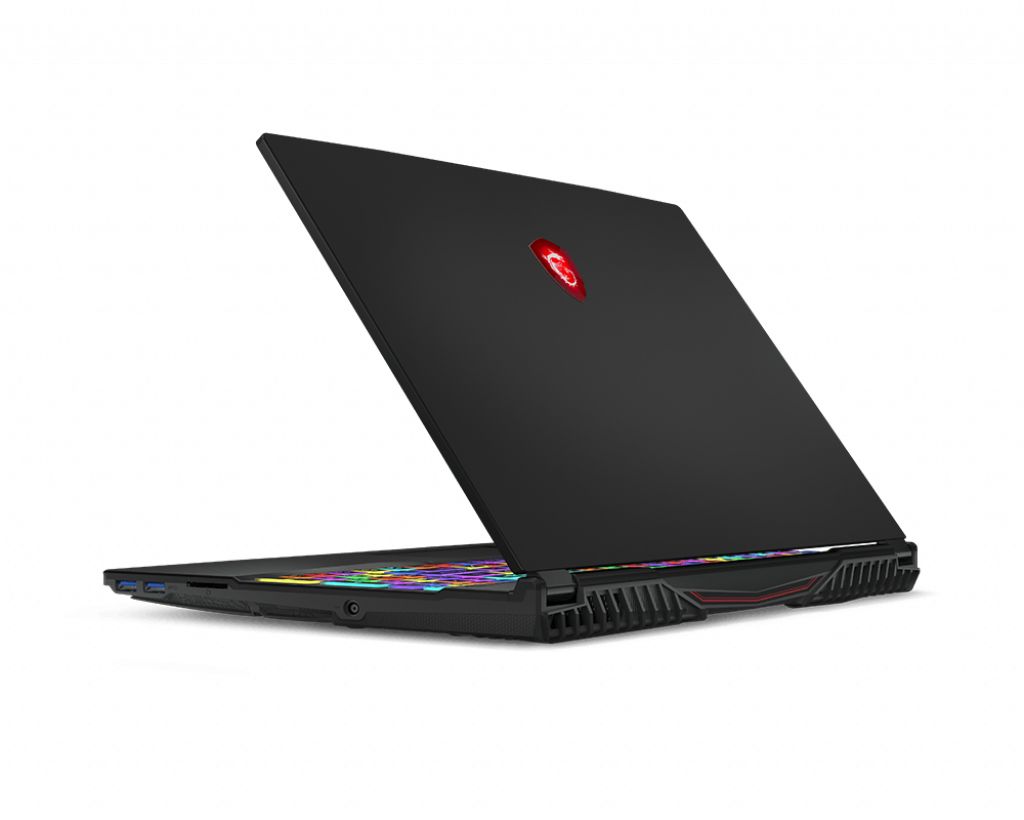
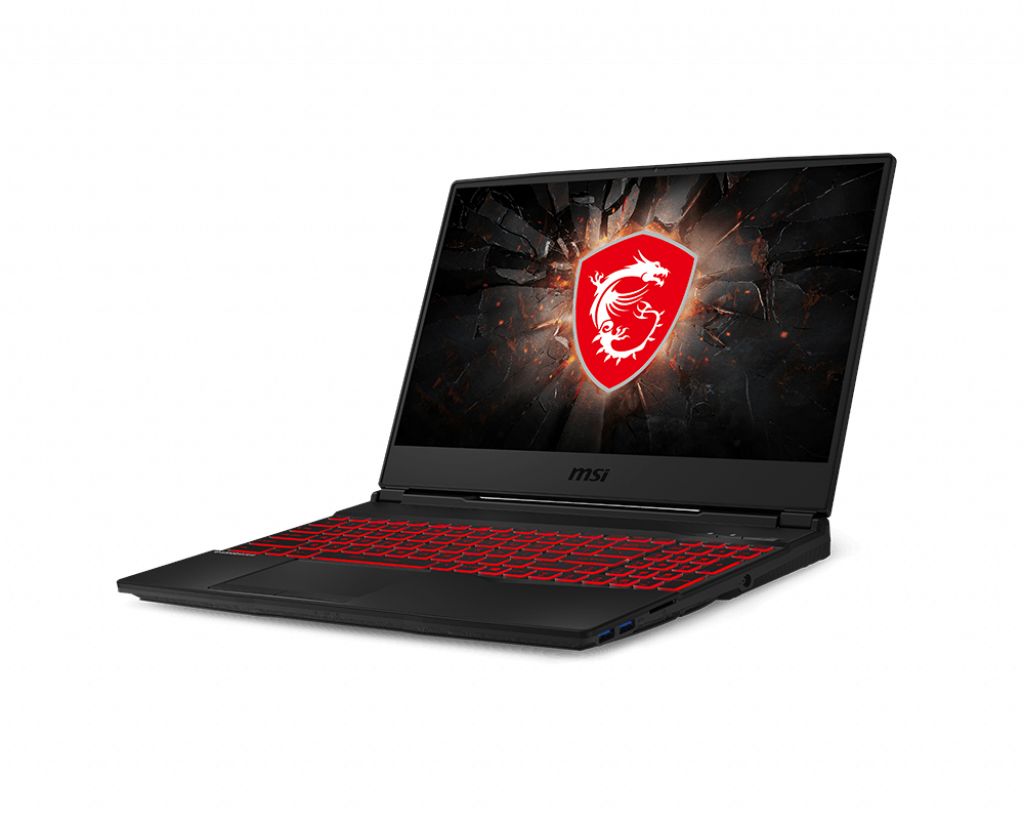
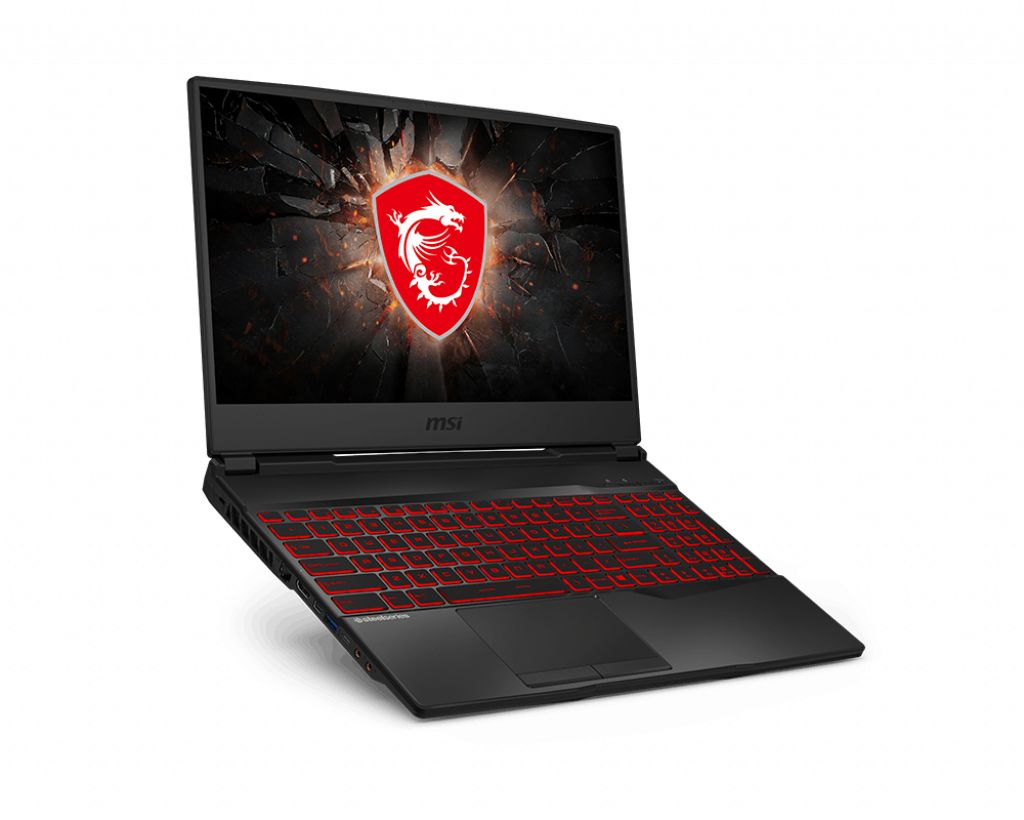
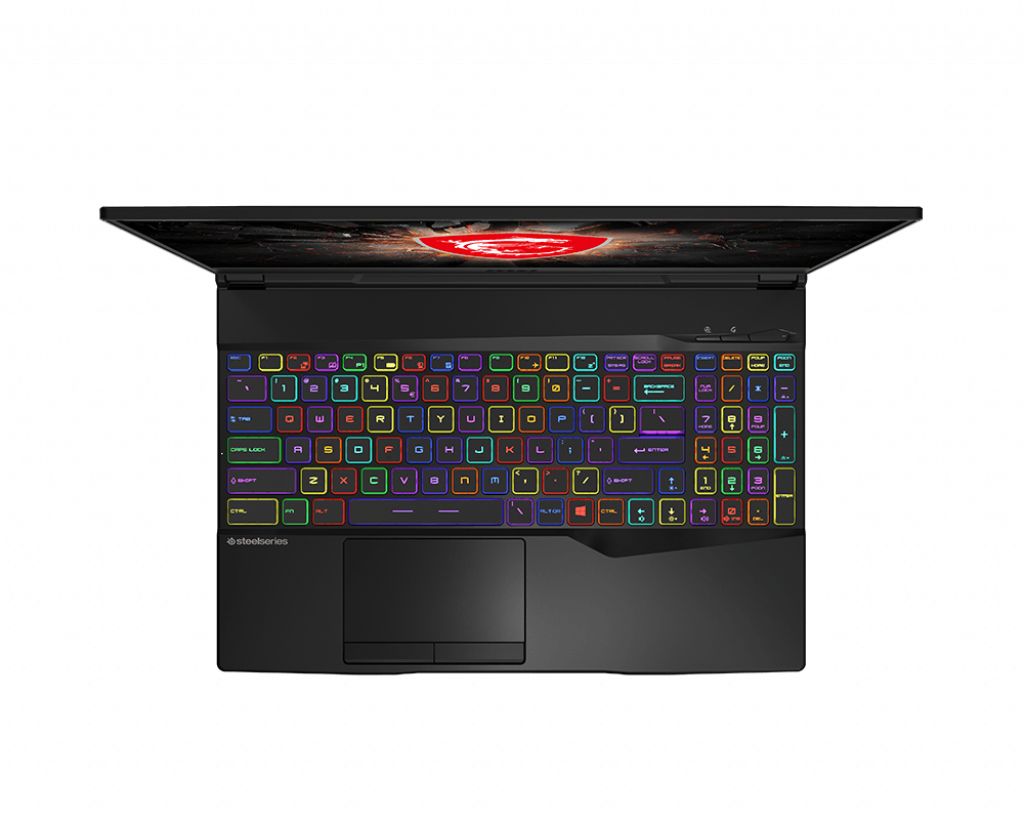
MSI GL65 9SDK-025 Gaming laptop features two SO-DIMM slots for DDR4-SDRAM memory upgrades. The laptop supports maximum RAM capacity of 64 GB total. Compatible memory modules operate at 2666 MHz frequency specifications. Each slot accepts SO-DIMM form factor memory modules, allowing users to expand or replace existing memory configurations for enhanced performance in the GL series gaming laptop.
Memory Upgrade Specifications
| Specification | Value |
|---|---|
| Memory slots | 2x SO-DIMM |
| Form factor | SO-DIMM |
| Memory type | DDR4-SDRAM |
| Frequency | 2666 MHz |
| Maximum RAM | 64 GB |
| Voltage | 1.2V |
| Number of pins | 260-pin |
| Interface | PC4 |
| PC Speed Rating | PC4-2666 (PC4-21328) |
| Bandwidth | 21.3 GB/s |
| Laptop Release date | 22 July 2019 |
Additional Notes
- The MSI GL65 9SDK-025 supports DDR4 memory at 2666 MHz, which operates 534 MHz below the 3200 MHz standard for 9th-generation mobile processors, creating a memory-to-CPU bandwidth constraint that reduces peak performance by approximately 16% relative to faster DDR4 variants.
- Dual SO-DIMM slots with 64 GB maximum capacity permit asymmetrical configurations; installing mismatched capacities or differing speed grades may force the controller to downclock both modules to the slower module's frequency, potentially reducing overall system responsiveness.
- The 2x SO-DIMM architecture eliminates upgrade scalability beyond 64 GB; replacing both original modules becomes the only path to increased capacity, and discarded OEM memory cannot be redeployed within the same chassis.
- SO-DIMM form factor requires complete system shutdown and base panel removal for access; thermal paste disturbance during installation risks reduced cooling efficiency on subsequent power cycles if reassembly does not maintain identical contact pressure.
- DDR4-2666 modules are mature production stock; compatibility risk remains minimal with any qualified SO-DIMM bearing matching frequency and voltage (typically 1.2V), though mixing branded and unbranded inventory can occasionally trigger BIOS stability warnings without hardware failure.
- Warranty retention depends on OEM policy; many manufacturers void coverage if non-OEM memory installation coincides with any subsequent hardware failure, even in unrelated subsystems, requiring documentation of pre-upgrade and post-upgrade diagnostics.