MSI Gaming GL66 11UCK-1255AU Pulse RAM upgrade specifications
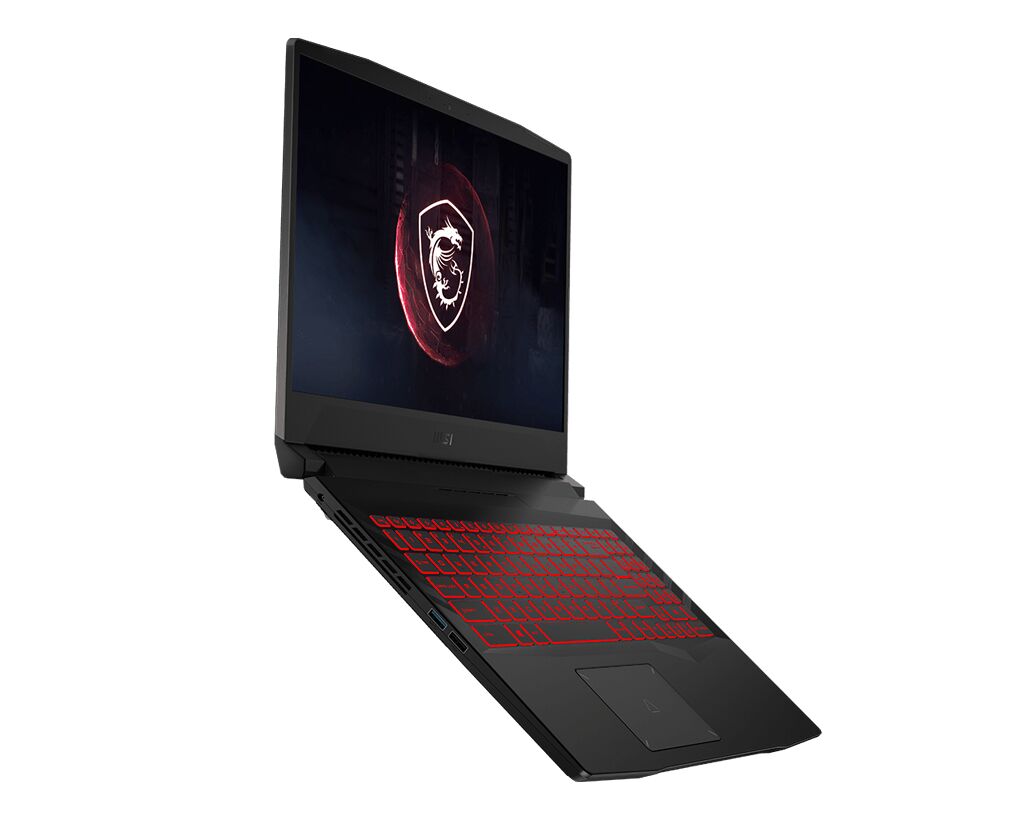
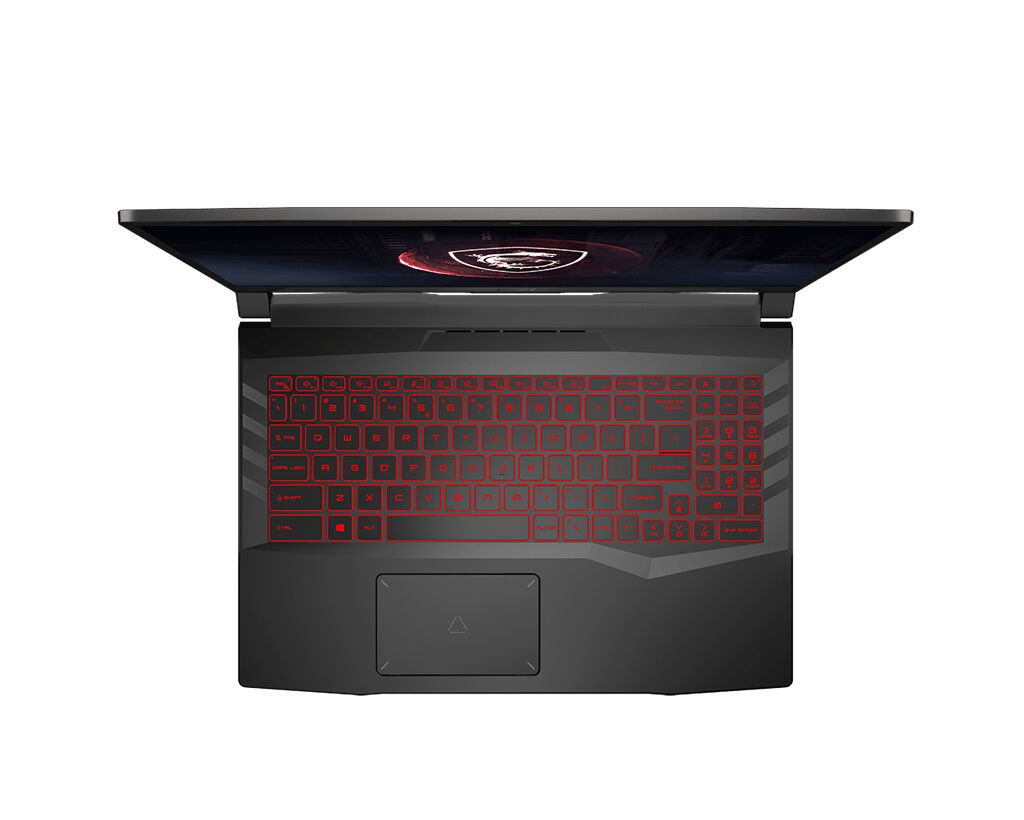
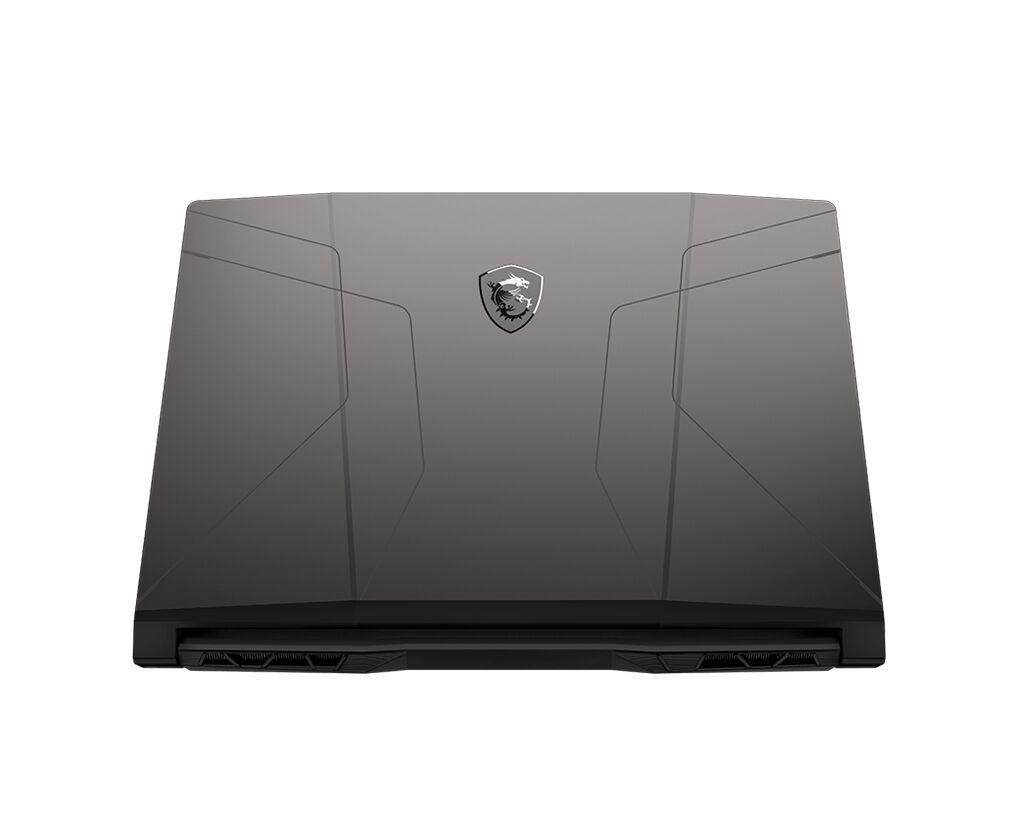
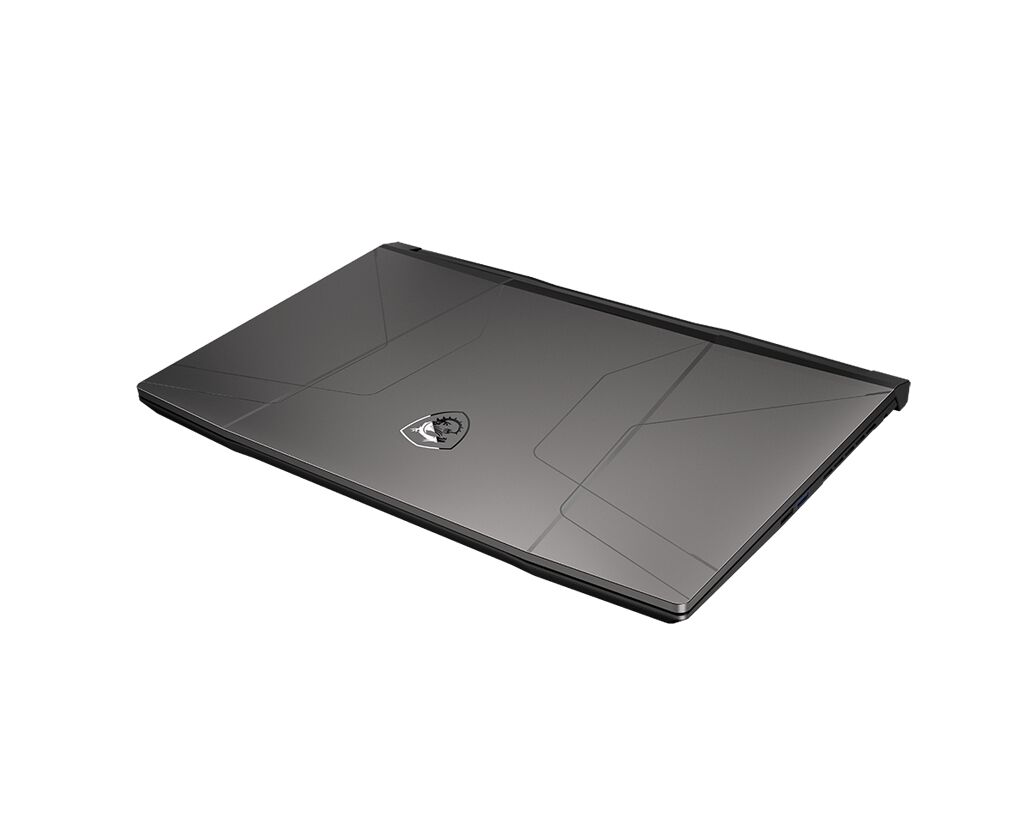
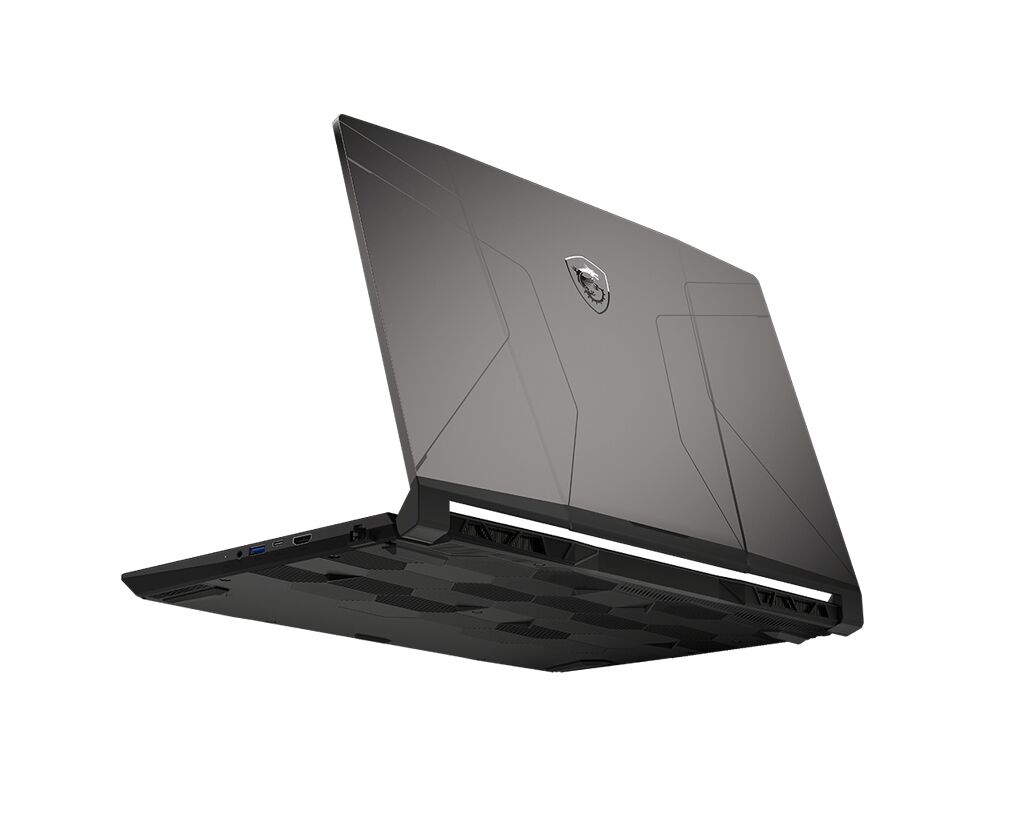
MSI GL66 11UCK-1255AU Pulse gaming laptop supports DDR4-SDRAM memory upgrades with 2 SO-DIMM slots. Maximum supported RAM capacity is 64 GB total. Compatible memory modules operate at 3200 MHz frequency. Each slot accommodates SO-DIMM form factor modules. Specifications enable memory upgrade configurations up to the 64 GB maximum capacity for enhanced multitasking and application performance on the GL series gaming platform.
Memory Upgrade Specifications
| Specification | Value |
|---|---|
| Memory slots | 2x SO-DIMM |
| Form factor | SO-DIMM |
| Memory type | DDR4-SDRAM |
| Frequency | 3200 MHz |
| Maximum RAM | 64 GB |
| Voltage | 1.2V |
| Number of pins | 260-pin |
| Interface | PC4 |
| PC Speed Rating | PC4-3200 (PC4-25600) |
| Bandwidth | 25.6 GB/s |
| Laptop Release date | 22 July 2022 |
Additional Notes
- The MSI GL66 11UCK-1255AU Pulse chipset supports dual-channel memory architecture, meaning both SO-DIMM slots must contain matched specifications for optimal bandwidth utilization.
- DDR4-3200 modules operating in single-channel mode will experience approximately 30-40% memory bandwidth reduction compared to dual-channel configuration, particularly impacting integrated graphics tasks and memory-intensive applications.
- Non-matching frequency modules in paired slots will automatically downclock to the slower module's speed, potentially reducing system performance if mixing different rated DIMMs.
- The 64 GB maximum capacity constraint requires 32 GB modules per slot, which necessitates dual-rank configuration that may introduce slight latency overhead compared to single-rank modules.
- SO-DIMM installation requires accessing the bottom panel, where improper retention clip handling can damage the slot mechanism and potentially void manufacturer warranty coverage.
- JEDEC-standard DDR4-3200 timing operates at CL22, while performance-oriented modules typically offer CL18-CL20, providing measurable improvements in memory-latency-sensitive workloads.
- Voltage specification must remain at 1.2V standard for DDR4 SO-DIMMs, as gaming laptops typically lack BIOS voltage adjustment options and non-standard voltage modules may cause instability.
- Mixed-capacity configurations remain functional but lose memory interleaving benefits on the asymmetric portion, reducing effective bandwidth for data exceeding the smaller module's capacity.
- Thermal constraints in gaming chassis designs mean dense 32 GB modules generate more heat than 16 GB variants, potentially triggering thermal throttling during extended memory-intensive operations.
- XMP profiles common in desktop DDR4 modules are not supported in most laptop implementations, requiring manual BIOS timing adjustments if available or defaulting to JEDEC specifications.