MSI Gaming GL66 11UCK-1256AU Pulse RAM upgrade specifications
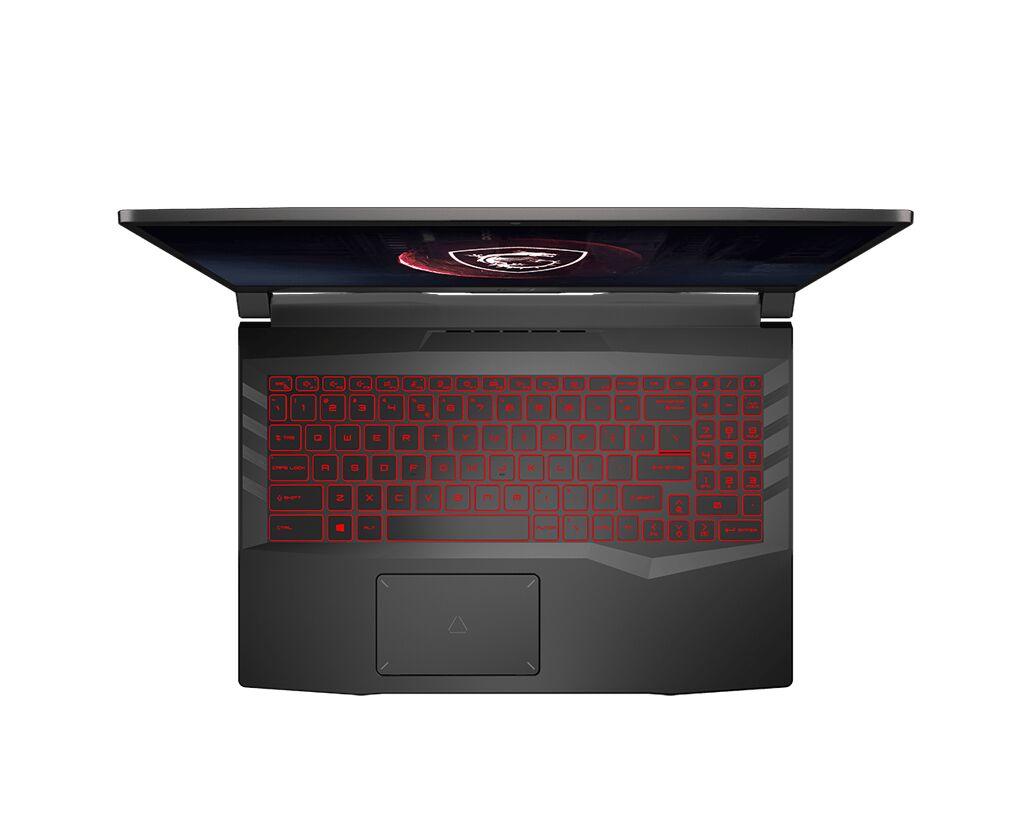

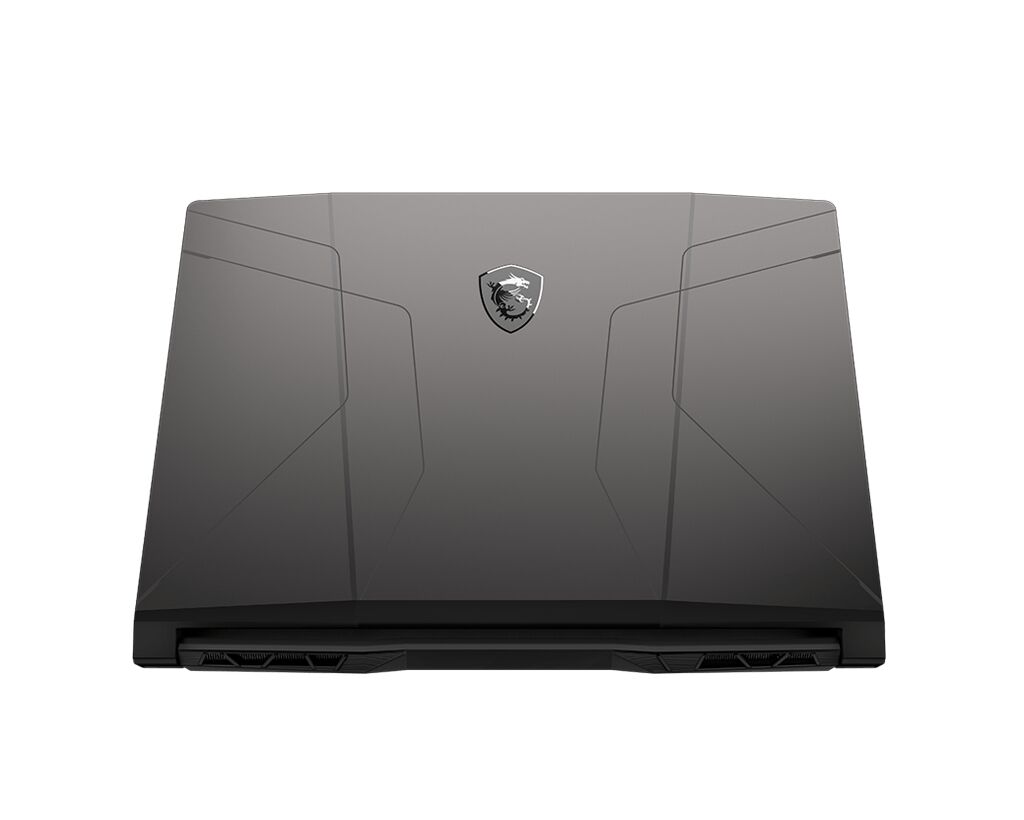
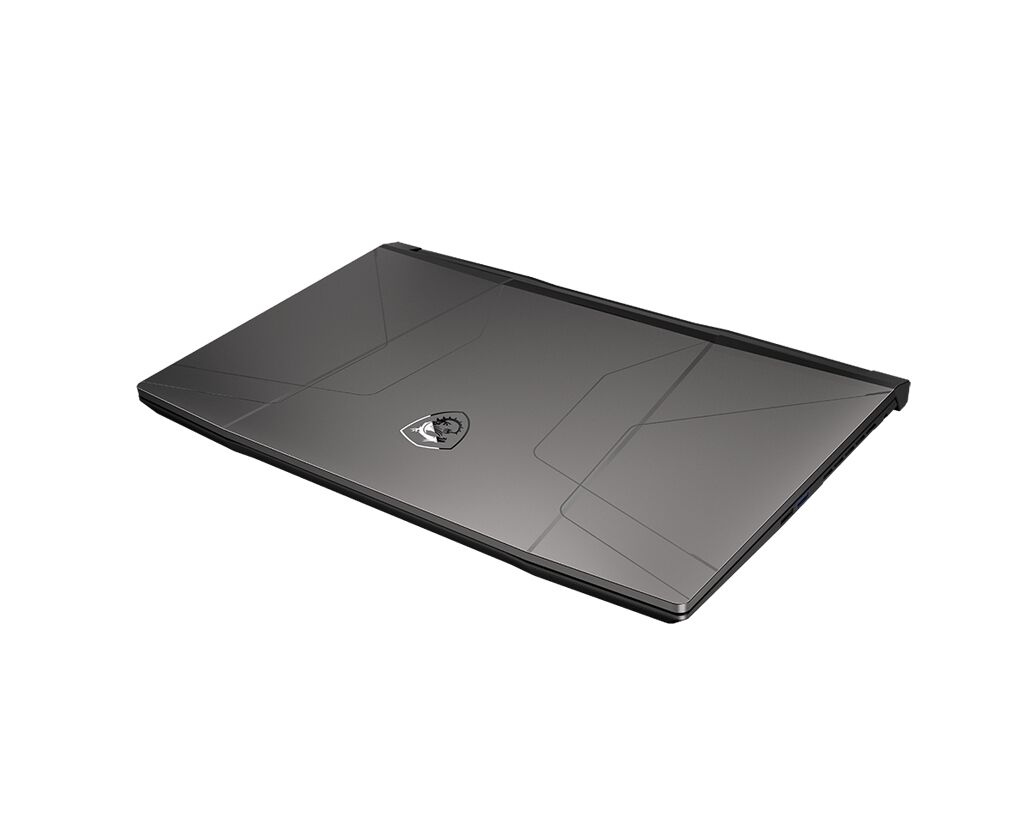
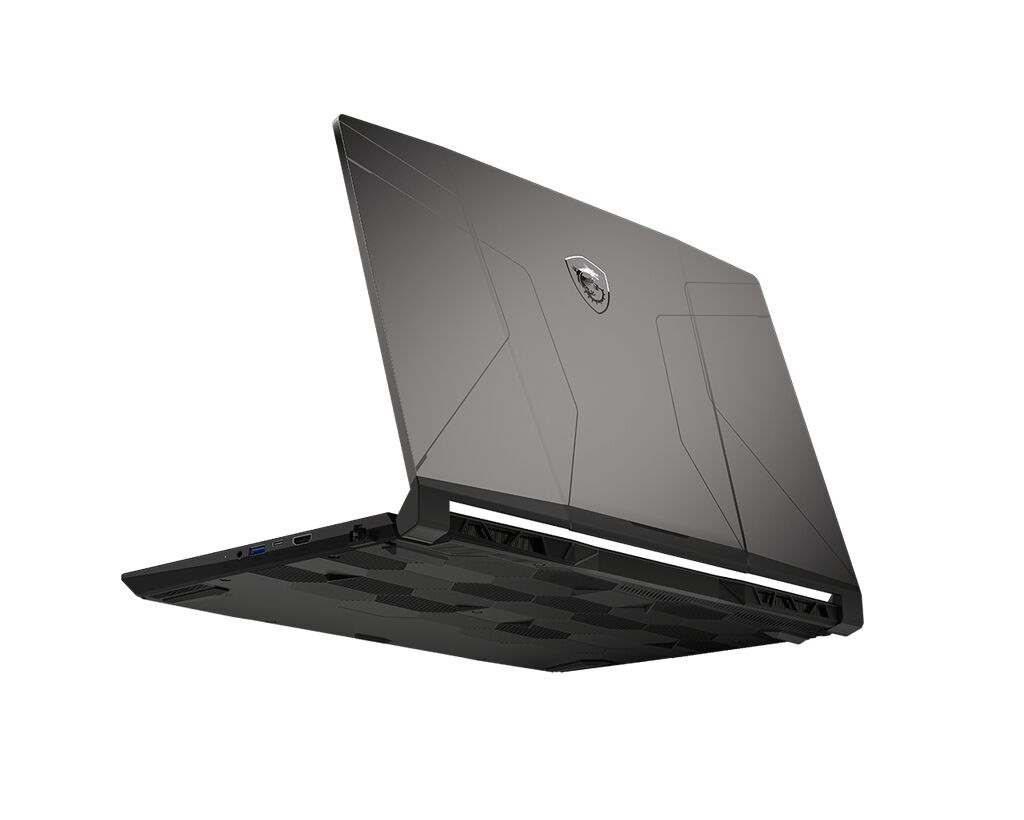
MSI GL66 11UCK-1256AU Pulse gaming laptop features two SO-DIMM slots supporting DDR4-SDRAM memory upgrades. Maximum compatible memory capacity reaches 64 GB total. Memory operates at 3200 MHz frequency specifications. Upgrade compatibility includes standard DDR4 SO-DIMM modules designed for portable computing platforms. Current configuration supports memory expansion through both available slots.
Memory Upgrade Specifications
| Specification | Value |
|---|---|
| Memory slots | 2x SO-DIMM |
| Form factor | SO-DIMM |
| Memory type | DDR4-SDRAM |
| Frequency | 3200 MHz |
| Maximum RAM | 64 GB |
| Voltage | 1.2V |
| Number of pins | 260-pin |
| Interface | PC4 |
| PC Speed Rating | PC4-3200 (PC4-25600) |
| Bandwidth | 25.6 GB/s |
| Laptop Release date | 22 July 2022 |
Additional Notes
- The MSI GL66 11UCK-1256AU Pulse supports dual-channel memory architecture, requiring matched pairs of modules to achieve maximum bandwidth throughput of 51.2 GB/s.
- Single-channel configuration with one populated slot reduces memory bandwidth by approximately 50%, creating performance bottlenecks in GPU-intensive applications and gaming scenarios.
- The 3200 MHz frequency specification represents JEDEC standard rather than XMP profiles, as SO-DIMM modules typically lack advanced overclocking features found in desktop counterparts.
- Maximum capacity of 64 GB requires 2x32 GB modules, which utilize double-sided chip configurations that may generate higher thermal output compared to single-sided 8 GB or 16 GB variants.
- DDR4-3200 modules rated at lower speeds will function but default to their native frequency unless manually configured in BIOS, while higher-rated modules will downclock to 3200 MHz.
- Access to SO-DIMM slots on gaming laptops typically requires bottom panel removal, which may involve voiding seals that affect warranty coverage depending on regional consumer protection laws.
- Mixing modules with different latency timings (CL ratings) forces the system to operate at the slowest common timings, potentially degrading performance by 5-10% in latency-sensitive workloads.
- The DDR4 standard prevents backward or forward compatibility with DDR3 or DDR5 modules due to physical notch positioning and voltage differences of 1.2V versus 1.5V or 1.1V respectively.
- Upgrading from factory-installed capacity requires verifying existing module specifications to maintain matched pairs, as mismatched densities can disable dual-channel operation on some motherboard implementations.
- SO-DIMM modules operate at lower voltage than desktop DIMMs while maintaining identical frequency capabilities, making desktop memory physically incompatible despite matching DDR4-3200 specifications.