MSI Gaming GL66 12UGK-055FR Pulse RAM upgrade specifications
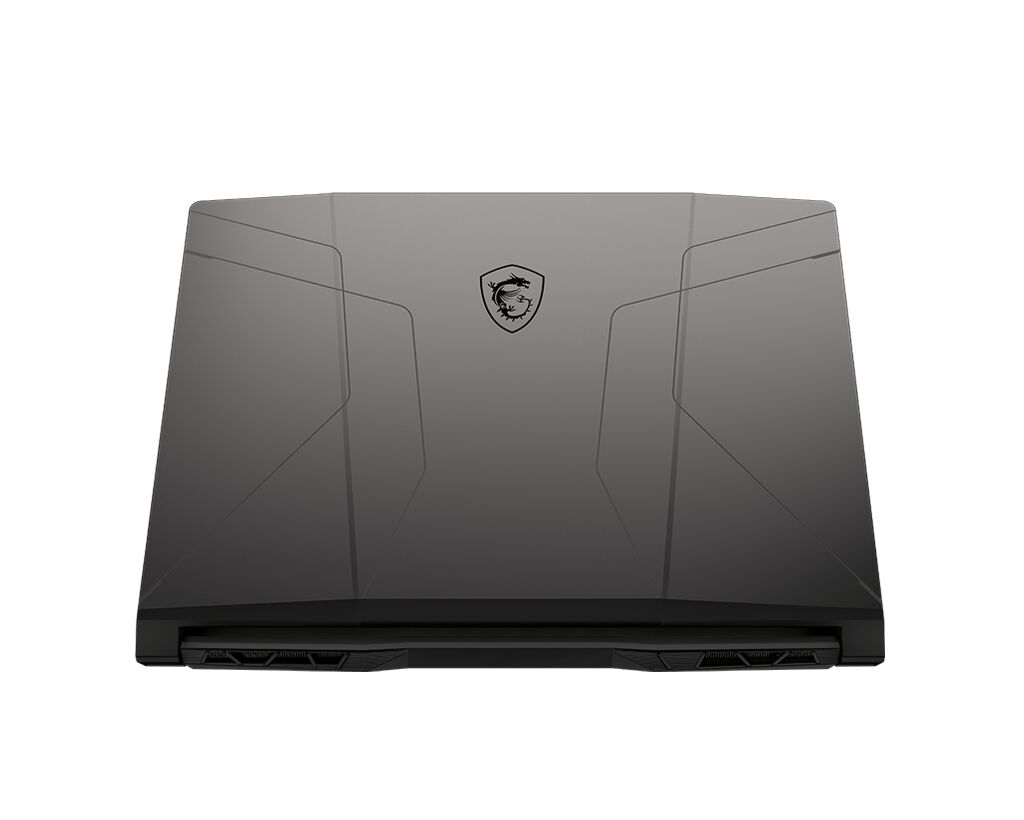
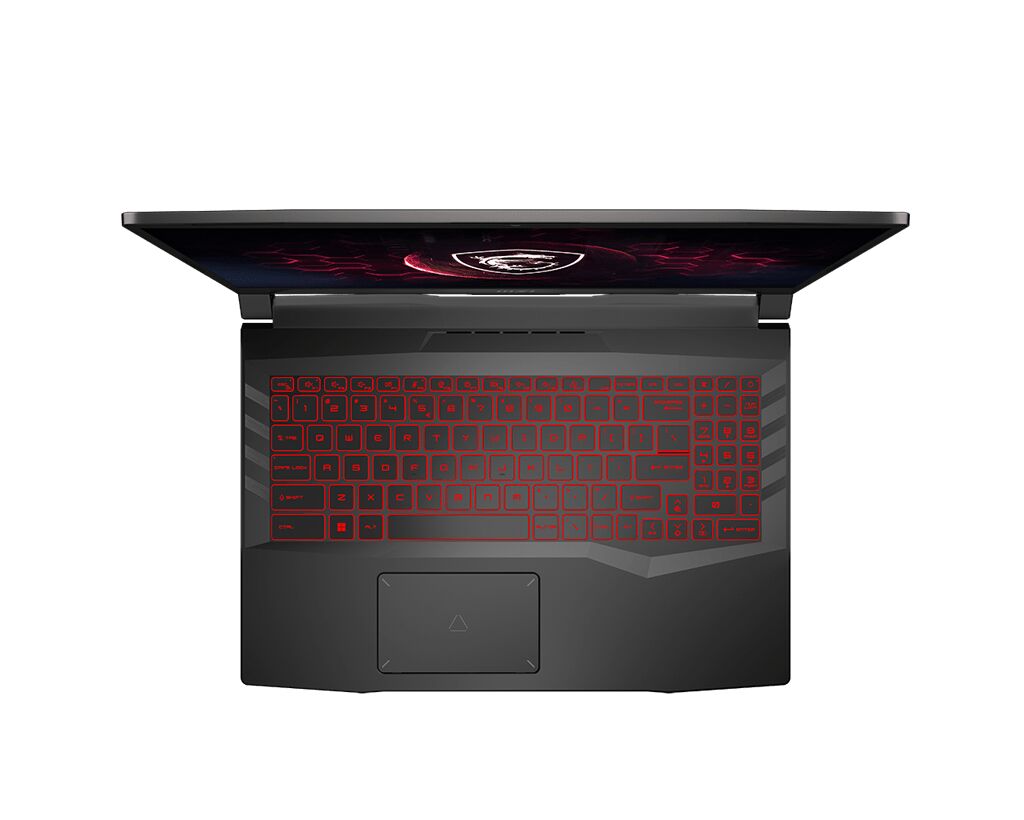
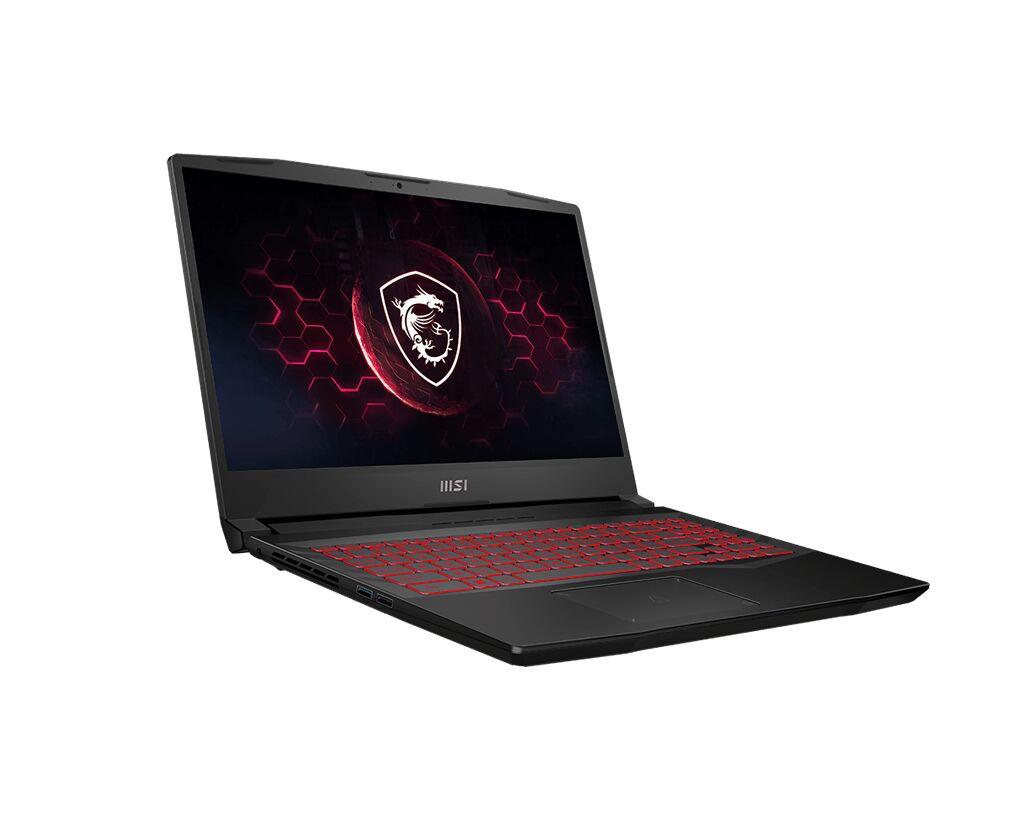
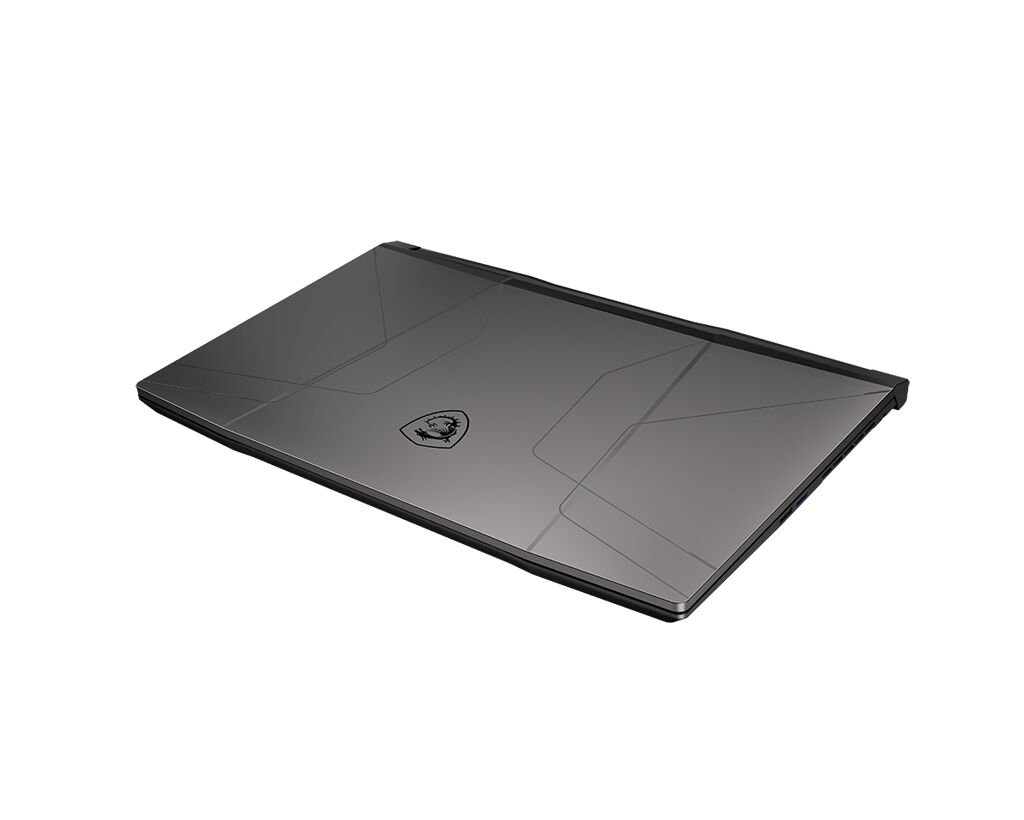
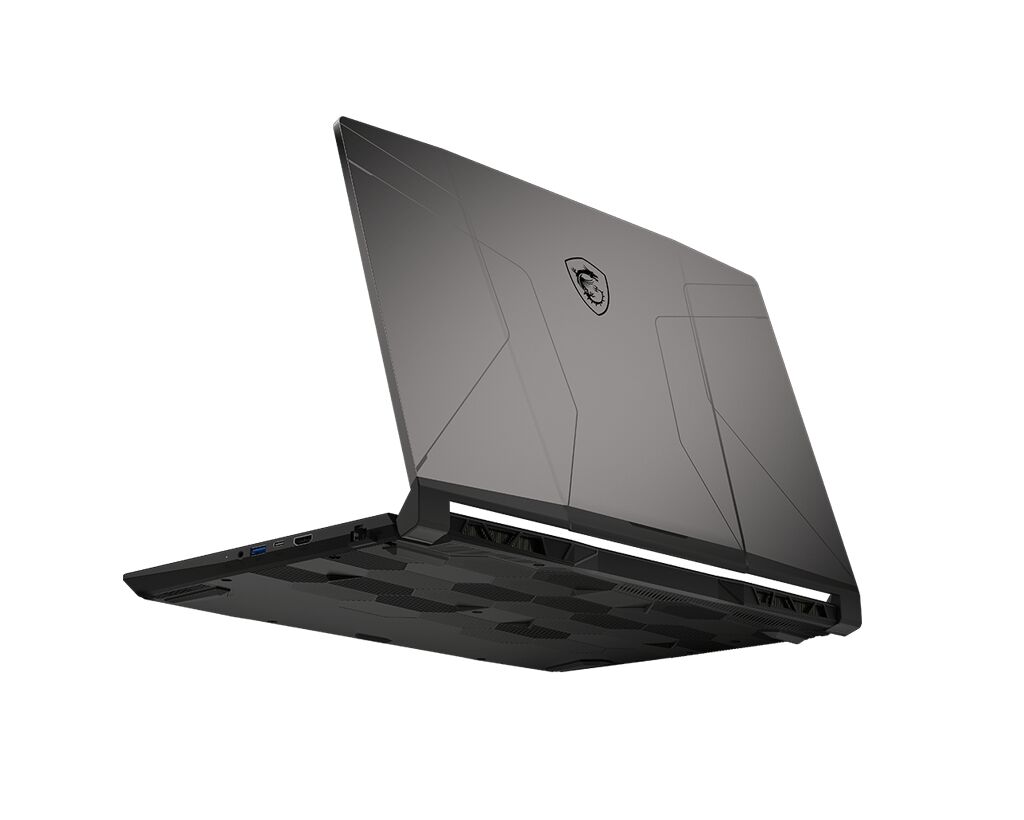
The MSI GL66 12UGK-055FR Pulse gaming laptop supports DDR4-SDRAM memory upgrades through 2x SO-DIMM slots. Maximum compatible RAM capacity reaches 64 GB total. The system operates at 3200 MHz frequency specifications. SO-DIMM form factor memory modules are required for compatibility with this MSI GL Series gaming model. Upgrades can be performed by installing compatible DDR4 memory modules into available slots to enhance system performance.
Memory Upgrade Specifications
| Specification | Value |
|---|---|
| Memory slots | 2x SO-DIMM |
| Form factor | SO-DIMM |
| Memory type | DDR4-SDRAM |
| Frequency | 3200 MHz |
| Maximum RAM | 64 GB |
| Voltage | 1.2V |
| Number of pins | 260-pin |
| Interface | PC4 |
| PC Speed Rating | PC4-3200 (PC4-25600) |
| Bandwidth | 25.6 GB/s |
| Laptop Release date | 31 December 2021 |
Additional Notes
- The MSI GL66 12UGK-055FR Pulse supports dual-channel memory architecture, enabling approximately double the theoretical bandwidth compared to single-channel configurations when both slots are populated with matched modules.
- SO-DIMM modules require physical access to the bottom panel, which typically involves removing multiple screws and potentially voiding seals that may affect warranty coverage depending on regional consumer protection laws.
- The 64 GB ceiling translates to 32 GB modules per slot, a density that limits compatibility to DDR4 chips manufactured after approximately 2019 when higher-density ICs became commercially viable.
- DDR4-3200 represents JEDEC standard speed rather than overclocked XMP profiles, reducing the risk of stability issues but also eliminating potential performance gains from faster kits.
- The chipset determines effective frequency through SPD timing tables, meaning modules rated above 3200 MHz will downclock automatically without manual BIOS intervention.
- Mixing modules with different CAS latencies forces the memory controller to adopt the slowest timing profile across both channels, potentially degrading performance below the specifications of the faster module.
- Thermal constraints in gaming chassis may throttle sustained memory-intensive workloads if modules lack integrated heat spreaders, though SO-DIMM form factor inherently limits cooling solutions compared to desktop DIMMs.
- Non-ECC unbuffered modules represent the only compatible architecture, as registered or error-correcting variants require server-grade memory controllers absent in consumer mobile platforms.
- The 2-slot configuration prohibits incremental upgrades beyond 32 GB without discarding existing modules, creating electronic waste when transitioning from mid-tier to maximum capacity.
- Voltage specifications defaulting to 1.2V standard operation prevent the use of low-voltage 1.35V modules marketed for extended battery life, as the memory controller lacks adaptive voltage regulation.