MSI Gaming GL66 12UGK-083XES Pulse RAM upgrade specifications
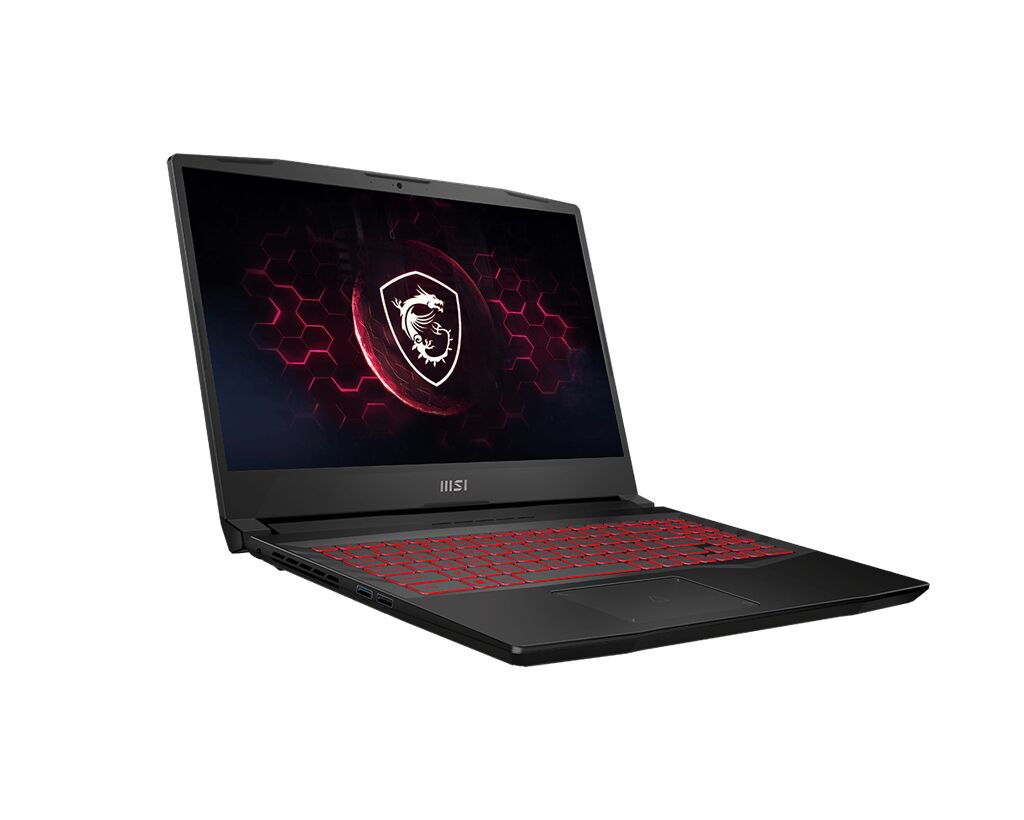
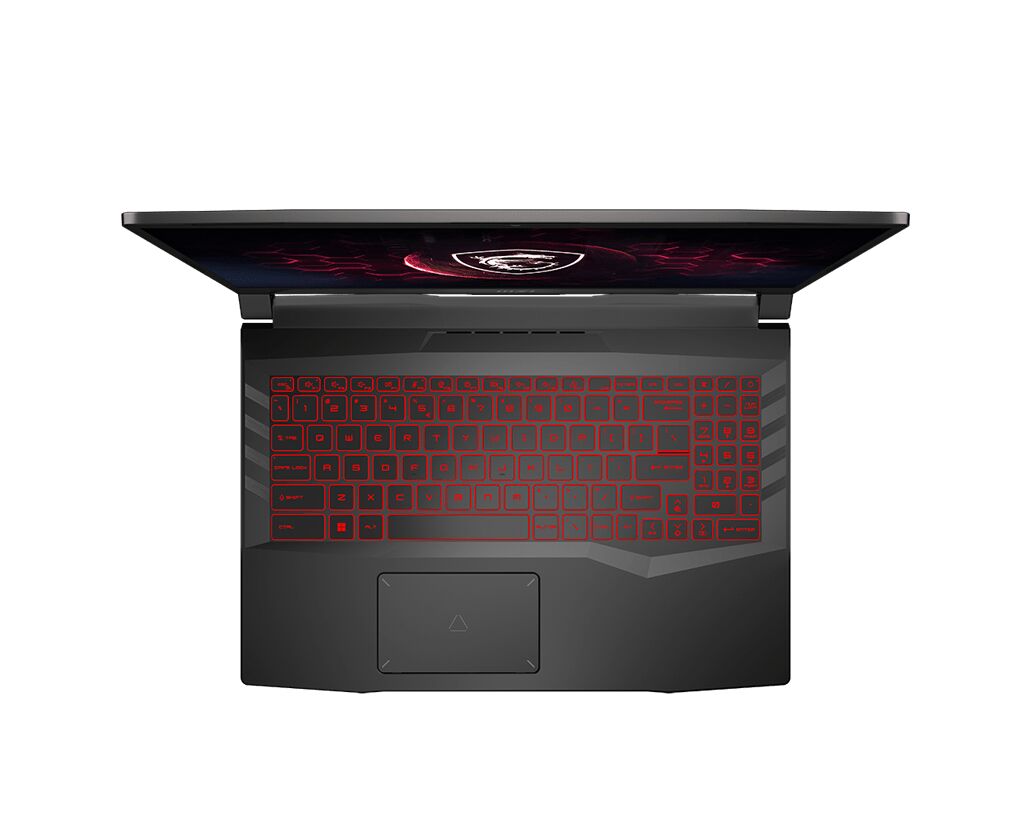
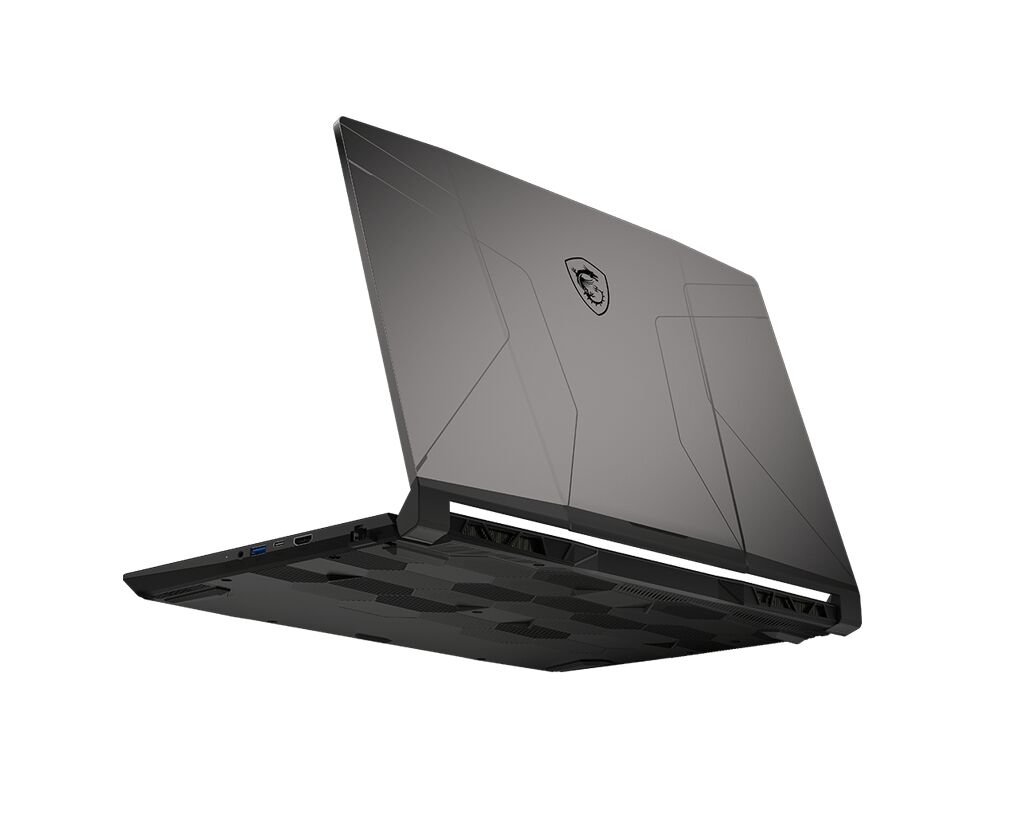
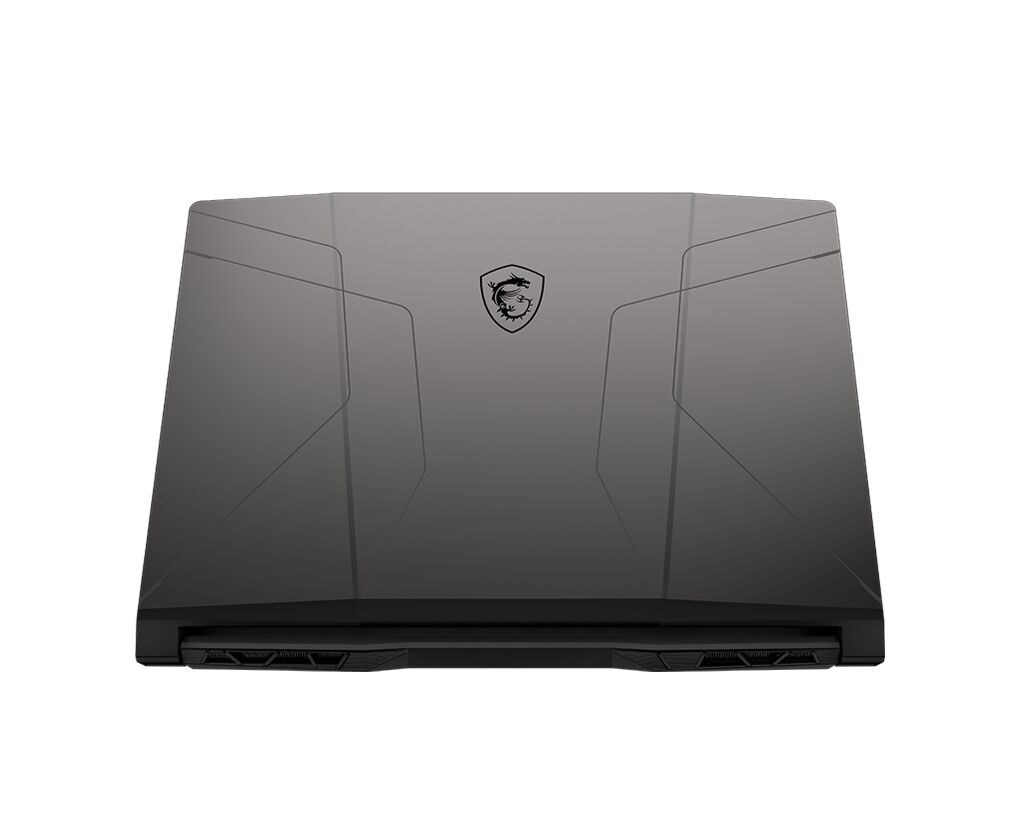
MSI GL66 12UGK-083XES Pulse gaming laptop supports memory upgrades via 2x SO-DIMM slots. Maximum RAM capacity reaches 64 GB using DDR4-SDRAM modules operating at 3200 MHz frequency. Compatible memory upgrades utilize SO-DIMM form factor specifications. Current slot configuration permits dual-channel memory expansion for enhanced performance. Existing memory may be replaced or supplemented to reach maximum 64 GB capacity. DDR4-SDRAM specifications ensure compatibility with MSI GL Series gaming platform standards.
Memory Upgrade Specifications
| Specification | Value |
|---|---|
| Memory slots | 2x SO-DIMM |
| Form factor | SO-DIMM |
| Memory type | DDR4-SDRAM |
| Frequency | 3200 MHz |
| Maximum RAM | 64 GB |
| Voltage | 1.2V |
| Number of pins | 260-pin |
| Interface | PC4 |
| PC Speed Rating | PC4-3200 (PC4-25600) |
| Bandwidth | 25.6 GB/s |
| Laptop Release date | 11 April 2022 |
Additional Notes
- The MSI GL66 12UGK-083XES Pulse accommodates only 2 SO-DIMM slots, meaning both slots must be populated simultaneously to achieve the 64 GB maximum; single-slot upgrades cannot occur without removing existing memory.
- DDR4-3200 MHz memory operates at a fixed frequency ceiling; faster DDR4 modules (3600 MHz or higher) will downclock to 3200 MHz, eliminating any performance gain from premium-speed purchases.
- SO-DIMM form factor requires laptop-specific memory modules rather than desktop DDR4; standard full-size DIMMs are physically incompatible and cannot be installed regardless of electrical specifications.
- Upgrading from a single 8 GB module to dual 16 GB modules involves removing the original stick; this transition doubles available capacity but requires temporary system shutdown and internal hardware access.
- Memory bandwidth is constrained by the dual-channel configuration; adding a single module to an empty slot will enable dual-channel operation only if the populated slots are identical in capacity and specification.
- DDR4 production has substantially declined since DDR5 market adoption; sourcing new SO-DIMM modules at 3200 MHz frequency may require purchasing from legacy inventory or third-party refurbished stock, affecting availability and pricing.
- Warranty coverage typically permits RAM upgrades performed by the end user; however, opening the chassis may require photographic documentation to preserve coverage terms, and installation must use only non-ESD-prone techniques.