MSI Gaming GL72M 7REX-1479CZ RAM upgrade specifications
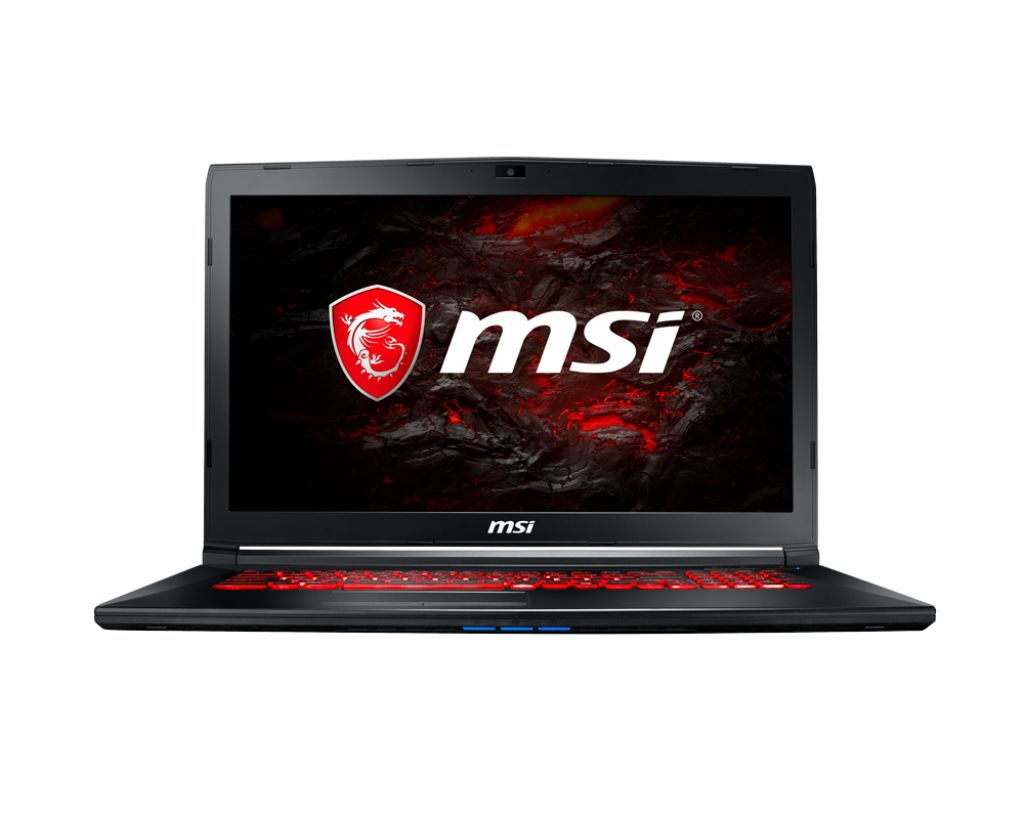
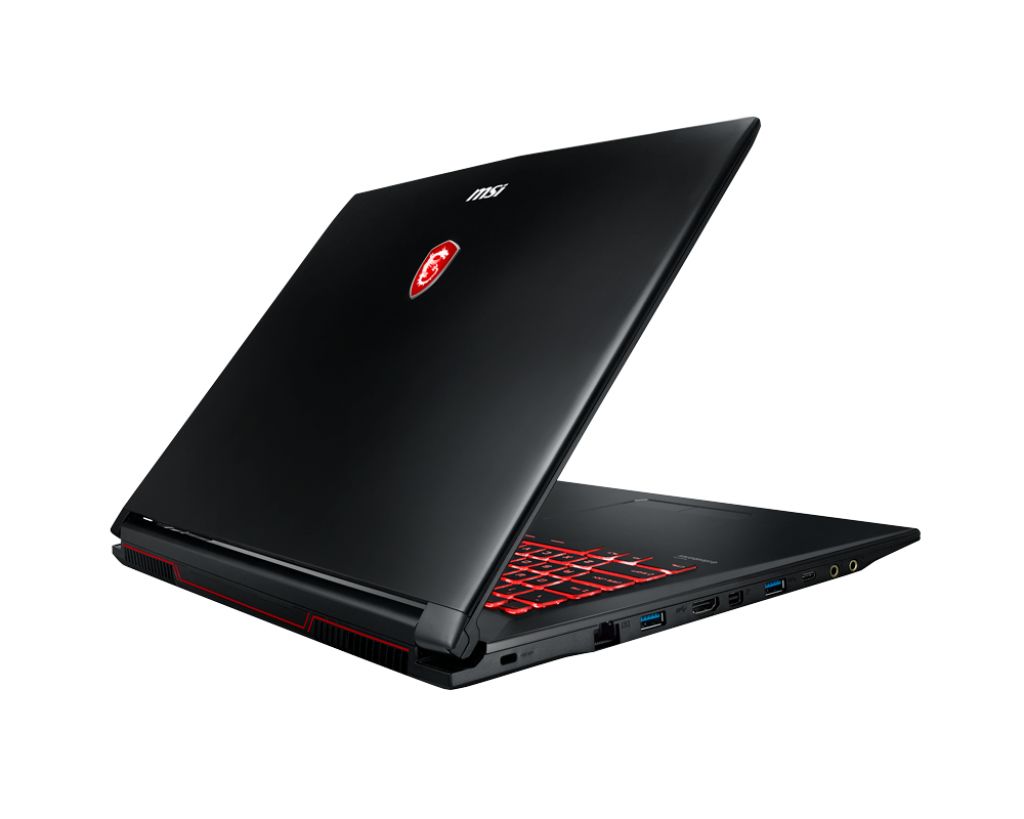


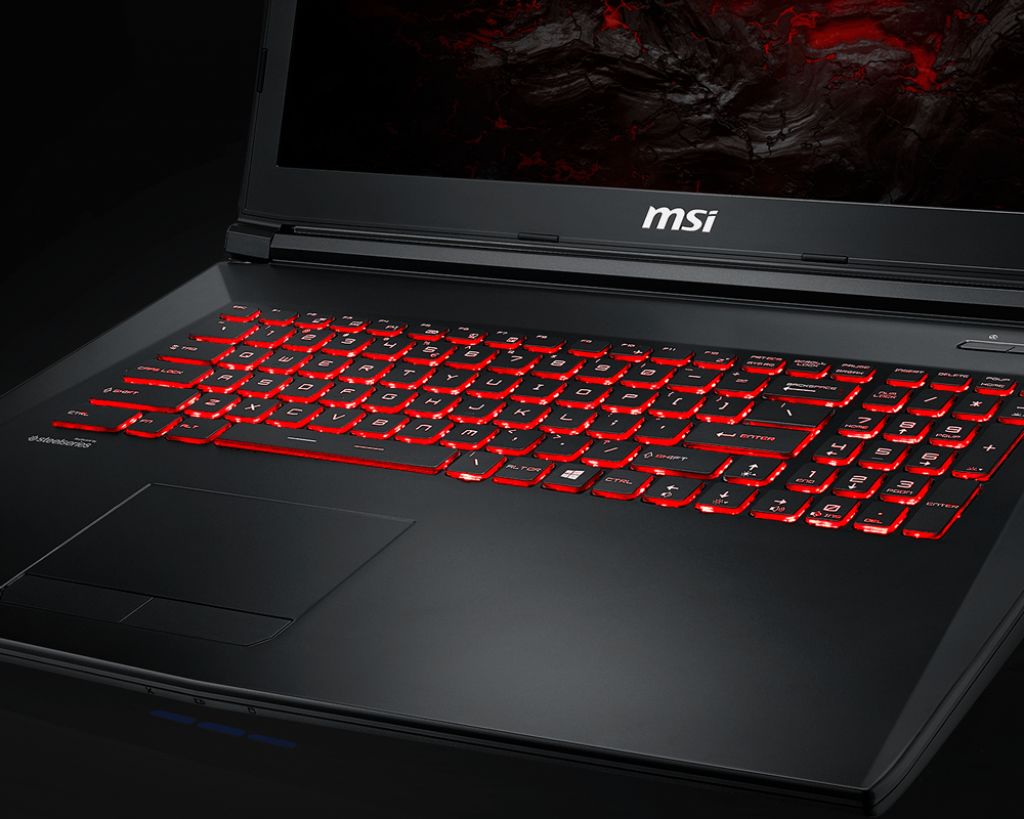
MSI GL72M 7REX-1479CZ gaming laptop features DDR4-SDRAM memory upgrade capabilities. The system supports two SO-DIMM memory slots with maximum RAM capacity of 32 GB total. Compatible memory specifications include DDR4 modules operating at 2400 MHz frequency. The GL series gaming model accommodates SO-DIMM form factor upgrades, enabling users to expand memory configurations up to the specified maximum capacity for enhanced performance.
Memory Upgrade Specifications
| Specification | Value |
|---|---|
| Memory slots | 2x SO-DIMM |
| Form factor | SO-DIMM |
| Memory type | DDR4-SDRAM |
| Frequency | 2400 MHz |
| Maximum RAM | 32 GB |
| Voltage | 1.2V |
| Number of pins | 260-pin |
| Interface | PC4 |
| PC Speed Rating | PC4-2400 (PC4-19200) |
| Bandwidth | 19.2 GB/s |
| Laptop Release date | 03 May 2018 |
Additional Notes
- The 2 SO-DIMM configuration in the MSI GL72M 7REX-1479CZ limits expansion to a single upgrade cycle, as both slots must be populated to reach the 32 GB ceiling.
- DDR4-2400 operates at a lower bandwidth than DDR4-3200, delivering 19.2 GB/s per channel compared to 25.6 GB/s, which may bottleneck GPU-intensive applications or multi-threaded workloads.
- Mixing memory modules with different speeds will downclock all installed RAM to the slowest module's frequency, potentially reducing system performance if faster modules are paired with existing slower ones.
- SO-DIMM modules require physical clearance under the laptop's bottom panel, and accessing the memory compartment typically necessitates removing multiple screws and potentially the entire base cover.
- Non-matching memory timings between modules can cause instability or force the system to run at conservative JEDEC defaults, negating performance gains from higher-speed modules.
- The 32 GB maximum suggests a chipset limitation rather than a slot restriction, meaning 16 GB modules represent the highest density supported per slot.
- Dual-channel operation requires symmetrical module configuration, so unbalanced capacities will revert portions of the memory to slower single-channel mode.
- Warranty preservation depends on whether the manufacturer classifies RAM access as user-serviceable, as some regions void coverage when bottom panels are removed by end users.
- DDR4 voltage tolerance typically ranges from 1.2V to 1.35V, but exceeding the standard 1.2V specification may trigger thermal throttling in laptops with constrained cooling systems.
- The 7th generation Intel platform underlying this model lacks native support for DDR4 speeds above 2400 MHz without XMP profiles, which laptop BIOSes rarely expose.