MSI Gaming GL72VR 7RFX-629 RAM upgrade specifications

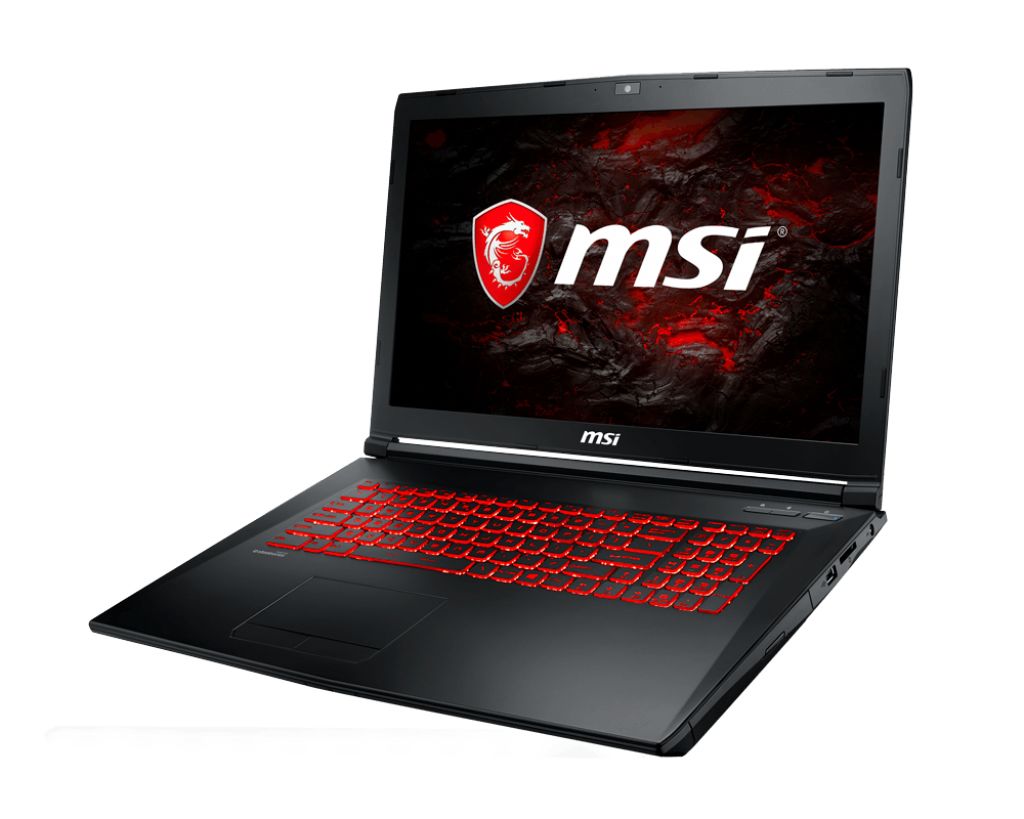
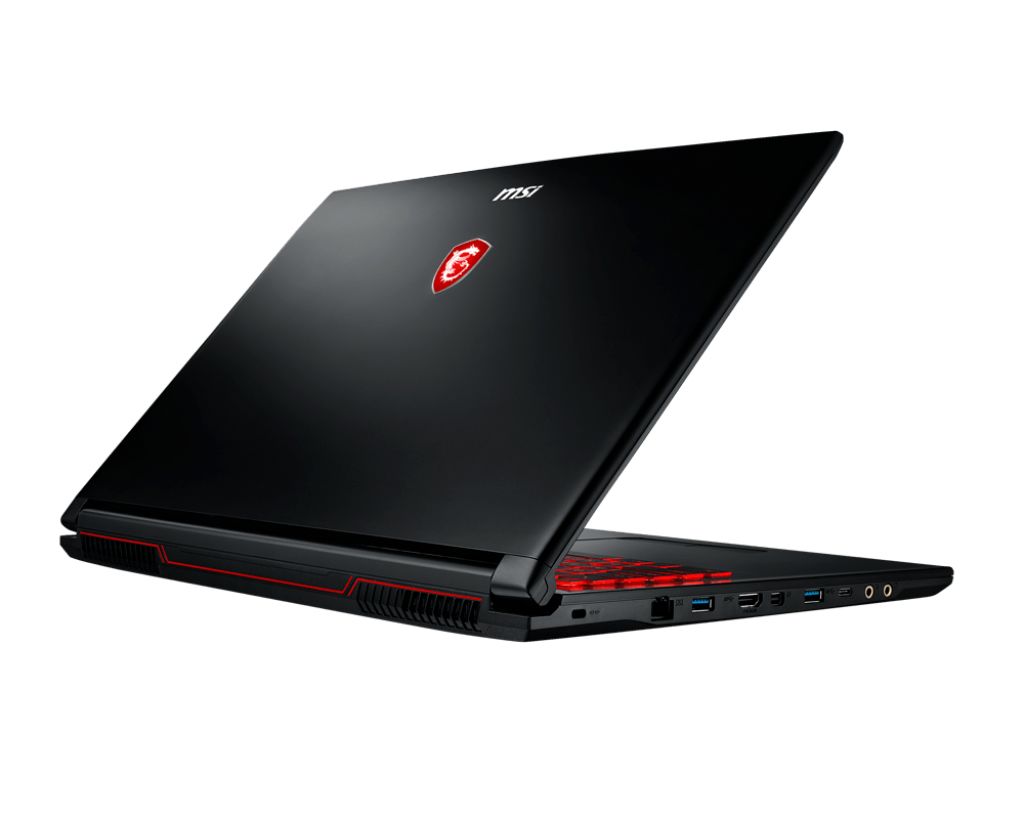
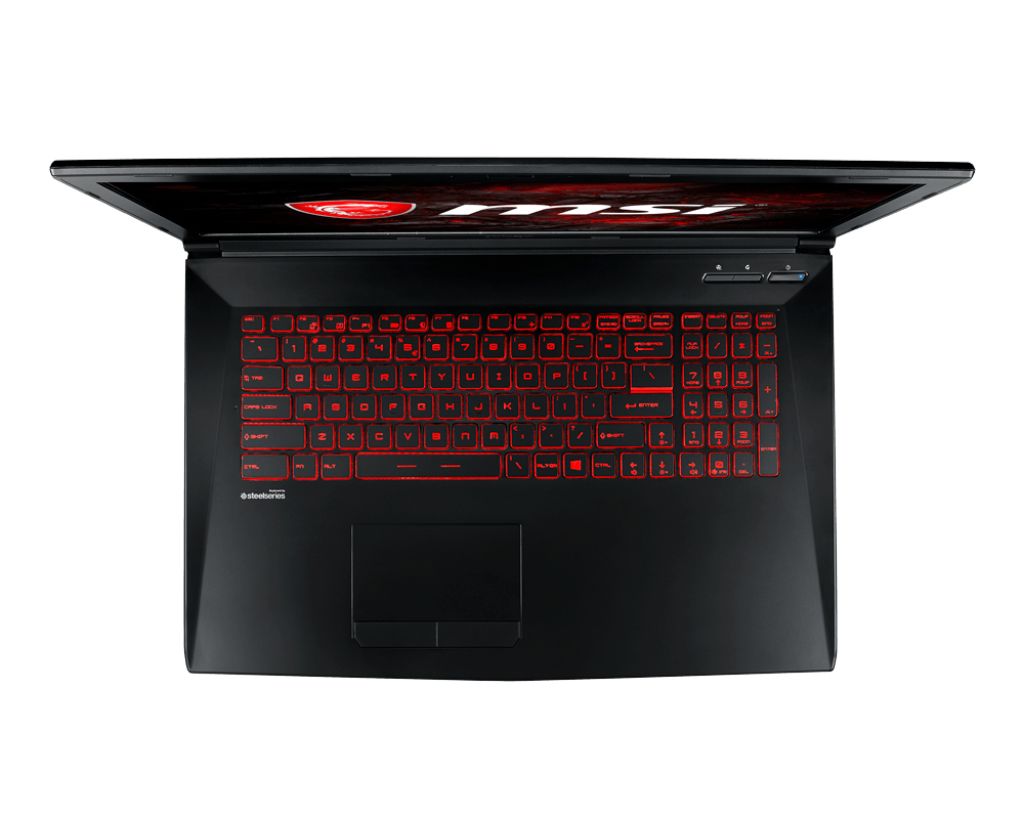
The MSI GL72VR 7RFX-629 gaming laptop features DDR4-SDRAM memory upgrade specifications with two SO-DIMM slots supporting maximum RAM capacity of 32 GB. Compatible memory modules operate at 2400 MHz frequency. The GL series gaming model accommodates SO-DIMM form factor modules, enabling users to upgrade existing memory configurations up to the specified maximum capacity. Detailed specifications define compatible RAM upgrades for this MSI gaming platform.
Memory Upgrade Specifications
| Specification | Value |
|---|---|
| Memory slots | 2x SO-DIMM |
| Form factor | SO-DIMM |
| Memory type | DDR4-SDRAM |
| Frequency | 2400 MHz |
| Maximum RAM | 32 GB |
| Voltage | 1.2V |
| Number of pins | 260-pin |
| Interface | PC4 |
| PC Speed Rating | PC4-2400 (PC4-19200) |
| Bandwidth | 19.2 GB/s |
| Laptop Release date | 13 January 2018 |
Additional Notes
- The MSI GL72VR 7RFX-629 utilizes Intel's 7th generation (Kaby Lake) platform, which officially supports DDR4-2133 and DDR4-2400 speeds, meaning faster modules will downclock to 2400 MHz regardless of their rated specification.
- Dual-channel configuration requires matched pairs of identical speed and capacity modules, as asymmetric configurations force single-channel operation and reduce memory bandwidth by approximately 50 percent.
- The 32 GB ceiling requires two 16 GB modules, which were less common and more expensive when this platform launched compared to the standard 8 GB modules prevalent during the DDR4-2400 era.
- SO-DIMM access on this chassis requires bottom panel removal, with no dedicated memory bay door providing direct access to the slots.
- Non-ECC unbuffered modules are the only compatible type, as the mobile HM175 chipset does not support registered or error-correcting memory architectures.
- Mixing modules with different CAS latencies will force all installed memory to operate at the slowest timing present, potentially degrading performance if mismatched specifications are combined.
- The standard warranty typically remains intact when performing memory upgrades, as RAM replacement qualifies as user-serviceable maintenance rather than unauthorized modification.
- Voltage specification must remain at 1.2V standard for DDR4, as low-voltage variants designed for ultra-mobile platforms may exhibit stability issues or fail to initialize properly.
- Thermal constraints in the chassis favor modules without tall heat spreaders, since clearance beneath the keyboard assembly is limited and aftermarket cooling solutions are not applicable to SO-DIMM form factors.
- The platform's memory controller supports single-rank and dual-rank modules interchangeably, though mixing rank configurations between slots may introduce minor latency variations during memory interleaving operations.