MSI Gaming GL73 8SE-075XRU RAM upgrade specifications
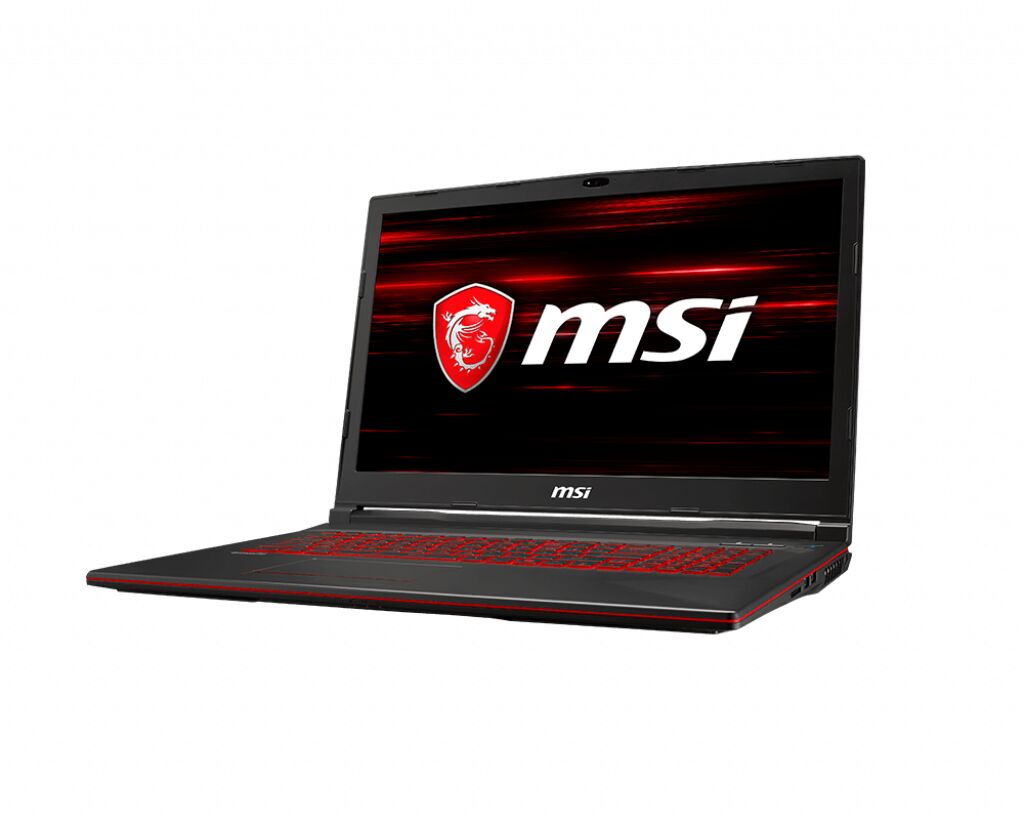
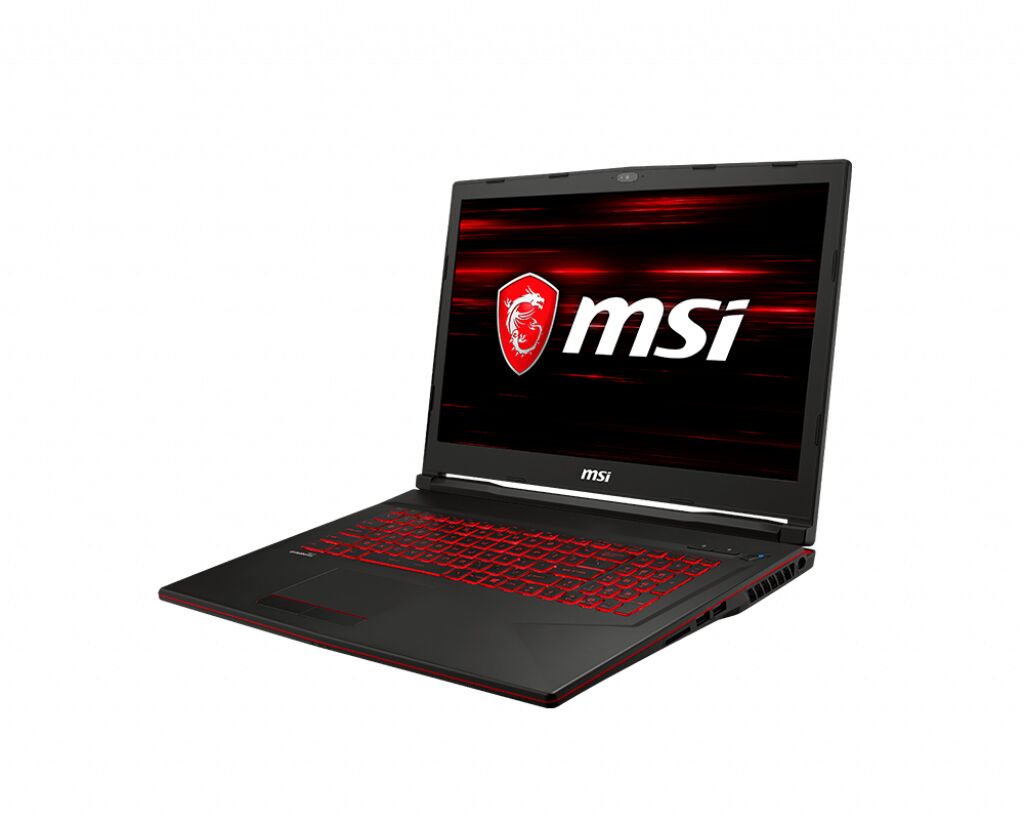


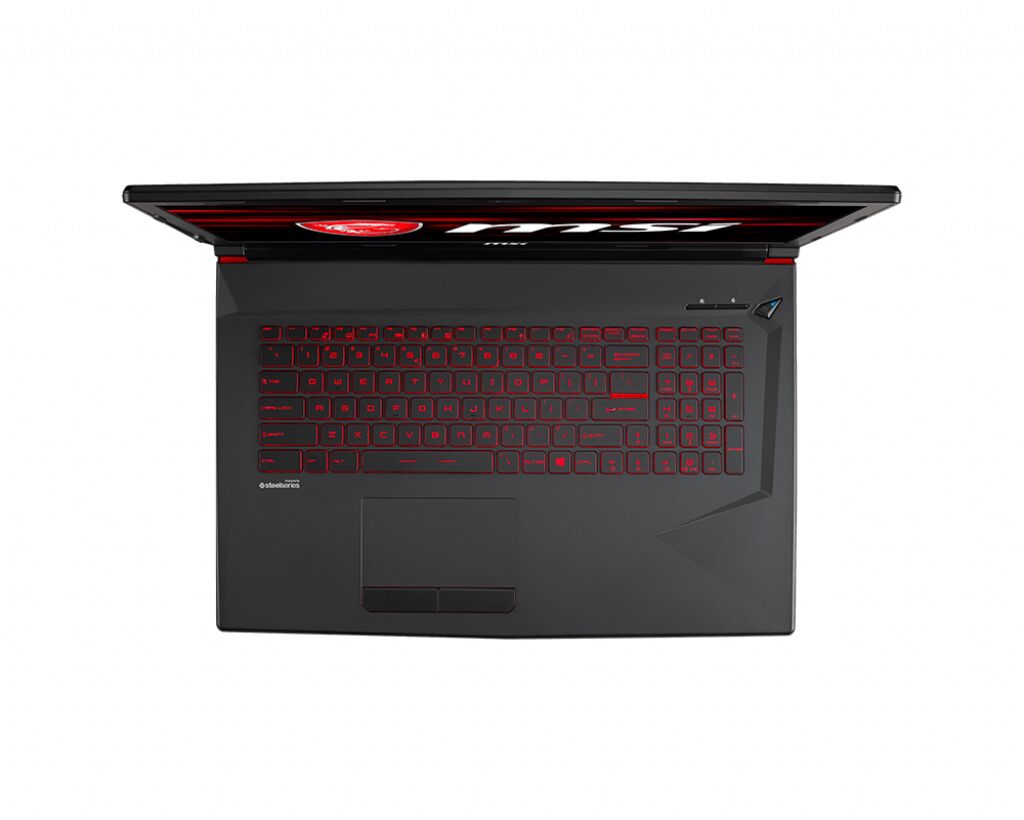
The MSI GL73 8SE-075XRU Gaming series laptop features DDR4-SDRAM memory upgrade specifications with two SO-DIMM slots supporting a maximum RAM capacity of 32 GB. The compatible memory modules operate at 2666 MHz frequency and utilize SO-DIMM form factor. Upgrade specifications indicate maximum memory expansion capability to 32 GB total capacity across the available slots in the GL73 8SE-075XRU model.
Memory Upgrade Specifications
| Specification | Value |
|---|---|
| Memory slots | 2x SO-DIMM |
| Form factor | SO-DIMM |
| Memory type | DDR4-SDRAM |
| Frequency | 2666 MHz |
| Maximum RAM | 32 GB |
| Voltage | 1.2V |
| Number of pins | 260-pin |
| Interface | PC4 |
| PC Speed Rating | PC4-2666 (PC4-21328) |
| Bandwidth | 21.3 GB/s |
| Laptop Release date | 09 July 2019 |
Additional Notes
- The MSI GL73 8SE-075XRU accepts only notebook-sized memory modules, preventing the use of standard desktop DIMMs regardless of electrical compatibility.
- The 32 GB ceiling requires paired 16 GB modules to reach maximum capacity, as single-module configurations cap at half the supported total.
- DDR4-SDRAM operates at lower voltage than DDR3, making previous-generation modules physically incompatible despite matching physical slot dimensions.
- The 2666 MHz specification represents the platform's maximum supported frequency, causing higher-speed modules to automatically downclock during POST initialization.
- Dual-channel architecture relies on symmetrical module installation across both slots, with mismatched capacities forcing single-channel operation and halving memory bandwidth.
- SO-DIMM retention clips differ mechanically from desktop DIMM ejectors, requiring outward pressure on side latches rather than downward force for module removal.
- Mixing modules with different CAS latency timings forces the memory controller to adopt the slowest timing profile across all installed modules.
- Non-ECC unbuffered modules remain the only compatible type, as registered or error-correcting variants introduce incompatible signaling protocols.
- The 260-pin SO-DIMM standard prohibits insertion of 204-pin DDR3 modules due to offset notch positioning that prevents physical engagement.
- Thermal constraints in notebook chassis limit the practical use of high-density modules with heat spreaders that exceed standard SO-DIMM height specifications.
- Single-rank versus dual-rank module architecture affects maximum capacity per slot, though both types function within the stated 32 GB system limit.
- Voltage tolerance typically spans 1.2V standard operation, with XMP overclocking profiles often unavailable or unsupported in mobile platform firmware.