MSI Gaming GL73 8SE-074RU RAM upgrade specifications
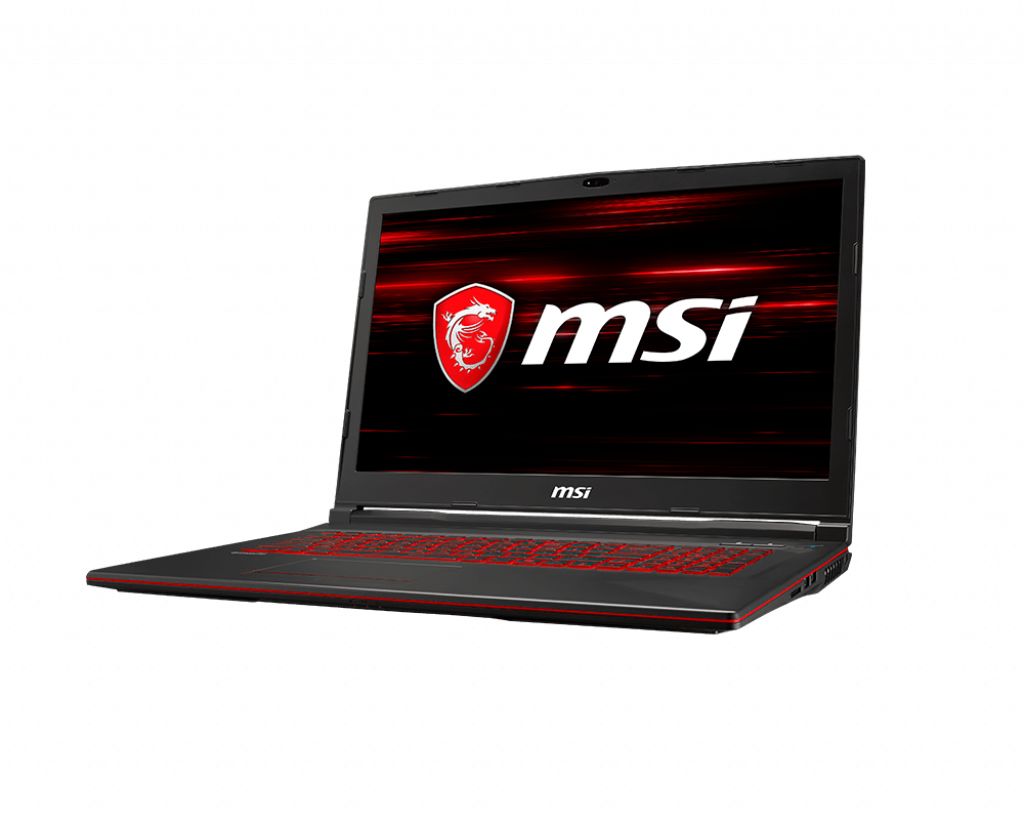
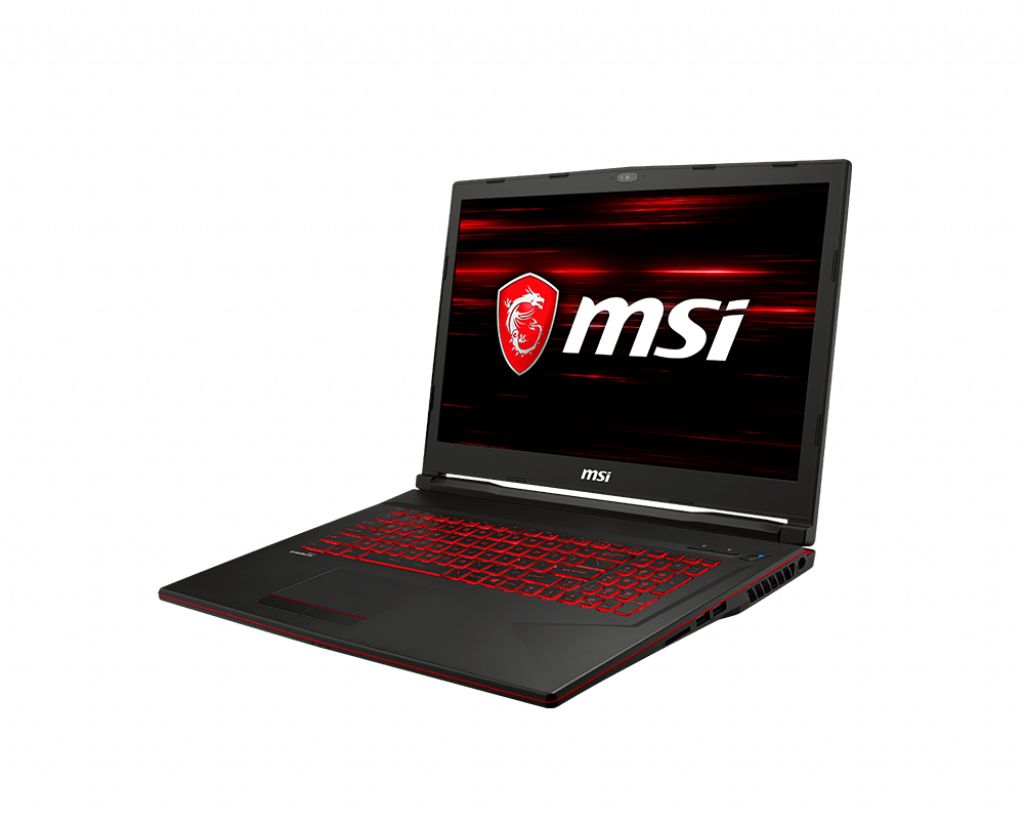
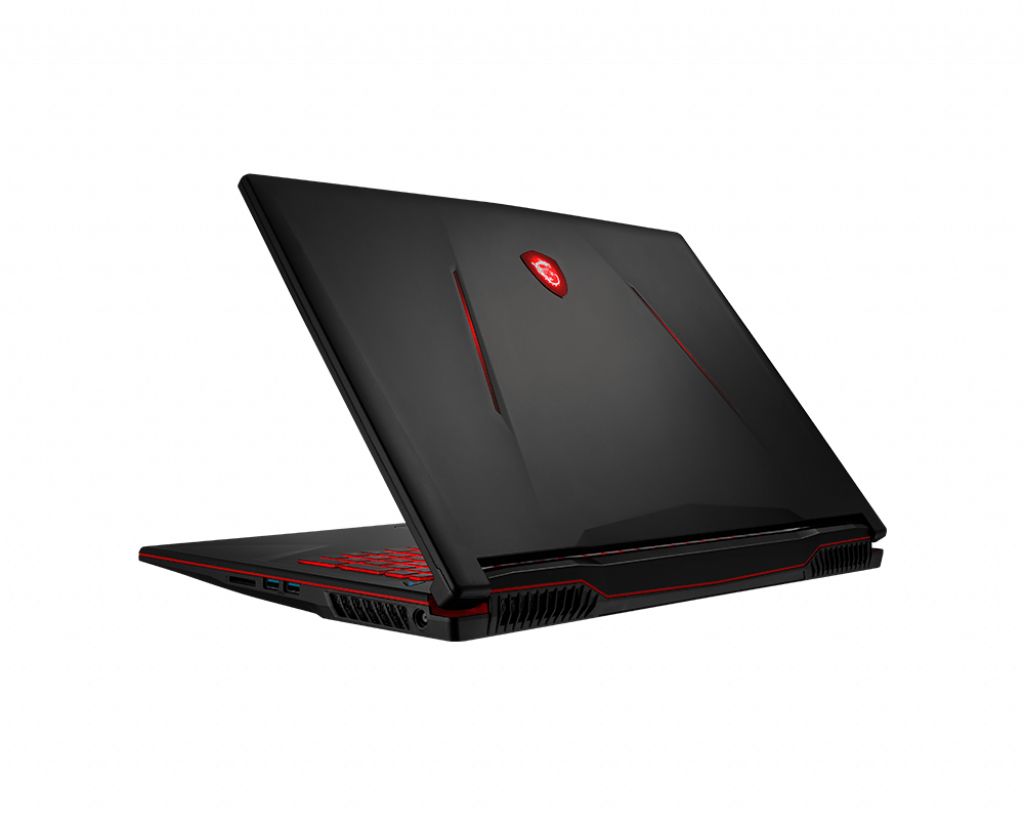
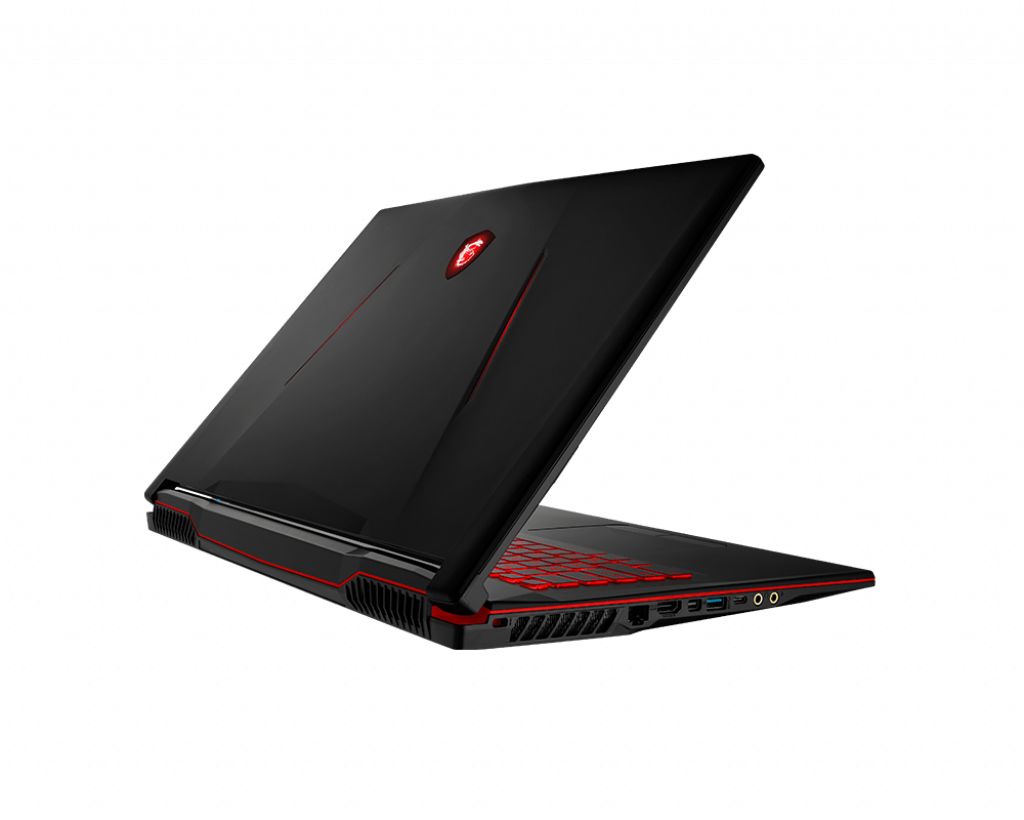
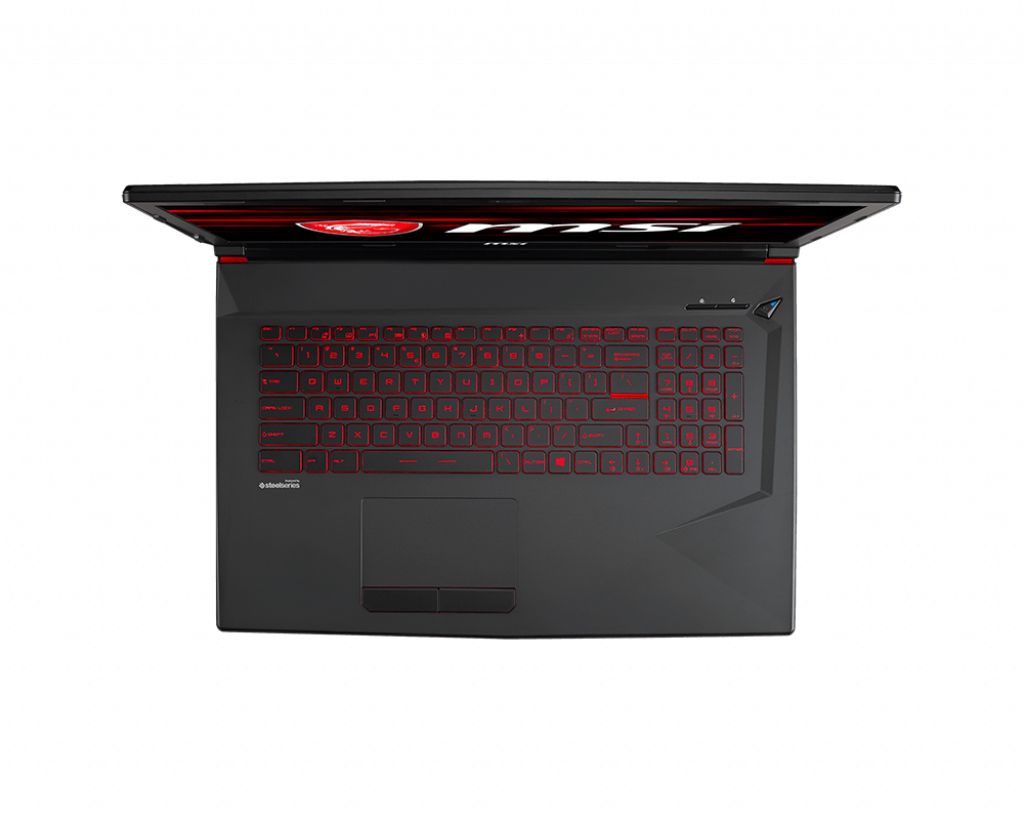
MSI GL73 8SE-074RU Gaming series laptop features DDR4-SDRAM memory upgrade capability through two SO-DIMM slots. Maximum compatible RAM capacity reaches 32 GB total. Memory operates at 2666 MHz frequency specifications. The SO-DIMM form factor enables standard memory module upgrades for increased system performance and multitasking capability on this gaming laptop model.
Memory Upgrade Specifications
| Specification | Value |
|---|---|
| Memory slots | 2x SO-DIMM |
| Form factor | SO-DIMM |
| Memory type | DDR4-SDRAM |
| Frequency | 2666 MHz |
| Maximum RAM | 32 GB |
| Voltage | 1.2V |
| Number of pins | 260-pin |
| Interface | PC4 |
| PC Speed Rating | PC4-2666 (PC4-21328) |
| Bandwidth | 21.3 GB/s |
| Laptop Release date | 09 July 2019 |
Additional Notes
- The MSI GL73 8SE-074RU contains 2 SO-DIMM slots operating at 2666 MHz, which means both slots must be populated simultaneously to achieve dual-channel memory bandwidth. Single-slot configurations will operate in single-channel mode, reducing effective memory throughput by approximately 50 percent and creating a performance bottleneck for graphics-intensive workloads.
- Upgrading to the 32 GB maximum requires replacing both existing modules rather than adding a single stick. Mismatched memory speeds or latencies between the original and replacement modules will force the system to operate at the slower module's specification, negating partial upgrade benefits.
- SO-DIMM form factor imposes strict physical constraints. Standard desktop DDR4 modules are incompatible with this slot type. Only laptop-grade SO-DIMM modules will physically install, limiting upgrade sourcing options and typically increasing per-gigabyte costs relative to desktop alternatives.
- The 2666 MHz frequency specification indicates 8th-generation Intel processor compatibility. Attempting to install higher-frequency DDR4 modules (3000 MHz or above) will operate at 2666 MHz due to controller limitations, wasting investment in faster memory without performance gains.
- Warranty preservation requires non-destructive installation practices. SO-DIMM modules require modest insertion force and proper seating angle. Over-torque or incorrect insertion angles can crack the retention clips or damage traces on the module itself, potentially creating warranty claim complications.